Camera
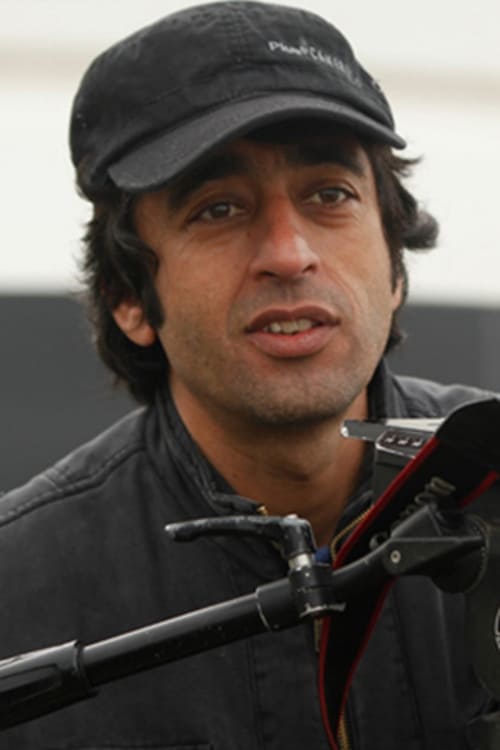
Touraj Aslani is an Iranian cinematographer and filmmaker.
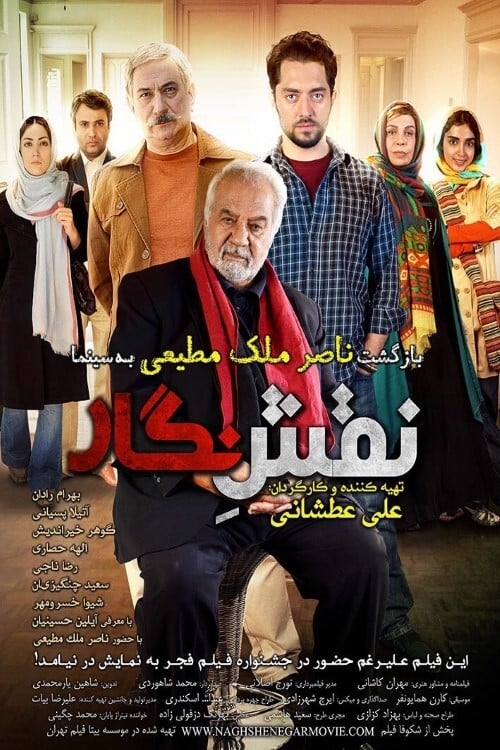
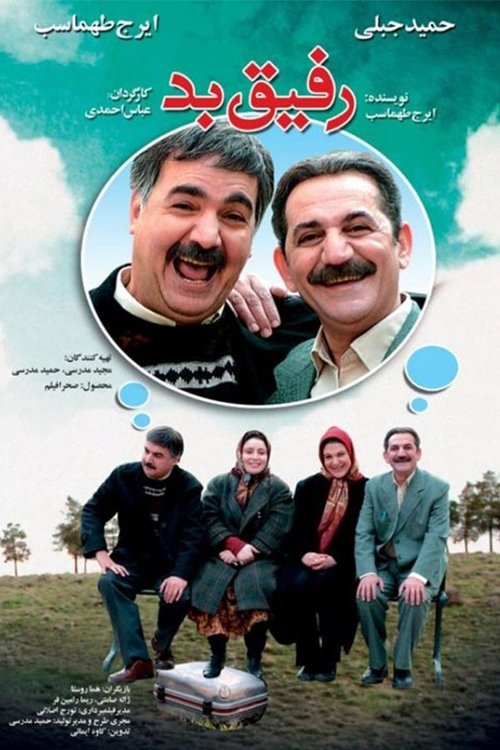
The adventures of a movie director who gets involved in a murder case.
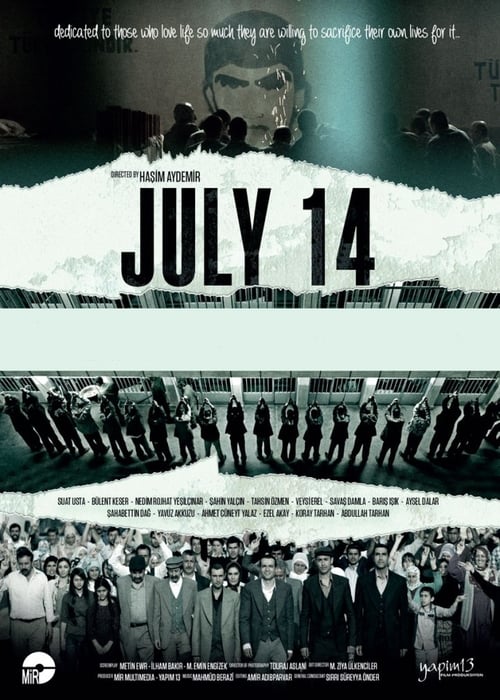
Turkey, after the 1980 military coup. In the notorious Diyarbakır prison, the prisoners decide to resist the torture. 14 July 1982 is the day when the biggest resistance starts.
No description available.
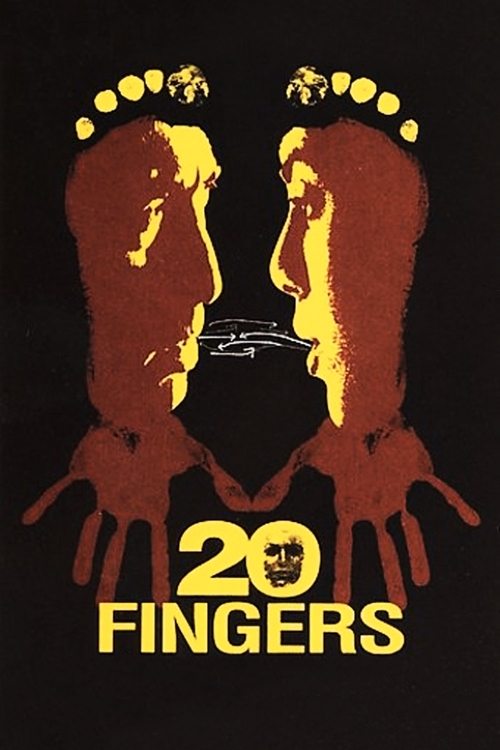
The subject of the film is male-female relationships. Composed of 7 vignettes, "20 Fingers" features Mania Akbari and Bijan Daneshmand as a contemporary Iranian couple. The film is an intense, bumpy series of conversations and sometimes quarrels reflecting the problems facing Iranian men and women and the struggle between modernism and tradition, liberalism and conservatism.
Habib returns to Iran after many years and goes after his fellow Aziz but finds him in an asylum not talking and not remembering anything about his past. By the request of the doctors Habib begins to tell Aziz about their past life and the story of their friendship when both were bank's employees. They grew up together and began working in the bank's security carrying bags of money, until one day when some thieves rub the money from them and run away.
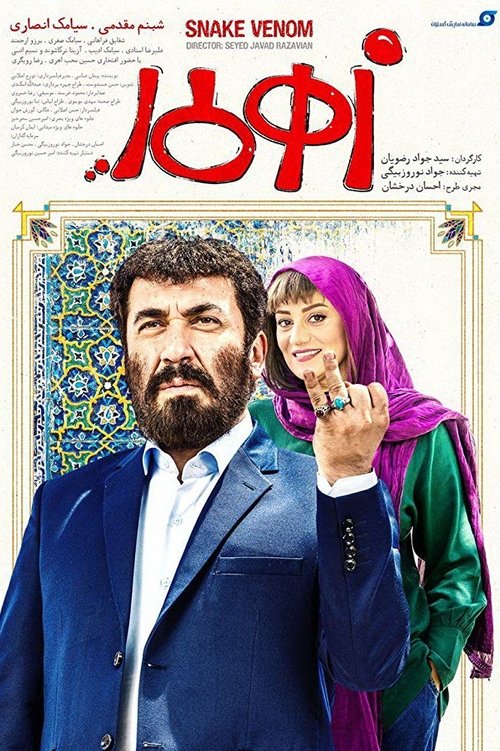
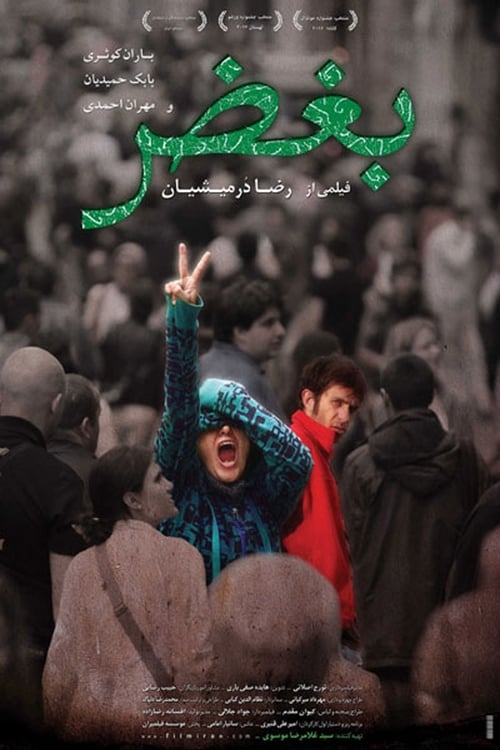
Heshmat is a religious guy and a candidate for the election of Tehran but when a troubled old friend finds him his troubles begin. He has to find a way to cope with these troubles.
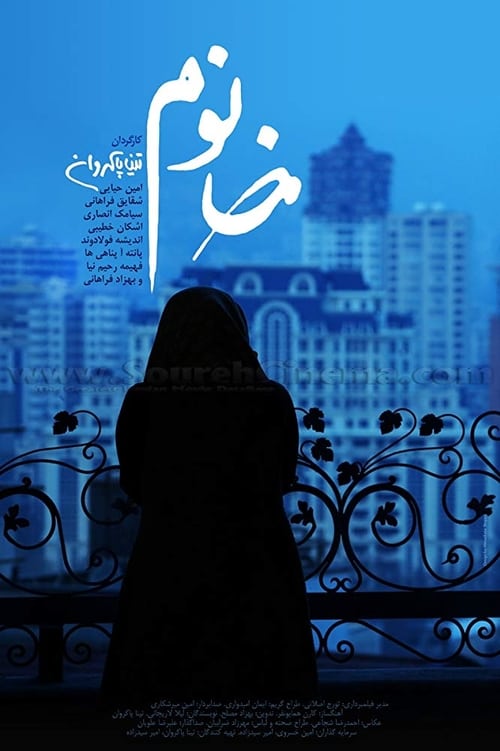
Khanoom is an episodic movie focusing on three women from three different social classes who has to suffer for the sake of their beloved men.
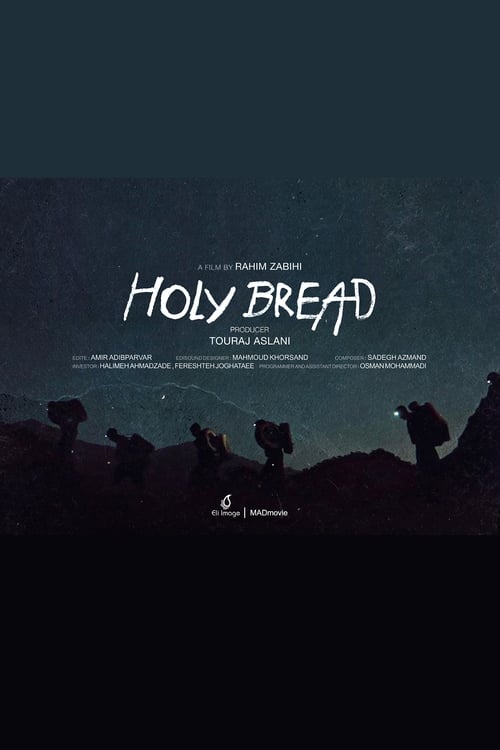
A documentary on the precarious lives of the koolbari, who carry goods on foot across the mountainous borders from Iran's northwestern Kurdish region.
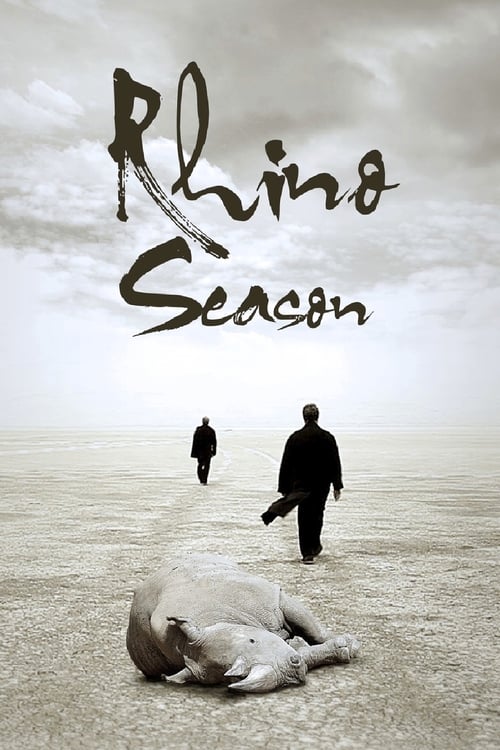
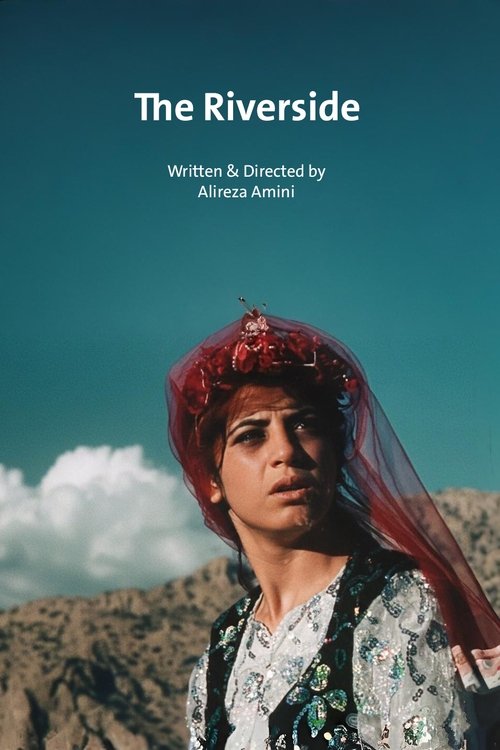
Kurdish-Iranian poet Sahel has just been released from a thirty-year prison sentence in Iran. Now the one thing keeping him going is the thought of finding his wife, who thinks he's been dead for over twenty years.
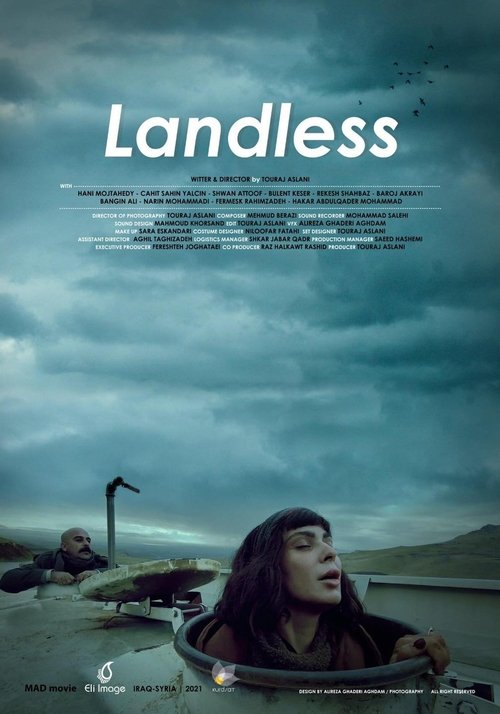
Due to the ISIS war, Kani (a pregnant singer) and her husband decide to leave Kurdistan. After meeting with a Turkish smuggler, they have no choice but to make the arduous journey inside an emptied, claustrophobic oil tanker across the Turkish border, stuck with a group of people who are also running for their lives.
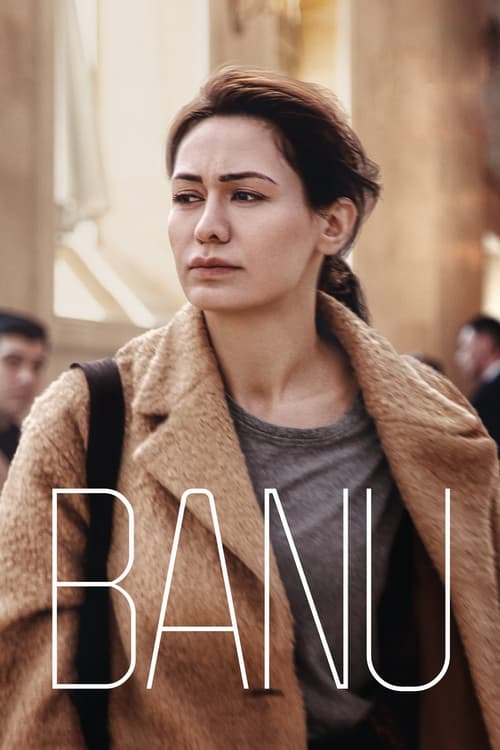
While the Second Nagorno-Karabakh war rages on far away from Baku, Azerbaijan, Banu has four days to find someone to support her in court against her influential soon to be ex-husband, Javid. He is trying to get full custody of their son Ruslan by claiming that Banu suffers from psychiatric issues. Banu embarks on a journey to find someone to help her in a society in which everyone’s attention is preoccupied with the ongoing war.
A road movie set in Iraq in 2003 during the fall of Saddam. Two Kurds are looking for the parents of a five-year-old boy who has been found in the street in tears. His name is Saddam too. At the same time the boy's parents are looking for him everywhere, worried because of the boy's name which is now taboo. All the attempts of the two Kurds to get rid of the child fail: neither the Americans nor the men of religion at the mosque want him. Little Saddam begins to become a real problem. In the streets and all around them, they are surrounded by the chaos and crazy atmosphere of those days, with violence always on the verge of exploding.
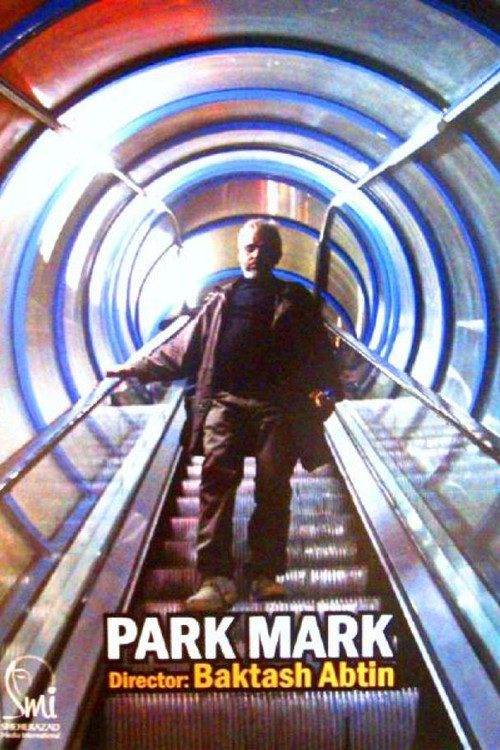
The eponymous Mark is a homeless crack addict who lives in the parks of Teheran by day and steals from donation boxes (these stand on nearly every street corner) by night. Fate has pushed the once father, husband and successful resident of the United States to the margin of society and has turned him into an outcast. The film shows one night in Marks life and provides insight into the secrets of the city. The films powerful images and personal narration brings the viewer close to the experience of a man whom fate has trapped in a social role inflicted by fate, but who is, nonetheless, aware of his position and of the painful reality that surrounds him.
A young woman fleeing Iran via Turkey will do whatever it takes to reach the West. One evening she meets a young Turkish-Iranian man outside a club in Istanbul and offers to get him into the club for free. A a relationship develops between them and she convinces him to leave Turkey with her. They initially approach a relative of the young man, who owns a carpet shop, to help them escape but between drugs and fiery temperaments things seriously misfire. They then try to to hustle for the money they need to pay for fake passports and visas but in the carpet bazaar of Istanbul they are out of their depth.
The film is set around three protagonists. Two run a gas station on the outskirts of town, on a road that gets next to no traffic anymore, and so they get next to no customers. They live and work out of a decrepit van on site, its windows covered in plastic. Sadry is a former strongman, now blind in one eye. He is the boss of the station. Yadi is his eager to please assistant, who usually annoys more than pleases. Finally there is the postman, Abbas, who longs to trade in his brakeless bicycle for a motorcycle, while he must care for his mentally ill brother.
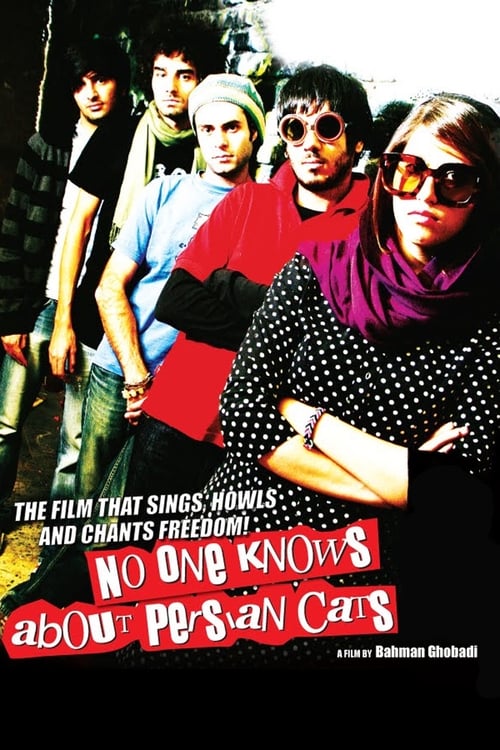
Iranian musicians Negar and Ashkan look for band members to play at a London concert ... and the visa that allows them to leave Tehran to do so.
It's March 2003 and many Iraqi Kurds are fleeing towards the Iranian border trying to escape the bombardment of Kirkuk.
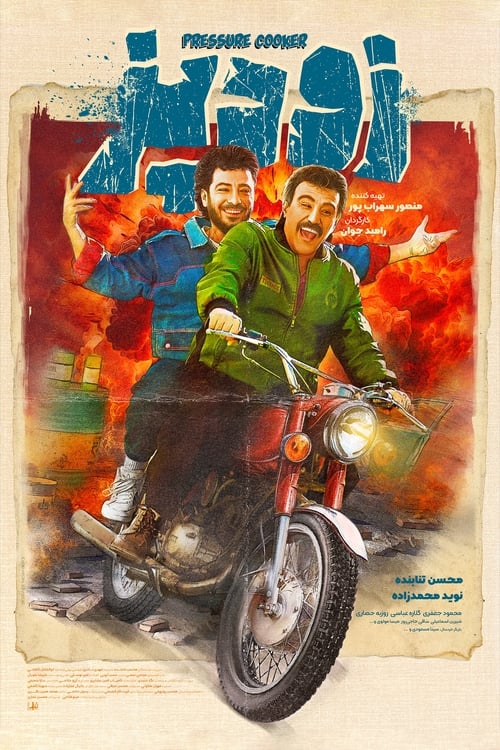
The story takes place at the time of Iran-Iraq war, 1988 (1367); When the pressure cooker in the house exploded and the father of the family was severely injured and eventually died, that was when Tehran was bombed.
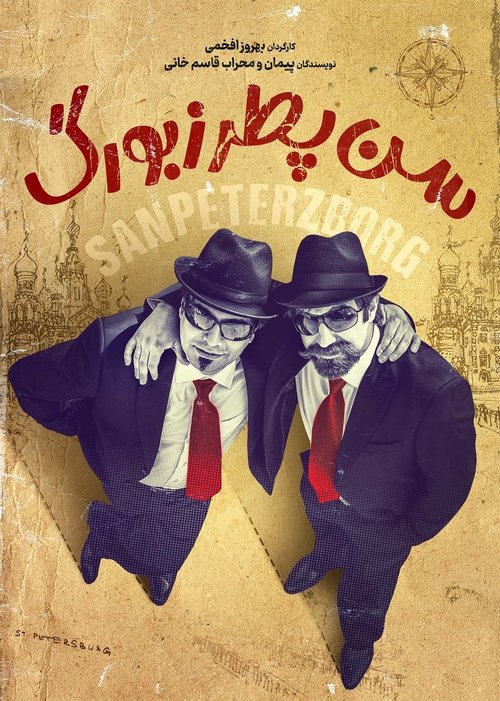
A newly released prisoner and an ostensibly rich youth become aware of the place of Tsar's long lost treasure by a twist of fate.
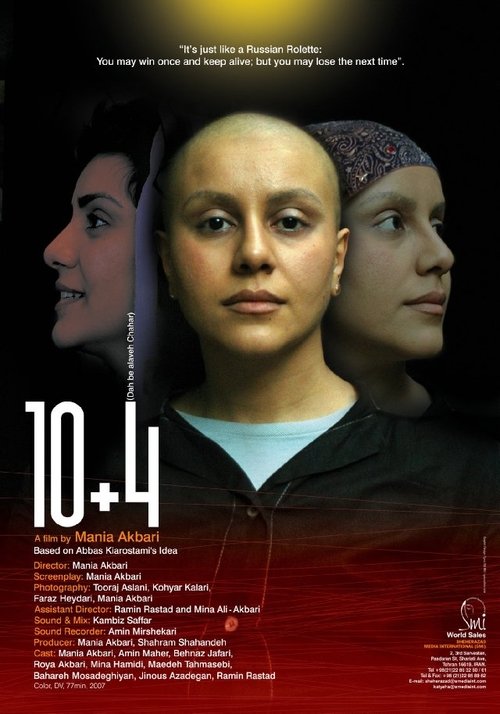
After casting painter and video artist Mania Akbari as the central figure of his groundbreaking Ten (2002), and then witnessing her outstanding debut as a feature film director in 20 Fingers (2004), Abbas Kiarostami urged her to direct a sequel to the film. In Dah be alaveh Chahar (10 + 4), though, circumstances are different: Mania is fighting cancer. She has undergone surgery; she has lost her hair following chemotherapy and no longer wears the compulsory headscarf; and sometimes she is too weak to drive. So the camera follows her to record conversations with friends and family in different spaces, from the gondola she had famously used in her first feature to a hospital bed.