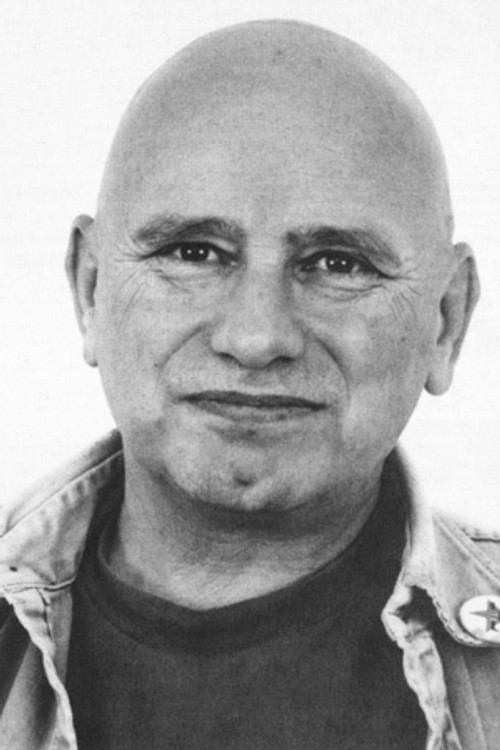
Kurt Kren
Directing
Biography
Kurt Kren was born in 1929 in Vienna, Austria from a Jewish father and a German mother. From 1939 till the end of World War II, Kren lived in Rotterdam, where he was sent to with one of the Children's Transports. In 1947 Kren returned to Vienna, and his father provided him a job at the National Bank. He began making films in 1957. 2/60 48 Köpfe Aus Dem Szondi -Test (1960) was his first serial film and 3/60 Bäume Im Herbst (1960) confirmed this structural orientation. He realized in the 1960s his most famous films with the Viennese actionists, where his skill of short film blossomed. In 1966, he took part in the « Destruction in Art Symposium » organized by Metzger in London. In 1968 he visited the USA for the first time, showing his films in New York and St. Louis. This very year he became a founder of the Austria Filmmakers Cooperative. After a participation in a happening "Kunst und Revolution" ("Art and Revolution") at the University of Vienna in 1968, Kren's films were confiscated and he was fired from the National Bank. He participated in 1970 in the International Underground Film Festival (London) and in 1971, in the Cannes Film Festival. He then moved to Cologne for five years. Retrospectives were set up by the London National Film Theatre in 1976 and the New York Museum of Modern Art in 1979. He was also involved in the Dokumenta 6 of Kassel in 1977. From 1978 to 1989, Kren lived in the USA and presented lectures for universities and schools. He did many jobs such as security officer in the Houston Museum of Fine Arts. Within this period he made his bad home movies as he used to call them inspired by his travels across the country. He finally returned to his native Vienna in 1990. He died from pneumonia in Vienna in 1998.
Known For
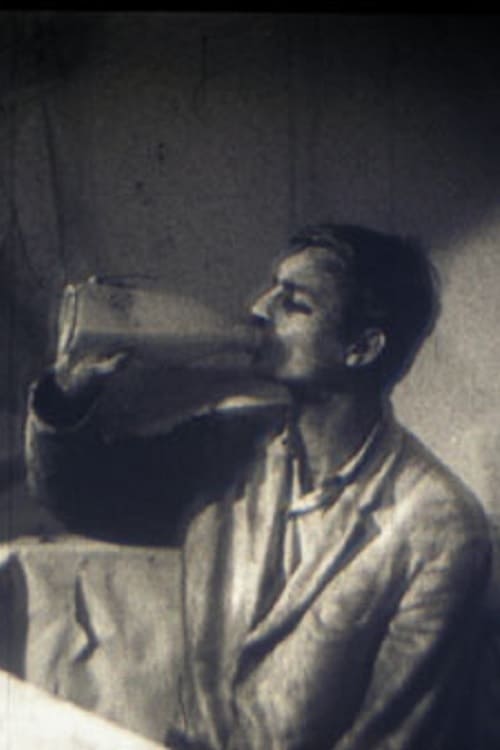
"Action" by Günter Brus. At first Kren did not want to show the film, because the image is underexposed. A copy of the negative material turned out to be better than the original material and so Kren did show the film. The film's title relates to Brus' use of silver paper for his action.
10b/65: Silver – Action Brus
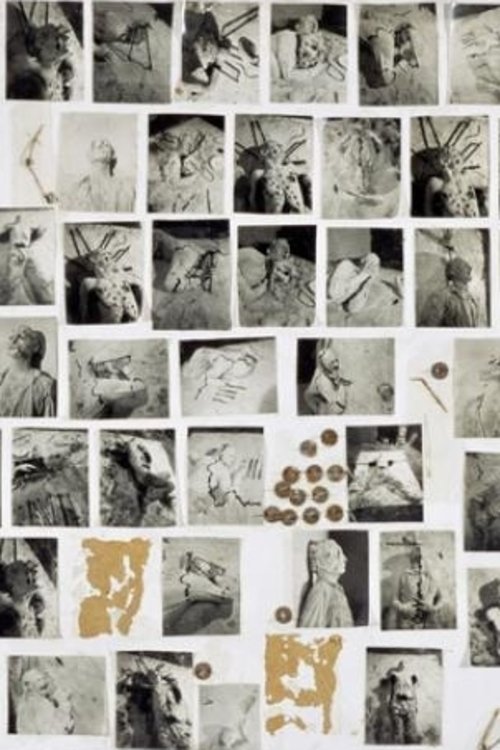
Four men, one woman and a cat in a room. The men drink and discuss. Things get a bit violent. The masochist acts out his desires by himself. Random fuss and sex occurs. Suddenly the woman gets her baby to change diapers. Odd things around the child. The cat gets abused. This is Otto Muehl going Fassbinder.
Amore - Aktion mit einem Masochisten
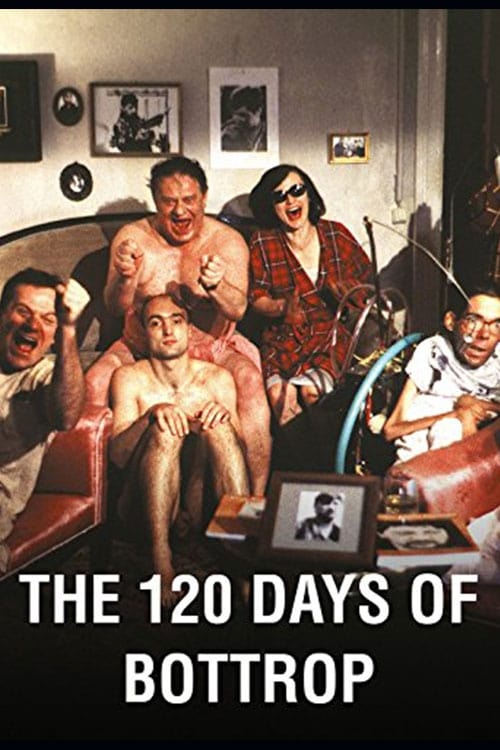
An eccentric homage to the Rainer Werner Fassbinder days of German filmmaking.
The 120 Days of Bottrop
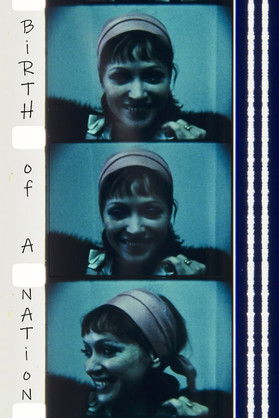
Jonas Mekas assembles 160 portraits, appearances, and fleeting sketches of underground and independent filmmakers captured between 1955 and 1996. Fast-paced and archival in spirit, the film celebrates the avant-garde as its own “nation of cinema,” a vital community existing outside the dominance of commercial film.
Birth of a Nation
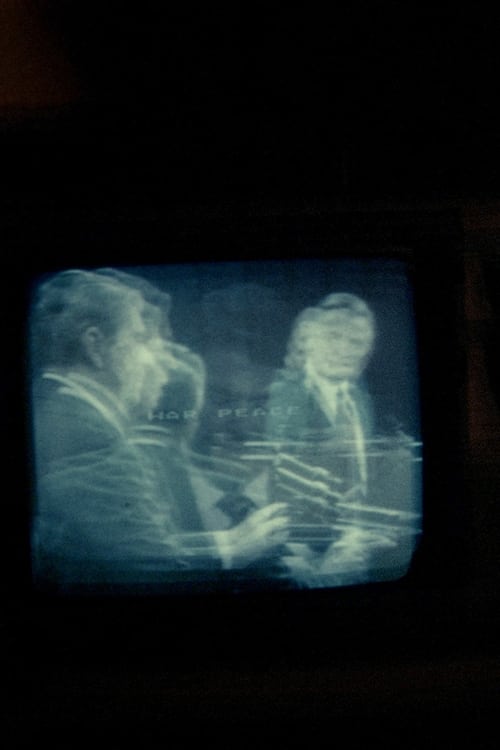
Kurt Kren recorded the last television debate in the Reagan/Mondale election campaign. In the viewfinder, the television filled the entire picture, but the viewfinder did not match the lens entirely so that the television screen in the picture was very little. That was not the plan, but Kren decided to "adopt" the film in the end.
43/84: 1984
Kren filmed, in microscopic detail the reflection and refraction of the light in/on a glass bottle. However, the bottle itself (the whole body) is never seen. What is seen is much more the emanations of light from the glass and its clarity. (Michael Palm)
17/68: Green-red
This three-minute film was far more akin to the American-style "happening" in that the content was not particularly extreme. It was built up from items such as broken bicycle parts, a nude model, pieces of furniture, and these elements were then obscured or transformed by having a layer of paint thrown on them.
8/64: Ana - Action Brus
A kind of home movie made in Brus' apartment. Brus' Christmas wishes can be seen on a poster which he painted and which he holds for a short time in front of the camera.
10c/65: Brus Wishes You a Merry Christmas
The first embodiment of (a) concept of structural activity in cinema comes in Kren's Bäume im Herbst, where the camera as a subjective observer is constrained within a systematic or structural procedure, incidentally the precursors of the most structuralist aspect of Michael Snow's later work. In this film, perception of material relationships in the world is seen to be no more than a product of the structural activity in the work. Art forms experience.
3/60: Trees in Autumn
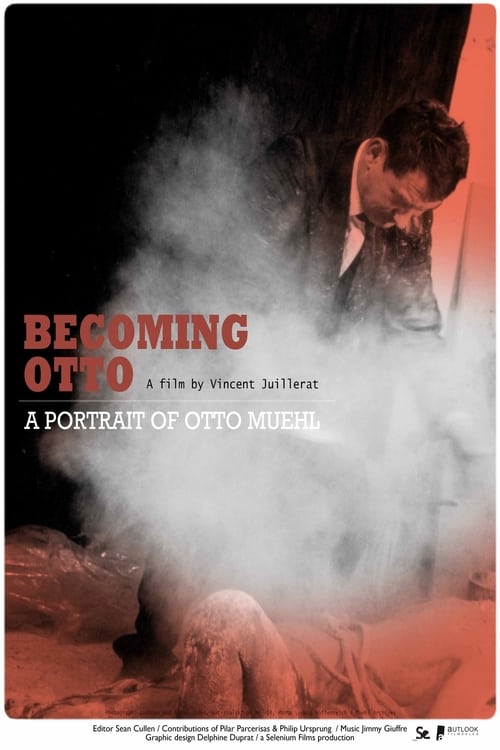
A portrait of the Austrian avant-garde artist Otto Mühl/Muehl (1925-2013), whose work combined sex, violence, gastronomy and bodily effluence with unbridled abandon.
Becoming Otto
Kren's second film and the first he cut according to a strictly serial, sequence technique: in various frame sizes, the 48 portraits from the Szondi Test for "experimental diagnosis of human impulses" are shown in pre-specified lengths (between one and eight frames).
2/60: 48 Heads from the Szondi-Test
Home movies shot on Super 8mm by W+B Hein over 10 years.
Home Movies 1971-81
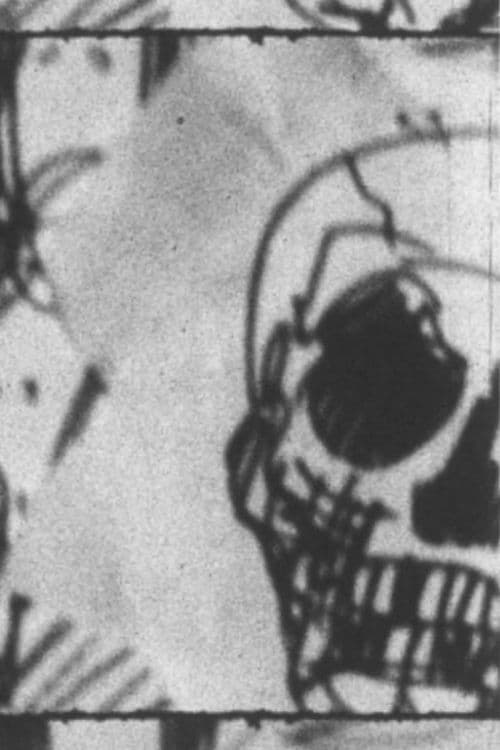
On the 28th of October 1884 Daniel Paul Schreber, candidate of the National Liberal Party in Chemnitz, suffered a heavy defeat at the elections of the German Reichstag. He was taken up in the mental clinic of the Leipzig University soon afterwards. To his rehabilition he wrote an extensive piece of work, "Denkwürdigkeiten eines Nervenkranken" (Memoirs of My Nervous Illness), which was published in 1903 and led to his temporary dismissal. Hereby Schreber became the most quoted psychiatric patient in scientific literature. The third part was realized by Peter Tscherkassy based on a concept by Ernst Schmidt Jr.
Memoirs of My Nervous Illness, Part 3
The film uses slides - photographic planes - which show different surfaces and finishes of a wall, which have been erroded by time. Kren stacks the positives and negatives of these pictures quickly one after the other, so that a moving relief-type structure develops through this combination of "two eyes." A mysterious ambiguous image manifests itself before us, surrounded by all kinds of possible mythological connotations. What is there to see?
4/61: Walls Pos.-Neg. and Way
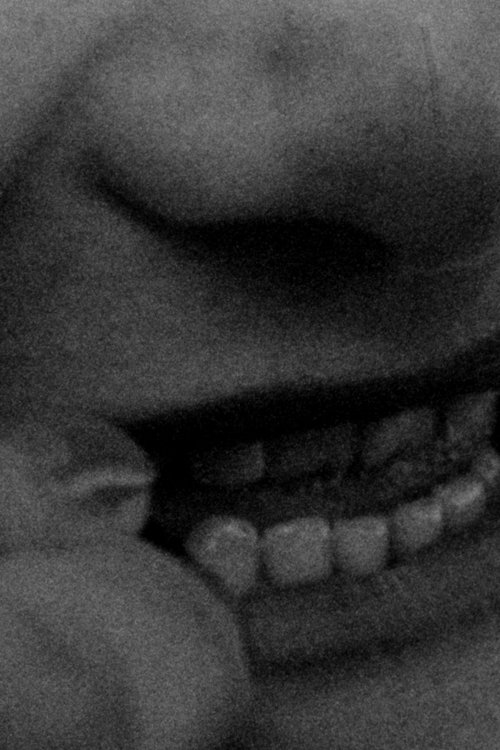
A "stroll" at various locations: the St. Marx Cemetery, the Prater park, Carnuntum. We see people taking walks, construction workers, people flying model planes and other little observations. Kren also used a short segment of found footage in colour which shows a woman in a bikini.
Das Walk
Documentary by Hans Scheugl on Kurt Kren.
No Danube - Kurt Kren and His Films
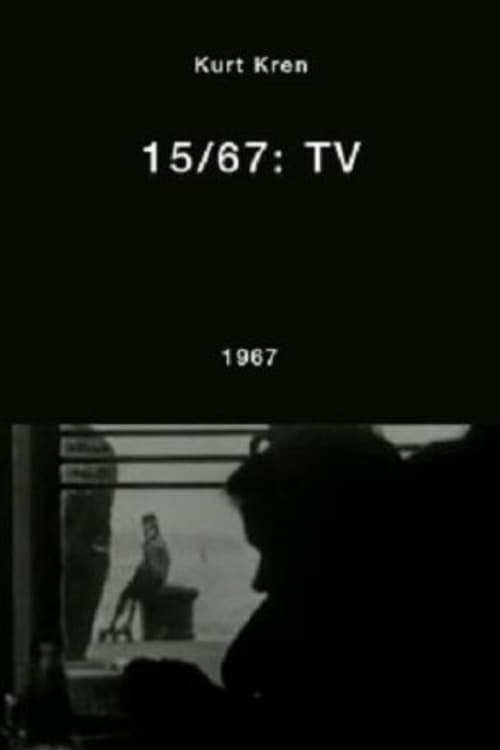
Kren frames the image to suggest a proscenium, with a view to the harbor that conveys a literal sense of “tele-vision”. The static framing of the image and the clearly stratified mise-en-scène can hardly provoke interpretation. The sight of the girls does so all the more. Kren, the gentle voyeur - who turns the viewer into a secret accomplice - observes three teenagers, and probably like them, awaits a rendezvous. (Thomas Trummer)
15/67: TV
Sinus Beta is almost a sort of teaching film about bodily behavior in different situations. The film also produces, through the heterogenic photographic materiality of the primary elements, a cross-section of the methods, used in capturing the body in a still photograph. (Mubi)
13/67: Sinus Beta
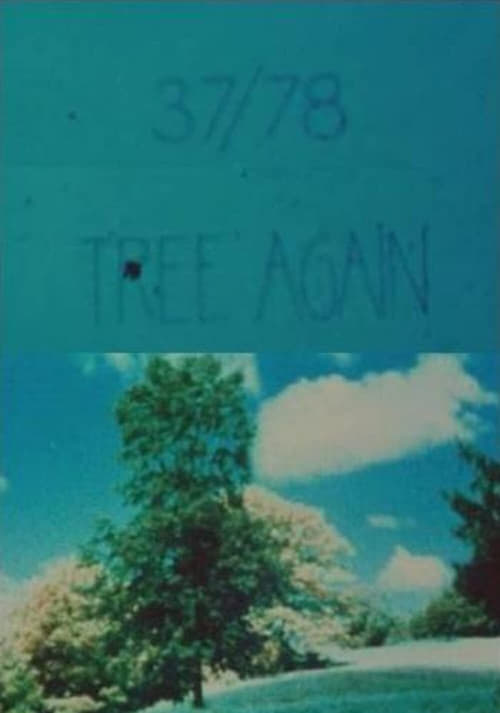
At the center are takes which do not change - a tree in a field in Vermont, U.S.A. Since the film was shot over a period of fifty days, the single frame shots create a storm of pictures.
37/78: Tree Again
A collage of many visuals. A man urinates; a man has a drink. A man defecates; someone eats a meal. 16/67 September 20: ‘The Eating Drinking Shitting Pissing Film'.