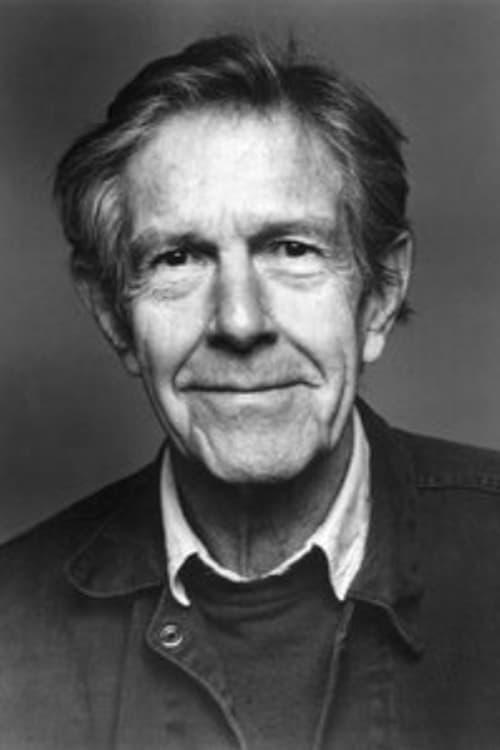
John Cage
Acting
Biography
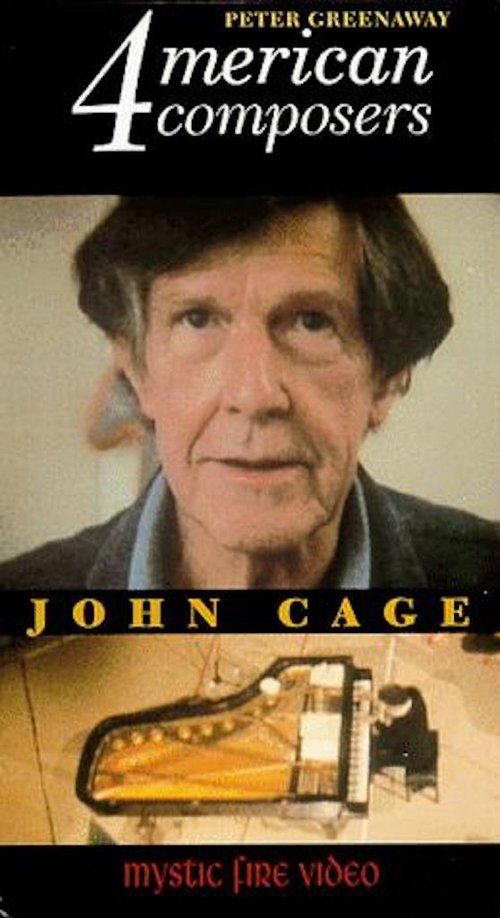
John Milton Cage Jr. was an American composer, music theorist, artist, and philosopher. A pioneer of indeterminacy in music, electroacoustic music, and non-standard use of musical instruments, Cage was one of the leading figures of the post-war avant-garde.
Known For

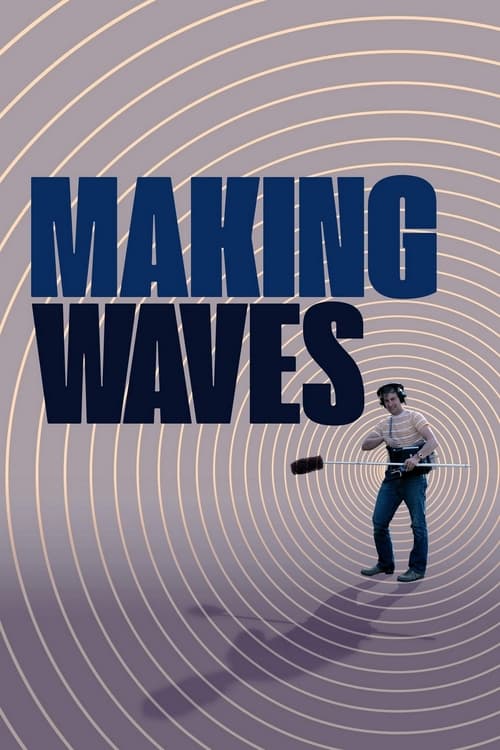
The history of cinematic sound, told by legendary sound designers and visionary filmmakers.
Making Waves: The Art of Cinematic Sound

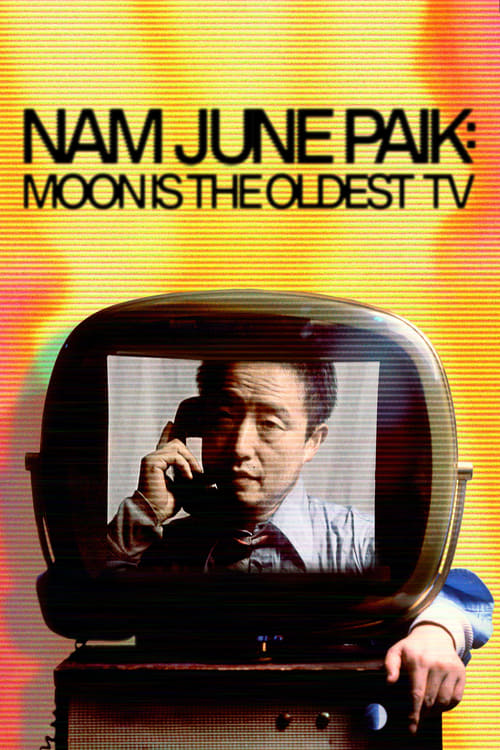
The quixotic journey of Nam June Paik, one of the most famous Asian artists of the 20th century, who revolutionized the use of technology as an artistic canvas and prophesied both the fascist tendencies and intercultural understanding that would arise from the interconnected metaverse of today's world.
Nam June Paik: Moon Is the Oldest TV

"Symphony of the Invisible" is a reflection on creation and how through art, poetry and images you can break the limits that have been imposed on language and life itself.
Symphony Of The Invisible

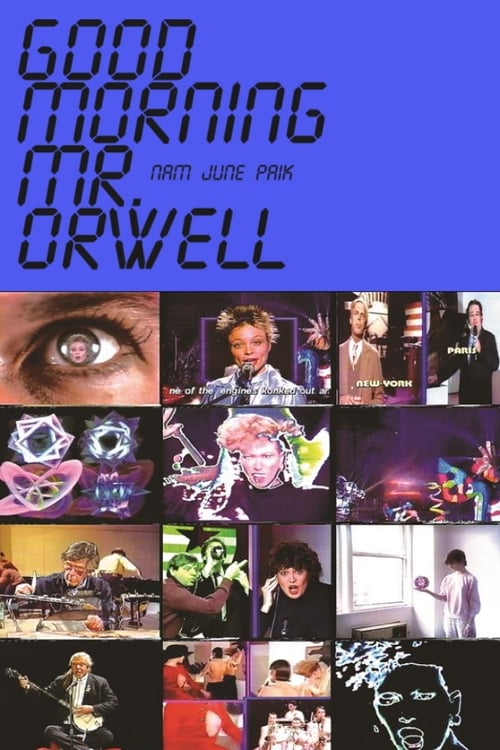
In his book "1984", George Orwell saw the television of the future as a control instrument in the hands of Big Brother. Right at the start of the much-anticipated Orwellian year, Paik and Co. were keen to demonstrate satellite TV's ability to serve positive ends-- Namely, the intercontinental exchange of culture, combining both highbrow and entertainment elements. A live broadcast shared between WNET TV in New York and the Centre Pompidou in Paris, linked up with broadcasters in Germany and South Korea, reached a worldwide audience of over 10 or even 25 million (including the later repeat transmissions).
Good Morning, Mr. Orwell

Godard blends elements of literature, cinema and other artistic medias from different historical periods in order to make a stance on how words can be subverted and manipulated to many different contexts, sometimes bearing a similar significance to the original material or even creating an alternate context.
The Power of Speech

Global Groove was a collaborative piece by Nam June Paik and John Godfrey. Paik, amongst other artists who shared the same vision in the 1960s, saw the potential in the television beyond it being a one-sided medium to present programs and commercials. Instead, he saw it more as a place to facilitate a free flow of information exchange. He wanted to strip away the limitations from copyright system and network restrictions and bring in a new TV culture where information could be accessed inexpensively and conveniently. The full length of the piece ran 28 minutes and was first broadcasted in January 30, 1974 on WNET.
Global Groove

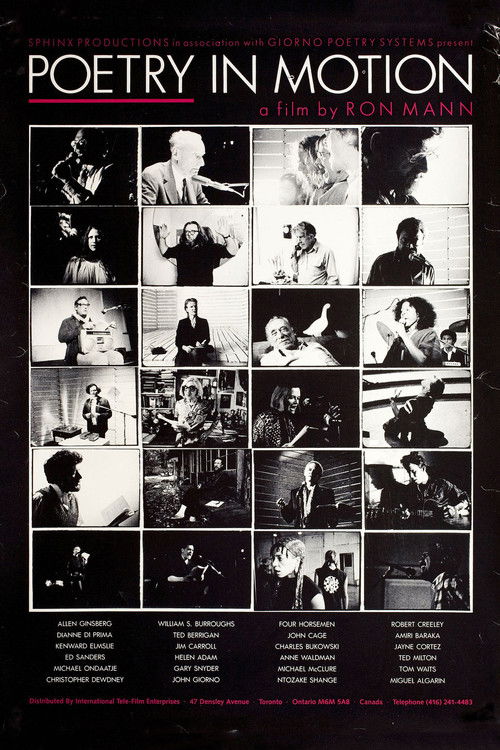
More than 20 contemporary North American poets recite, sing, and perform their work. Early in the film, Charles Bukowski talks about the energy of poets and of a poem. These poets are the children of Walt Whitman and of Charles Olson, incantatory and oratorical, radical, sometimes incorporating contemporary political imagery. Black Mountain poets, the Beats, minimalists like John Cage, the wordless Four Horsemen, Tom Waits, and others capture aspects of poets as troubadours.
Poetry in Motion

During this critical decade in American life, artists built on the styles of the 1950s. An explosion of artistic energy produced Pop Art, Minimalism, color-field painting, and hard-edged abstraction. Sculptors and painters on both coasts explored new methods and new subject matter. American Art in the Sixties examines the key figures of that decade including Rauschenberg and Johns, two crucial transitional figures between Abstract Expressionism and the sensibilities of the new decade. The art of that time mirrors the optimism and the affluence, and the technology and the vulgarity of those boom years.
American Art in the 1960s

This 56-minute documentary on America's most controversial and unique composer manages to cover a great many aspects of Cage's work and thought. His love for mushrooms, his Zen beliefs and use of the I Ching, and basic bio details are all explained intelligently and dynamically. Black Mountain, Buckminster Fuller, Rauschenberg, Duchamp are mentioned. Yoko Ono, John Rockwell, Laurie Anderson, Richard Kostelanetz make appearances. Fascinating performance sequences include Margaret Leng-Tan performing on prepared piano, Merce Cunningham and company, and performances of Credo In Us, Water Music, and Third Construction. Demystifies the man who made music from silence, from all sounds, from life.
John Cage: I Have Nothing to Say and I Am Saying It

A compilation of avant-garde artwork and talent of the mid to late 20th century hosted by Ryuichi Sakamoto.
All Star Video

This is the debut documentary made by Alexis Krasilovsky, author of "Women Behind The Camera" (Praeger, 1997). Shot on 16mm in 1971, the film covers much of the New York avant-garde of the time.
End of the Art World

Resurrected through UK-led archival restoration NOVA 78' shows never-before-seen footage of the legendary Nova Convention where William Burroughs, Patti Smith, Zappa, Ginsberg and more collided in an explosion of ideas, art and rebellion.
Nova '78

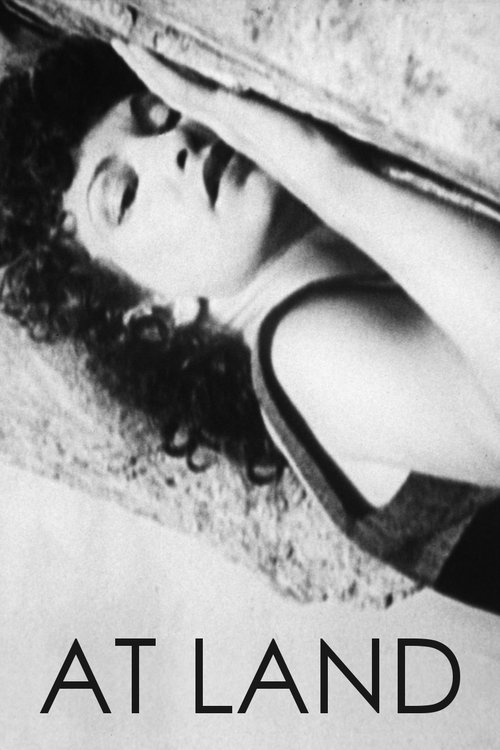
A woman washes up on a beach and embarks on a surreal journey, encountering others and fragmented versions of herself in a quest for identity.
At Land

In February 2013, the New World Symphony presented Making the Right Choices: A John Cage Centennial Celebration, a spectacular three-day festival dedicated to the music and ideas of John Cage. As part of the festival, NWS hosted a new video installation entitled NWS: 4’33″, created by New York-based composer, director, performer and recording artist Mikel Rouse; which consisted of video performances contributed by Cage fans via a special YouTube site set up by Rouse. The public was invited to record and submit their own video, and visit the installation during the festival to see their work in the SunTrust Pavilion at the New World Center. These videos will be included in an online Archive of the event, a lasting tribute to this defining and seminal artist.
Video Wall Installation of John Cage’s 4’33″

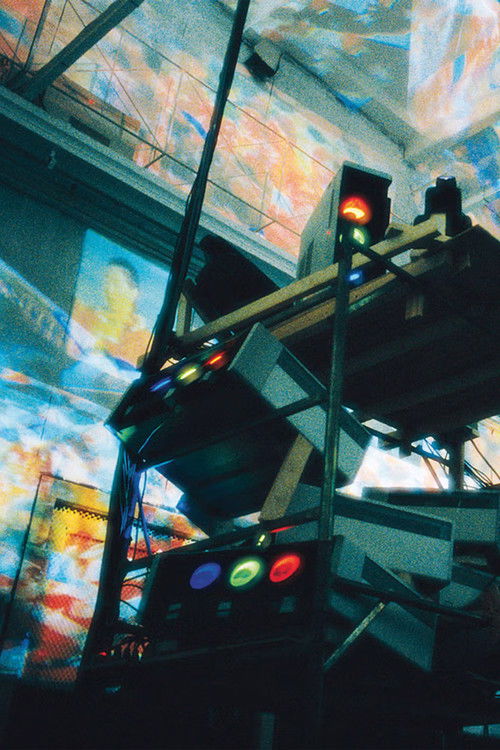
Sistine Chapel is an audio-visual collage of new footage and samples from Paik’s past videos, which featured many of his friends, collaborators, and public figures. It was Paik’s own way of summarizing his artistic career with video. The film installation consists of fast-paced and overlapping images that completely cover the gallery walls and ceiling—one of the most under-appreciated parts of architecture, according to Paik. With its electronic visuals and booming audio, interspersed with periods of silence, the immersive installation stands in stark contrast to the experience of its namesake.
Sistine Chapel

An attempt to bring the work of surrealist artists to a wider public. The plot is that of an average Joe who can conjure up dreams that will improve his customer's lives. This frame story serves as a link between several avant-garde sequences created by leading visual artists of their day, most of whom were emigres to the US during WWII.
Dreams That Money Can Buy
Present in nearly all cultures and used for many purposes, drums have unique shapes, sounds, names and accents in each region of the world. Behind this vast legacy are individuals who play them and are touched by these ancestral instruments. From the rare budimas used by Tonga people in Zambia to the large drums of the Chinese temples, from the religious festivals of Brazil to the rhythmic richness of the Arab World, these men and women keep this tradition alive.
Drums

This film includes important examples of the Robert Rauschenberg's diverse and extraordinary accomplishments, tracing his development from his student years and his earliest experiments to a retrospective of his work at the Museum of Modern Art in New York. It features Rauschenberg, John Cage and Merce Cunningham, and was released in 1979.
Robert Rauschenberg: Retrospective

Trying to describe oneself is a movie about representation. How it is possible, through film, to describe oneself and describe others. With the camera as mirror and third eye. At first, a collage-like combination of letter-writing, investigation and journey, something between documentary and feature film. Finally, a portrait of Boris Lehman from 1989 to 1995, part II of BABEL.
Trying to Describe Oneself

In the late 1950's, Jasper Johns emerged as force in the American art scene. His richly worked paintings of maps, flags, and targets led the artistic community away from Abstract Expressionism toward a new emphasis on the concrete