Louis de Funès
Acting
Biography
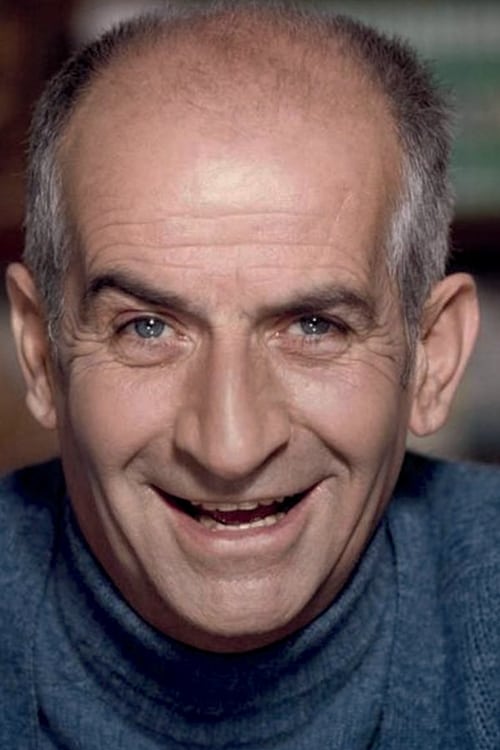
Louis Germain David de Funès de Galarza (French: [lwi d(ə) fynɛs]; 31 July 1914 – 27 January 1983) was a French actor and comedian. According to a series of polls conducted since the late 1960s, he is France's favourite actor, having played over 150 roles in film and over 100 on stage. His acting style is remembered for its high-energy performance and his wide range of facial expressions and tics. A considerable part of his best-known acting was directed by Jean Girault. The larger-than-life, conservative petit bourgeois characters he played, who typically kissed up to authority while persecuting their subordinates, particularly resonated with the changing Western societies of the 1960s and drove him to success. Yet in private life, De Funès was a notoriously shy and reserved man, and a devout Catholic. One of the most famous French actors of all time, Louis de Funès remains to this day the most bankable actor in French cinema history. He enjoys widespread international recognition: in addition to his immense fame in the French-speaking world, he remains a household name throughout most of continental Europe including the former Eastern Bloc, the former Soviet Union, as well as Iran, Turkey, and Israel. Despite this international popularity, Louis de Funès remains an obscure figure in the English-speaking world. He was exposed to a wider audience only once in the United States, in 1973, with the release of The Mad Adventures of Rabbi Jacob, which is best remembered for its Rabbi Jacob dance scene and was nominated for a Golden Globe Award. De Funès has two museums dedicated to his life and acting: one in the Château de Clermont, near Nantes, where he resided, as well as another in the town of Saint-Raphaël, Southern France. Description above from the Wikipedia article Louis de Funès, licensed under CC-BY-SA, full list of contributors on Wikipedia.

Known For

No description available.
Champs-Elysées

No description available.
Sacrée soirée

A talk show presented by Michel Drucker
Les Rendez-vous du dimanche

A French variety show.
Numéro un

Le Grand Échiquier is a French variety television program created and presented by Jacques Chancel. It aired at 8:30 pm on the first channel of the ORTF from January 12, 1972 to July 12, 1972, then on the second color channel of the ORTF from September 1972 to December 1974, and finally on Antenne 2 from January 1975 to December 21, 1989. The program returned to France 2 on December 20, 2018 and is hosted by Anne-Sophie Lapix.
Le Grand Échiquier
No description available.
Midi trente

No description available.
Cinépanorama
V.I.P.-Schaukel is a 45 minute documentary-family-news-talk show starring Margret Dünser as Host. The series premiered on Sun May 09, 1971 on ZDF and Folge 37 - Final Show last aired on Fri May 09, 1980.
V.I.P. Schaukel

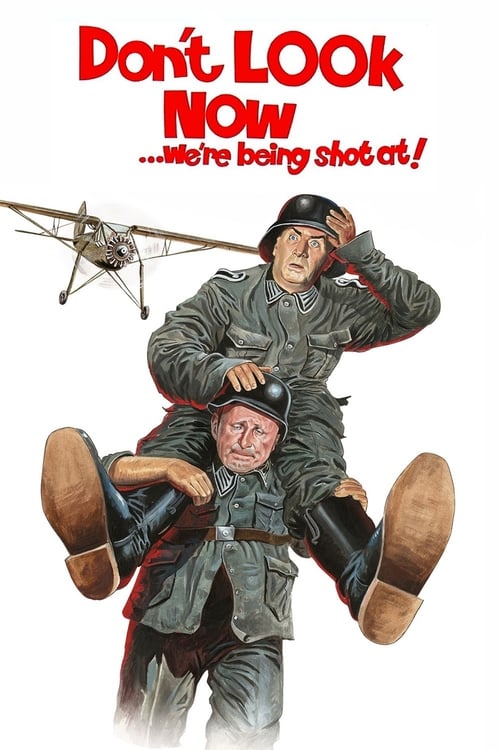
During World War II, two French civilians and a downed British Bomber Crew set out from Paris to cross the demarcation line between Nazi-occupied Northern France and the South. From there they will be able to escape to England. First, they must avoid German troops – and the consequences of their own blunders.
Don't Look Now... We're Being Shot At!

Monsieur Bosquier, the owner of a private school, is far from pleased when his eldest son, Philippe, fails his end of year exams. He decides to send his wayward offspring to England to improve his English. In exchange, Philippe’s host, a wealthy whisky distiller, Mac Farrel, will send his daughter, Shirley, to live with the Bosquiers in France. However, Philippe has already decided to spend the summer holidays on a yacht with his friends, so he sends a fellow student, Michonnet, to England in his place. The deception is soon discovered but things go from bad to worse when Philippe and Shirley fall in love and fly to Scotland to get married...
The Exchange Student

No description available.
Cadet Rousselle

No description available.
Am laufenden Band

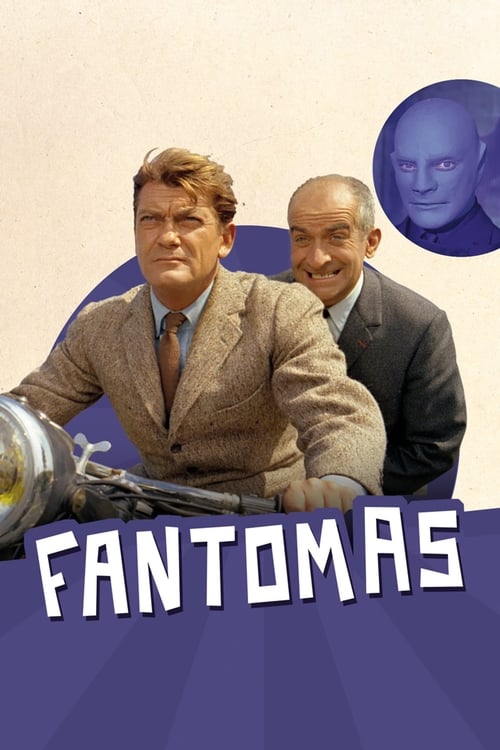
Fantômas is a man of many disguises. He uses maquillage as a weapon. He can impersonate anyone using an array of masks and can create endless confusion by constantly changing his appearance.
Fantomas

In this riot of frantic disguises and mistaken identities, Victor Pivert, a blustering, bigoted French factory owner, finds himself taken hostage by Slimane, an Arab rebel leader. The two dress up as rabbis as they try to elude not only assasins from Slimane's country, but also the police, who think Pivert is a murderer. Pivert ends up posing as Rabbi Jacob, a beloved figure who's returned to France for his first visit after 30 years in the United States. Adding to the confusion are Pivert's dentist-wife, who thinks her husband is leaving her for another woman, their daughter, who's about to get married, and a Parisian neighborhood filled with people eager to celebrate the return of Rabbi Jacob.
The Mad Adventures of Rabbi Jacob

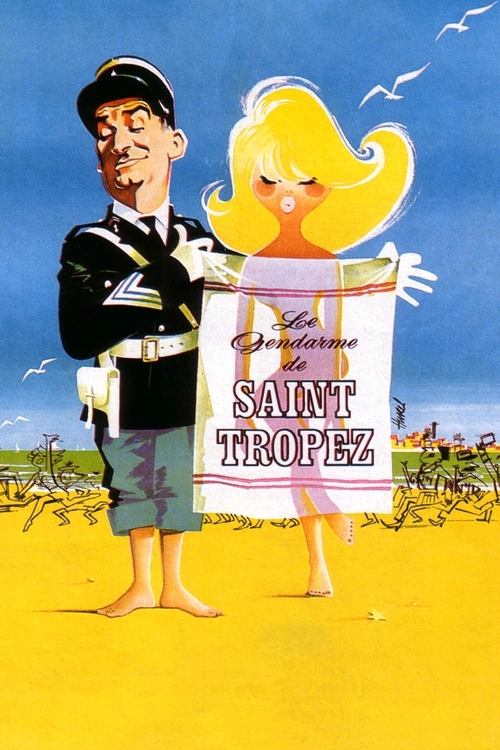
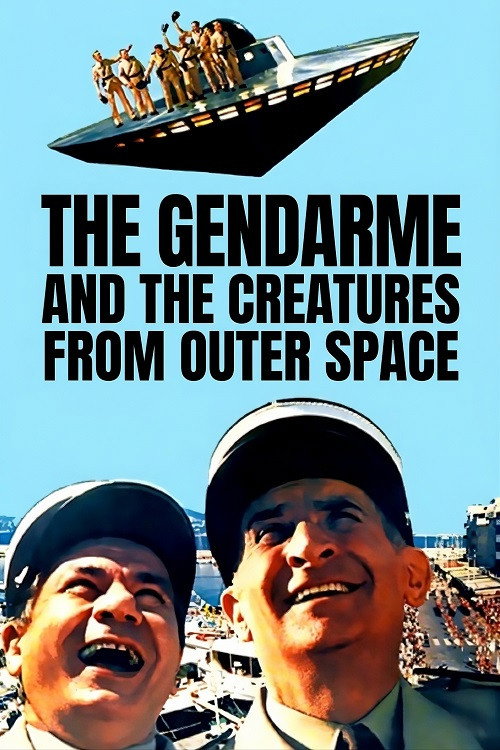
The ambitious police officer Cruchot is transferred to St. Tropez. He's struggling with crimes such as persistent nude swimming, but even more with his teenage daughter, who's trying to impress her rich friends by telling them her father was a millionaire and owned a yacht in the harbor.
Le Gendarme de Saint-Tropez

This film originated as a play in Paris. The story focuses on the one-day adventures of Bertrand Barnier played with a genius of French cinema, Louis de Funes. In the same morning he learns that his daughter is pregnant, an employee stole a large amount of money from his company, his maid is about to resign in order to marry a wealthy neighbor and his body builder is interested in marrying his daughter. The seemingly complicated story-line is full of comedy or errors and some of the most hilarious mime scenes of the French cinema.
Oscar

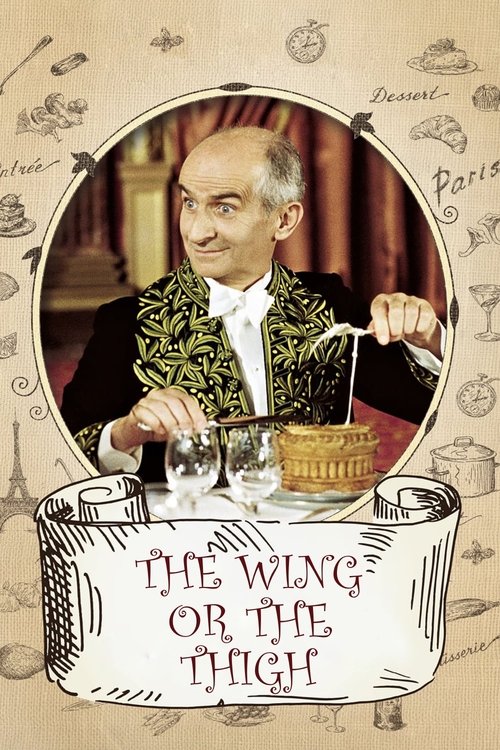
A great French restaurant's owner, Monsieur Septime, is thrust into intrigue and crime, when one of his famous guests disappears.
The Restaurant

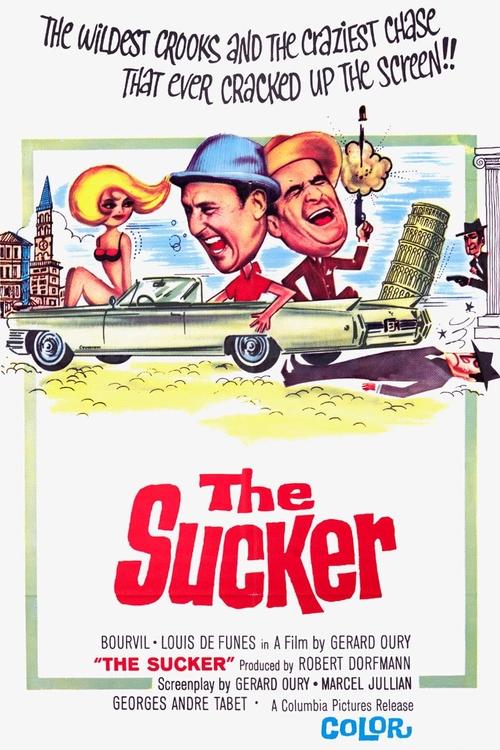
In this Franco-Italian gangster parody, a shopkeeper on his way to an Italian holiday suffers a crash that totals his car. The culprit can only compensate his ruined trip by driving an American friend's car from Naples to Bordeaux, but as it happens to be filled with such contraband as stolen money, jewelry and drugs, the involuntary and unwitting companions in crime soon attract all but recreational attention from the "milieu".
The Sucker

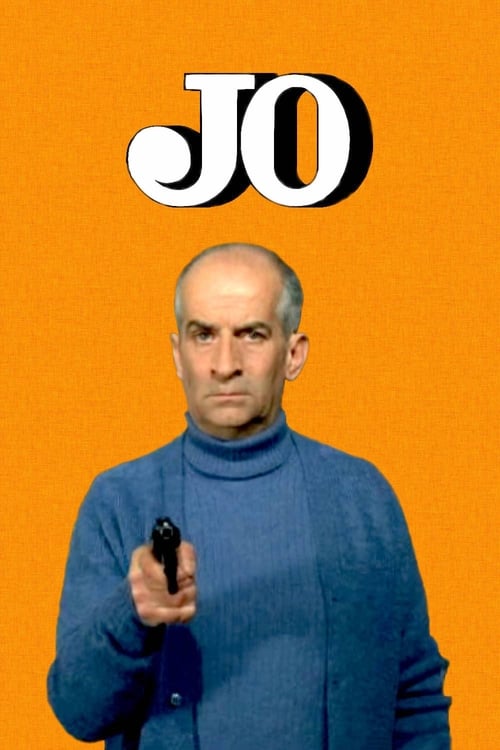
A writer accidentally shoots his blackmailer and tries to hide the body.
Jo

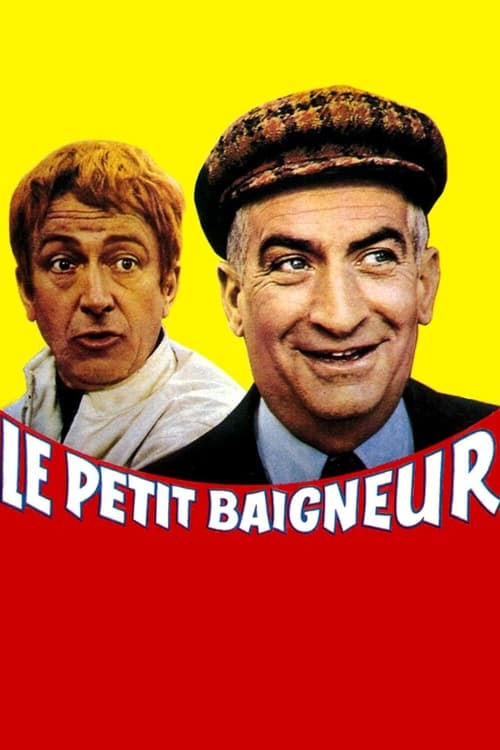
Louis-Philippe Fourchaume, another typical lead-role for French comedy superstar Louis de Funès, is the dictatorial CEO of a French company which designs and produces sail yachts, and fires in yet another tantrum his designer André Castagnier, not realizing that man is his only chance to land a vital contract with the Italian magnate Marcello Cacciaperotti. So he has to find him at his extremely rural birthplace in 'la France profonde', which proves a torturous odyssey for the spoiled rich man; when he does get there his torment is far from over: the country bumpkin refuses to resume his slavish position now the shoe is on the other foot, so Fourchaume is dragged along in the boorish family life, and at times unable to control his temper, which may cost him more credit then he painstakingly builds up...