Tatsushi Ōmori
Directing
Biography
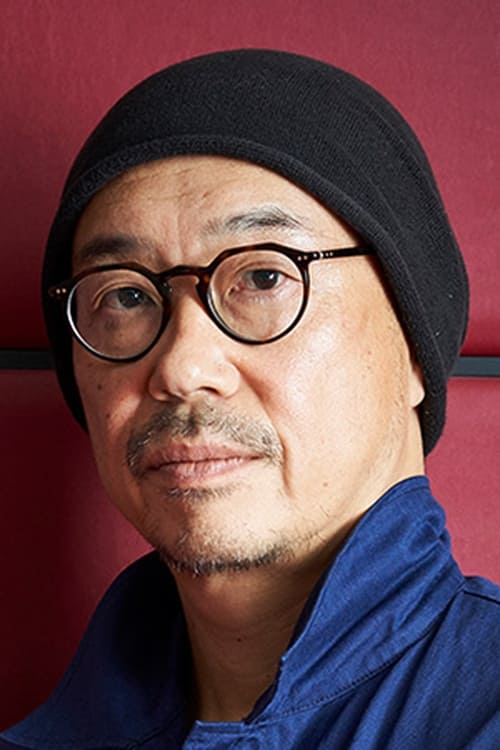
Tatsushi Ōmori (大森立嗣, Ōmori Tatsushi, born 4 September 1970) is a Japanese film director and actor. He's the eldest son of famous actor and butoh dancer Akaji Maro. He's the oldest brother of actor Nao Ōmori.
Known For

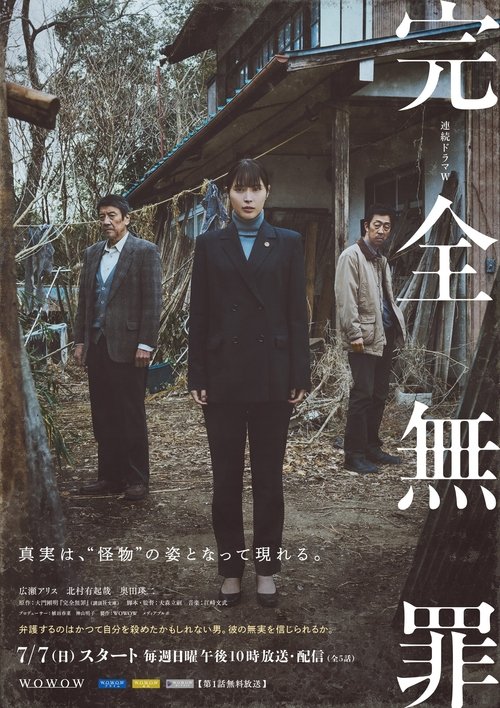
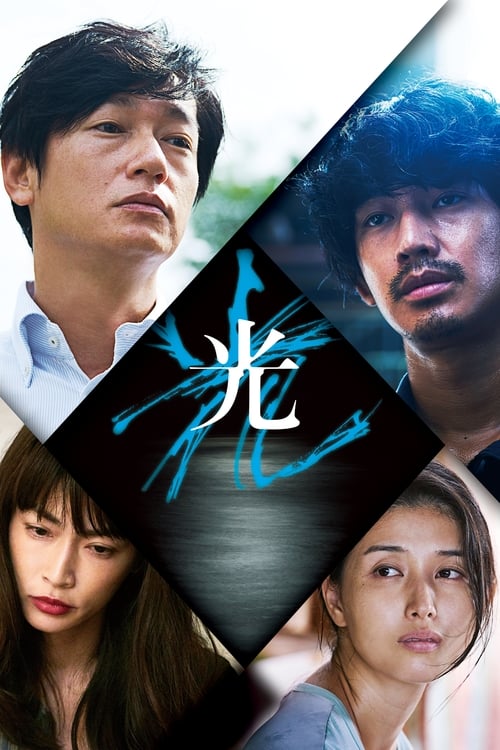
A lawyer is selected to be in charge of a retrial for a case surrounding the abduction and murder of a girl in Kagawa Prefecture 21 years prior. At around the same time, another kidnapping case arises in which a young girl is also abducted with no charges being filled, making Chisa one of the victims. With this, she sets foot in her hometown of Kagawa for the first time in 10 years and, with the help of her colleague, reinvestigates the incident that had occurred at the time, where there is a high possibility that the perpetrator was responsible for the same incident, having Chisa confront the suspect who may have once tried to kill her in order to uncover the truth behind the incident.
Kanzen Muzai

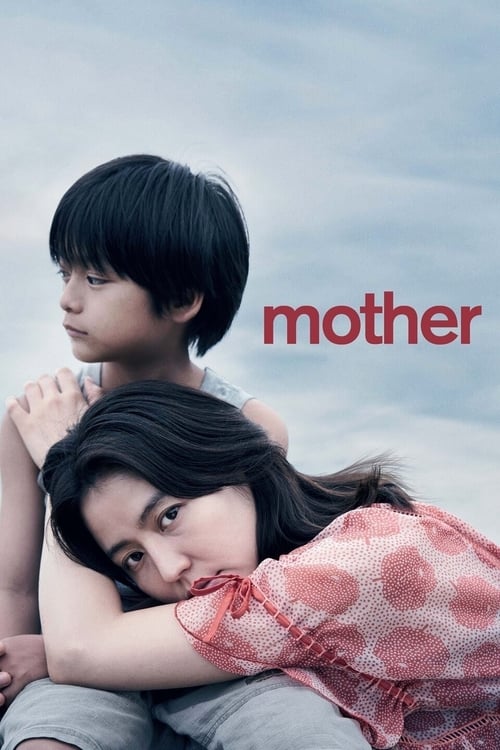
Shuhei is leading a tough life. His alcoholic mother Akiko can only hook up with bad guys and order Shuhei to go get money from his disapproving grandparents instead of going to school. Except raising the little half-sister, his rock-bottom life seems to have no end.
MOTHER

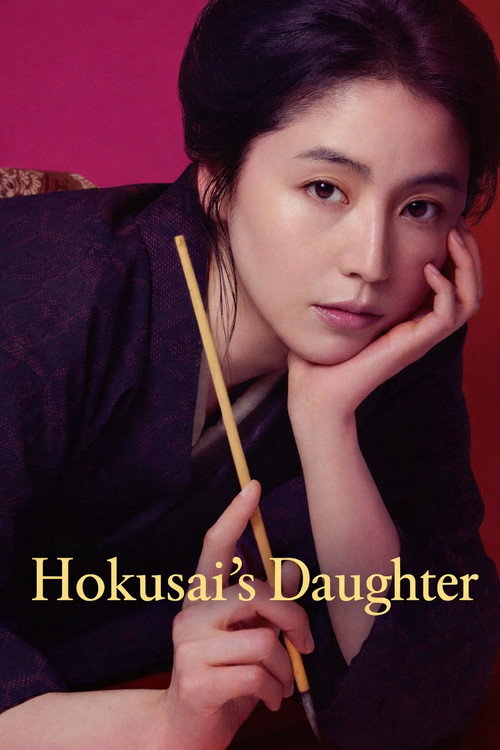
The life of Katsushika Oi, daughter of Hokusai and a trailblazing female artist in Japan.
Hokusai's Daughter

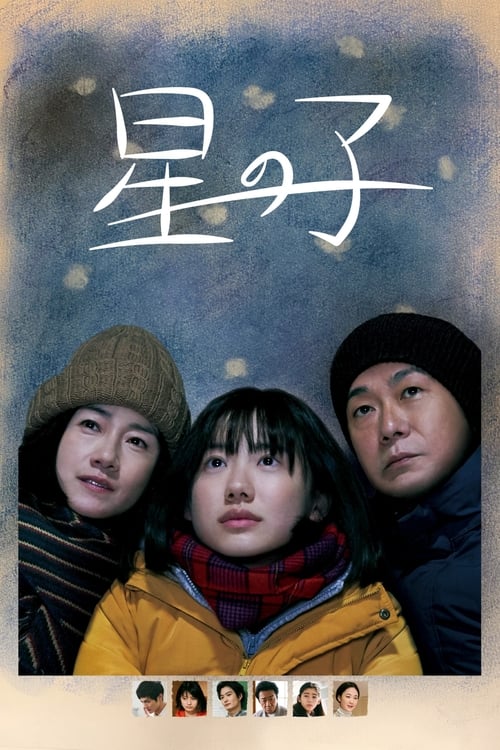
When Chihiro was a baby, she suffered from eczema. Her parents tried to find a cure, but nothing worked. Her father's co-worker then gave him some water from a strange religious group. Chihiro was miraculously cured by the water. Her parents began to follow the strange religion and became fervent followers. Chihiro is now in the 3rd grade of middle school and she faces changes in her life.
Child of the Stars

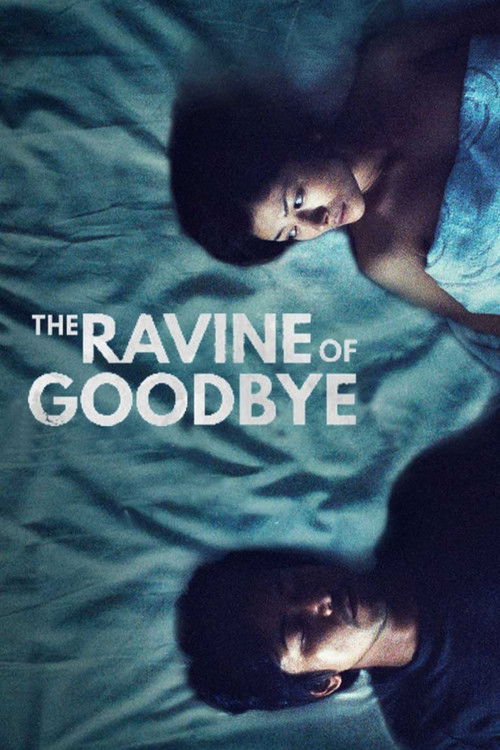
In a valley, with a dense growth of trees, a baby is killed. The baby's mother Satomi is arrested as the prime suspect. The police also learn that Satomi is involved in a romantic relationship with her next door neighbor Ozaki. The information was provided by the neighbor's lover Kanako.
The Ravine of Goodbye

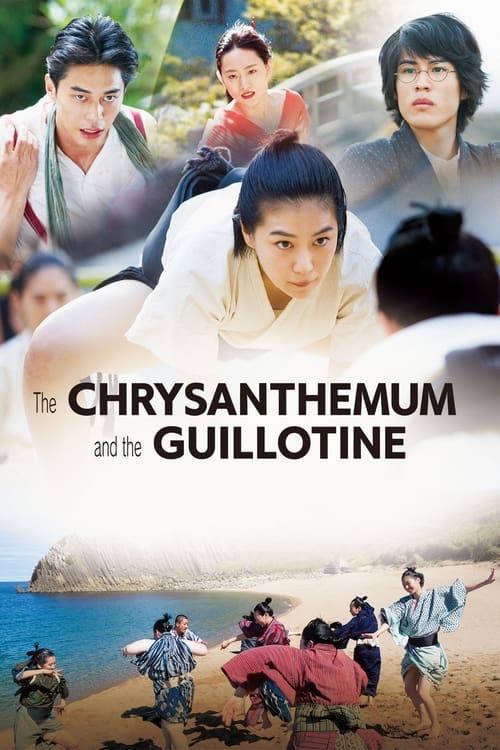
In the wake of the social unrest caused by the 1923 Great Kanto Earthquake, two female sumo athletes, Kiku and Tokachi, and an anarchist group called the Guillotine Society, spark an unlikely connection.
The Chrysanthemum and the Guillotine

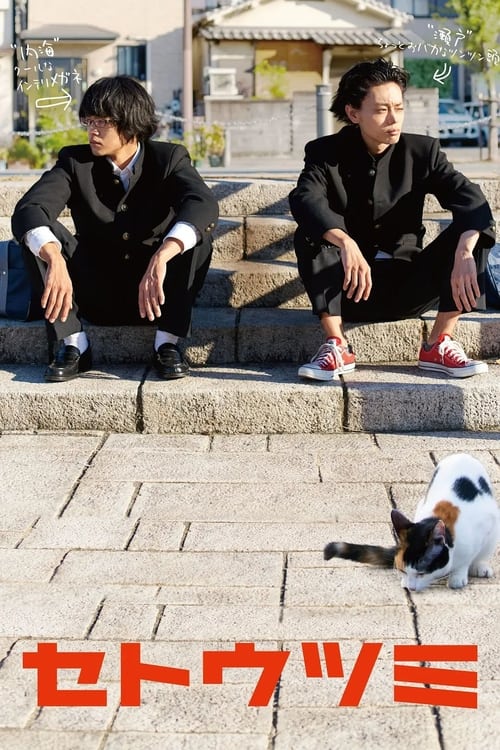
Utsumi and Seto's daily routine is to spend their afterschool hours just jabbering with one another along a riverbed. Getting excited over trivial word play, agonizing over the content of an email to be sent to a girl, and, at times, talking about a serious problem, the two endlessly engage in meaningless idle talk as if it were meaningful.
Seto and Utsumi

Set within the fictional city of Mahoro, Keisuke Tada runs a "benriya" - a general problem solver for hire. His assistant is his former high school classmate Haruhiko Gyoten. A big crisis then occurs for them.
Disconcerto

A Crowd of Three tells the story of two men, Kenta & Jun, who grew up as almost brothers at a children's facility. Kenta & Jun now works as part of a demolition crew but become fed up with their jobs. The friends then decide to take a road trip up north to visit Kenta's brother at the Abashiri prison.
A Crowd of Three

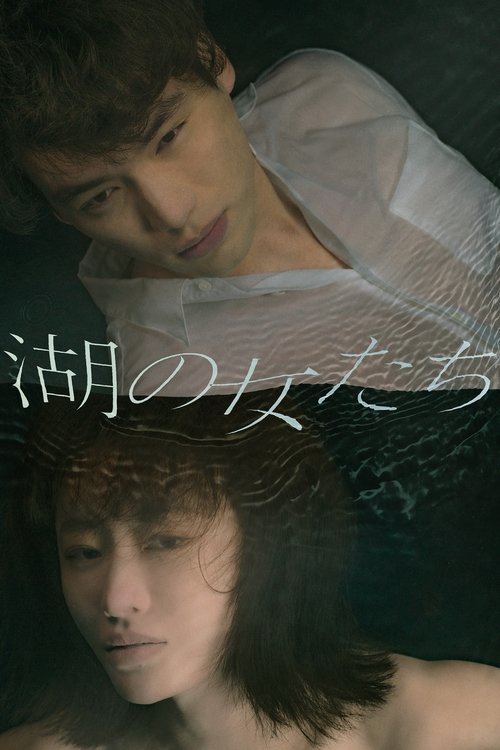
A 100-year-old resident of a Lake Biwa nursing home dies mysteriously. Did a respirator keeping him alive suddenly malfunction, or was he murdered? A young detective on the case meets a female caregiver. The investigation runs into a dead end, but the two fall into a passionate but forbidden relationship. Terrifying memories emerge from the vast, deep lake to ensnare the detectives on the case, the caregivers, and a reporter trying to uncover a hidden past.
The Women in the Lakes

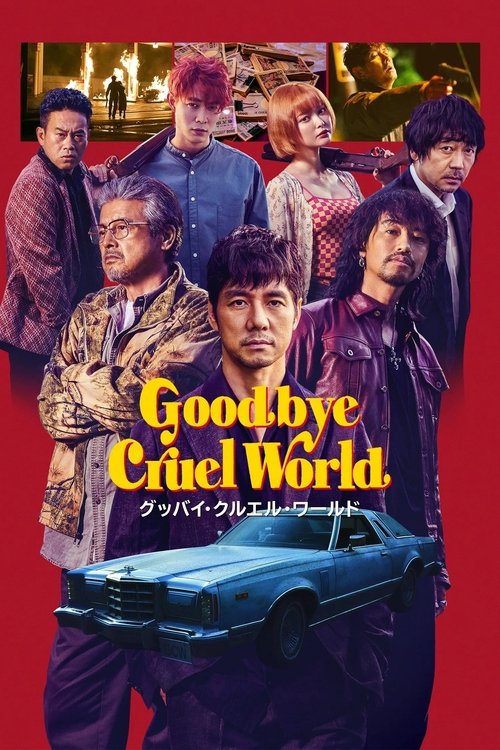
Anzai, Mutoh, Hamada, Hagiwara, and Miru are in a car headed to a love hotel used by the Sugiyama Clan for money laundering. This one night only gang succeed in robbing them blind and though they were supposed to go their separate ways after splitting the money, the five end up being hunt down by a detective hired by the clan and clan members themselves. An ending nobody ever even dreamed of.
Goodbye Cruel World

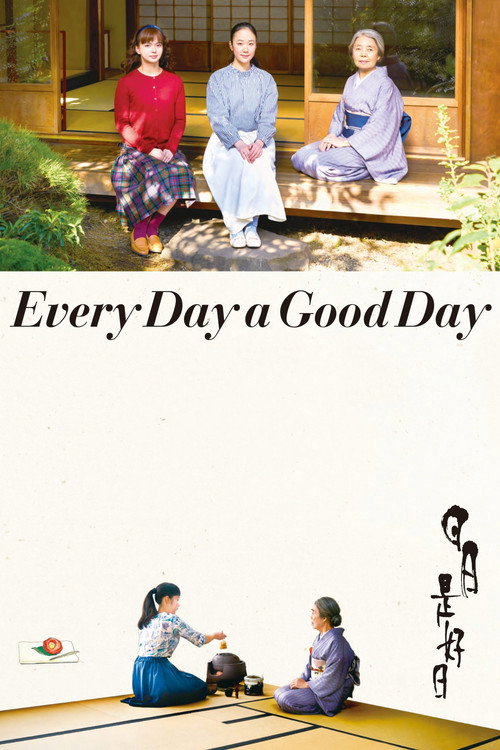
A university student attends a Japanese tea ceremony near her house with her cousin. There she has the Japanese tea ceremony in her life and it's there for her during moments when she is sad or happy.
Every Day a Good Day

The bittersweet events in the lives of people in Hakodate, a regional city connected by a streetcar network. A laid-off man and his younger sister go up a mountain to see the first sunrise of the year. Meanwhile, Haruo has inherited his family's gas business, but things aren't going well in his new endeavor and he becomes increasingly frustrated.
Sketches of Kaitan City

In the black market, a war orphan is confronted with the struggles of people living in the immediate aftermath of WWII.
Shadow of Fire

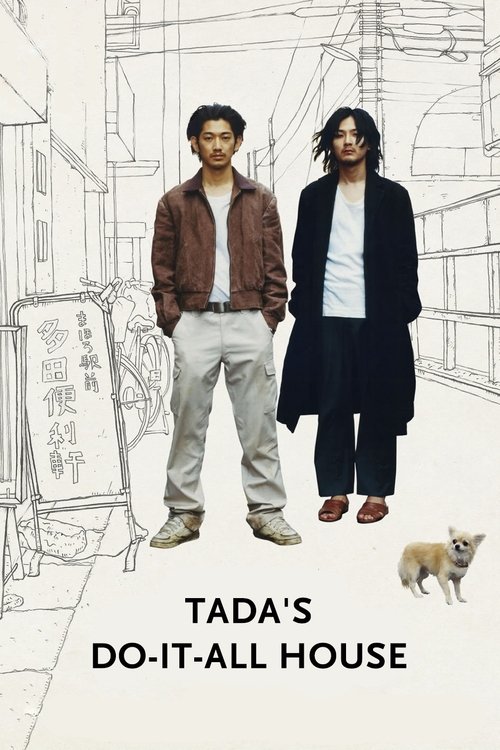
In Mahoro, the fictional suburb of Tokyo, Tada works as a general problem solver for hire. One day, former classmate Gyoten appears unannounced. Both men are over 30 years old and divorced. With no explanation, Gyoten suddenly asks to spend the night at Tada's home. Eventually, Tada accepts Gyoten as his assistant and together they become involved in various cases concerning an assortment of people from different walks of life.
Tada's Do-It-All House

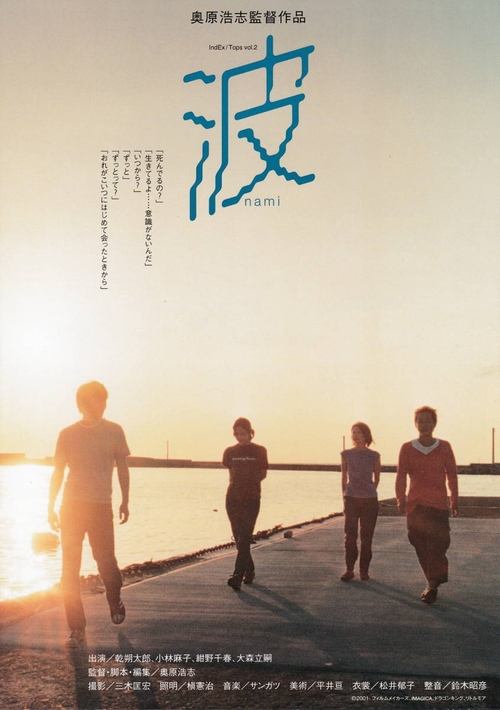
On Mihama, one of Tokyo's outlying islands, Shinji witnesses the rape of his girlfriend and middle-school classmate, Haruka, then commits an irreversible crime. But the following day, the island is besieged by a tidal wave which wipes out everything. Twenty-five years later, Shinji has a wife and daughter. A childhood friend, Tasuku, presents himself to Shinji and discloses the real truth of his hidden past. Shinji will have to try and protect Haruka again.
And Then There Was Light

Rou has returned to the monastery he was raised in. As he listens to the whispering of the Gods through his germanium radio, Rou defies God in every which way and puts religion to the test.
The Whispering of the Gods

Tarō is a vagabond, a wannabe, an urchin, and not what anyone would call mainstream. He does not care. Do not even ask him about his background or age. He would not know and he would not bother. The man meets two others and he begins to experience a new set of conditions.
Taro the Fool

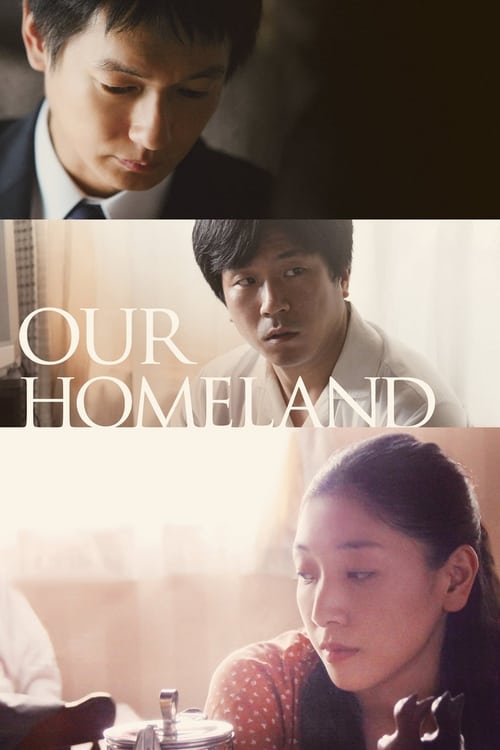
From the late 1950s through the '70s, more than 90,000 of the ethnic Koreans in Japan emigrated to North Korea, a country that promised them affluence, justice, and an end to discrimination. KAZOKU NO KUNI tells the story of one of their number, who returns for just a short period. For the first time in 25 years, Sonho is reunited with his family in Tokyo after being allowed to undergo an operation there. Sonho’s younger sister Rie is at the centre of the film, and is not hard to recognise as the director’s alter-ego. In her documentaries DEAR PYONGYANG and SONA, THE OTHER MYSELF, Yang Yonghi told the story of her own life, and how, at age six, she experienced the departure of her three older brothers, who left their family for Pyongyang.
Our Homeland

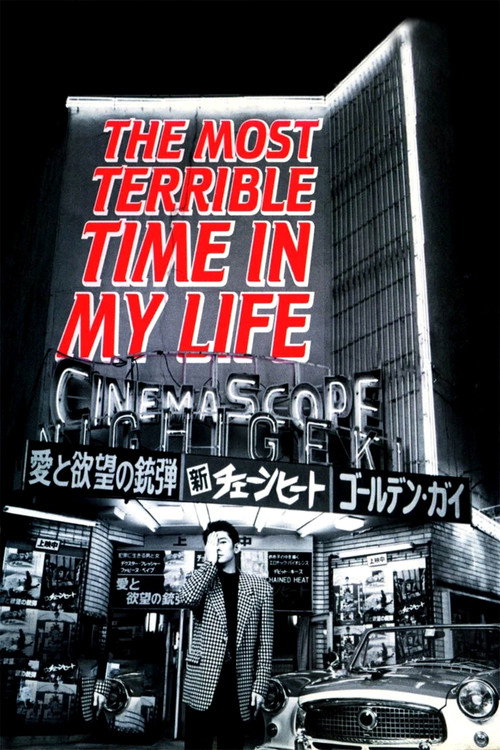
Maiku Hama is a private detective working in Yokohama. Hama comes to the aid of a Taiwanese waiter named Yang and agrees to track down his missing brother. Through a series of double-crosses Hama gets embroiled in a gang war and a revenge plot between the two brothers