Acting
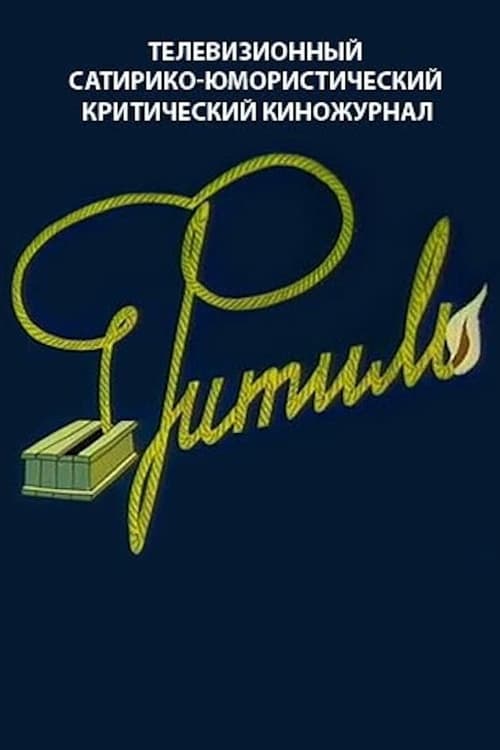
Fitil is a popular Soviet/Russian television satirical/comedy short film series which ran for about 500 episodes. Some of the episodes were aimed at children, and were called Фитилёк, Fitilyok, Little Fuse. Each issue contained from the few short segments: documentary, fictional and animated ones. Directed by various artists, including Leonid Gaidai who presented his famous trio of Nikulin, Vitsin and Morgunov into the cast. It was called in USSR as "the anecdotes from the Soviet government".
No description available.
Chuck Noland, a top international manager for FedEx, and Kelly, a Ph.D. student, are in love and heading towards marriage. Then Chuck's plane to Malaysia crashes at sea during a terrible storm. He's the only survivor, and finds himself marooned on a desolate island. With no way to escape, Chuck must find ways to survive in his new home.
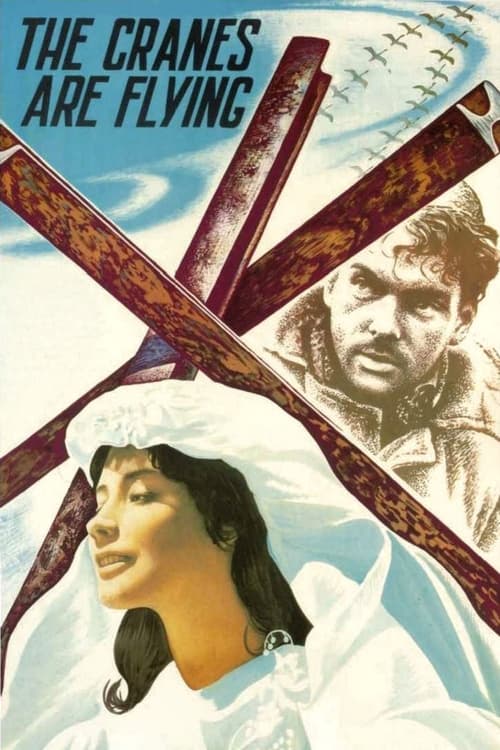
Veronika and Boris come together in Moscow shortly before World War II. Walking along the river, they watch cranes fly overhead, and promise to rendezvous before Boris leaves to fight. Boris misses the meeting and is off to the front lines, while Veronika waits patiently, sending letters faithfully. After her house is bombed, Veronika moves in with Boris' family, into the company of a cousin with his own intentions.
During World War II, earnest young Russian soldier Alyosha Skvortsov is rewarded with a short leave of absence for performing a heroic deed on the battlefield. Feeling homesick, he decides to visit his mother. Due to his kindhearted nature, however, Alyosha is repeatedly sidetracked by his efforts to help those he encounters, including a lovely girl named Shura. In his tour of a country devastated by war, he struggles to keep hope alive.
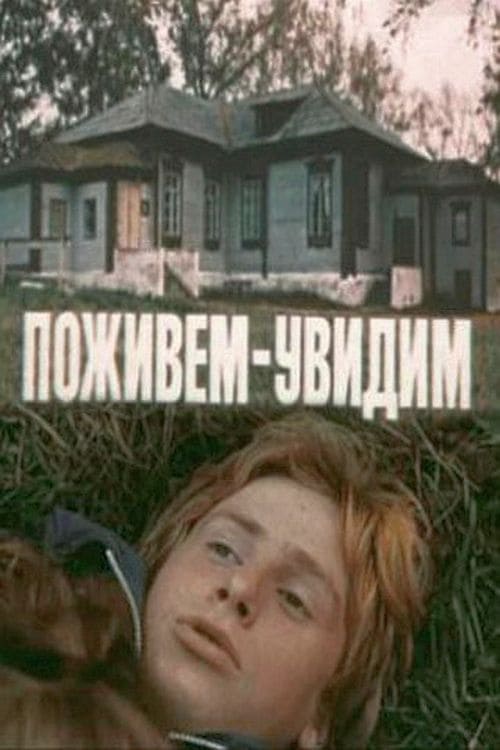
Alexei Gorokhov, a village boy, is known as an oddball and a madman. He is full of unbelievable ideas that make his fellow villagers laugh, but they turn out to be not so absurd: potatoes planted in nets yielded a bountiful harvest; a piglet taken for "education" turned into a good pig; and a well appeared near the school...
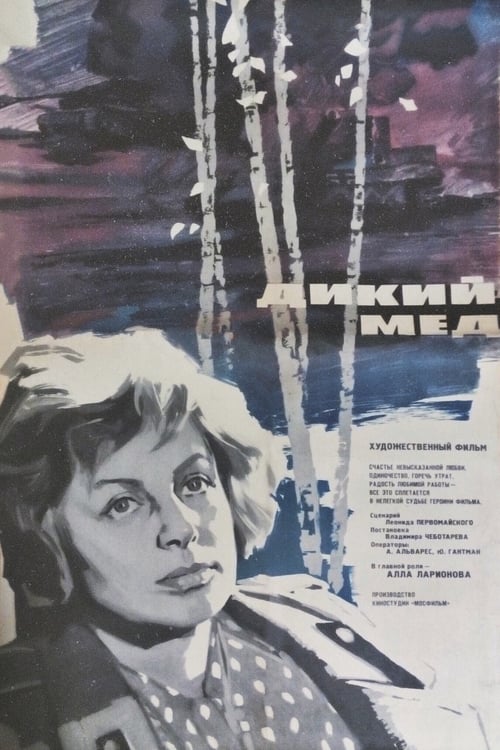
1943 year. On the instructions of the military newspaper, the photojournalist Varvara Knyazhich goes to the front line to take some pictures of the knocked-down powerful German tank "Tiger". In a combat situation, she has to face a difficult relationship between officers and subordinates. During the execution of a journalistic assignment, Varya is literally two steps from death. But it is here that she is destined to find her love...
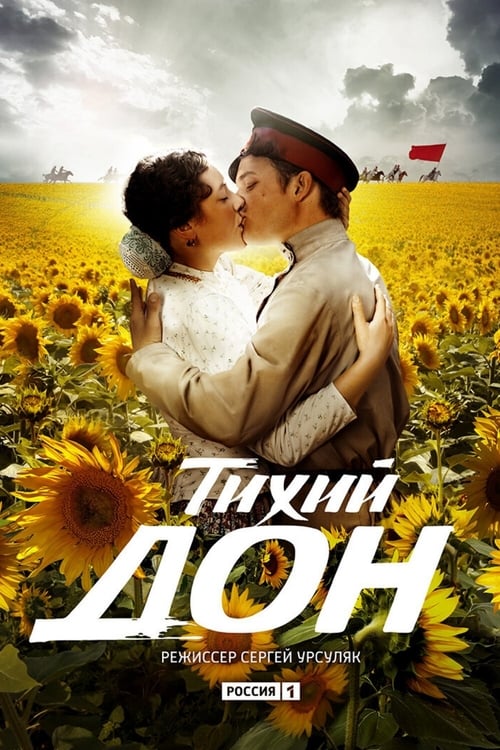
The action begins in 1912. The heroes of the painting - neighbors, villagers, Cossacks from the Tatarsky farm of the village of Vyoshenskaya - have lived on this land for centuries, they are connected by kinship, friendship, love, common labor and military service. But this durable and self-sufficient world with its unique way of life, habits and a special system of views and values is collapsing under the onslaught of bloody turmoil and revolution. Don is divided by hatred. The seemingly immutable age-old foundations of Don life - land, farm, family, military duty - are dissolving in the crucible of fratricidal war. The Melekhov, Korshunov, and Astakhov families are involved in the cycle of military and political events.
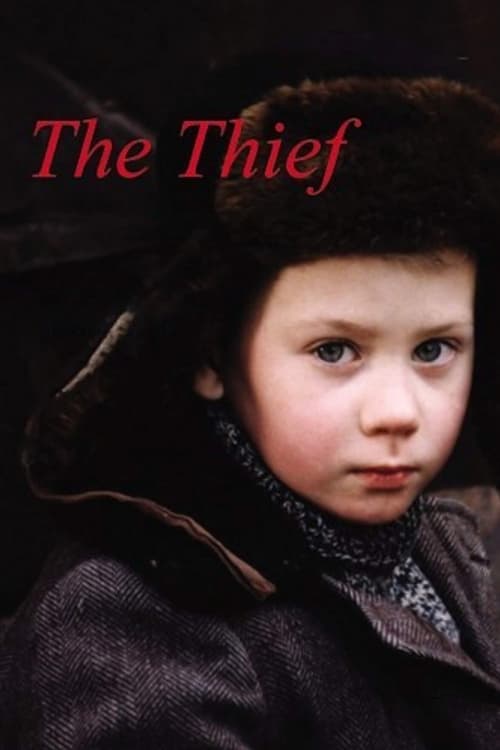
Katya and her 6-year-old son Sanya, who, in 1952, meet a veteran Soviet officer named Tolyan. Katya falls in love with Tolyan, who turns out to be a small time criminal, but who also becomes a father figure to Sanya ...
At the beginning of the 1941 war, a young talented artist Igor and his theater were evacuated to Tashkent. Here he meets music teacher Olga, who is seriously ill with malaria. Igor understands that only treatment in the capital will save the girl. But they are allowed into Moscow only on special passes. And then Igor almost by force drags Olga to the registry office. Feeling responsible for the girl, Igor begins to patronize her more and more...
Central Russia. The deputy chairman of the district executive committee, Tretyakova, was instructed to organize work to eliminate the consequences of a tornado that suddenly hit the village. She has to come to terms with the indifference of summer residents from a neighboring village, untouched by the disaster. Relying on her own experience and the will of the victims, Tretyakova will do her best...
On falling in love with Sergey, Natasha gives up studies at a pedagogical institute and accompanies him to a construction site. In a course of time she realizes that her husband is interested only in his work. She leaves him, graduates from the institute and works as a teacher. But Sergey is fired for authoritative style of work and Natasha realizes that she must be near to him in his hour of need.
The film takes place in Moscow in 1925, during the New Economic Policy (NEP). The three main characters - Misha, Genka, and Slava - have grown up and become Komsomol members. A murder occurs in their courtyard: engineer Zimin is shot dead at night. The prime suspect turns out to be a local hooligan. But Misha refuses to believe him completely and tries to find evidence on his own.
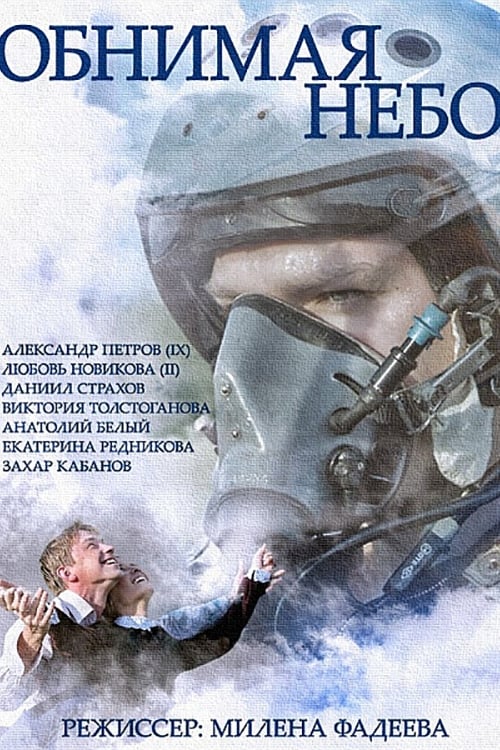
The film begins in 1985 in a military garrison, where a fighter aviation regiment is stationed. Two tenth graders - the daughter of the deputy commander of the regiment, Zhenya Lugovaya, and the son of the waitress of the flight canteen, Vanka Kotov - are covered with a feeling of first mutual love. Harsh dramatic events separate the characters, their life paths diverge, and they lose each other for many, many years. Vanka Kotov becomes a test pilot, Zhenya Lugovaya becomes a military surgeon. One day, fate brings the heroes together again...
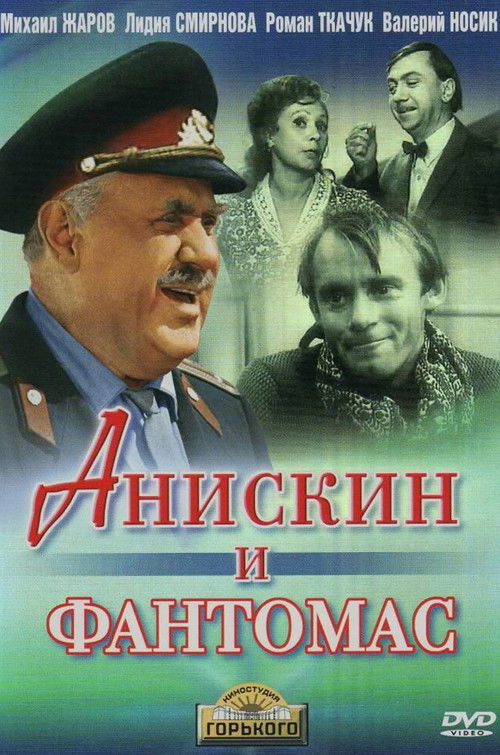
A second story about countryside cop named Aniskin.
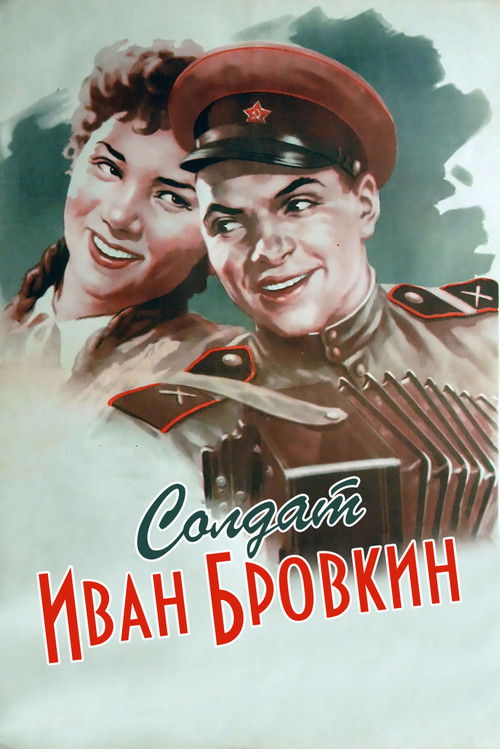
This exhilarating two-part film (“Soldier Ivan Brovkin” and “Ivan Brovkin on the State Farm”) presented to the country a new national hero – kind, modest, charming and… ne’er-do-well. That “ne’er-do-well-ness” proved “Kharitonov’s special key to audiences’ hearts”. Following Brovkin’s appearance on the screen, Kharitonov had become a star of the national cinema, an idol for millions of people. His incredible popularity may be compared to that of another national hero – the world’s first cosmonaut Yuri Gagarin. And not surprisingly, it was Kharitonov who made a cameo appearance going up the festival stairs and followed with the adoring eyes of the heroines in V. Menshov’s Oscar-winning melodrama “Moscow Does Not Believe in Tears”.
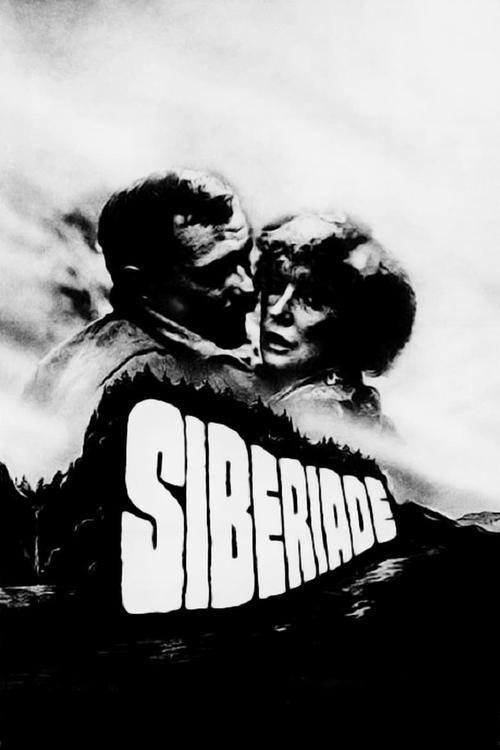
The story about a very small god-forgotten village in Siberia reflects the history of Russia from the beginning of the century till the early 1980s. Three generations try to find the land of happiness and to give it to the people. One builds the road through taiga to the star over horizon, the second 'build communism' and the third searches for oil.