Acting
No description available.
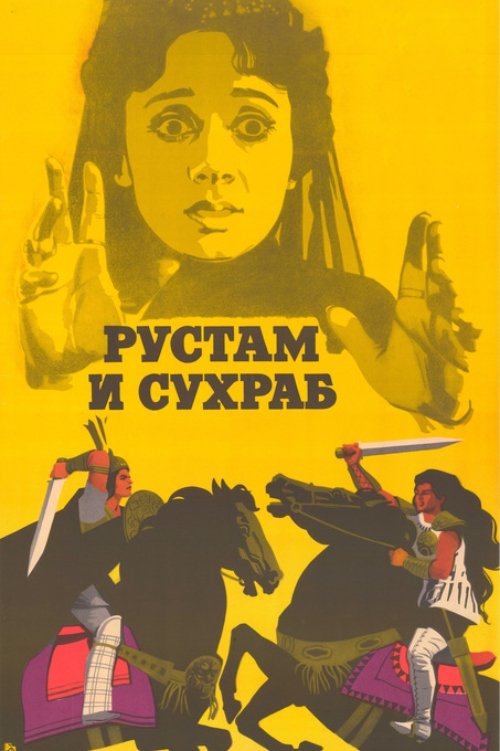
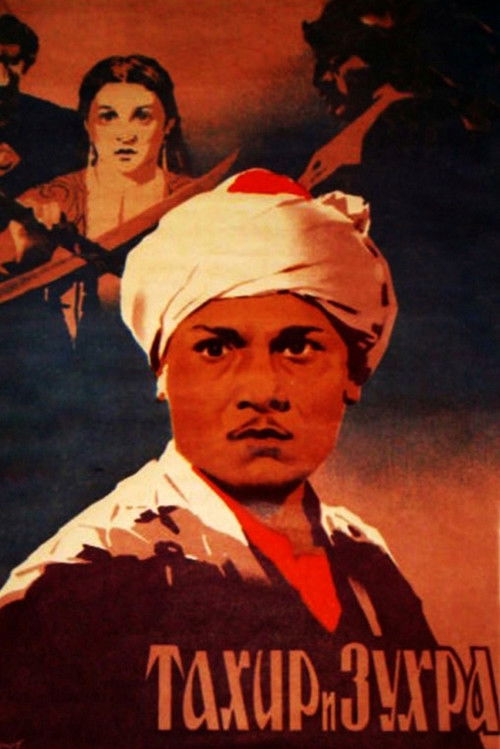
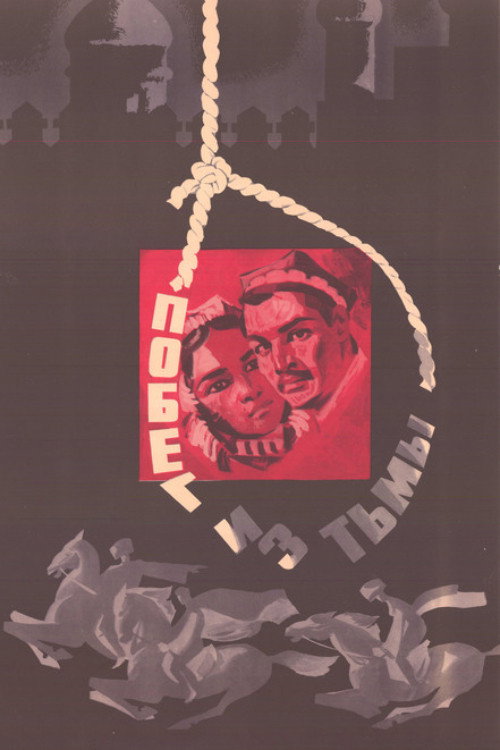
Based on the famous story from the epic Shahnameh.
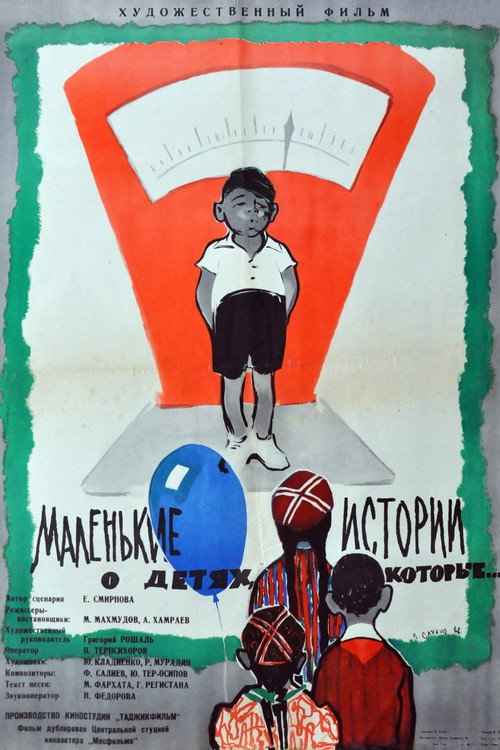
Three funny and entertaining short stories about little Tajik children: "They Got Into a Trap," "They Made Friends," and "Said the Dreamer."
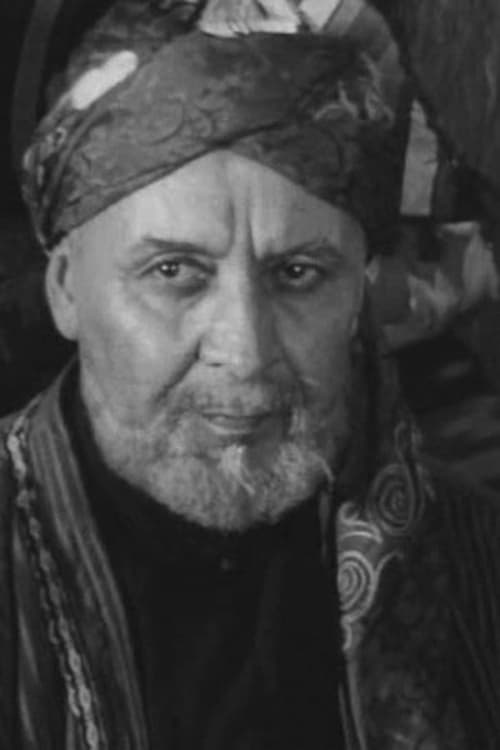
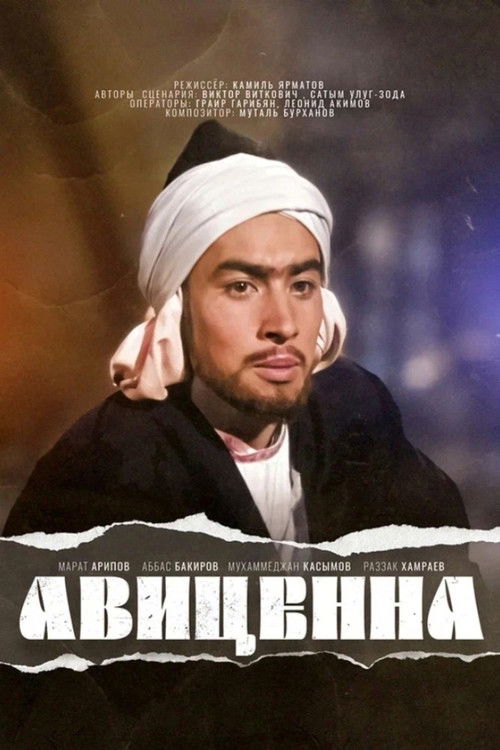
The film is dedicated to the philosopher, doctor, scientist of the East and poet Abu-Ali Ibn-Sin, who lived in Bukhara in the 10th century and was known in Europe under the name of Avicenna. Bukhara. Eighteen-year-old doctor Ibn Sina saves the emir from a fatal illness. Refusing gold and honors, the young man only asks for admission to the emir's book depository as a reward. The study of the works of ancient scientists, philosophers, doctors, observations of nature, numerous experiments increase the knowledge of Ibn Sipa. The treacherous attack on Bukhara by the troops of the ruler of Ghazna Mahmud, who devastated the city and set the world's greatest book depository on fire, forced Ibn-Sina to leave his homeland. After many years of wandering, he, together with his student and assistant Juzjani, comes to the capital of Khorezm, Gurganj, to declare war on the plague raging here...
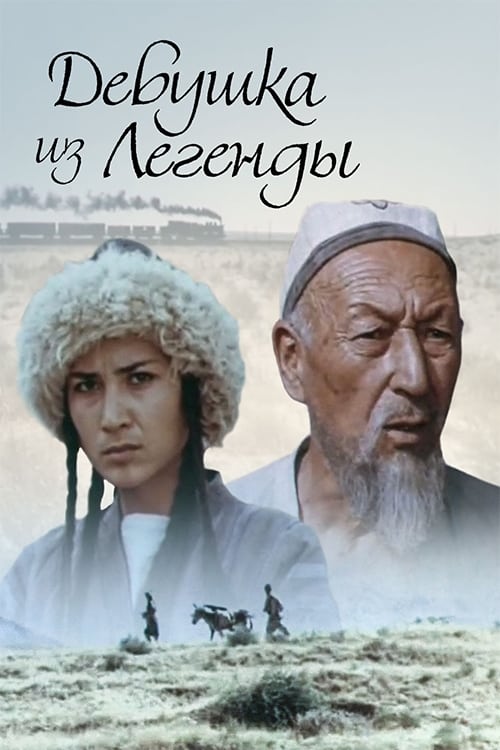
There is a civil war in Turkestan. Many people stood up in arms to defend the young Soviet government. Among them is the young Mayna Khasanova. She devoted her life to the struggle for the ideals of revolution. Mayna, as a girl from a legend, will accomplish a feat, a story about which many generations of Soviet people will betray by word of mouth. The young heroine will be awarded the Order of the Red Banner of Battle.
Middle East. Revenge of three teens for their unjustly executed fathers leads to national riot and capture of American military airfields.
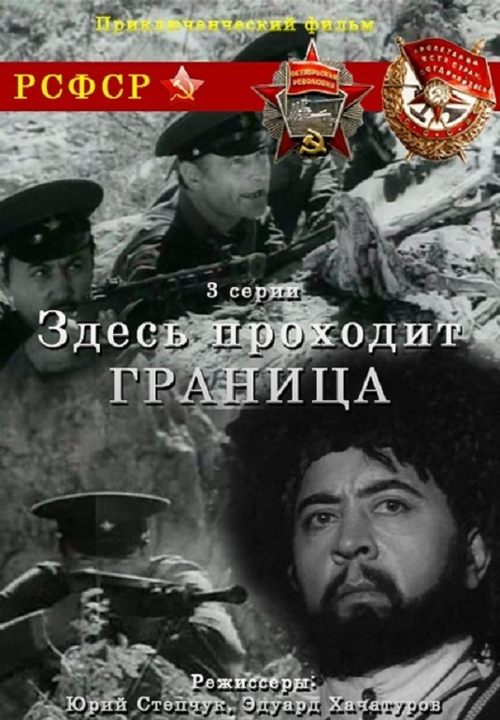
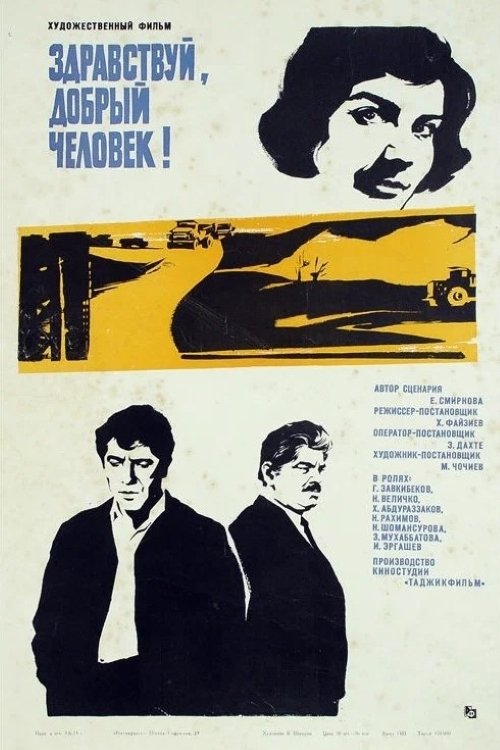
After retiring, former Red Army commander Iskhak Sherov returns to Kyzyltash, the town he helped build. Seeking a peaceful life, he becomes embroiled in a conflict between residents wanting a public garden and the mayor, his old comrade Namazov, who opposes it. Sherov ultimately resolves the conflict in favor of the townspeople.
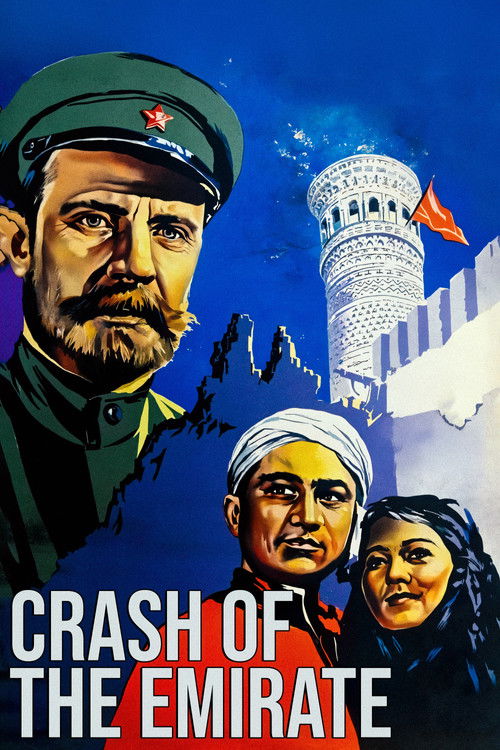
1920. Western countries are trying to use the Bukhara khanate — a former protectorate of tsarist Russia — to fight the Soviet regime. Arrived in Tashkent by M. V. Frunze and V. V. Kuibyshev to organize the masses to fight counter-revolutionaries and agents of foreign intelligence services.
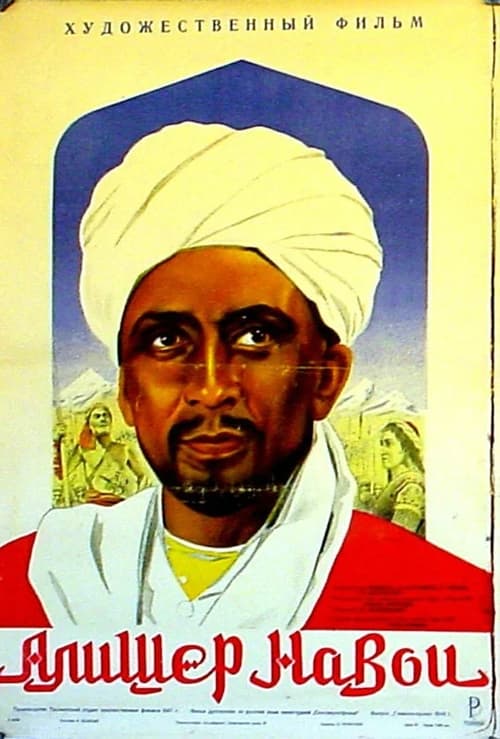
Biographical drama about one of the most famous Uzbek poets of the 15th century, Alisher Navoiy.
A biographical film about one of the greatest Medieval scientists and scholars, Al-Biruni.
A Romeo & Juliet-esque tale set in Uzbekistan.
The film takes place in Uzbekistan during the Great Patriotic War. Pulat and Bahor love each other, but the happiness of the heroes is prevented by a rich friend of the parents of a girl who sees her as her future wife.
The film is based on the story of the times of the Kokand khans, the love of the talented young man Anvar for the girl Rano, and their difficult fate.
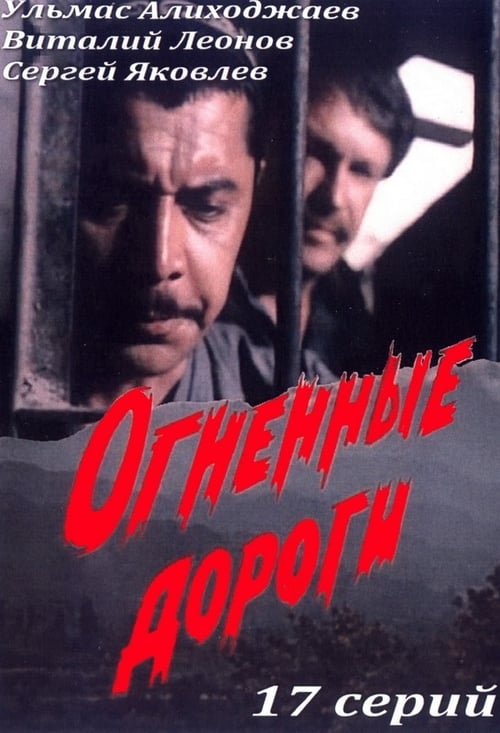
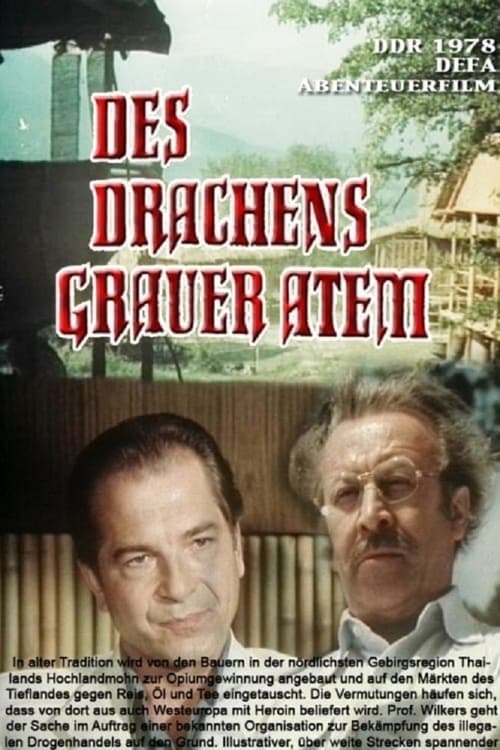
Professor Wilkers saw the trip to Thailand as a welcome change. But already in Bangkok, the starting point of his research into the origin of the drugs whose abuse he is trying to combat as a member of an international commission, he encounters extreme contradictions. The Swiss doctor is tempted to solve them, as the claims of the rich silk manufacturer Tracy Blake sound truthful and bitter, yet extremely strange. Leo Wilkers decides to embark on a life-threatening venture: He moves into the mountains near the border with Burma. Up there, in the village of Muong Nan, whose headman is at the same time in prison in Bangkok worrying about who in the capital might be interested in his arrest, Wilkers learns about the necessity of poppy cultivation in these areas.
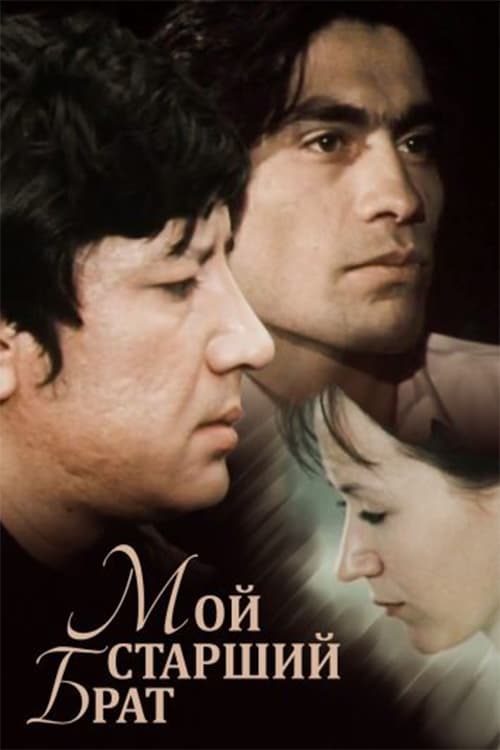
After a car accident Bakhtiyar took the blame for his wife, who was driving the car. But this did not change the bad relationship between them, his wife went to another, while Bakhtiar recovered in the hospital. After the incident it was difficult for Bakhtiyar to trust people. Only Vera, a school friend of his younger brother, managed to give him hope for love…
About the struggle of Uzbek women against the reactionary clergy in the 1920s.