
Tadeusz Różewicz
Writing
Known For
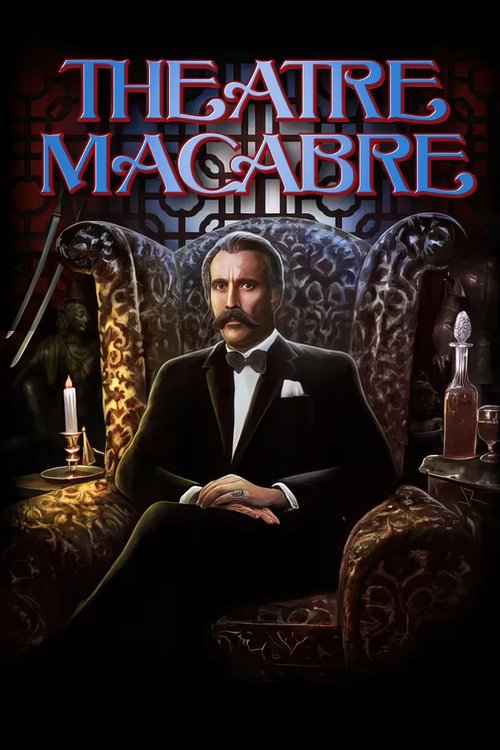
Christopher Lee hosts this horror anthology series from Poland with stories from various classic authors.
Theatre Macabre
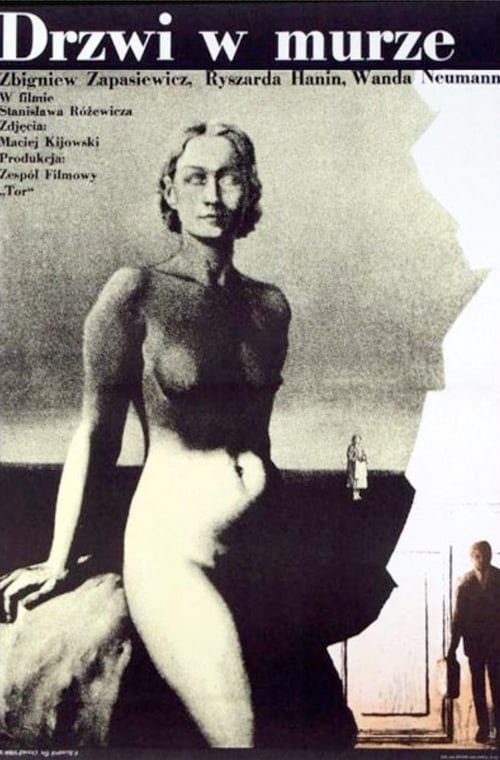
Accomplished playwright supervises the stage rehearsals for his new play away from home. He rents a room at a private house, which is owned by mother and daughter. Wiktor gets entangled in the two women's bizarre relationship.
The Wicket Gate
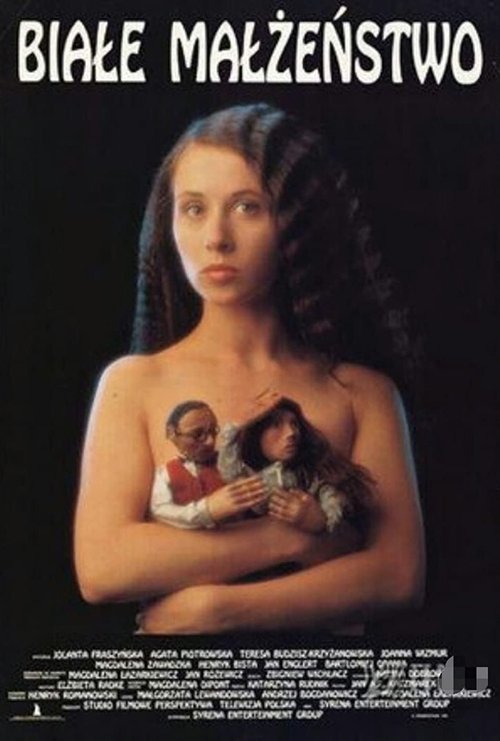
Bianka and Paulina are two teenage girls watching a video on the sexuality of people and animals. They are surprised by Bianka's father and change to another channel. They suddenly find themselves in the same house in the 1920's. The girls are totally immersed in problems associated with puberty and reaching adulthood. The atmosphere of the house is imbued with eroticism. Bianka is sensitive with a poetic nature, shocked at the role that tradition has mapped out for her, terrified by the marriage which is being planned for her. Paulina is an extrovert, well adapted to face every situation, who accepts the amorous advances made at her. Based on the 1975 Tadeusz Różewicz play called Białe małżeństwo.
White Marriage
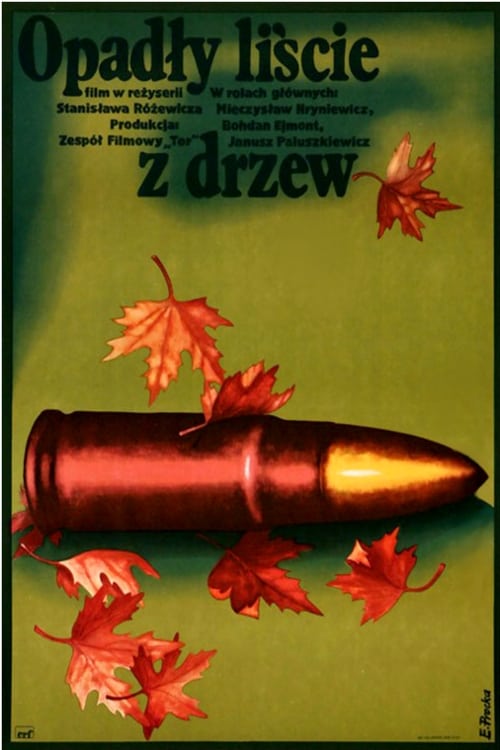
Two years after the war, during a train trip, Henryk (20) recollects the occupation period. He passes different train stations and recollects various situations from the past: his family life, working in a garage, guerrilla warfare, the fear that accompanied him every day. He’s looking at the travellers’ faces, including the ones who have survived the war.
The Leaves Have Fallen
Three women, ex-prisoners of a Nazi death camp, decide to live together after the war.
Trzy kobiety
Różewicz's play from 1968 is rather a dramatized picture, closer to the open formula of poetry than to the traditional dramatic structure. This is an important voice of a poet concerned about the future of the world. The drama shows a civilization threatened with extinction, dominated by consumerist ideals, mental emptiness, disappearance of authorities and moral decay. The title character symbolizes life, energy and the immutability of the basic laws of nature. In Barański's staging, he moves in a wheelchair. The piece consists of two parts. The first takes place in a botanical garden, the second in the scenery of a huge junkyard, which symbolizes modern civilization.
Old Woman Incubating
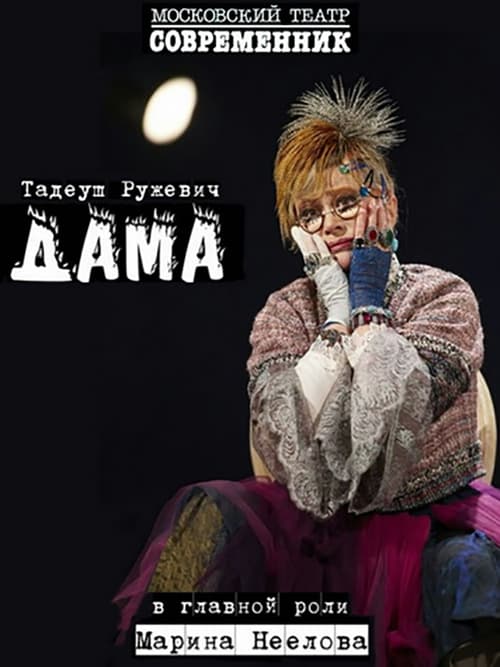
A strange woman in a mysterious world out of time and out of geography…Eccentric, funny, poignant, she will not leave anyone alone…
Lady
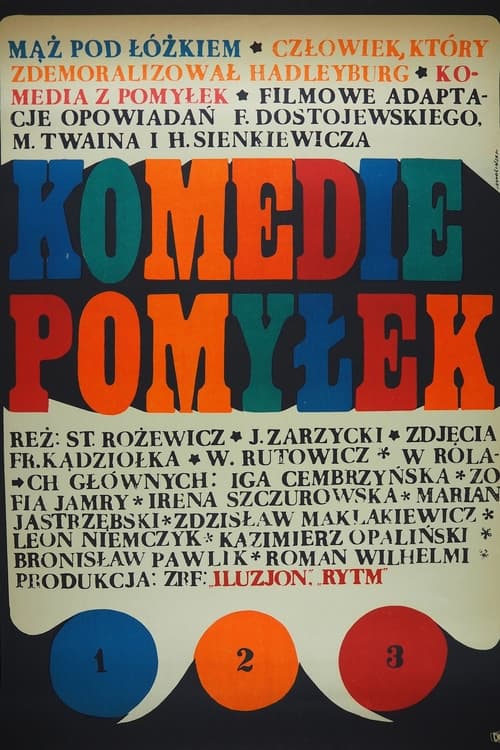
A collection of intimate television short stories based on well-known literary works.
Komedie pomyłek
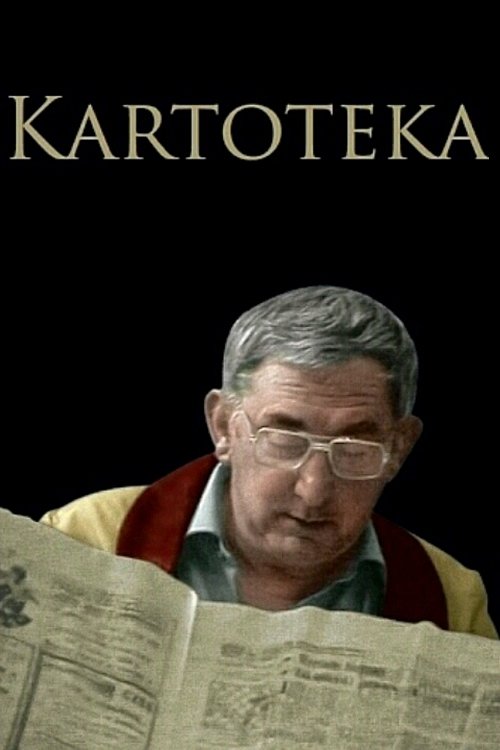
A former partisan now 38 years old remembers his childhood in the war.
The Card Index
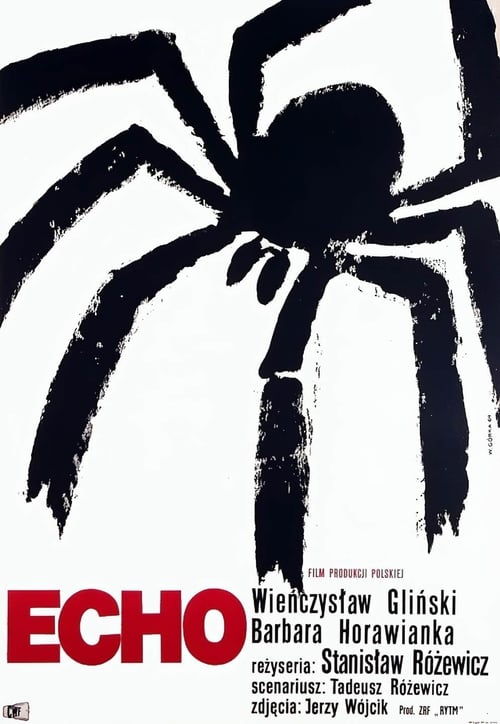
It seems that nothing can ruin Henryk’s (Wieńczysław Gliński) happy life. He’s a respected lawyer with a loving son and wife. One day, he receives a letter from the prosecutor’s office. He’s accused of collaborating with the Gestapo. It’s an echo of his past under occupation.
Echo
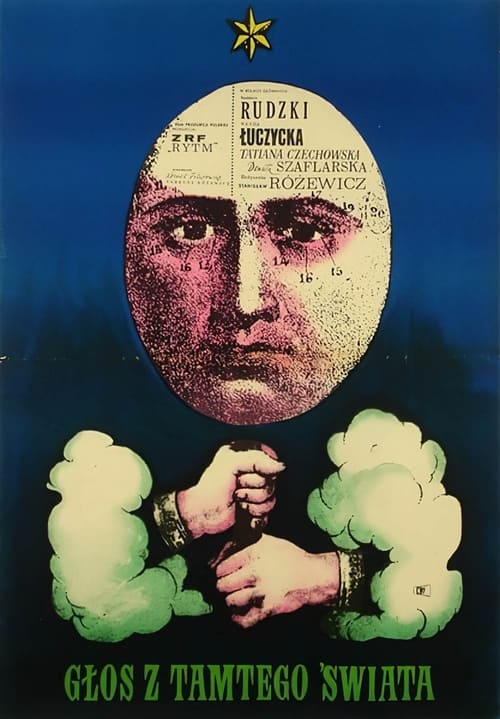
A doctor, though not having finished his studies, earns a living providing medical advice. A former nurse enters the stage, saying she hears voices from "the other world". At first, they can exploit gullible victims without problems, but soon the authorities begin showing in these quacks.
The Voice from Beyond
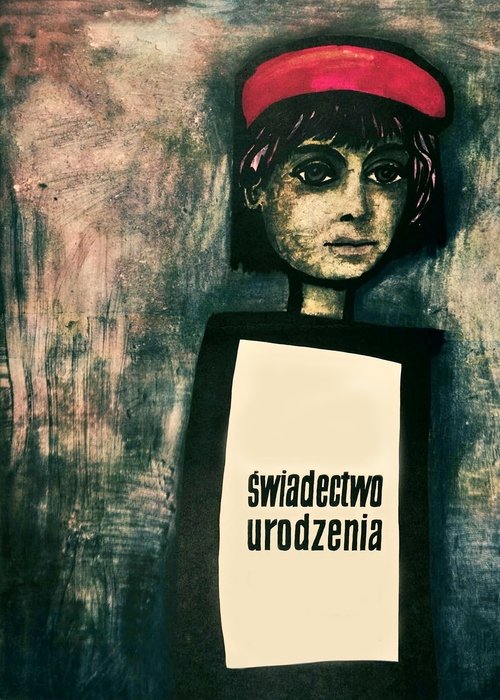
Three separate stories depicting the tense everyday life during occupation, as seen through the eyes of children. In “On the Road,” the two main protagonists are lost in the September’s strife: a young boy, and a soldier transporting the valueless documents of his broken unit. In “Letter from the Concentration Camp” the story’s protagonists are young boys who help their mother during the hardships of the occupation. Their treasure is an officer uniform belonging their father who is being held in a prisoner of war camp. In “Blood Drop,” the Germans find a set of typical Aryan characteristics in this story’s protagonist – a Jewish girl, hiding in an orphanage.
Birth Certificate
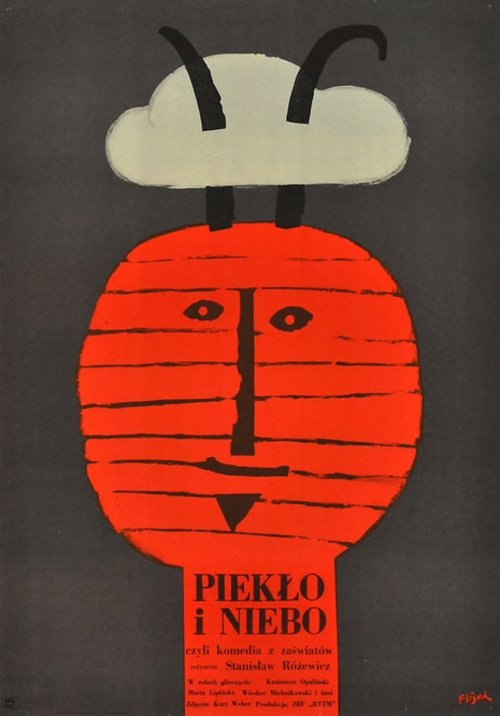
A bus crashes and its passengers find themeselves in the afterlife, which they find has the not only the same set of rules as Earth, but also the same bureaucratic chaos.
Hell and Heaven
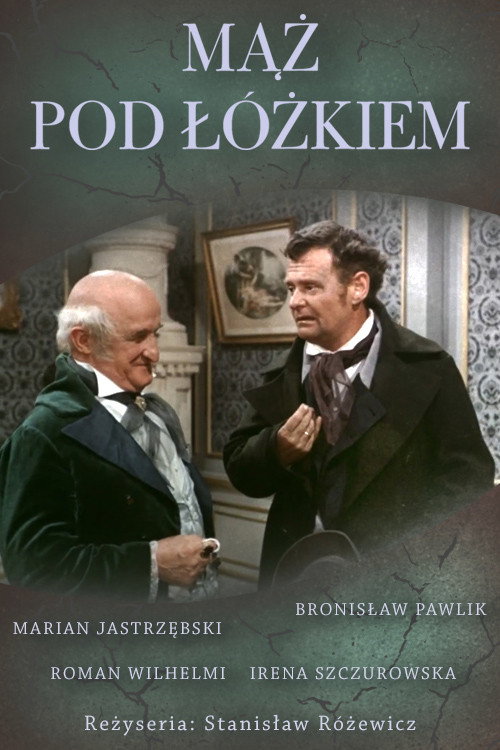
A jealous husband follows his wife, but accidentally ends up in a strange apartment.
Husband Under the Bed
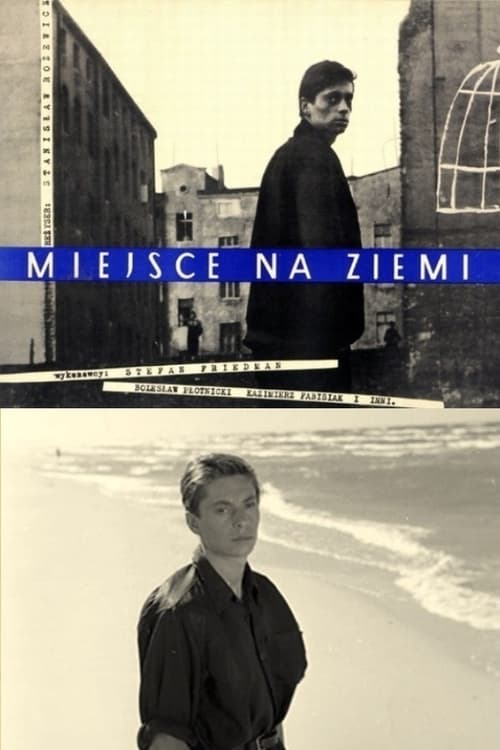
A teenager finds himself torn after the death of his mother and falls on the wrong side of the law.
Place on Earth
The piece is an analysis of a person's attitude in the face of imminent danger, and its action takes place just after World War II. In the train station waiting room, two young men lead a beer discussion, one of whom tells the other an unpleasant incident of his own life.
Beer
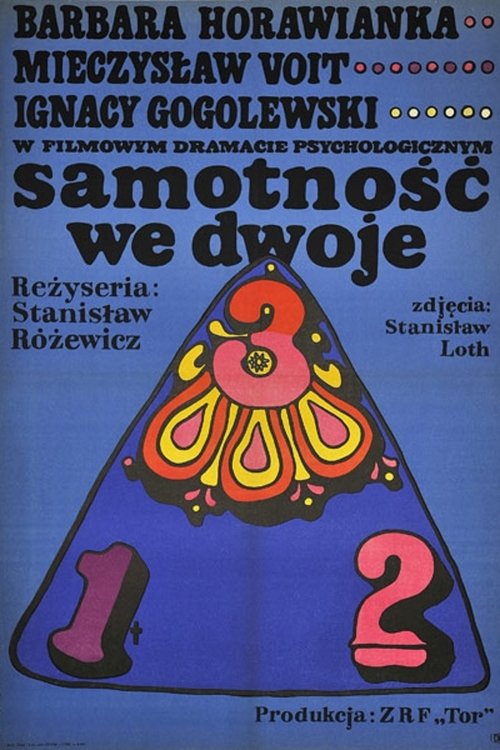
The film is a psychological study addressing the problem of lack of inner resilience in the face of misfortune. The death of a son, trampled by frightened horses, disrupts the peace and happiness of the family of Pastor Hubina. Mentally broken wife Edyta (Barbara Horawianka) leaves to join her sister in Prague and there meets music teacher von Kschitzky, with whom she returns after some time, entrusting him with teaching music to her daughter Olesia. The teacher is a follower of Nazi ideology and practice. Edith begins to show more and more interest in him, and he ostentatiously seeks her favor.
Loneliness of the Couple

The documentary with commentary by Tadeusz Różewicz shows the everyday life of children a few years after the war and juxtaposes it with the children's experience of the "black seasons" - the loneliness, terror, hunger and misery of the Warsaw Ghetto.
Under One Sky
A television play produced for TVP based on Tadeusz Różewicz's drama of the same title. The play is a commentary on the state of post-war and post-Stalinist era Polish society, illustrated through three stories. The title of this play coined the term 'mała stabilizacja' (literally: 'little stabilization'), referring to the era of political stability that came in the early 1960s when the political climate changed.