François Chalais
Acting
Biography
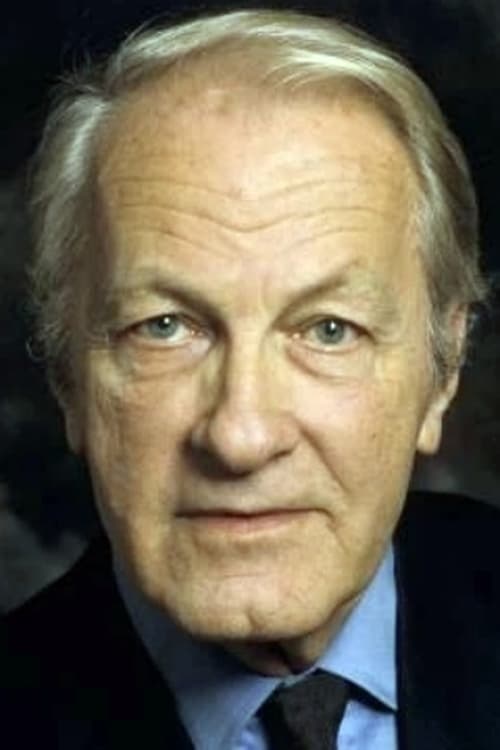
François Chalais (December 15, 1919 – May 1, 1996) was a prominent French reporter, journalist, writer and film historian. The François Chalais Prize at the annual Cannes Film Festival is named after him. Born in Strasbourg in 1919, Chalais' real name was François-Charles Bauer. His journalism career began under the German occupation of France during World War II, as a writer for several collaborationist publications. Nevertheless, he was awarded the Médaille de la Résistance after the liberation and continued a lengthy and distinguished career, most notably with France Soir from 1976 to 1986 and Le Figaro from 1980 to 1987. Chalais was a regular fixture on French television during the Cannes festival, interviewing celebrities and movie stars, often with his first wife and cohost France Roche. In 1949 he fought and lost a duel with swords with director Willy Rozier, provoked by comments Chalais had made about actress Marie Dea. In one of his reports for the French television program Panorama, titled "Spécial Vietnam: le nord vu par François Chalais" (Vietnam Special: The North Seen by François Chalais), Chalais interviewed an American pilot who was in a North Vietnamese prison hospital, John McCain. The report offered a rare glimpse of everyday life in North Vietnam during the war and featured an interview with North Vietnamese Prime Minister Pham Van Dong. Chalais was the author of numerous books, including 18 novels and 3 memoirs. Chalais married his second wife, Mei-Chen (née Nguyen Thi Hoa), after his famed 1968 broadcast on North Vietnam. In 1969, he was a member of the jury at the 19th Berlin International Film Festival. Chalais died of leukemia in Paris in 1996. Source: Article "François Chalais" from Wikipedia in English, licensed under CC-BY-SA 3.0.
Known For

No description available.
Champs-Elysées

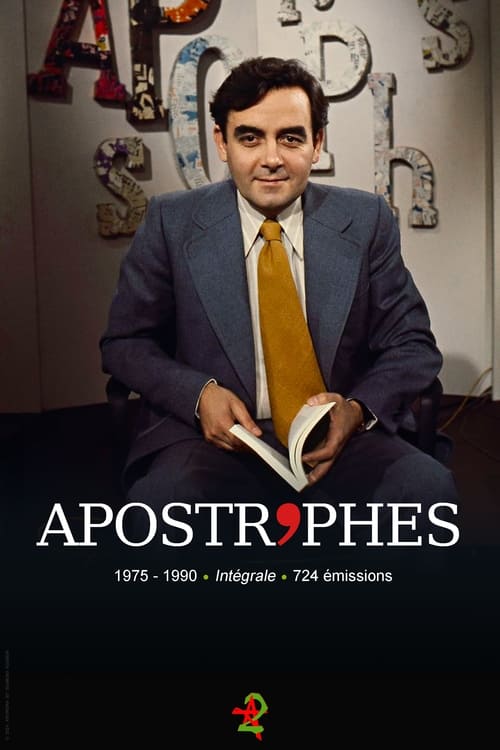
Apostrophes was a live, weekly, literary, prime-time, talk show on French television created and hosted by Bernard Pivot. It ran for fifteen years (724 episodes) from January 10, 1975, to June 22, 1990, and was one of the most watched shows on French television (around 6 million regular viewers). It was broadcast on Friday nights on the channel France 2 (which was called "Antenne 2" from 1975 to 1992). The hourlong show was devoted to books, authors and literature. The format varied between one-on-one interviews with a single author and open discussions between four or five authors.
Apostrophes

Marcello Mastroianni, Isabelle Adjani, Alain Delon, Martin Scorsese, Woody Allen... the biggest stars in cinema were welcomed by Christian Defaye on his show Spécial cinéma. Between intimate confessions from actors and immersion in the world of the greatest filmmakers, Christian Defaye took viewers on a journey into the fascinating world of cinema for nearly thirty years.
Spécial cinéma

A talk show presented by Michel Drucker
Les Rendez-vous du dimanche

Midi Première is a French variety show presented by Danièle Gilbert, directed by Jacques Pierre and broadcast from January 6, 1975 until January 1, 1982 on TF1. The program was generally broadcast between 12:15 p.m. and 12:55 p.m., then giving way to the 1:00 p.m. TV news. However, the broadcast schedule could change, depending on the guests, and the setting where the recording of the program was shot. Certain performances by artists who have become cult like the one where Ringo jostles with a demonstrator in interpretation (1977), that of Dalida with the title There is always a song with the soundtrack that does not start, twice, at the right speed (1978), Claude François and his Clodettes, who, in the provinces, are unable to join "the set" in order to interpret his song, the latter being taken by the crowd of delirious fans (summer 1977) . The group Supertramp performed there with the title "Dreamer" on March 8, 1975.
Midi Première

No description available.
Cinépanorama
No description available.
Midi trente
No description available.
Samedi soir

No description available.
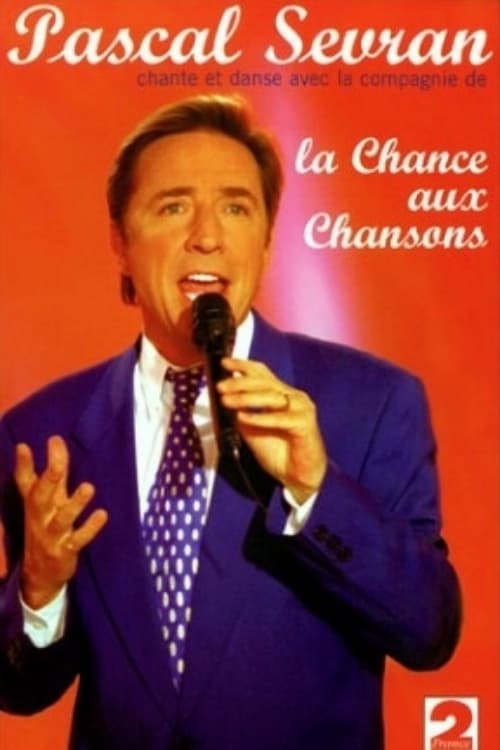
La Chance aux chansons
No description available.
Système 2

No description available.
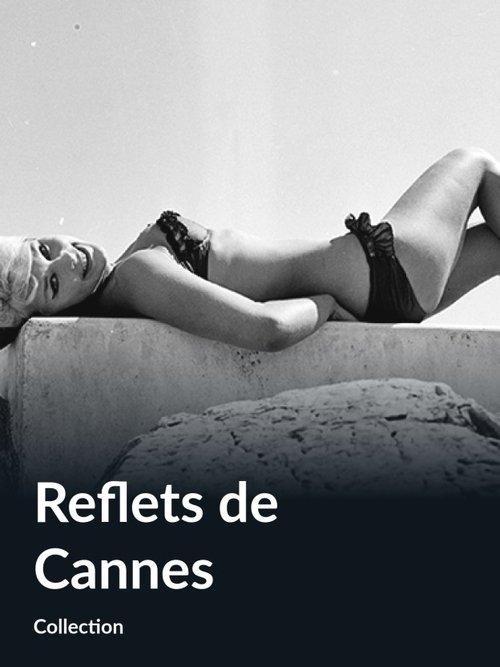
Reflets de Cannes

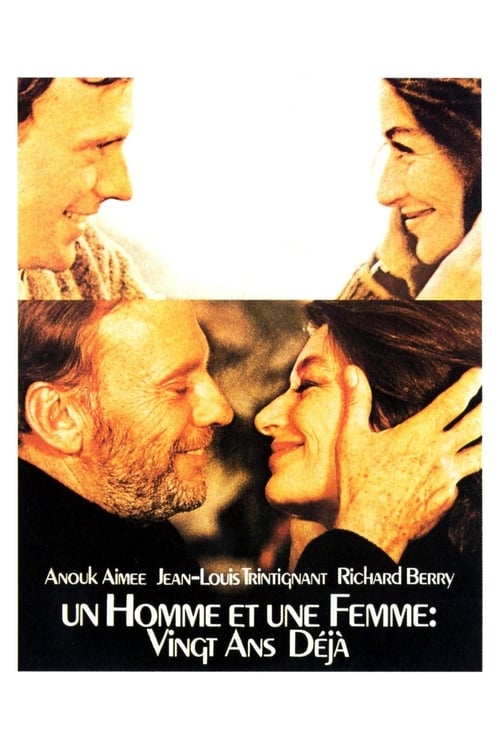
Jean-Louis and Anne have had their fling and separated. Now 20 years have passed. He is still dating various women. She is now a big-time director whose most recent film was a very expensive bomb. She comes up with the idea of making a romance based upon her fling with Jean-Louis. She contacts him to gain his permission. Jean-Louis is still in racing and goes away for a desert rally while she begins filming. She finds the mood of their romance difficult to recapture in her film.
A Man and a Woman: 20 Years Later

No description available.
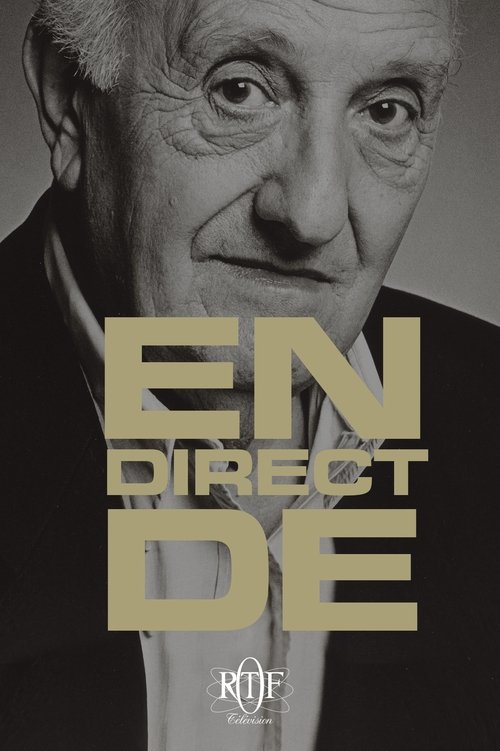
En direct de...

Mixing interviews, rare archival footage and film extracts, the film shows how Melville's works were impacted by what he experienced in his youth during WWII, and how it structured his whole approach to cinema, not only in its thematic but also in its aesthetics.
Code Name: Melville

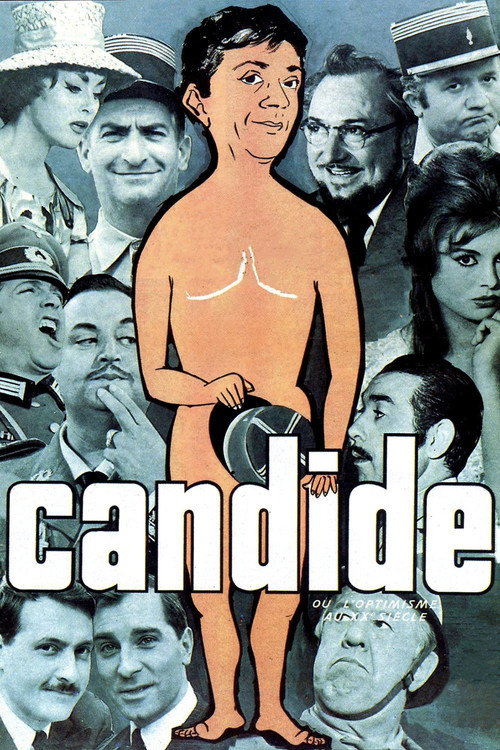
Charming and innocent, Candide is vigorously chased away by the Baron, for his close encounters with the pretty Cunégonde. World War II breaks out, and when he is drafted and taken prisoner, he is forced to take German nationality and ends up guarding the camp where he was imprisoned. He crossed into Switzerland, but as he had no bank account, he was incarcerated for eight days for trespassing. Hunted by the Gestapo, he kills two men to free Cunégonde, who has finally been found. They both flee to Argentina, and their world tour begins. In Paris, Moscow, New York, Borneo and Alexandria. They try to follow Dr. Pangloss' optimistic rule of life. Tossed about, separated, they find themselves grown old and wiser, thinking only of cultivating their garden on the shores of the Mediterranean.
Candide or The Optimism in the 20th Century
Director Jean-Pierre Melville and actor Lino Ventura are interviewed about their 1966 film.
Jean-Pierre Melville on the Set of Le Deuxième Souffle

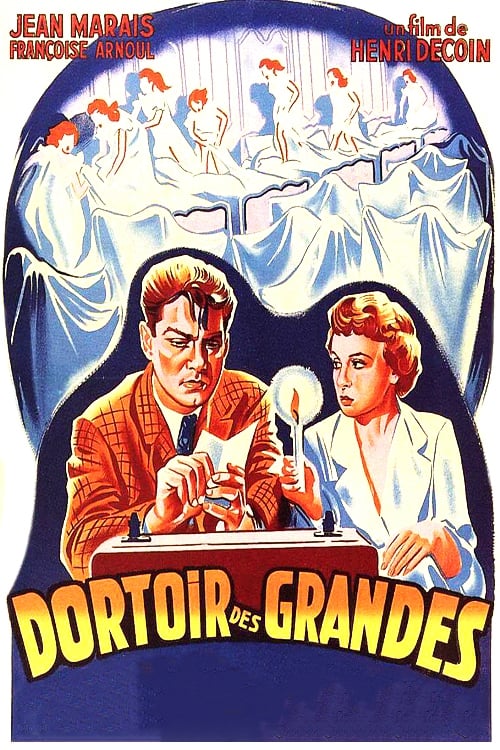
In a little town with a renowned college a female student is found after she was hogtied and strangled to death. Inspector Marco is assigned to catch the murderer.
Inside a Girls' Dormitory

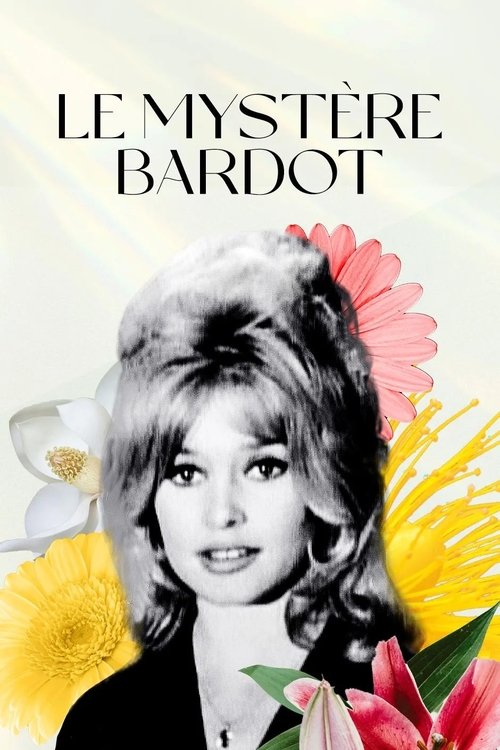
Who hides behind Brigitte Bardot? Extraordinarily photogenic, a tumultuous love life, the ultimate sex symbol for the 1950s and 1960s, the actress, singer and animal rights activist left an indelible mark on her era. Despite over 30,000 photos published in the press, her true personality has long-remained in the shadows.
The Bardot mystery

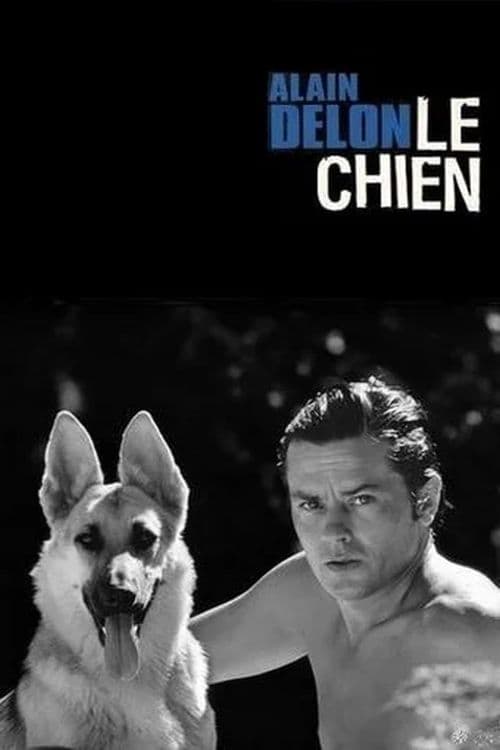
In this extremely hard to find TV movie from 1962, Delon plays the role of "He", a nameless man who loves his dog very much. But the destiny plays funny jokes with us sometimes, so for one night our protagonist loses his dog and finds the love of a beutiful woman ("She", played by the gorgeous Elke Sommer).
Le Chien

Alain Brécourt, a former pilot who distinguished himself during the war, meets Françoise Clozat, a test pilot. They become lovers, but Françoise learns that Alain is married to a singer. Françoise despairs, but Alain proves to her that he has been living away from his wife for some time. She meets the singer, no longer believes Alain, and attempts suicide during a flight. Her instinct for self-preservation saves her. Alain is the first to turn his attention to her: when she opens her eyes again, she receives the assurance of his love.