Directing
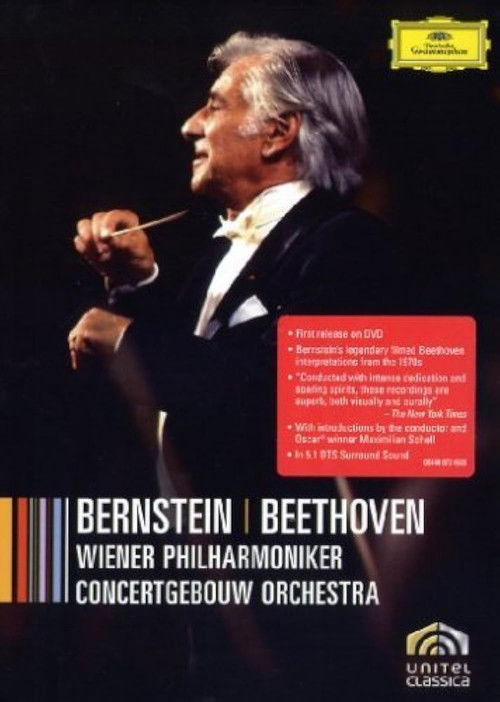
A music miniseries, filmed largely on location in Vienna and Germany, not only featuring Bernstein but also, noted actor Maximilian Schell, who not only provided commentary on Beethoven, but read from his letters. The miniseries contains performances of all of Beethoven's symphonies as well as several overtures, a string quartet that Bernstein re-orchestrated for the entire string section of the Vienna Philharmonic, and the Missa Solemnis, all conducted by Bernstein. It also contains commentary about the music by Leonard Bernstein.
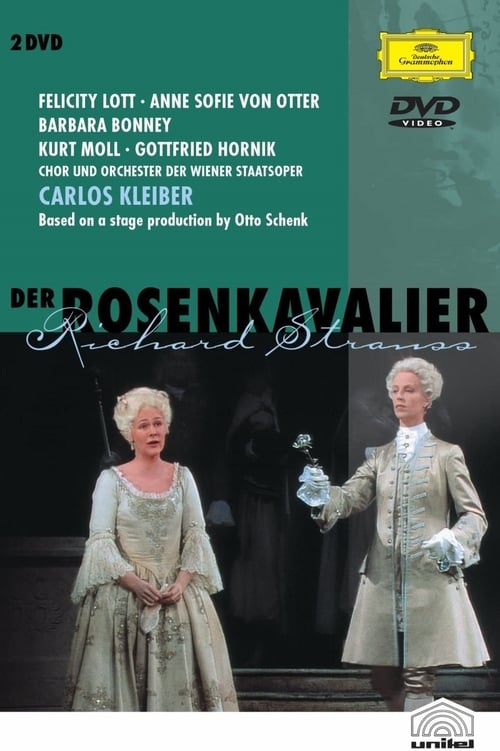
Felicity Lott, Anne-Sofie Von Otter, and Kurt Moll star in this production of Richard Strauss' opera, staged in Vienna in 1994. A romantic comedy of errors. Princess von Werdenberg must hide her affair with Octavian from her family; when he disguises himself as a chambermaid to avoid scandalizing the Princess, he is pressed into presenting a gift to Baron Ochs von Lerchenau, who has arrived to propose marriage to Sophie von Faninal. However, Ochs soon finds himself infatuated with the chambermaid, much to Octavian's chagrin, which proves to be only the first of a long series of romantic misunderstandings. This production of Der Rosenkavalier is performed by the Vienna State Orchestra and Chorus, under the direction of Carlos Kleiber.
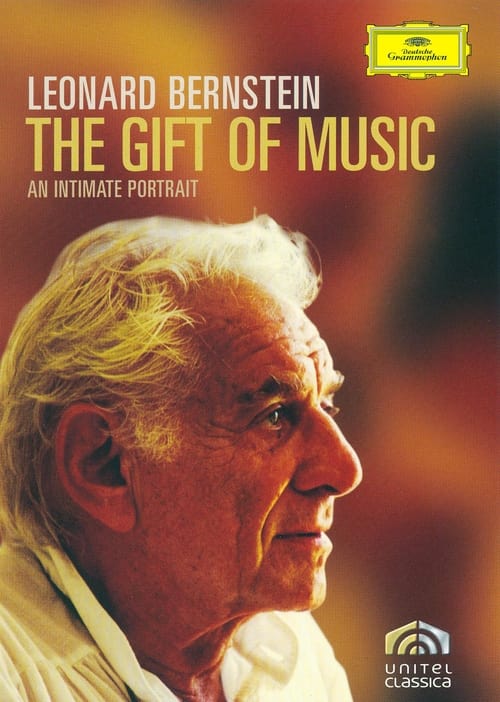
Leonard Bernstein narrated by legendary screen star Lauren Bacall. The movie also relies extensively on Bernstein's own words to provide the counterpoint to the abundant visual material. Highlights include excerpts of Bernstein conducting masterworks by Beethoven and Mahler, as well as of the maestro with the New York Philharmonic in Moscow in 1959 before an audience which included composer Dmitri Shostakovich and the dissident poet Boris Pasternak. It also contains never-before-seen footage, such as outtakes from televised concerts and interviews. Among these special treats: the dashing 28-year-old maestro representing the U.S. at the 1947 Prague Spring Festival – possibly the earliest extant film of Leonard Bernstein.
This program captures one of the most celebrated classical conductors of all time, Leonard Bernstein, in rehearsal and performance at the Academy of Schleswig-Holstein Music Festival in 1988, in particular exploring the music of Dmitri Shostakovich. Bernstein's infectious passion and gift for teaching come shining through as he leads the student ensemble through the wonders of Shostakovich's evocative compositions.
No description available.
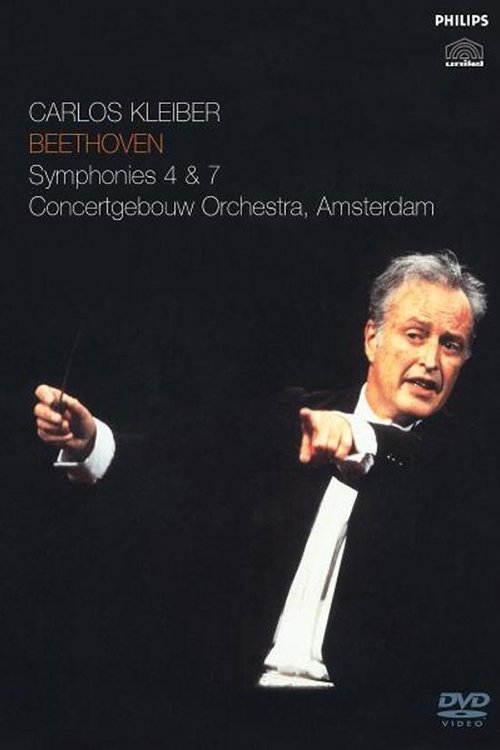
Carlos Keliber conducts the Concertgebouw Orchestra.
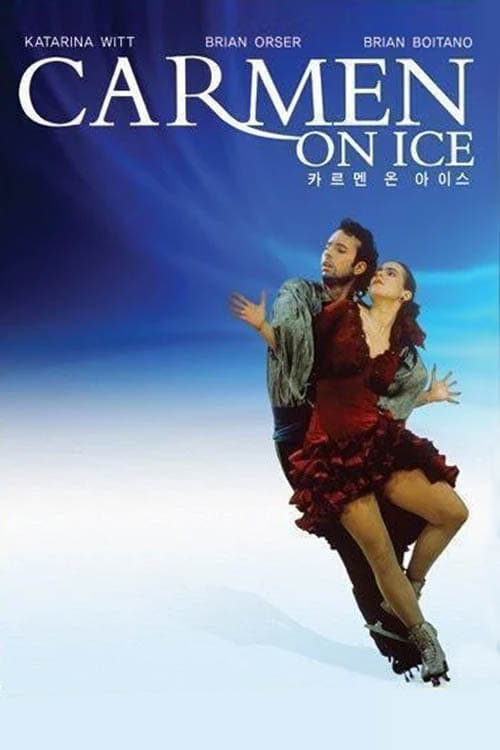
Carmen is an opera in four acts by the French composer Georges Bizet. The libretto was written by Henri Meilhac and Ludovic Halévy, based on a novella of the same title by Prosper Mérimée.
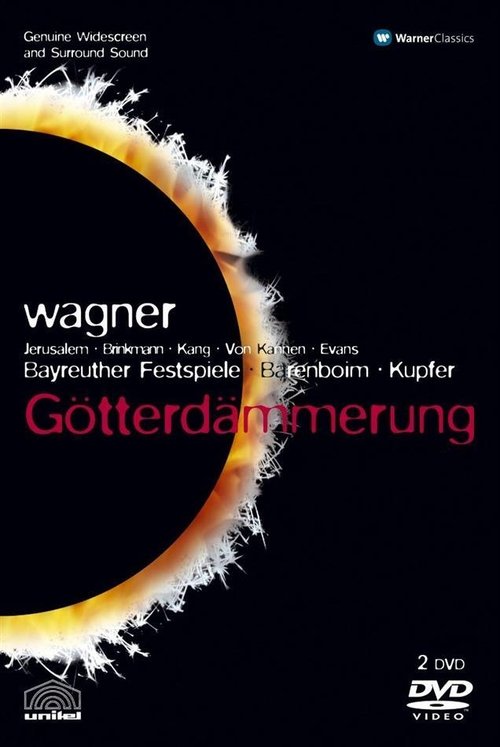
THIRD DAY OF THE RING CYCLE. Günter, the lord of the Rhine people, gives Siegfried a love potion that causes Siegfried to forget Brünnhilde and fall in love with Günter's sister Gutrane. Siegfried has given Brünnhilde the Ring as a token of their love, but her Valkyrie sister urges her to destroy it, because their father Wotan has lost his spear and power and is hiding out in Valhalla. Instead, Brünnhilde keeps it, and under the influence of the potion, Siegfried steals it from her. Enraged, Brünnhilde helps Alberich's son murder Siegfried, but Siegfried's memory returns, and he dies thinking of Brünnhilde. Brünnhilde repents and orders a funeral pyre to be built. She rides into the fire herself, and the Rhinemaidens get the ring back. The story closes with flames flickering about Valhalla in the background. Filmed at the Bayreuth Festspielhaus in June & July 1991.
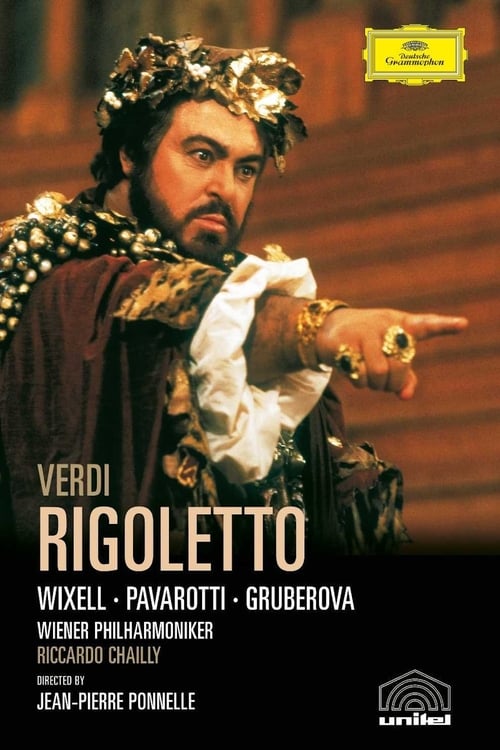
Rigoletto is a jester in the court of the Duke of Mantua. He has a hunch-back and he's rather unattractive, but he's good at his job of humiliating the courtiers for the amusement of the Duke. The courtiers, of course, are not amused. The Duke is a ladies man who feels his life would be meaningless if he couldn't chase every skirt he sees. In fact, we learn as the opera begins that he's recently been noticing a young lady every Sunday on her way to church, and he's vowed to have his way with her. What nobody realizes is that the girl is the jester's beloved daughter, Gilda, and that Gilda has seen the Duke every Sunday and is smitten with him. Suddenly Count Monterone appears at court, furious that the Duke has seduced his daughter. Rigoletto ridicules Monterone, the Duke laughs, and Monterone casts an awful curse on both of them. Later, the courtiers discover that Rigoletto is secretly living with Gilda...
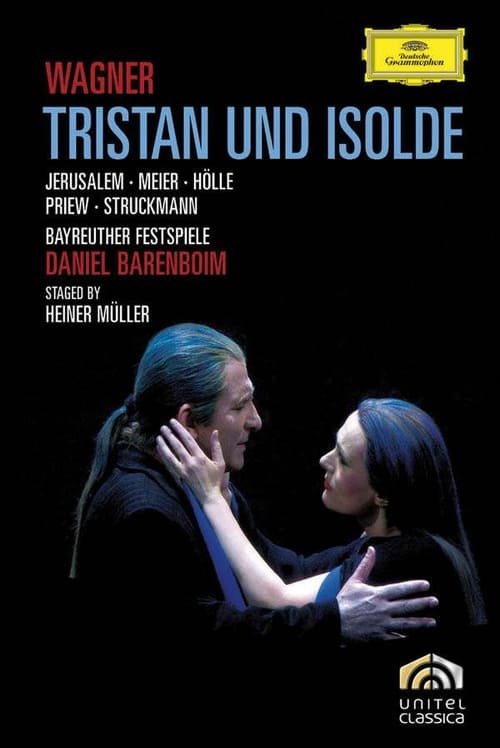
The Bayreuth Festival Opera House mounted this production of Richard Wagner's 1865 opera Tristan und Isolde as part of the Bayreuther Festspiele. Staged by Heiner Müller, it stars Siegfried Jerusalem, Waltraud Meier, Poul Elming and Uta Priew, and features musical accompaniment by The Orchestra and Chorus of the Bayreuther Festspiele.
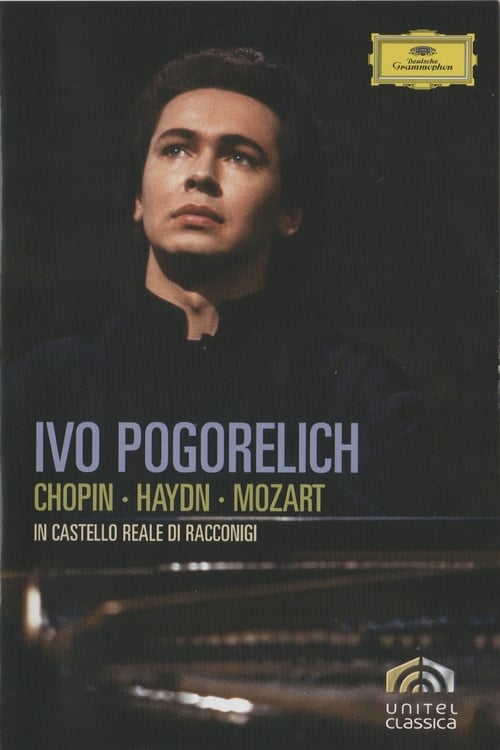
At the peak of his career, Ivo Pogorelich was filmed at Racconigi Castle in Italy playing four major works by Chopin as well as sonatas by Haydn an dMozart. Director Horant H. Hohlfeld captures the pianist's virtuosity in revealing close-ups. The program includes: CHOPIN Polonaise in c op40/2; Nocturne in E♭ op55/2; Prelude in c♯ op45; Sonata in b op58 // HAYDN Sonata in A♭ H16.46 // MOZART Sonata in A K331 "alla turca".
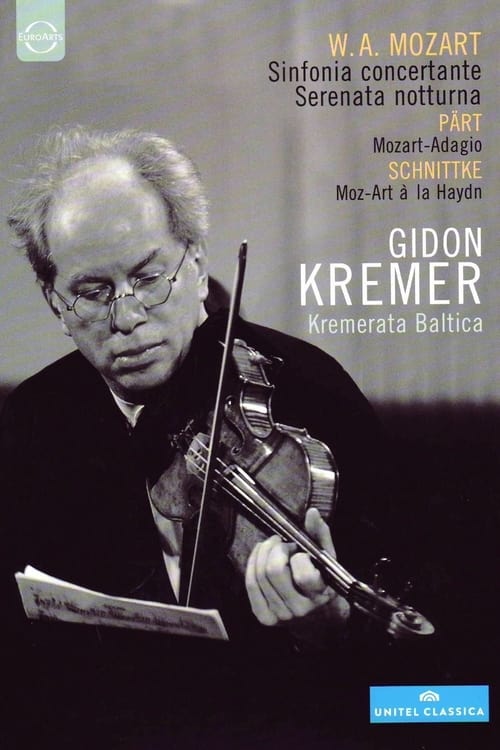
A series of three concerts performed by violinist Gidon Kremer and the Kremerata Baltica ensemble in Salzburg during "Mozart Week" at the Mozarteum on 31 January and 2 February 2002. On the program: Mozart's "Sinfonia concertante" and "Serenata notturna"; Arvo Pärt's "Mozart-adagio"; Alfred Schnittke's "Moz-Art à la Haydn"; and Teddy Bor's "McMozart's Eine kleine bricht Moonlicht Nicht Musik".
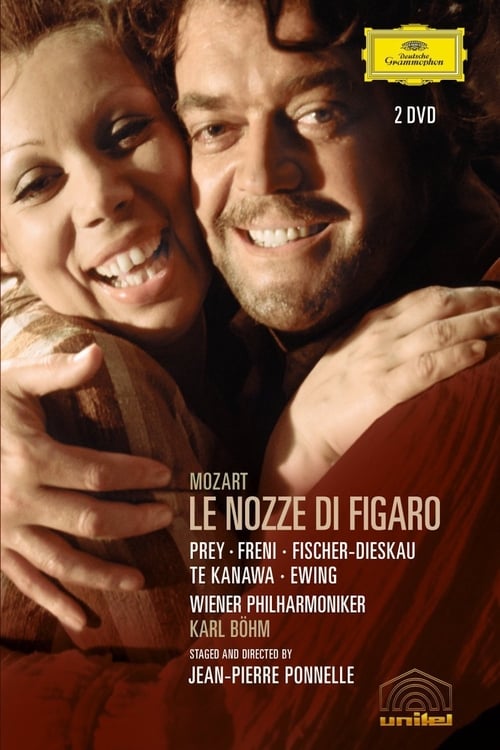
Mozart's Marriage of Figaro is a comedy whose dark undertones explore the blurred boundaries between dying feudalism and emerging Enlightenment. Herman Prey's Figaro is admirably sung in a firm baritone and aptly characterized. So too, is his antagonist, Dietrich Fischer-Dieskau as the Count perpetually frustrated by the scheming wiles of Figaro and Susanna, here the perky Mirella Freni, who sings and acts like a dream. The Countess is creamy-voiced Kiri Te Kanawa, and the Cherubino, Maria Ewing, looks just like the horny, teenaged page she's supposed to be. The all-star leads are complemented by worthy supporting singers, the Vienna Philharmonic at the top of its form, and the experienced Mozartian, Karl Böhm conducting a stylishly fleet performance.
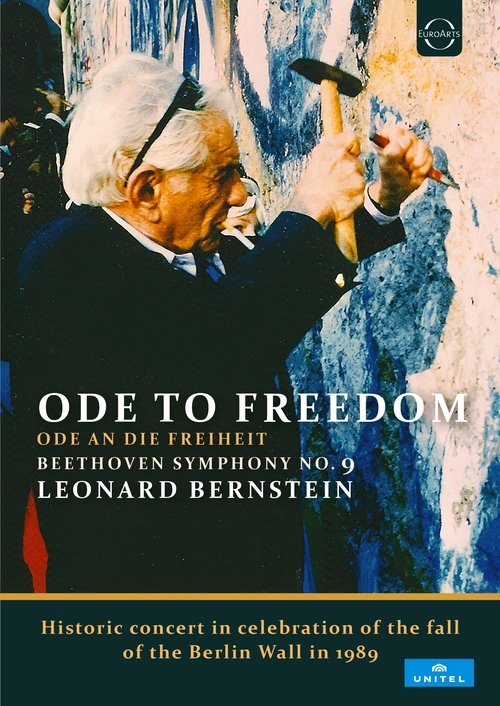
Conducted by Leonard Bernstein, this is an historic performance marking the fall of the Berlin Wall. Performed on Christmas Day 1989 in the former East Berlin, a concert that unites an cast former eastern and western Berlin musicians and vocalists, among with an international cast of musicians, for a moving performance of Beethoven's Ninth Symphony.
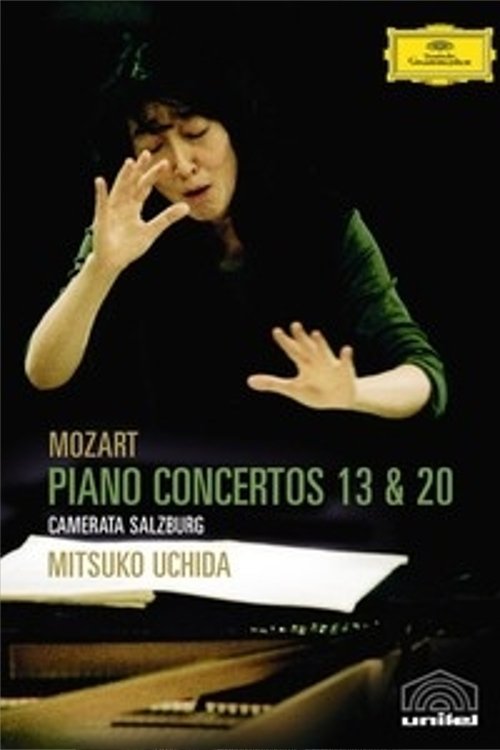
Either as director and pianist, or when combining the roles, Uchida lives every note, and the contribution from the orchestra is a vital one, not least from characterful woodwinds and with horns, trumpets and timpani adding a distinctive presence. Uchida's pianistic clarity and incision, and her unforced identification with the music, equates to the sort of playing that makes one listen to seemingly familiar music with fresh ears and to appreciate how an artist, even one as individual as Uchida, can search music but not dominate it . . . With crisp, well-balanced sound . . . this is a recommendable release
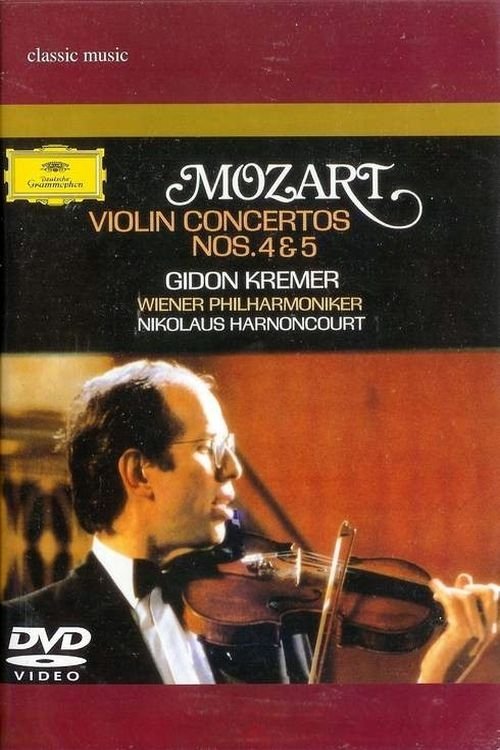
Mozart Violin Concertos Nos. 4 & 5 Gidon Kremer(Violin) Wiener Philharmoniker, conducted by Nikolaus Harnoncourt Violin Concerto No.4 in D major, K 218 1. (0:29) 2. Allegro (8:31) 3. Andante cantabile (6:14) 4. Rondeau, Andante grazioso - Allegro ma non troppo (7:54) (Kadenzen und Eingänge von Robert D. Levin) Violin Concerto No.5 in A major, K 219 1. (0:27) 2. Allegro aperto (9:21) 3. Adagio (10:16) 4. Rondeau, Tempo di Menuetto (9:31) (Kadenzen und Eingänge von Robert D. Levin)
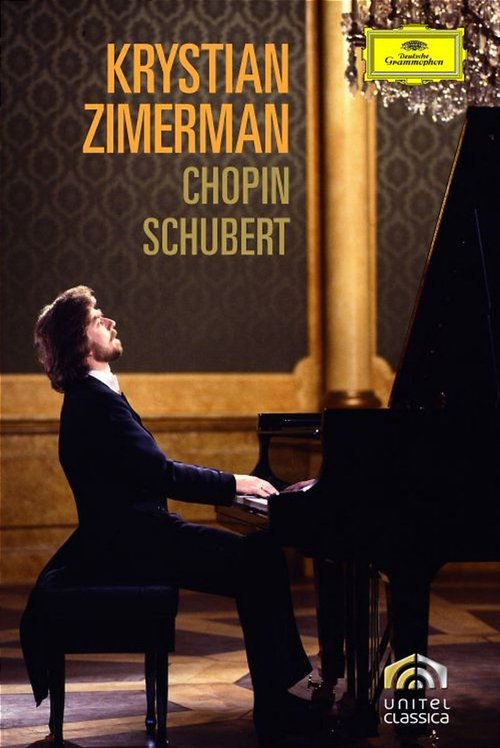
As one of the youngest winners ever in the International Frederick Chopin Piano Competition in 1975, Krystian Zimerman went on to an international career and has performed with all major orchestras and conductors. This 1987 film captures Zimerman at the height of his powers in riveting performances of Chopin and Schubert.