
Ottola Nesmith
Acting
Known For
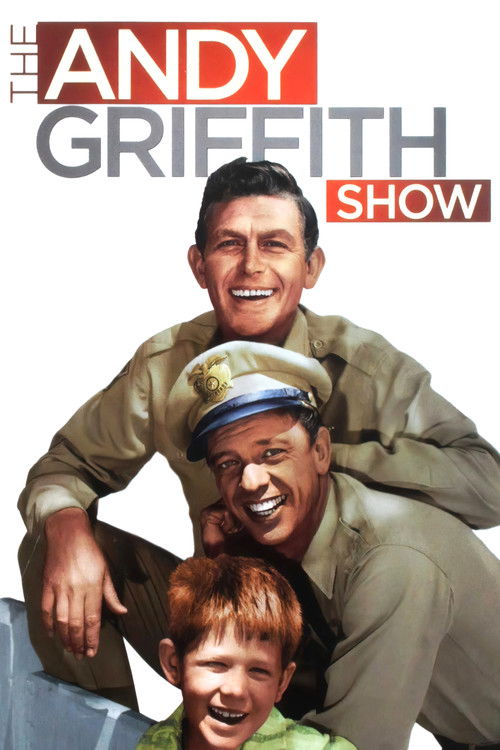
The Andy Griffith Show is an American sitcom first televised on CBS between October 3, 1960 and April 1, 1968. Andy Griffith portrays the widowed sheriff of the fictional small community of Mayberry, North Carolina. His life is complicated by an inept, but well-meaning deputy, Barney Fife, a spinster aunt and housekeeper, Aunt Bee, and a precocious young son, Opie. Local ne'er-do-wells, bumbling pals, and temperamental girlfriends further complicate his life. Andy Griffith stated in a Today Show interview, with respect to the time period of the show: "Well, though we never said it, and though it was shot in the '60s, it had a feeling of the '30s. It was when we were doing it, of a time gone by." The series never placed lower than seventh in the Nielsen ratings and ended its final season at number one. It has been ranked by TV Guide as the 9th-best show in American television history. Though neither Griffith nor the show won awards during its eight-season run, series co-stars Knotts and Bavier accumulated a combined total of six Emmy Awards. The show, a semi-spin-off from an episode of The Danny Thomas Show titled "Danny Meets Andy Griffith", spawned its own spin-off series, Gomer Pyle, U.S.M.C., a sequel series, Mayberry R.F.D., and a reunion telemovie, Return to Mayberry. The show's enduring popularity has generated a good deal of show-related merchandise. Reruns currently air on TV Land, and the complete series is available on DVD. All eight seasons are also now available by streaming video services such as Netflix.
The Andy Griffith Show
Four Star Playhouse is an American television anthology series that ran from 1952 to 1956, sponsored in its first bi-weekly season by The Singer Company; Bristol-Myers became an alternate sponsor when it became a weekly series in the fall of 1953. The original premise was that Charles Boyer, Ida Lupino, David Niven, and Dick Powell would take turns starring in episodes. However, several other performers took the lead from time to time, including Ronald Colman and Joan Fontaine. Blake Edwards was among the writers and directors who contributed to the series. Edwards created the recurring character of illegal gambling house operator Willie Dante for Dick Powell to play on this series. The character was later revamped and spun off in his own series starring Howard Duff, then-husband of Lupino. The pilot for Meet McGraw, starring Frank Lovejoy, aired here, as did another episode in which Lovejoy recreated his role of Chicago newspaper reporter Randy Stone, from the radio drama Nightbeat.
Four Star Playhouse
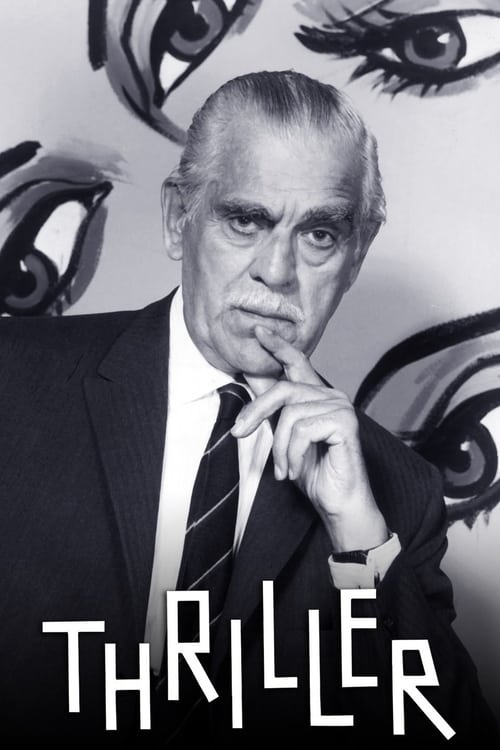
Thriller is an American anthology television series that aired during the 1960–61 and 1961–62 seasons on NBC. The show featured host Boris Karloff introducing a mix of self-contained, macabre weird-horror and morbid, hitchockian crime stories, in some of which he also starred.
Thriller

A television anthology series hosted by Alfred Hitchcock featuring dramas, thrillers, and mysteries.
Alfred Hitchcock Presents
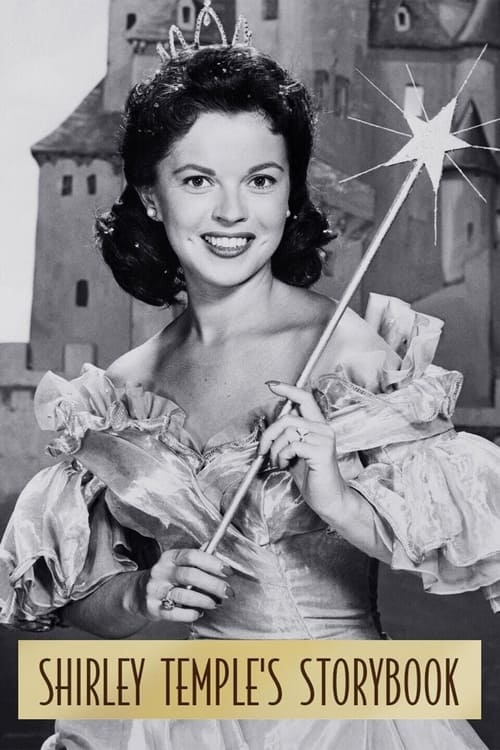
Shirley Temple's Storybook is an American children's anthology series hosted and narrated by actress Shirley Temple. The series features adaptations of fairy tales like Mother Goose and other family-oriented stories performed by well-known actors, although one episode, an adaptation of The House of the Seven Gables, was meant for older youngsters. Temple's three children made their acting debuts in the last episode of the first season, "Mother Goose".
Shirley Temple's Storybook
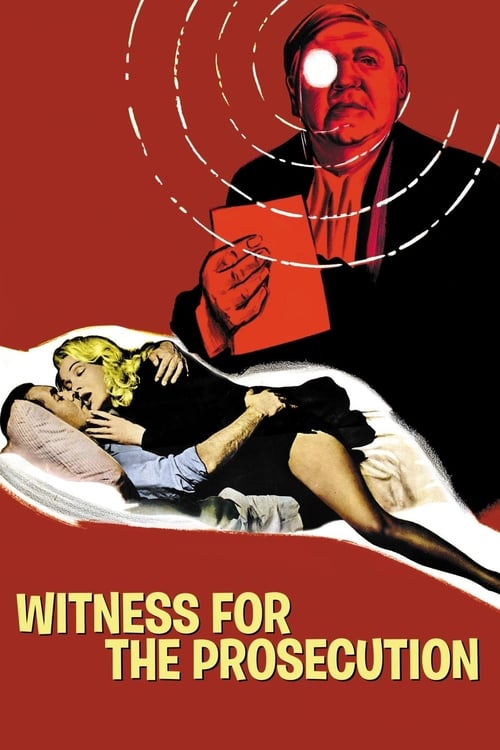
An ailing barrister is thrust back into the courtroom in what becomes one of the most unusual and eventful murder cases of the lawyer's career when he finds himself defending a man being tried for the murder of a socialite.
Witness for the Prosecution
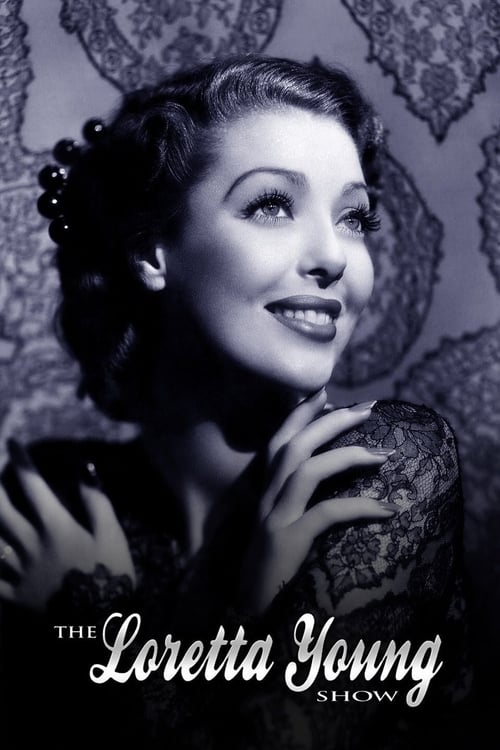
Letter to Loretta is an American anthology drama series telecast on NBC from September 1953 to June 1961 for a total of 165 episodes. The filmed show was hosted by Loretta Young who also played the lead in various episodes. Letter to Loretta was sponsored by Procter & Gamble from 1953 through 1960. The final season's sponsor was Warner-Lambert's Listerine.
Letter to Loretta

After his brother's death, Larry Talbot returns home to his father and the family estate. Events soon take a turn for the worse when Larry is bitten by a werewolf.
The Wolf Man
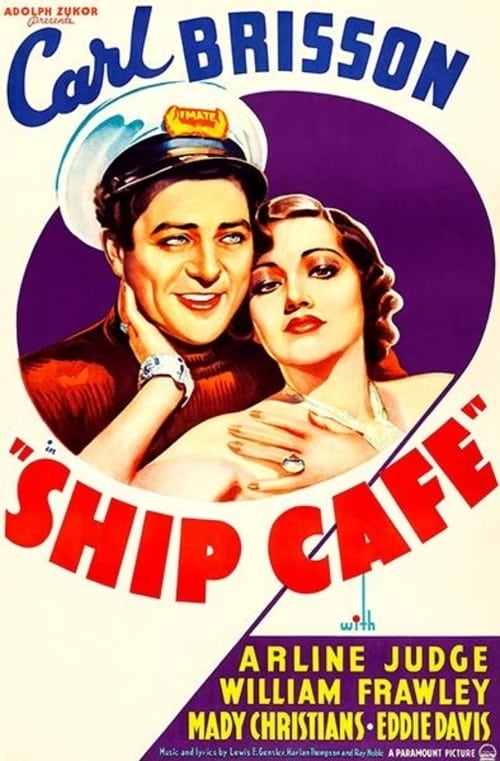
The singing stoker and the vamp.
Ship Cafe
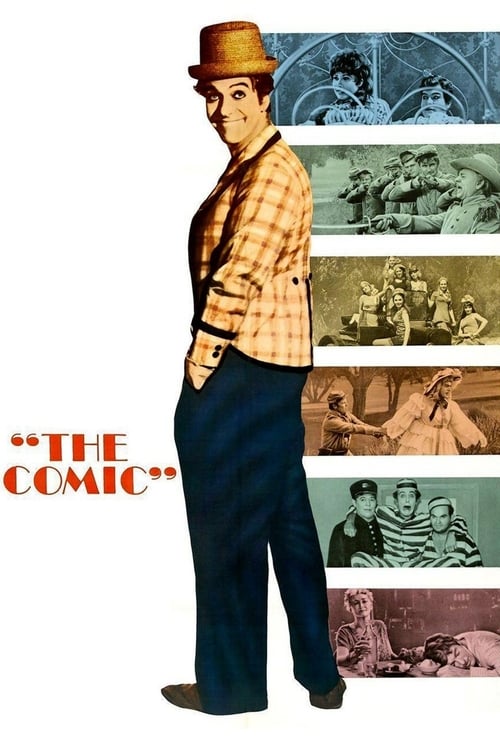
An account of the rise and fall of a silent film comic, Billy Bright. The movie begins with his funeral, as he speaks from beyond the grave in a bitter tone about his fate, and takes us through his fame, as he ruins it with womanizing and drink, and his fall, as a lonely, bitter old man unable to reconcile his life's disappointments. The movie is based loosely on the life of Buster Keaton.
The Comic
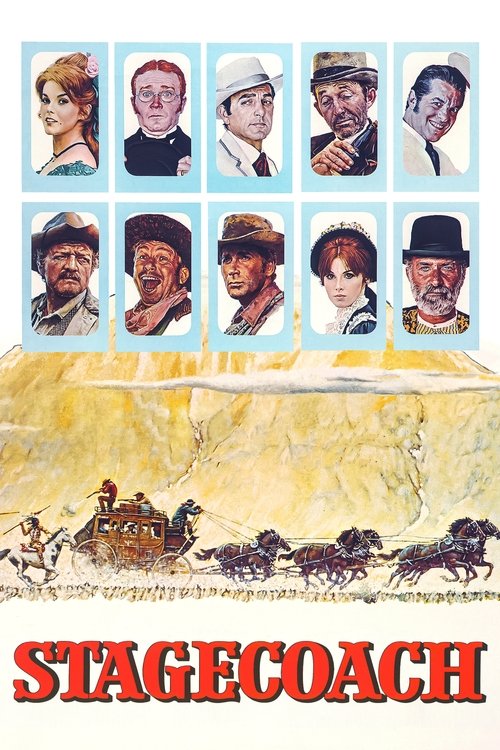
A group of unlikely travelling companions find themselves on the same stagecoach to Cheyenne. They include a drunken doctor, a bar girl who's been thrown out of town, a professional gambler, a travelling liquor salesman, a banker who has decided to embezzle money, a gun-slinger out for revenge and a young woman going to join her army captain husband. All have secrets but when they are set upon by an Indian war party and then a family of outlaws, they find they must all work together if they are to stay alive.
Stagecoach

Middle-class housewife Kay Miniver deals with petty problems. She and her husband Clem watch her Oxford-educated son Vin court Carol Beldon, the charming granddaughter of the local nobility as represented by Lady Beldon. Then the war comes and Vin joins the RAF.
Mrs. Miniver
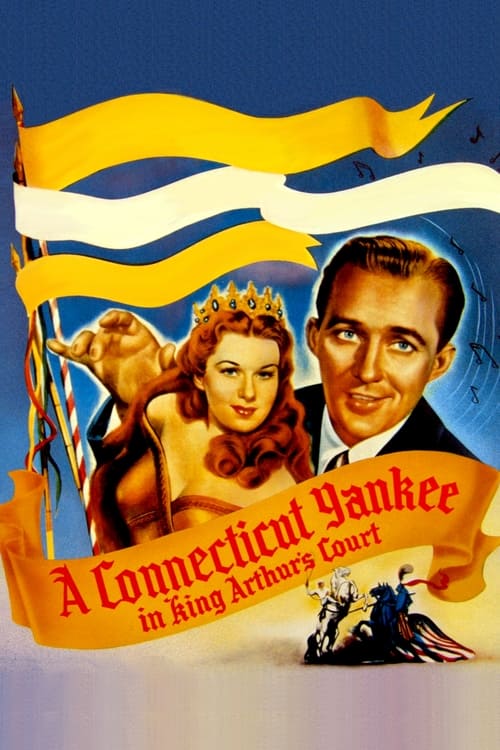
A bump on the head sends Hank Martin, 1905 auto mechanic, to Arthurian England, 528 A.D., where he is befriended by Sir Sagramore le Desirous and gains power by judicious use of technology. He and Alisande, the King's niece, fall in love at first sight, which draws unwelcome attention from her fiancée Sir Lancelot; but worse trouble befalls when Hank meddles in the kingdom's politics.
A Connecticut Yankee in King Arthur's Court
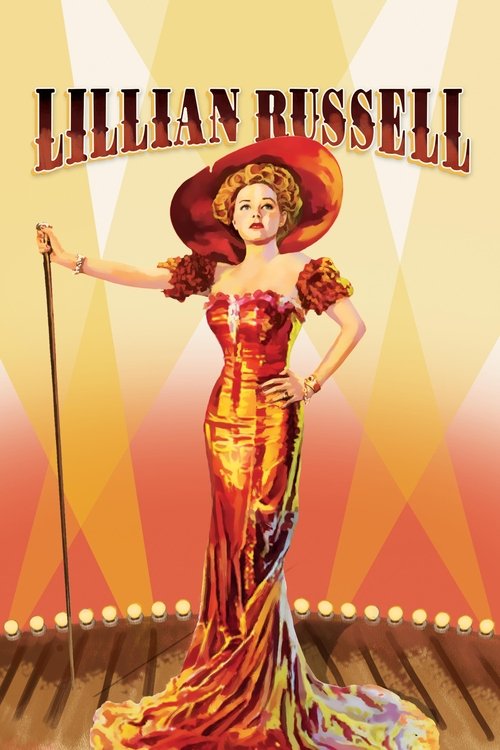
Alice Faye plays the title role in this 1940 film biography of the early-20th-century stage star.
Lillian Russell
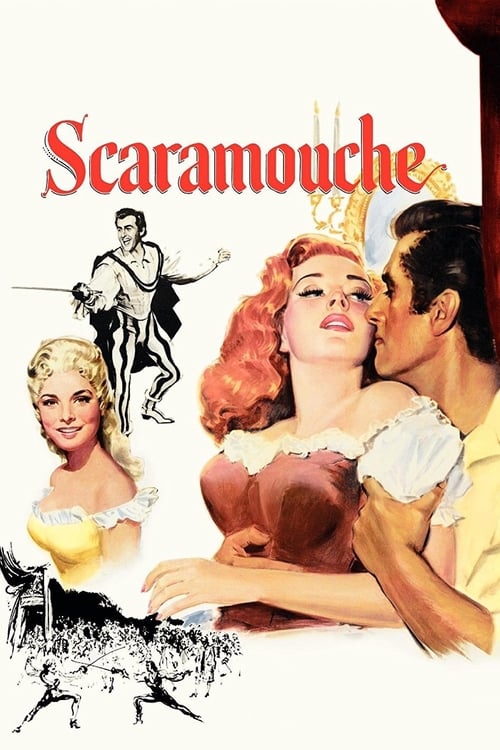
In 18th-century France, a young man masquerades as an actor to avenge his friend's murder.
Scaramouche
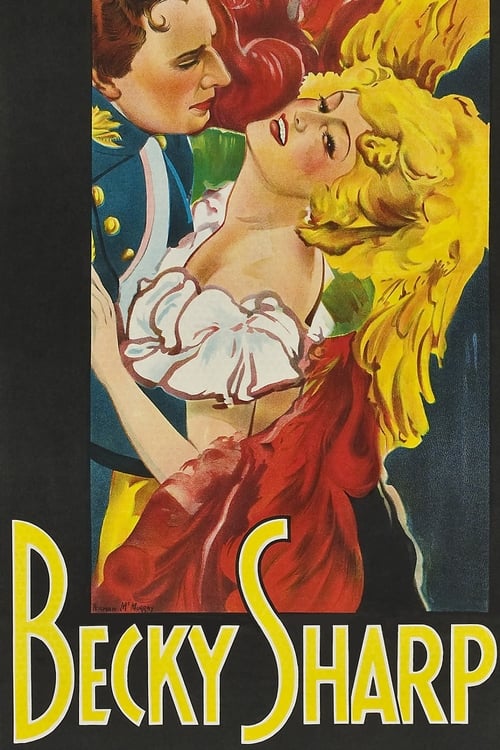
In early 19th century England, ambitious and ruthless orphan Rebecca Sharp advances from the position of governess to the heights of British society. The first feature length film to use three-strip Technicolor.
Becky Sharp

An American junior diplomat in London rents a house from, and falls in love with, a woman suspected of murder.
The Notorious Landlady

The buoyant Molly Brown has survived the first crisis of her life—a flood. Sixteen years later she sets out to make her way in the world. She assures the Leadville saloon keeper that she can sing and play the piano, and learns quickly. Soon she marries Johnny Brown, who in a few years will be able to replace the original cigar wrapper wedding ring with a replica in gold and gemstones. The Browns head for Europe and bring a few crowned heads back to Denver for a party that turns into a ballroom brawl. Molly goes to Europe alone, returning on the Titanic. She didn't survive a flood as a baby for the story to end here.
The Unsinkable Molly Brown
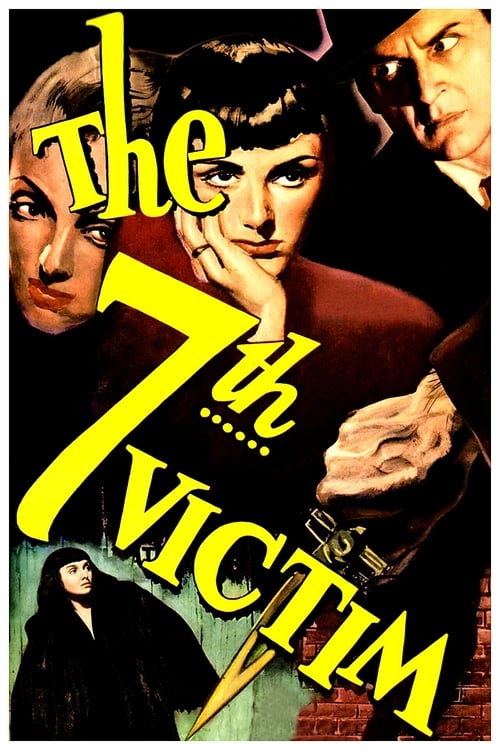
After young Mary Gibson discovers that her older sister Jacqueline has disappeared, she leaves her boarding school and heads to New York City to track down her sibling. But Mary gets drawn deeper into the mystery.
The Seventh Victim
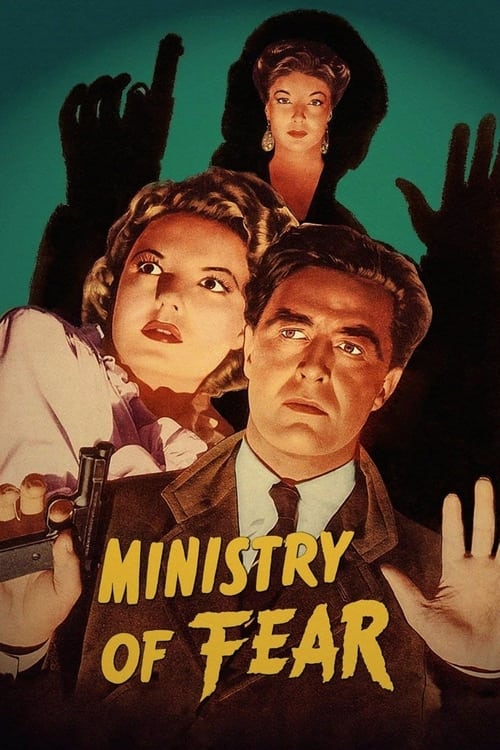
Stephen Neale is released into WWII England after two years in an asylum, but it doesn't seem so sane outside either. On his way back to London to rejoin civilization, he stumbles across a murderous spy ring and doesn't quite know to whom to turn.