Shel Silverstein
Sound
Biography
Sheldon Allan Silverstein (September 25, 1930 – May 10, 1999) was an American writer, poet, cartoonist, songwriter, and playwright. Born and raised in Chicago, Illinois, Silverstein briefly attended university before being drafted into the United States Army. Though perhaps best known for his children's books, Silverstein did not limit his audience to children. During his rise to prominence in the 1950s, his illustrations were published in various newspapers and magazines, notably the adult-oriented Playboy.
Known For
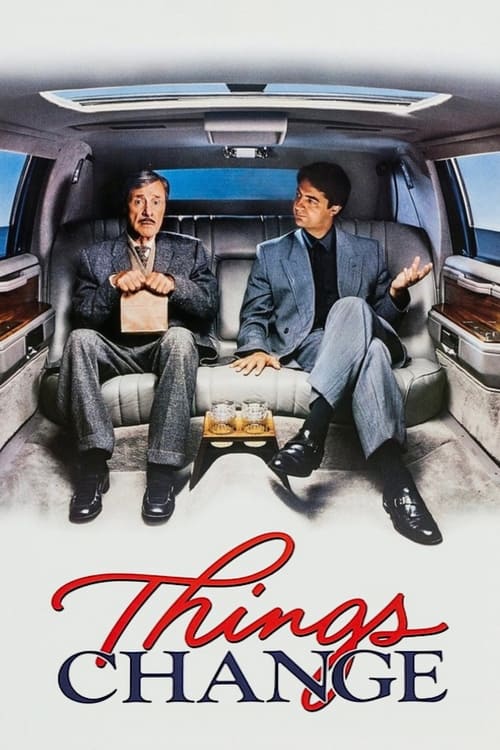
Jerry, a misfit Mafia henchman, is assigned the low-level job of keeping an eye on Gino, a shoe repairman fingered by the Mob to confess to a murder he didn't commit. But Gino's mistaken for a Mafia boss, and the two are suddenly catapulted to the highest levels of mobster status. Only friendship will see them through this dangerous adventure alive!
Things Change
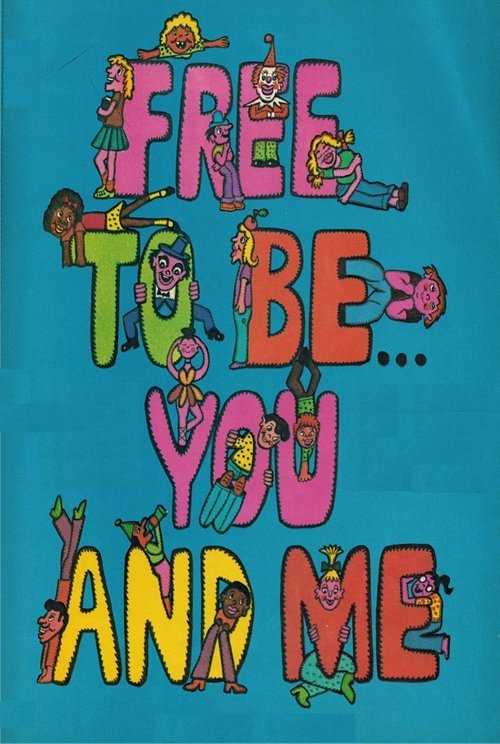
Free to Be…You and Me, a project of the Ms. Foundation for Women, is a record album, and illustrated book first released in November 1972, featuring songs and stories from many current celebrities of the day (credited as "Marlo Thomas and Friends") such as Alan Alda, Rosey Grier, Cicely Tyson, Carol Channing, Michael Jackson, and Diana Ross, among others. An ABC Afterschool Special using poetry, songs, and sketches, followed two years later in March 1974. The basic concept is to encourage a post-60's gender neutrality, while saluting values such as individuality, tolerance, and happiness with one's identity. A major thematic message is that anyone, whether a boy or a girl, can achieve anything.
Free to Be… You and Me
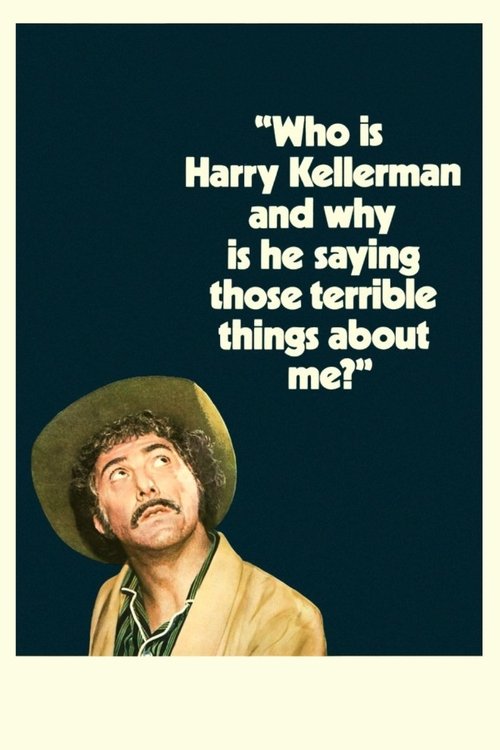
Hugely successful but impossibly neurotic songwriter Georgie Soloway is sliding into a mid-life crisis. He believes that all of his past romantic relationships have been destroyed not by his own failings but by the interference of the mysterious Harry Kellerman. Family, friends, and his psychiatrist cannot give him the help he seeks. When his father is diagnosed with a terminal illness, Georgie begins spending more and more time flying his personal aircraft, distancing himself physically, emotionally, and mentally from the real world.
Who Is Harry Kellerman and Why Is He Saying Those Terrible Things About Me?
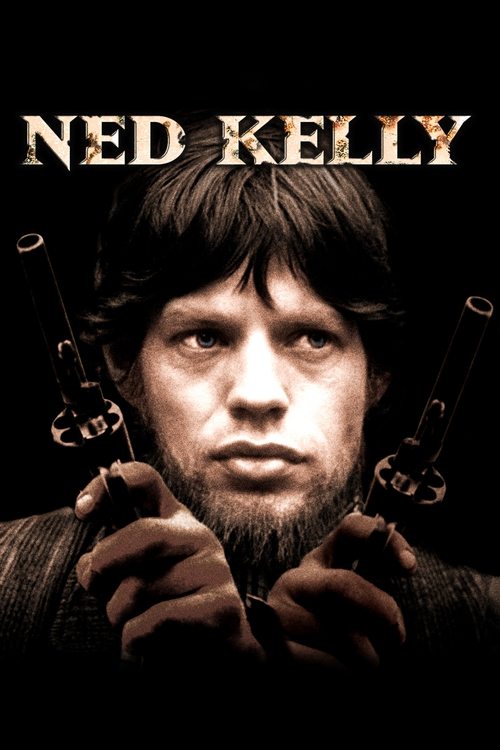
Unable to support his family in the Australian outback, a man turns to stealing horses in order to make money. He gets more deeply drawn into the outlaw life, and eventually becomes involved in murders. Based on the life of famed 19th-century Australian outlaw Ned Kelly.
Ned Kelly
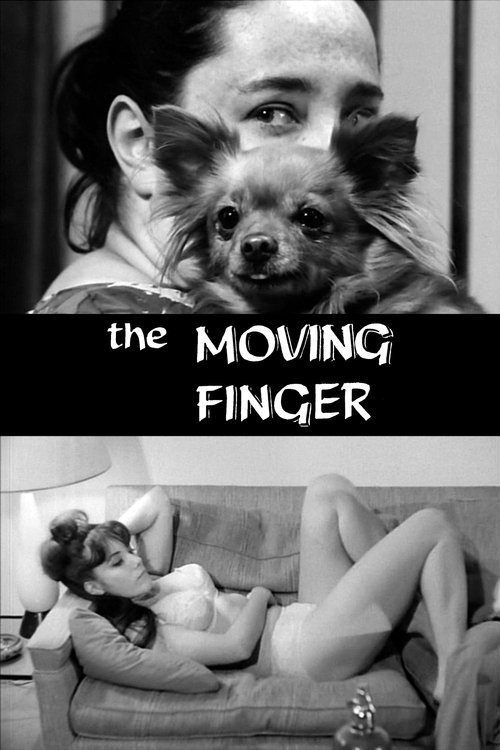
A rare beatnik artifact of the early 1960s, one of only a few such films made before the hippies took over Hollywood. Low budget and in b&w, it's set in Greenwich Village, with what seems like a mostly improvised script. It begins as a late film noir crime tale involving a bank robbery where only one of a group of thieves escapes with his life, as well as $90,000 in loot. Injured and on the run, he hides in a local tour bus and is soon taken in by a group of bohemians who shoot him full of morphine to ease his pain and let him sleep it off on a mattress. Mason is the head beatnik. There's also the owner of both an upstairs coffeehouse and garret, where these beatniks hang out. They, in turn, bring the tourist trade in. Although the robbery is supposed to be the main focus of the plot, it quickly turns into more of a character study featuring these rebellious bon vivants and their odd lifestyle...
The Moving Finger
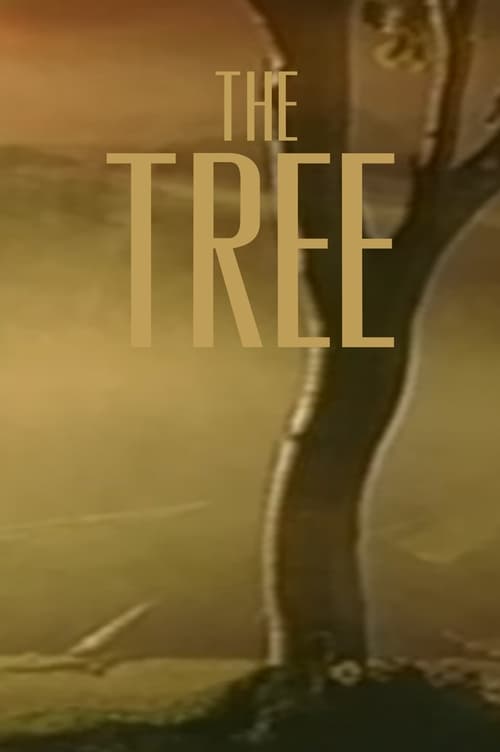
An apple tree set on a rural ridge, is where we glimpse the boy mature, fall in love, go to war, return with his own son, and finally pay his last respects as a very old man who has seen too much change.
The Tree
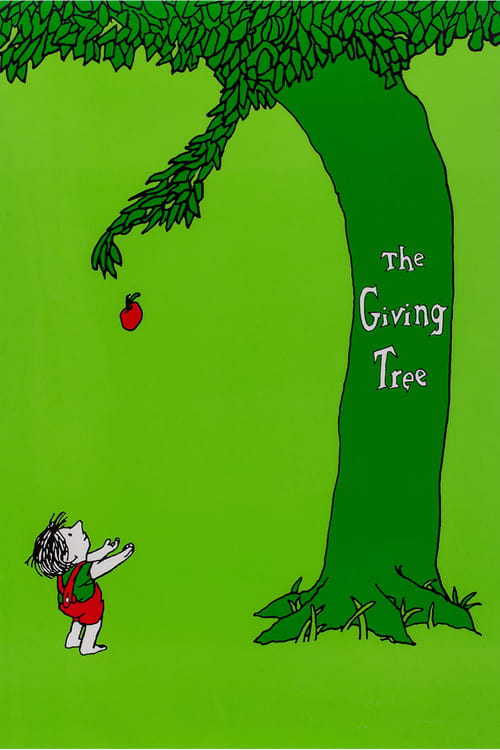
A boy and a tree grow old together.
The Giving Tree
Have you been to the land of happy, Where everyone's happy all day, Where they joke and they sing Of the happiest things, And everything's jolly and gay? There's no one unhappy in Happy There's laughter and smiles galore. I have been to The Land of Happy- What a bore