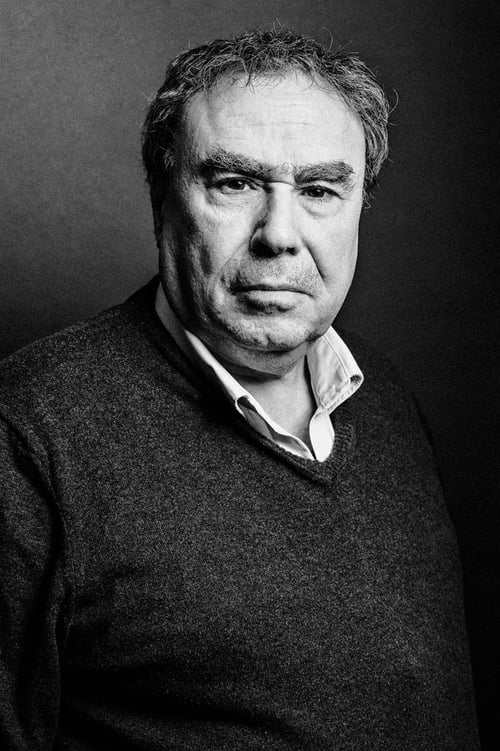
Benjamin Stora
Acting
Known For
Every day live on FRANCE 5, Anne-Élisabeth Lemoine and her team receive those who make the news. In the second part, the program welcomes, around a meal prepared by a qualified chef, artists in promotion.
C à vous
No description available.
C ce soir, le débat

No description available.
C Politique

No description available.
Rembob'Ina

No description available.
Un film et son époque
No description available.
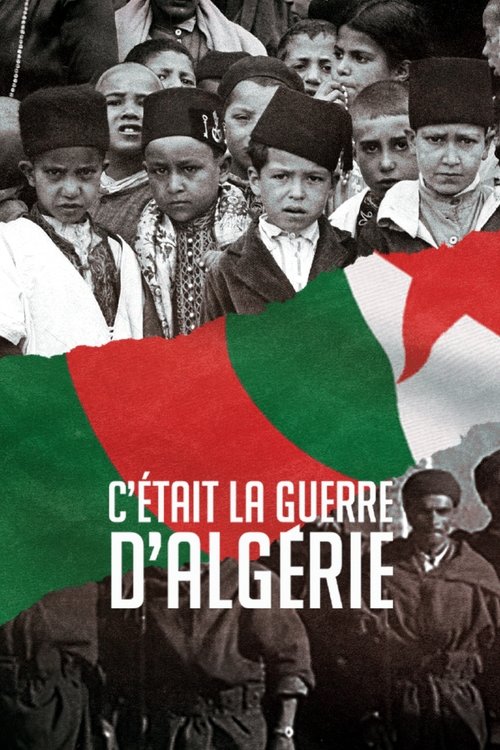
It Was the War of Algeria

Fifty years after the Independence of Algeria, the civil war 1954-62 is still a unknown subject for many people. This documentary brings along facts and data to understand why such events were a big trauma for both communities and by the way, explains the reason for the return to the power of the General de Gaulle (set up of a French constitution in 1958).
Guerre d'algérie, la déchirure

Frantz Fanon alone embodies all the issues of French colonial history. Martinican resistance fighter, he enlisted, like millions of colonial soldiers, in the Free Army out of loyalty to France and the idea of freedom that it embodies for him. A writer, he participated in the bubbling life of Saint-Germain with Césaire, Senghor and Sartre, debating tirelessly on the destiny of colonized peoples. As a doctor, he revolutionized the practice of psychiatry, seeking in the relations of domination of colonial societies the foundations of the pathologies of his patients in Blida. Activist, he brings together through his action and his history of him, the anger of peoples crushed by centuries of colonial oppression. But beyond this exceptional journey which makes sensitive the permanence of French colonialism in the Lesser Antilles at the gates of the Algerian desert, he leaves an incomparable body of work which has made him today one of the most studied French authors across the Atlantic.
Frantz Fanon, trajectoire d'un révolté
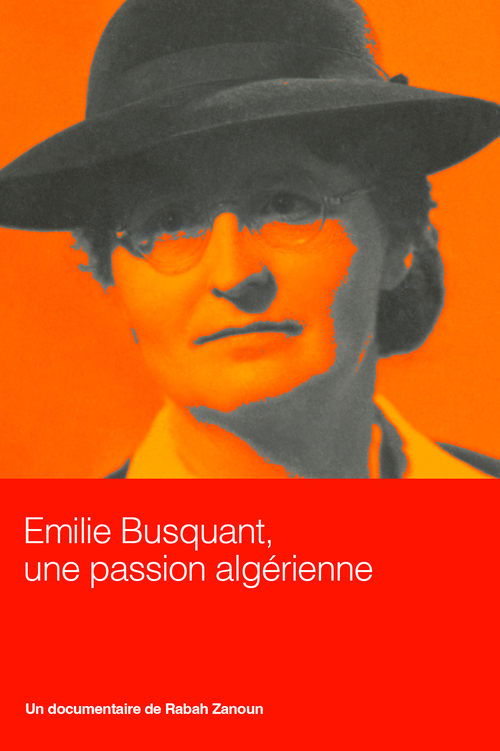
Emilie Busquant, a woman with an exceptional destiny, was born on March 3, 1901, in Neuves-Maisons, Lorraine. In 1923, she moved to Paris to find work and met Messali Hadj, who had also come seeking employment. A beautiful love story began; she fell in love with both a man and a cause: the independence of Algeria. Together, in 1926, they founded the first Algerian independence party, the North African Star (Étoile Nord-Africaine). She would support the Algerian people's struggle throughout her life.
Emilie Busquant, une passion algérienne
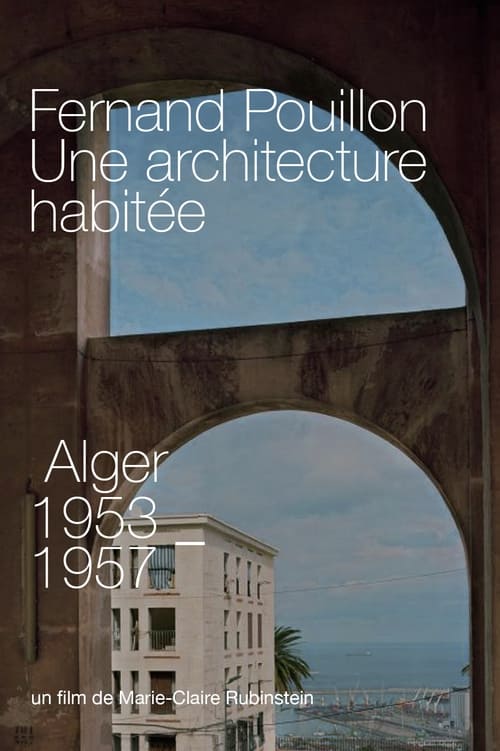
In this documentary, Marie-Claire Rubinstein reveals to us, through the testimonies of the inhabitants who live there, the architectural achievements of the French urban planner Fernand Pouillon in Algiers. In particular the vast complexes of hundreds of social housing units, including the most famous Diar E Saâd (1953), Diar El Mahçoul (1954) and Climat de France (1957). The historical context, during the war of independence is related by the historian Benjamin Stora and Nadir Boumaza. This documentary also evokes the personality of Fernand Pouillon in a post-colonial context.
Fernand Pouillon, Une architecture habitée
No description available.
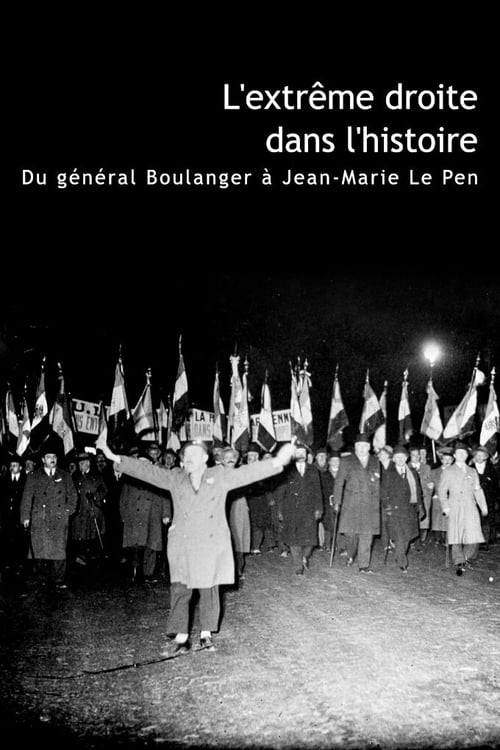
L'Extrême Droite dans l'Histoire : Du général Boulanger à Jean-Marie Le Pen

No description available.
Il était une fois... « Les aventures de Rabbi Jacob »
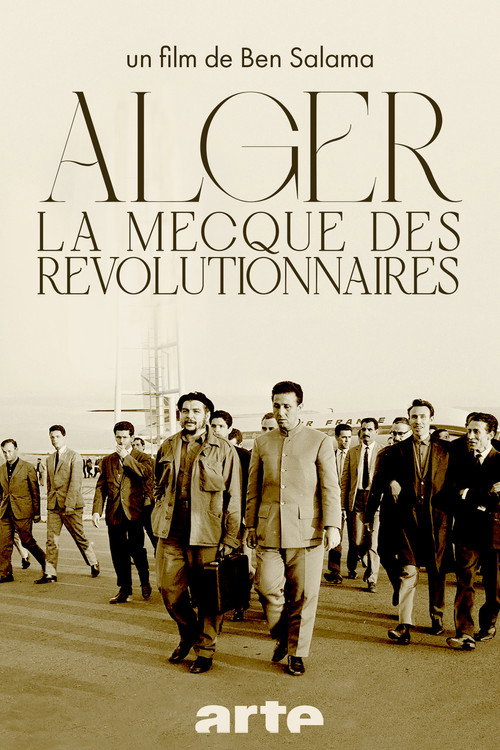
From the early 1960s to the mid-1970s, independent Algeria provided significant support to anti-colonial movements and revolutionaries worldwide. Successive presidents, Ahmed Ben Bella and then Houari Boumédiène, made Algiers a haven for activists fighting against colonial and racial oppression. Algiers the White became Algiers the Red. The internationalist Che Guevara established his base of operations there for his guerrilla activities in Africa. The African-American leader Eldridge Cleaver made it the international headquarters of the Black Panther Party. During this period, Algiers was known as "The Mecca of Revolutionaries."
Algiers, the Mecca of Revolutionaries (1962-1974)
No description available.
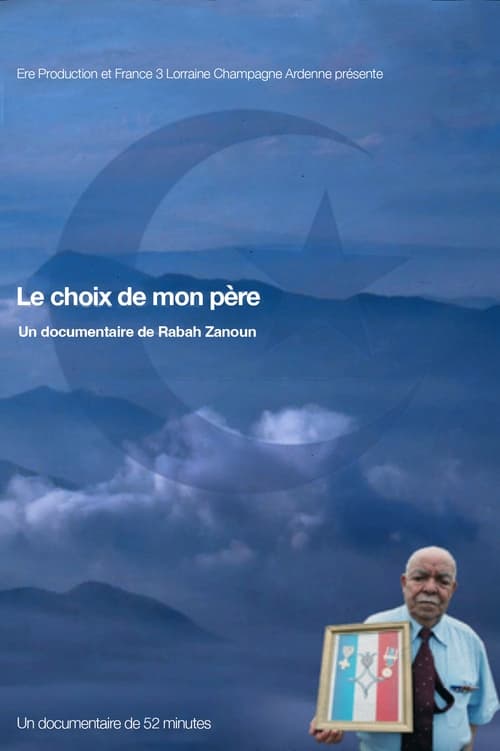
Le Choix de mon père
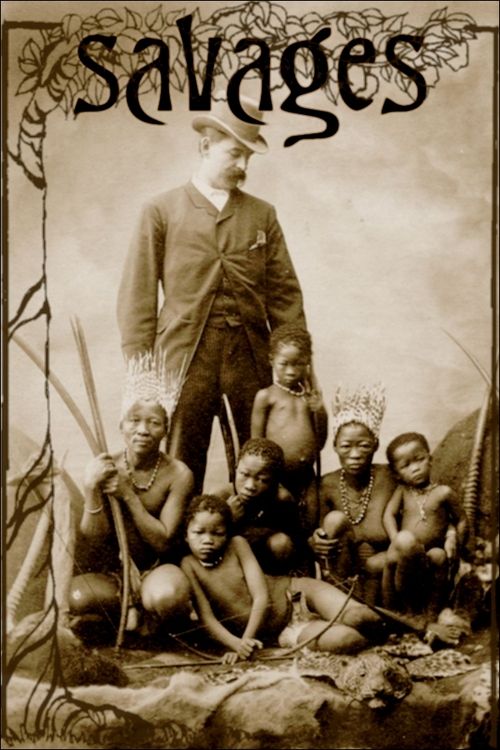
For more than a century the great colonial powers put human beings, taken by force from their native lands, on show as entertainment, just like animals in zoos; a shameful, outrageous and savage treatment of people who were considered subhuman.
Savages: The Story of Human Zoos
No description available.
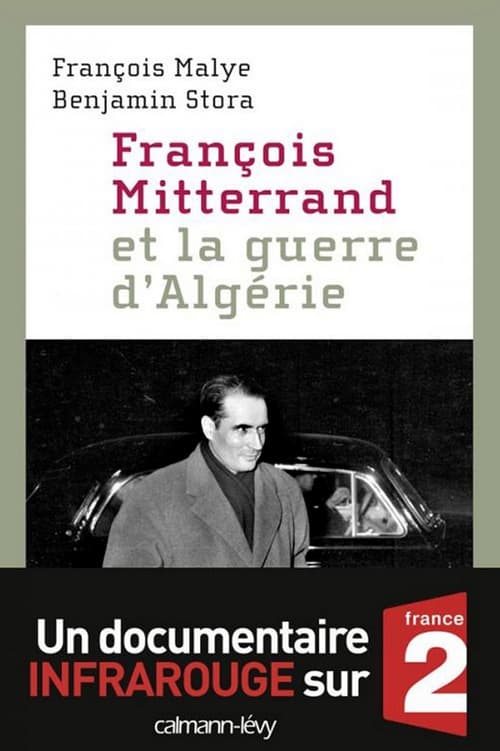
François Mitterrand et la guerre d'Algérie
No description available.
Farida, Rachid, Zinedine et les autres
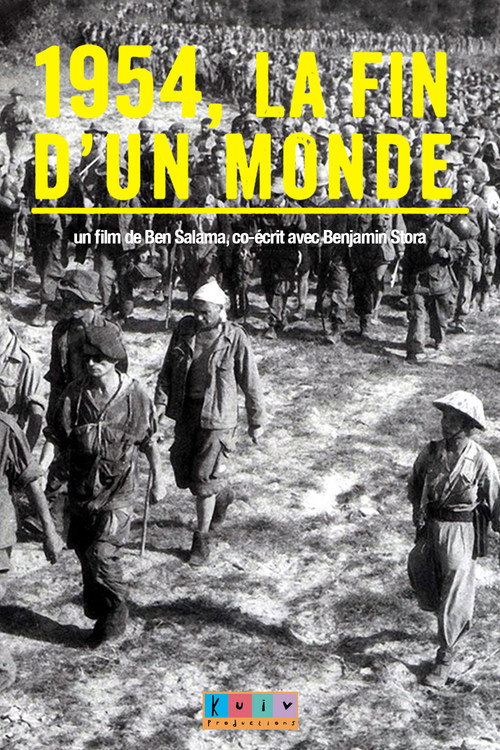
No description available.
1954, La fin d'un monde
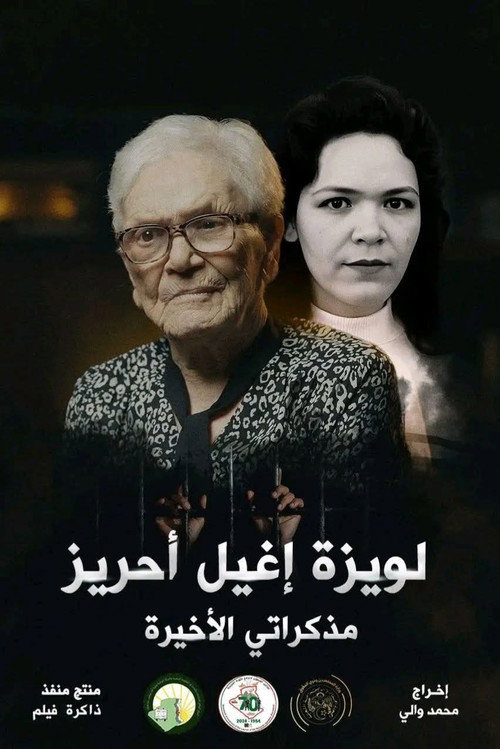
Biography of Louisette Ighilahriz, an activist for Algerian independence who was arrested and tortured by the French army.
Louisette Ighilahriz, My Last Memories
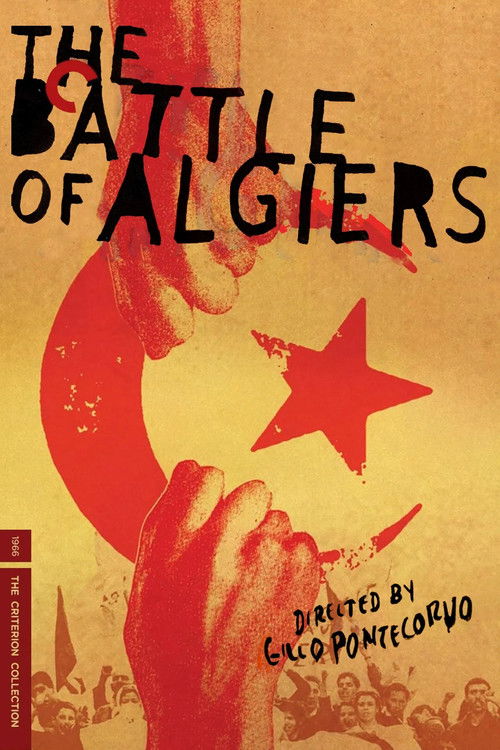
Made just three years after the end of the French-Algerian War (1954-1962), Gillo Pontecorvo's The Battle Of Algiers instantly ignited discussions of this complex historical period. Using the film as a point of reference, this 2004 documentary attempts to reconstruct the Algerian experience of the battle for independence.