FEEL IT.STREAM
Kathryn Card

Kathryn Card

Acting

Biography

From Wikipedia, the free encyclopedia Kathryn Card (October 4, 1892 – March 1, 1964) was an American radio, television and film actress who may be best remembered for her role as Mrs. MacGillicuddy, Lucy's mother on I Love Lucy. Her first screen credit was in 1945 for her role as Louise in the Corliss Archer movie Kiss and Tell, starring Shirley Temple as Corliss Archer. The next year she appeared in Undercurrent with Robert Taylor, Katharine Hepburn, and Robert Mitchum. Then, in 1949, Card gave an interesting albeit brief performance (uncredited) as an extremely polite but no-nonsense loan processor for prospective borrower Joan Bennett in The Reckless Moment. On February 8, 1954, Card made her first television appearance in an episode of I Love Lucy. The installment, entitled "Fan Magazine Interview", featured Card playing a slatternly woman named Minnie Finch. The following year she was cast as a totally different character, Mrs. MacGillicuddy, Lucy's bird-brained mother. She joined the Ricardos and the Mertzes in Hollywood when Lucy's husband, Ricky Ricardo, was given the opportunity to star in a motion picture. Mrs MacGillicuddy would frequently annoy Ricky immeasurably by mistakenly calling him "Mickey" or mistaking him for his fellow bandleader Xavier Cugat. She portrayed that character in five episodes during the 1954-1955 season, and appeared in three more installments during the 1955-1956 season when the Ricardos and the Mertzes traveled to Europe. However, Card's character never appeared again once both couples moved to Connecticut in the following year. She reprised that role for the last time in one episode of The Lucille Ball-Desi Arnaz Show entitled "The Ricardos Go to Japan", which also featured guest star Robert Cummings, in 1959. In addition to I Love Lucy, Card guest starred on several other television shows. She made two guest appearances in 1959 on Perry Mason, as Hannah Barton in "The Case of the Deadly Toy," and Harriet Snow in "The Case of the Watery Witness." Other television appearances included Make Room for Daddy, Alfred Hitchcock Presents, and Rawhide. Her final film appearance was in the 1964 MGM musical The Unsinkable Molly Brown.
Known For

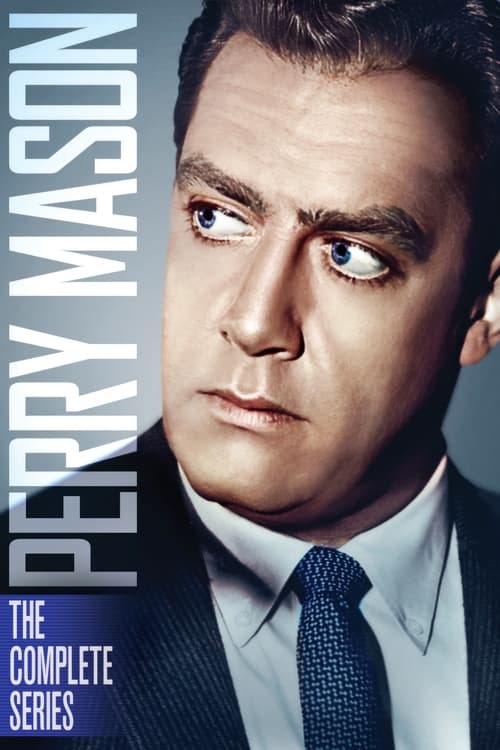
Perry Mason
7.7

The cases of master criminal defense attorney Perry Mason and his staff who handled the most difficult of cases in the aid of the innocent.

Perry Mason

1957
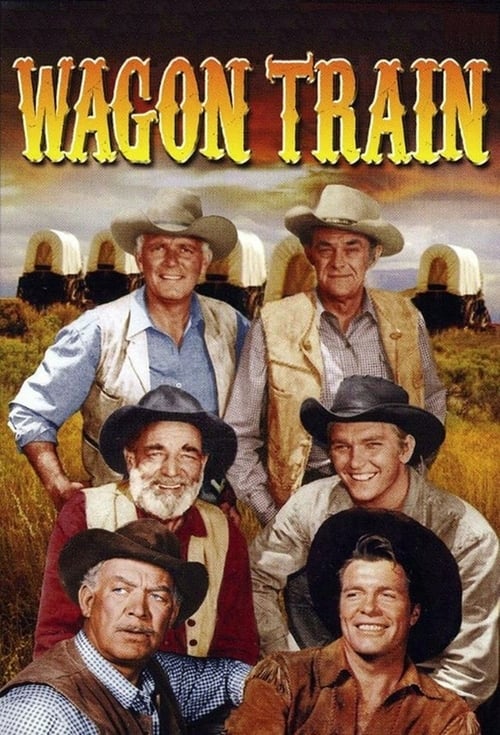
Wagon Train
6.6

The series initially starred veteran movie supporting actor Ward Bond as the wagon master, later replaced upon his death by John McIntire, and Robert Horton as the scout, subsequently replaced by lookalike Robert Fuller a year after Horton had decided to leave the series. The series was inspired by the 1950 film Wagon Master directed by John Ford and starring Ben Johnson, Harry Carey Jr. and Ward Bond, and harkens back to the early widescreen wagon train epic The Big Trail starring John Wayne and featuring Bond in his first major screen appearance playing a supporting role. Horton's buckskin outfit as the scout in the first season of the television series resembles Wayne's, who also played the wagon train's scout in the earlier film.

Wagon Train

1957
The Virginian
6.5

The Shiloh Ranch in Wyoming Territory of the 1890s is owned in sequence by Judge Henry Garth, the Grainger brothers, and Colonel Alan MacKenzie. It is the setting for a variety of stories, many more based on character and relationships than the usual western.

The Virginian

1962
Climax!
3.8

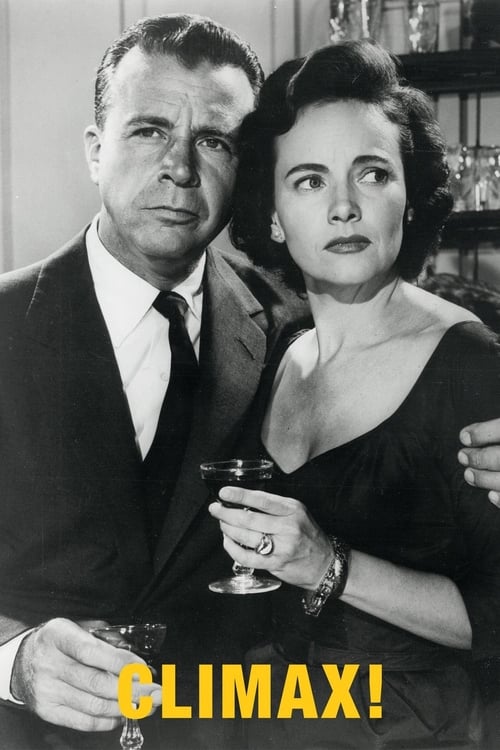
Climax! is an American anthology series that aired on CBS from 1954 to 1958. The series was hosted by William Lundigan and later co-hosted by Mary Costa. It was one of the few CBS programs of that era to be broadcast in color. Many of the episodes were performed and broadcast live.

Climax!

1954
No image
6.8

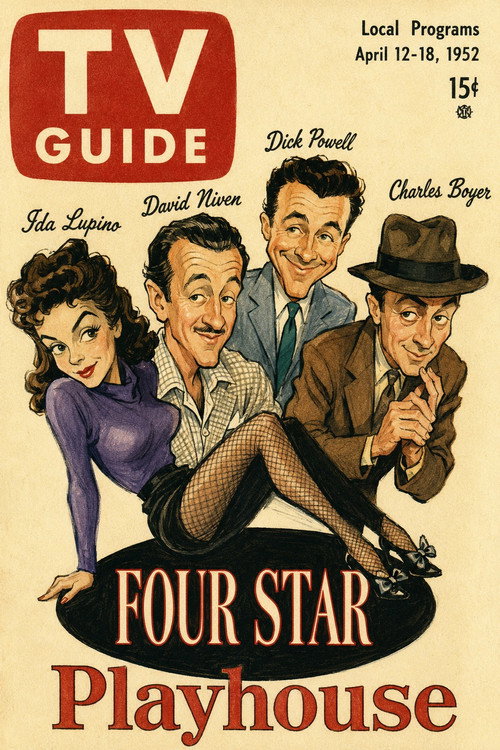
Four Star Playhouse is an American television anthology series that ran from 1952 to 1956, sponsored in its first bi-weekly season by The Singer Company; Bristol-Myers became an alternate sponsor when it became a weekly series in the fall of 1953. The original premise was that Charles Boyer, Ida Lupino, David Niven, and Dick Powell would take turns starring in episodes. However, several other performers took the lead from time to time, including Ronald Colman and Joan Fontaine. Blake Edwards was among the writers and directors who contributed to the series. Edwards created the recurring character of illegal gambling house operator Willie Dante for Dick Powell to play on this series. The character was later revamped and spun off in his own series starring Howard Duff, then-husband of Lupino. The pilot for Meet McGraw, starring Frank Lovejoy, aired here, as did another episode in which Lovejoy recreated his role of Chicago newspaper reporter Randy Stone, from the radio drama Nightbeat.

Four Star Playhouse

1952
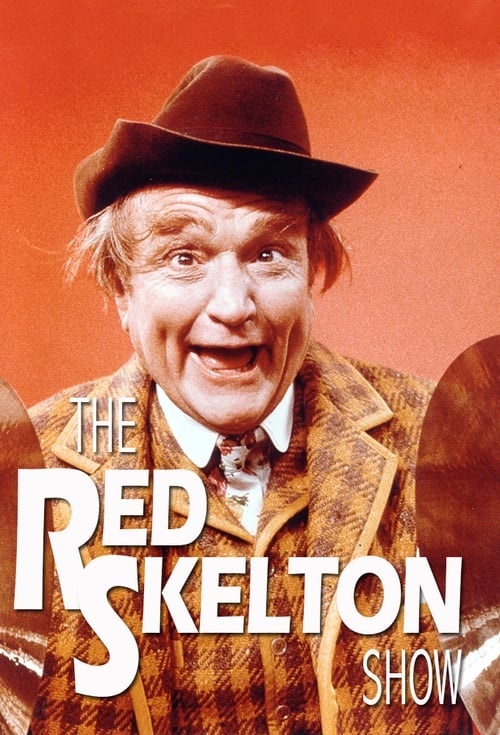
The Red Skelton Show
7.4

The Red Skelton Show is an American variety show that was a television staple for two decades, from 1951 to 1971. It was second to Gunsmoke and third to The Ed Sullivan Show in the ratings during that time. Skelton, who had previously been a radio star, had appeared in several motion pictures as well. Although his television series is largely associated with CBS, where it appeared for more than fifteen years, it actually began and ended on NBC. During its run, the program received three Emmy Awards, for Skelton as best comedian and the program as best comedy show during its initial season, and an award for comedy writing in 1961.

The Red Skelton Show

1951
Dick Powell's Zane Grey Theatre
6.2

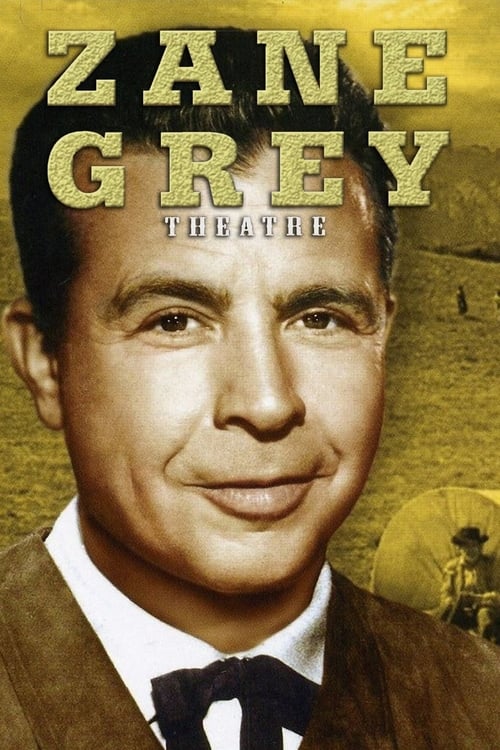
Dick Powell's Zane Grey Theatre, sometimes simply called Zane Grey Theatre, is an American Western anthology series which ran on CBS from 1956 to 1961.

Dick Powell's Zane Grey Theatre

1956
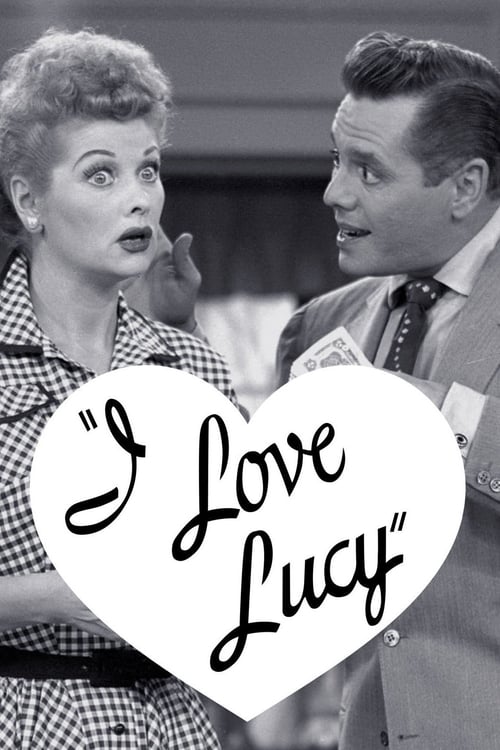
I Love Lucy
7.9

Cuban Bandleader Ricky Ricardo would be happy if his wife Lucy would just be a housewife. Instead she tries constantly to perform at the Tropicana where he works, and make life comically frantic in the apartment building they share with landlords Fred and Ethel Mertz, who also happen to be their best friends.

I Love Lucy

1951
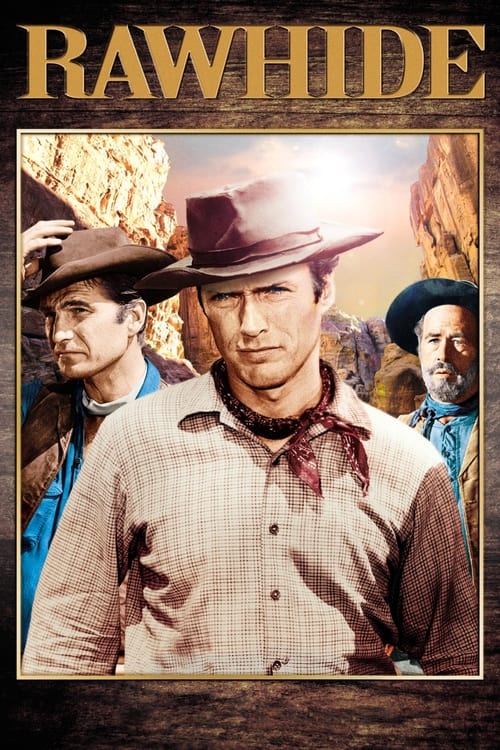
Rawhide
7.2

The tale of trail boss Gil Favor and his trusty foreman Rowdy Yates as they drives cattle across the old west. Along the way they meet up with adventure and drama.

Rawhide

1959
The Lone Ranger
6.8

The Lone Ranger is an American western television series that ran from 1949 to 1957, starring Clayton Moore with Jay Silverheels as Tonto. The live-action series initially featured Gerald Mohr as the episode narrator. Fred Foy served as both narrator and announcer of the radio series from 1948 to its finish and became announcer of the television version when story narration was dropped there. This was by far the highest-rated television program on the ABC network in the early 1950s and its first true "hit".

The Lone Ranger

1949
Alfred Hitchcock Presents
7.8

A television anthology series hosted by Alfred Hitchcock featuring dramas, thrillers, and mysteries.

Alfred Hitchcock Presents

1955
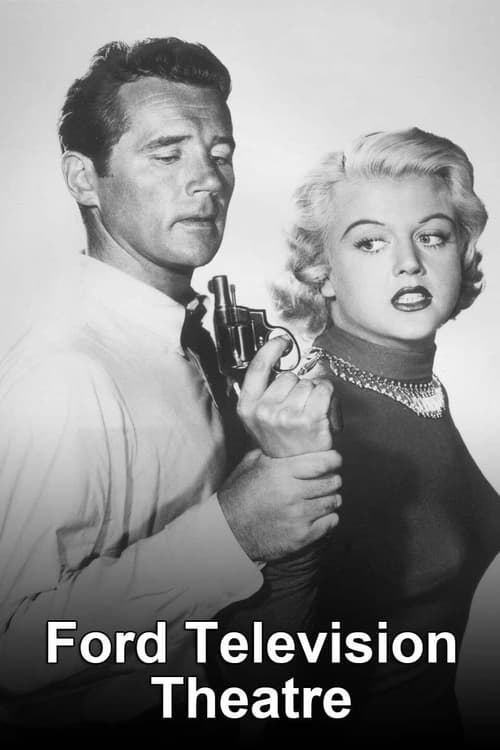
The Ford Television Theatre
7.8

This show started in New York City, with Broadway actors and actresses. It then moved to Hollywood, California, where Hollywood actors and actresses headed the cast.

The Ford Television Theatre

1952
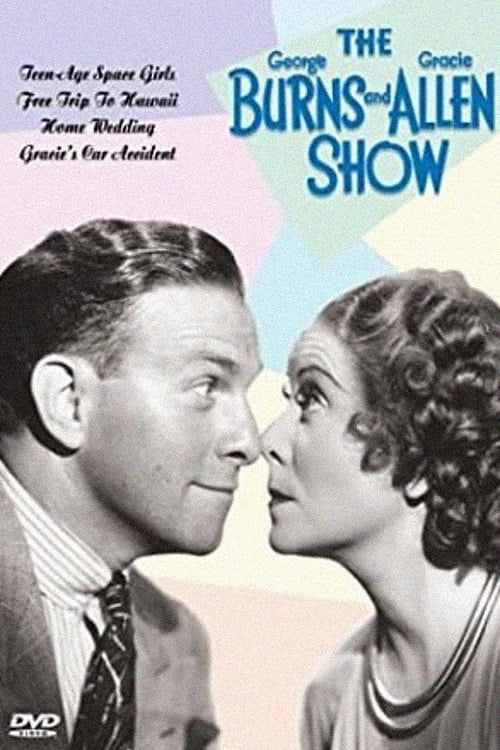
The George Burns and Gracie Allen Show
7.1

Burns and Allen, an American comedy duo consisting of George Burns and his wife, Gracie Allen, worked together as a comedy team in vaudeville, films, radio and television and achieved great success over four decades.

The George Burns and Gracie Allen Show

1950
The Texan
6.0

The Texan was a Western television series starring popular B movie actor Rory Calhoun, which aired on the CBS television network from 1958 to 1960.

The Texan

1958
Dennis the Menace
6.6

This 1959-1963 television situation comedy series follows the lives of the Mitchell family, Henry, Alice, and their only child Dennis, an energetic, trouble-prone, mischievous, but well-meaning boy, who often tangles with his peace-and-quiet-loving neighbor George Wilson, a retired salesman, or, later, with George's brother John, a writer. Dennis is basically a good, well-intentioned boy who always tries to help people, but who winds up making situations worse – often at Mr. Wilson's expense.

Dennis the Menace

1959
Playhouse 90
7.6

Playhouse 90 is an American television anthology series that was telecast on CBS from 1956 to 1960 for a total of 133 episodes. It originated from CBS Television City in Los Angeles, California. Since live anthology drama series of the mid-1950s were usually hour-long shows, the title highlighted the network's intention to present something unusual, a weekly series of hour-and-a-half dramas rather than 60-minute plays. Playhouse 90 began as a pitch by Frank Stanton—the formidable, forward-thinking right-hand man to CBS chairman William S. Paley—during a brainstorming session for program ideas. The project was ultimately developed by Hubbell Robinson, a CBS vice president who received no screen credit on Playhouse 90 but is often described as its creator.

Playhouse 90

1956
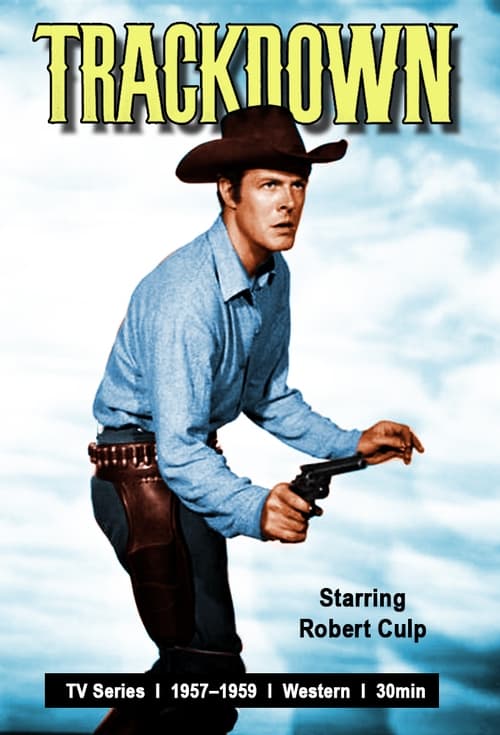
Trackdown
6.9

Trackdown is an American Western television series starring Robert Culp that aired on CBS between 1957 and 1959. More than seventy episodes of this series were produced by Dick Powell's Four Star Television and filmed at the Desilu-Culver Studio. The series was itself a spin-off of Powell's anthology series, Dick Powell's Zane Grey Theater.

Trackdown

1957
Alcoa Theatre
7.0

Alcoa Theatre is a half-hour American anthology series telecast on NBC at 9:30 pm on alternate Monday nights from October 7, 1957 to September 16, 1960. The program also aired under the title Turn of Fate, with the stories depicting the difficulties faced by individuals who are suddenly thrust into unexpected and perilous dangers. Alcoa Theatre was syndicated together with Goodyear Theatre as Award Theatre. In 1955, The Alcoa Hour premiered in a one-hour format aired on Sunday nights, but it was reduced to 30 minutes, retitled Alcoa Theatre, and moved to Monday evening in 1957. The show employed an alternating rotating company of actors: David Niven, Robert Ryan, Jane Powell, Jack Lemmon and Charles Boyer. Each appeared in dramatic and light comedic roles through the first season.

Alcoa Theatre

1957
Cavalcade of America
4.6

Cavalcade of America is an anthology drama series that was sponsored by the DuPont Company, although it occasionally presented a musical, such as an adaptation of Show Boat, and condensed biographies of popular composers. It was initially broadcast on radio from 1935 to 1953, and later on television from 1952 to 1957. Originally on CBS, the series pioneered the use of anthology drama for company audio advertising. Cavalcade of America documented historical events using stories of individual courage, initiative and achievement, often with feel-good dramatizations of the human spirit's triumph against all odds. This was consistent with DuPont's overall conservative philosophy and legacy as an American company dating back to 1802. The company's motto, "Maker of better things for better living through chemistry," was read at the beginning of each program, and the dramas emphasized humanitarian progress, particularly improvements in the lives of women, often through technological innovation.

Cavalcade of America

1952
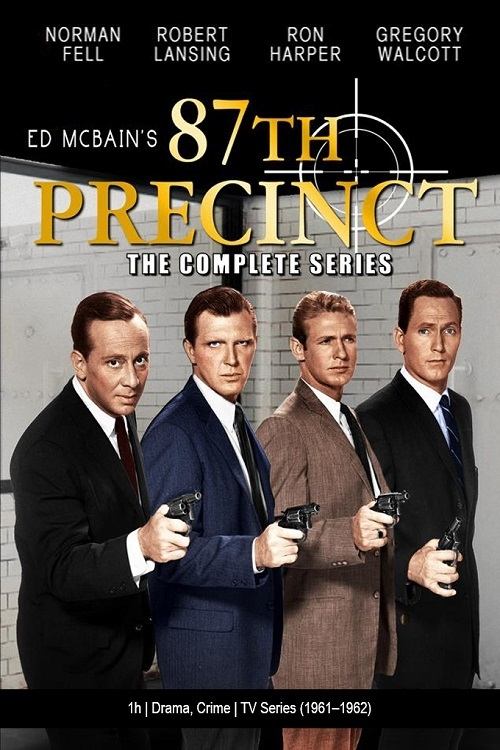
87th Precinct
7.8

87th Precinct is an American crime drama starring Robert Lansing, Gena Rowlands, and Ron Harper, which aired on NBC on Monday evenings during the 1961–1962 television season.

87th Precinct

1961