Johannes Holzhausen
Directing
Known For
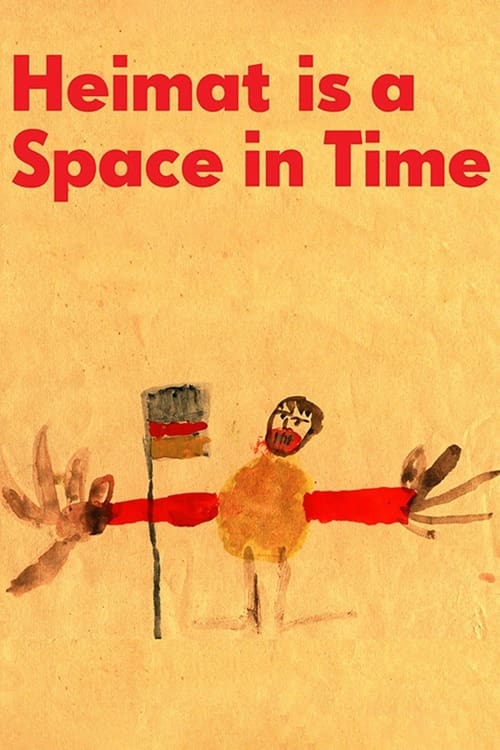
Director Thomas Heise picks up the biographical pieces left by his family, and composes an epic picture of four generations of his family, of a country, of a century.
Heimat Is a Space in Time
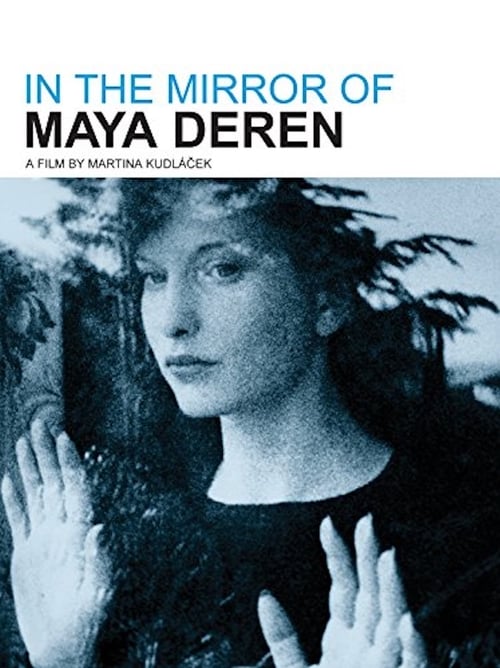
Documentary about the life of avant-garde filmmaker Maya Deren, who led the independent film movement of the 1940s.
In the Mirror of Maya Deren
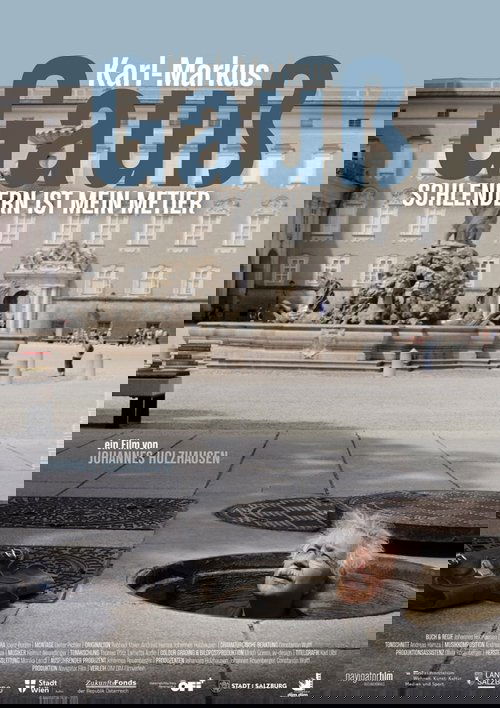
No description available.
Schlendern ist mein Metier
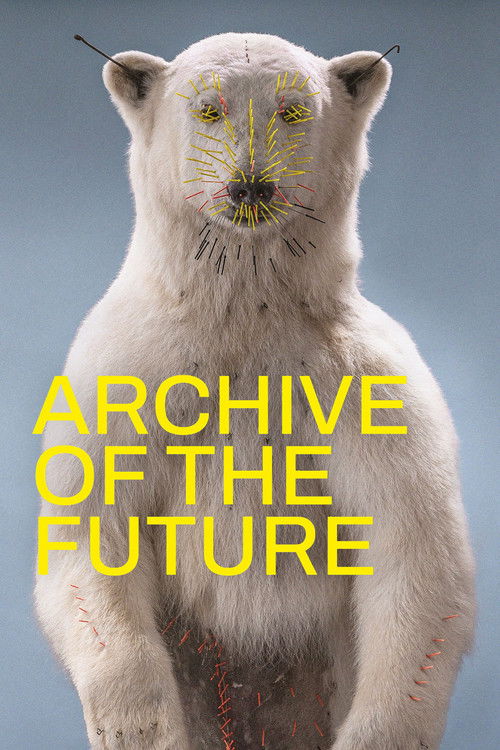
At the Natural History Museum in Vienna, everything that is found on earth and in outer space and that humans can get their hands on, is collected, archived, and studied in the name of evolutionary research. Archiv der Zukunft captures the aesthetic appeal of the natural-history collection and its working process, illuminating the mammoth project of knowledge preservation and production hidden behind the building’s imperial façade.
Archive of the Future
No description available.
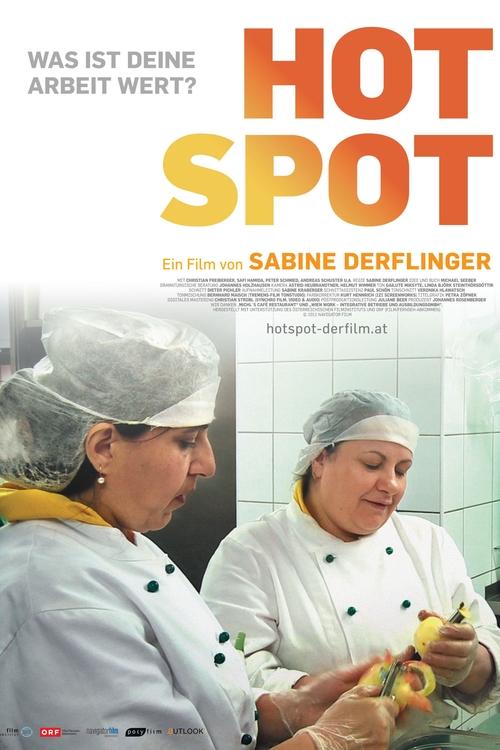
Hot Spot
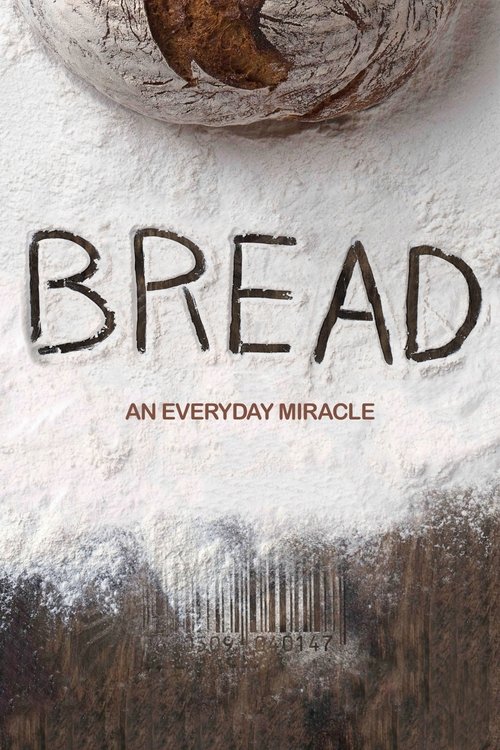
The simple staple bread has become a branded product with an increasing number of varieties and providers. The film provides authentic impressions in today’s world of bread. We encounter small craft bakers as well as corporate CEOs whose professional work is our daily bread and ask the question: how do you see the future of our bread? And: what are we actually eating?
Bread: An Everyday Miracle
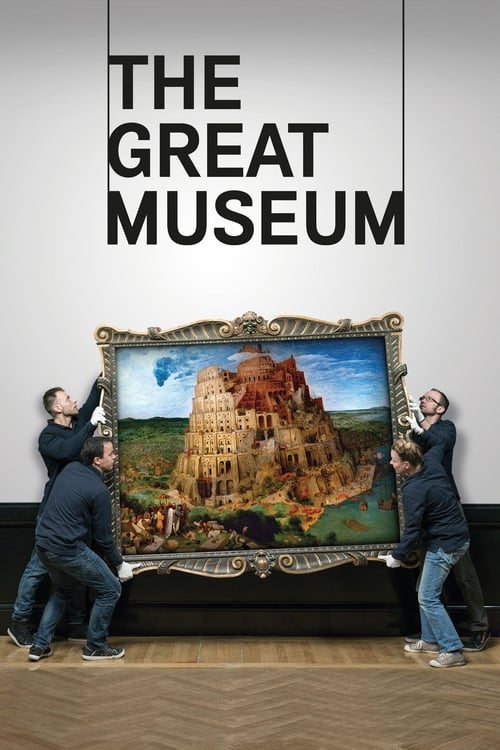
This feature documentary portrays one of the most important museums in the world, the Kunsthistorisches Museum Wien. It presents a unique look behind the scenes of this fascinating institution and encounters a number of charismatic protagonists and their working fields unfolding the museum’s special world – as an art institution as well a vehicle for state representation.
The Great Museum
Shifting between a suburban hostelry, domestic harmony and the idyllic setting of the Prater funfair, Johannes Holzhausen's documentation is a respectful and sympathetic observation of the long-term relationship between two people leading an unspectacular existence on the edge of society. A retrospective view of an unhappy life from the perspective of happier times.
Wen die Götter lieben
Haymon Maria Buttinger, a legendary Austrian prop master, singer and actor. A showman in front of the camera and his great dream of being Macbeth, Quasimodo and Jeckyll-Hyde just once. The portrait of a friend.
My way oder Die Mistkübel haben Angst vor der Leere
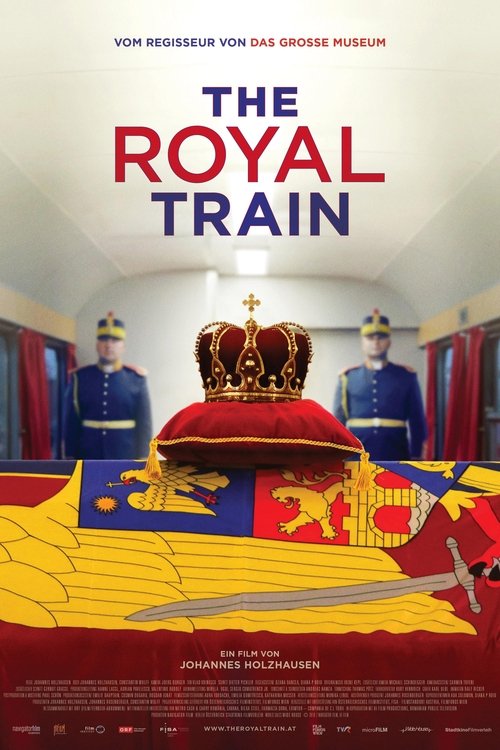
A lost monarchy is represented by a princess whose steadfast mission is to restore to her dynasty real political and economic responsibility in contemporary Romania. With great energy, sometimes funny slips, too, but mostly with the appropriate royalist seriousness, Princess Margareta of Romania plays her role as the subject and object of her own campaign. The performance is of the tale of new wine in old wineskins. Surrounded by her courtly entourage, Margareta travels through “her” country in the same old royal train, on the same royal route, in which her father, King Michael the First already sought contact with his subjects. It goes without saying that the red carpet as the most obvious symbol of monarchist grandeur must be immaculate even at the tiniest stop – though this isn’t always achieved perfectly.
The Royal Train
For years the warships of the Soviet navy have been on sale. The destination of these ships on sale is Alang, a beach near Bombay. The cinematographic voyage shows a part of the last voyage of the cruiser "Admiral Fokin".
Das letzte Ufer
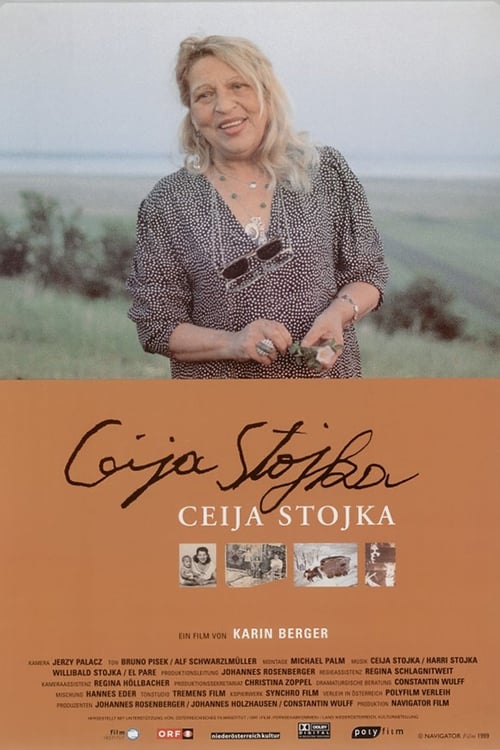
"Ceija Stojka" is a portrait of 64-year-old Austrian Rom Ceija Stojka, who, after a nomadic childhood, settled in Vienna many years ago. In the recent past, Ceija Stojka’s fame as an author, painter and singer has spread outside Austria. She represents the opening of Rom and Sinti society to the world of the "gadje." This process and all the difficulties it involves is unique in the history of the Rom in Central Europe. The central theme of this documentary is the fusion of two extremely different worlds in this fascinating woman. Beginning with Ceija Stojka’s present life, her biography is reconstructed in this film portrait. At the same time, a critical chronology of images portrays the common associations with the "gypsy," examples of which pervade Ceija Stojka’s life. A comprehensive consideration of the gypsy’s image, from romanticized projections to images of exclusion, discrimination and destruction, and finally the present ambivalent relationship between Rom and non-Rom.
Ceija Stojka

The Kiev was the most important and largest Soviet warship during the Cold War. From 1994 onwards, the aircraft carrier lay as floating scrap off the North Sea coast of Russia, guarded and maintained by its last captain, until it was towed to China in the summer of 2000.
On the Seven Seas
Short documentary examining the circumstances of a family in which history begins to resemble a drama.