FEEL IT.STREAM
Joan Hickson

Joan Hickson

Acting

Biography

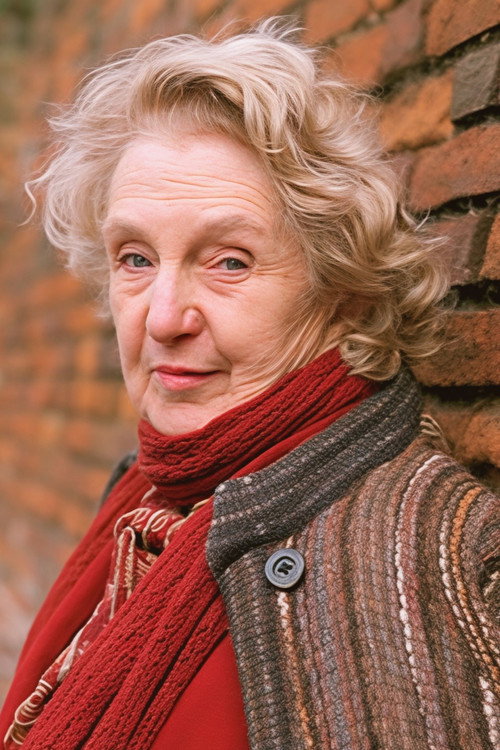
Joan Bogle Hickson OBE (5 August 1906 – 17 October 1998) was an English actress of theatre, film and television. She was known for her role as Agatha Christie's Miss Marple in the television series Miss Marple. As well as portraying Miss Marple on television, Hickson also narrated a number of Miss Marple stories on audio books. Born in Kingsthorpe, Northampton, Hickson was a daughter of Edith Mary (née Bogle) and Alfred Harold Hickson, a shoe manufacturer. Boarding at Oldfield School at Swanage in Dorset she went on to train at RADA in London. Making her stage debut in 1927, she worked for several years throughout the United Kingdom and achieved success playing comedic, often eccentric characters in London's West End, including the role of the cockney maid Ida in the original production of See How They Run, at the Q Theatre in 1944, and then at the Comedy Theatre in January 1945. She made her first film appearance in 1934. The numerous supporting roles of her career included several Carry On films including Sister in Carry On Nurse and Mrs May in Carry On Constable. From Wikipedia, the free encyclopedia
Known For

Play for Today
6.6

Play for Today is a British television anthology drama series, produced by the BBC and transmitted on BBC1 from 1970 to 1984. During the run, more than three hundred programmes, featuring original television plays, and adaptations of stage plays and novels, were transmitted. The individual episodes were between fifty and a hundred minutes in duration.

Play for Today

1970
Crown Court
5.7

Crown Court is an afternoon television courtroom drama produced by Granada Television for the ITV network that ran from 1972, when the Crown Court system replaced Assize courts and Quarter sessions in the legal system of England and Wales, to 1984.

Crown Court

1972
ITV Playhouse
7.0

ITV Playhouse is a British comedy-drama TV series that ran from 1967 to 1983, which featured contributions from playwrights such as Dennis Potter, Rhys Adrian and Alan Sharp. The series began in black and white, but was later shot in colour and was produced by various companies for the ITV network, a format that would inspire Dramarama. Actors appearing in the series included Leslie Anderson, Gwen Nelson, Ricky Alleyne, Pat Heywood, Michael Elphick, Ian Hendry, Edward Woodward, Margaret Lockwood, Jessie Matthews and Lloyd Peters.

ITV Playhouse

1967
Screen Two
7.1

Series of single made-for-television dramas.

Screen Two

1985
Theatre 625
7.2

Theatre 625 is a British television drama anthology series, produced by the BBC and transmitted on BBC2 from 1964 to 1968. It was one of the first regular programmes in the line-up of the channel, and the title referred to its production and transmission being in the higher-definition 625-line format, which only BBC2 used at the time.

Theatre 625

1964
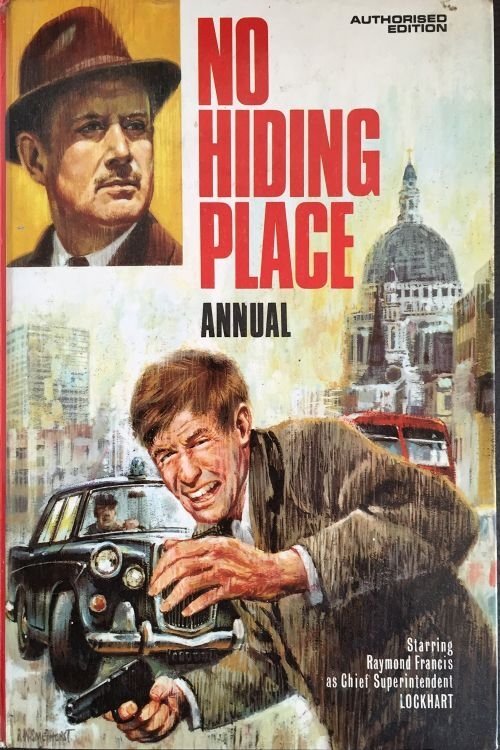
No Hiding Place
4.8

No Hiding Place is a British television series that was produced at Wembley Studios by Associated-Rediffusion for the ITV network between 16 September 1959 and 22 June 1967. It was the sequel to the series Murder Bag and Crime Sheet, all starring Raymond Francis as Detective Superintendent, later Detective Chief Superintendent Tom Lockhart.

No Hiding Place

1959
Danger Man
7.4

Danger Man is a British television series which was broadcast between 1960 and 1962, and again between 1964 and 1968. The series featured Patrick McGoohan as secret agent John Drake. Ralph Smart created the programme and wrote many of the scripts. Danger Man was financed by Lew Grade's ITC Entertainment.

Danger Man

1960
Sunday Night Theatre
3.5

Sunday Night Theatre was a long-running series of televised live television plays screened by BBC Television from early 1950 until 1959. The productions for the first five years or so of the run were re-staged live the following Thursday, partly because of technical limitations in this era, and the theatrical basis of early television drama. Some of the earliest collaborations between Rudolph Cartier and Nigel Neale were produced for this series, including Arrow to the Heart and Nineteen Eighty-Four. The Sunday night drama slot was subsequently renamed The Sunday-Night Play which ran for four seasons between 1960 and 1963. ITV transmitted its own unrelated run of Sunday Night Theatre between 1971 and 1974.

Sunday Night Theatre

1950
ScreenPlay
6.0

Screenplay was a drama anthology television series, broadcast on BBC between 1986 and 1993. Numerous episodes were produced including one named "Boswell and Johnson's Tour of the Western Islands" starring Robbie Coltrane as English writer Samuel Johnson who in the autumn of 1773, visits the Hebrides off the north-west coast of Scotland. That episode was directed by John Byrne and co-starred John Sessions and Celia Imrie.

ScreenPlay

1986
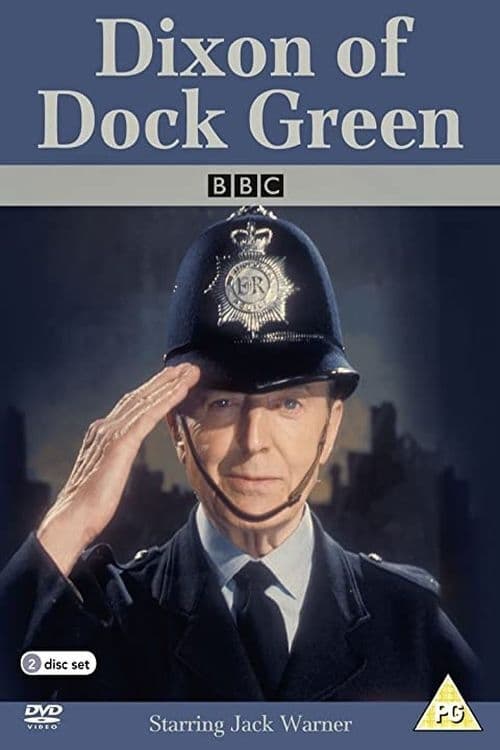
Dixon of Dock Green
6.0

Dixon of Dock Green was a BBC television series following the activities of police officers at a fictional Metropolitan Police station in the East End of London from 1955 to 1976. Some episodes were later remade as a BBC radio series in 2005 and 2006.

Dixon of Dock Green

1955
Mystery and Imagination
5.8

Mystery and Imagination is a British television anthology of classic horror and supernatural dramas. Five series were broadcast from 1966 to 1970 on ITV and produced by ABC and Thames Television.

Mystery and Imagination

1966
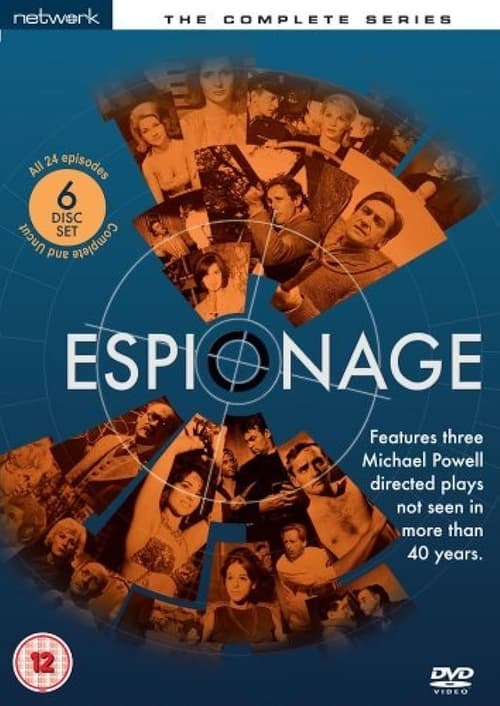
Espionage
10.0

Pulled from actual case histories and utilizing newsreel and documented narratives, the activities of spies from various countries are depicted as far back as the American Revolution and as recent as the Cold War.

Espionage

1963
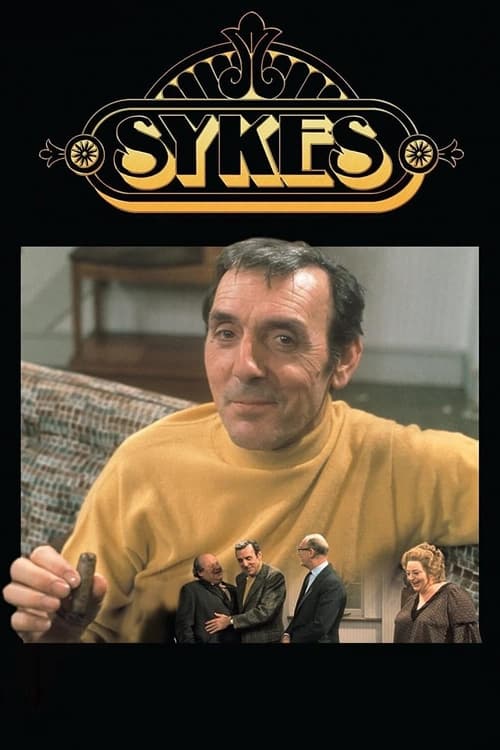
Sykes
6.7

Classic sitcom starring Eric Sykes and Hattie Jacques as brother and sister twins who have to tackle the trials and tribulations of suburban life.

Sykes

1972
The Million Pound Note
7.0

An impoverished American sailor is fortunate enough to be passing the house of two rich gentlemen who have conceived the crazy idea of distributing a note worth one million pounds. The sailor finds that whenever he tries to use the note to buy something, people treat him like a king and let him have whatever he likes for free. Ultimately, the money proves to be more troublesome than it is worth when it almost costs him his dignity and the woman he loves.

The Million Pound Note

1954
Strangers
7.3

Strangers is a 1978–82 ITV police procedural created and principally written by Murray Smith, based on characters created by Kenneth Royce in his novel series and subsequent 1977–78 television adaptation The XYY Man. Don Henderson and Dennis Blanch reprise their roles, respectively, of Detective Sergeant (DS) George Bulman and Detective Constable (DC) Derek Willis. A group of police officers are brought together from across the country to the north of England. There, the fact that they're not well-known gives them the advantage to infiltrate where a more familiar local detective could not. Despite being based around a comparatively small team of detectives, a regular feature in its early years is that few episodes feature the entire team, with most using just two or three regulars in any major role.

Strangers

1978
Budgie
7.2

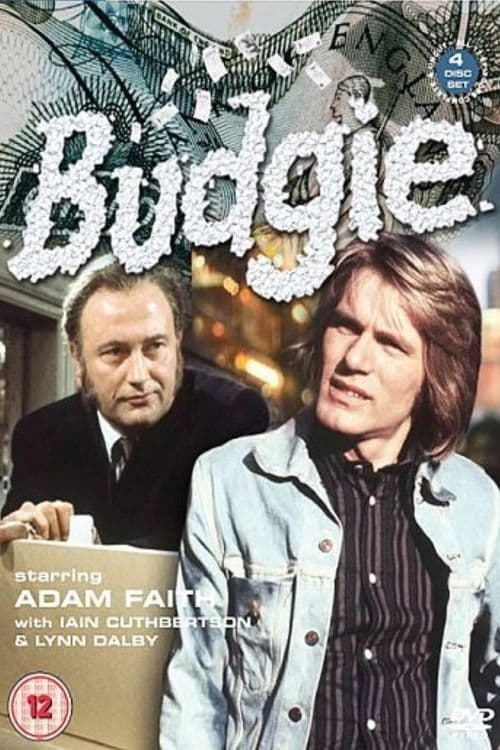
Budgie is a popular British television series starring former popstar Adam Faith which was produced by ITV company London Weekend Television and broadcast on the ITV network between 1971 and 1972. The series was created by Keith Waterhouse and Willis Hall . The show was produced by Verity Lambert, Rex Firkin was the Executive producer.

Budgie

1971
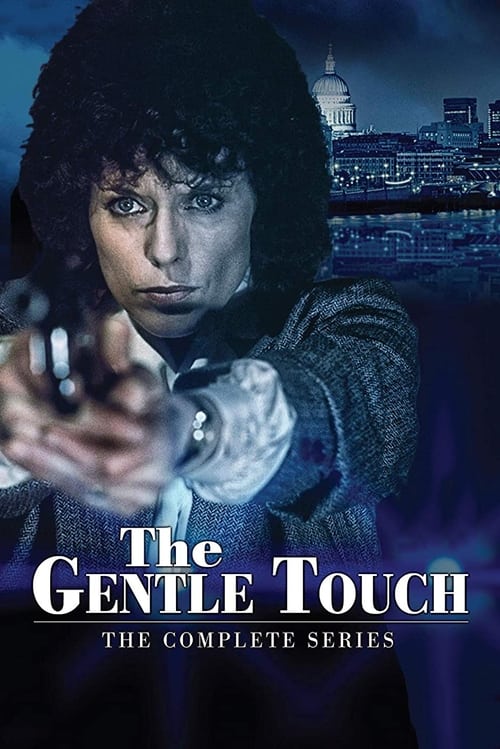
The Gentle Touch
7.3

The Gentle Touch is a British police drama television series made by London Weekend Television for ITV which ran from 1980-1984. Commencing transmission on 11 April 1980, the series is notable for being the first British series to feature a female police detective as its leading character, ahead of the similarly themed BBC series Juliet Bravo by four months.

The Gentle Touch

1980
Whatever Happened to the Likely Lads?
7.7

Whatever Happened to the Likely Lads? is a British sitcom which was broadcast between 9 January 1973 and 9 April 1974 on BBC1. It was the colour sequel to the mid-1960s hit The Likely Lads. It was created and written, as was its predecessor, by Dick Clement and Ian La Frenais. There were 26 television episodes over two series; and a subsequent 45-minute Christmas special was aired on 24 December 1974. The cast were reunited in 1975 for a BBC radio adaptation of series 1, transmitted on Radio 4 from July to October that year. In 1976, a feature film spin-off was made. Around the time of its release, however, Rodney Bewes and James Bolam fell out over a misunderstanding involving the press and have not spoken since. This long-suspected situation was finally confirmed by Bewes while promoting his autobiography in 2005. Unlike Bewes, Bolam is consistently reluctant to talk about the show, and has vetoed any attempt to revive his character.

Whatever Happened to the Likely Lads?

1973
Lady Killers
7.5

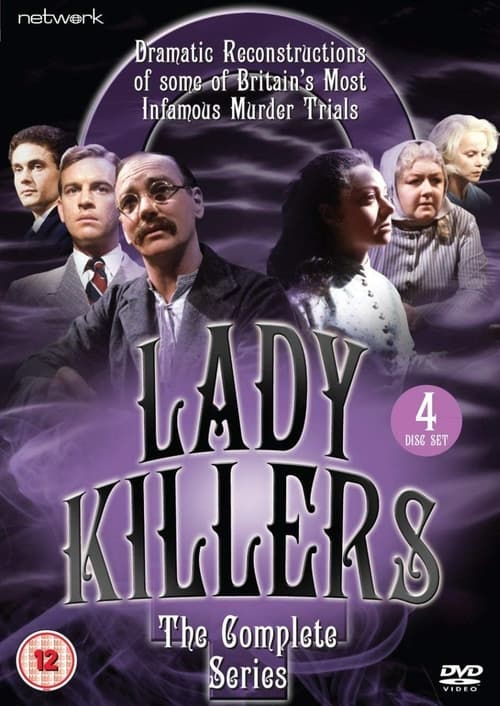
Compelling crime anthology looks at some of Britain's most notorious murder trials, in which both male and female defendants stood accused of the murder of women. Presented by Robert Morley, seven hour-long dramas reconstruct sensational trials which shocked Britain, offering in-depth analyses of individuals' motives and methods.

Lady Killers

1980
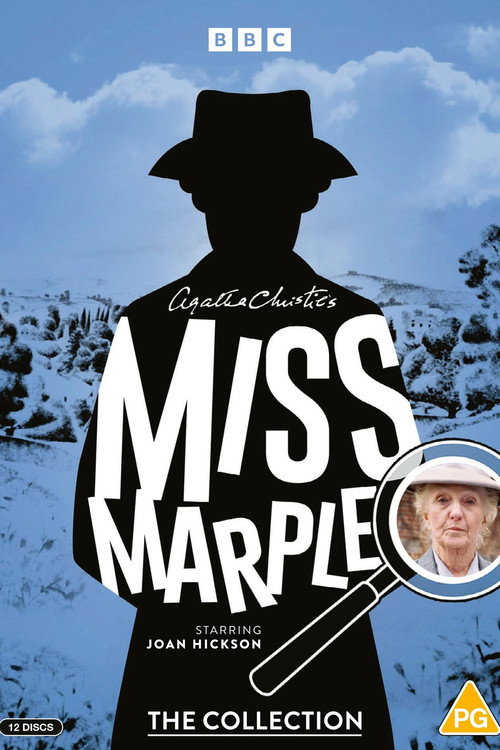
Miss Marple: The Murder at the Vicarage
6.6

Faced with two false confessions and numerous suspects after a despised civil magistrate is found shot in the local vicarage, Detective Inspector Slack reluctantly accepts help from Miss Marple.

Miss Marple: The Murder at the Vicarage

1986