FEEL IT.STREAM
Felipe González Márquez

Felipe González Márquez

Acting

Biography

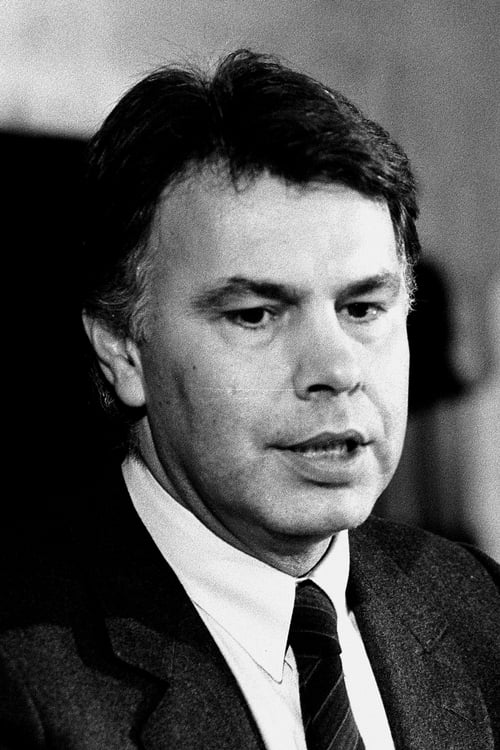
Felipe González Márquez (born 5 March 1942) is a Spanish lawyer, professor, and politician, who was the Secretary-General of the Spanish Socialist Workers' Party (PSOE) from 1974 to 1997, and the 3rd Prime Minister of Spain since the restoration of democracy, from 1982 to 1996. He remains the longest-serving Prime Minister of Spain to be freely elected. González joined the PSOE in 1964 when it was banned under the Francoist regime. He obtained a law degree from the University of Seville in 1965. In 1974, the PSOE elected González as its Secretary-General after a split in its 26th Congress. After Franco's death and the beginning of the Spanish transition to democracy, González obtained a seat in the Congress of Deputies after he led the PSOE candidacy in the 1977 general election, but lost to Adolfo Suárez. After the PSOE victory in the 1982 general election, González formed his first majority government, backed by 202 out of the 350 deputies at the Congress of Deputies, and led the Government of Spain for thirteen and a half years after three additional victories in the 1986, 1989 and 1993 general elections. In 1996, González lost the election to José María Aznar and the People's Party and was elected to the Congress of Deputies for the last time in the 2000 general election, from Seville. González was born in Bellavista, Seville, the son of a small dairy farmer. He has a sister called Lola González Márquez, married to Francisco Germán Palomino Romera, by whom she has two sons, Felipe and Germán Palomino González. He studied law at Seville University and started his career as attorney specialising in labor law. While at the University he met members of the clandestine socialist trade union Unión General de Trabajadores (UGT). He also contacted members of the PSOE and started taking part in the party's clandestine activity, necessary under the dictatorship of Franco. During that time he adopted the alias Isidoro and moved to Madrid. He was elected Secretary General of the Party at the Suresnes Congress, in France. By the time of Franco's death, González had become the most prominent figure among the left-wing of the democratic opposition to the regime, and played a critical role, along with then serving Prime Minister Adolfo Suárez, in the Spanish transition to democracy. During the Suárez government, General and Deputy Prime Minister Manuel Gutiérrez Mellado asked González not to raise the debate of the Civil War and Francoist repression until the death of those of his generation. In the first democratic general election after Franco's death, held in 1977, the PSOE became the second most-voted for party, and this served González to appear as a young, active and promising leader. However, he did not win the 1979 election and had to wait for 1982 and the dissolution of the Union of the Democratic Centre party to come into office. In the 1982 general election held on 28 October 1982, the PSOE gained 48.3% of the vote and 202 deputies (out of 350). On 2 December González became President of the Government of Spain, with Alfonso Guerra as his deputy. He was the first socialist to hold the post since the Spanish Civil War, and his government was the first since then in which none of its members had served under Francoism. ... Source: Article "Felipe González" from Wikipedia in English, licensed under CC-BY-SA 3.0.
Known For

El hormiguero
4.8

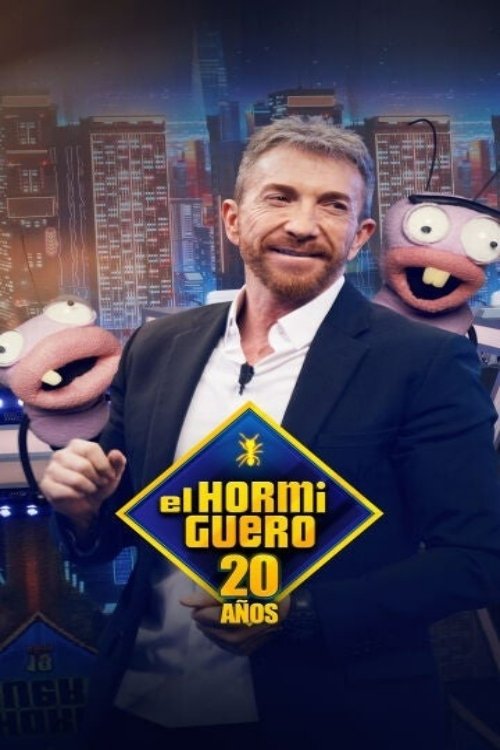
El Hormiguero is a Spanish television program with a live audience focusing on comedy, science, and politics running since September 2006. It is hosted and produced by screenwriter Pablo Motos. The show aired on Spain's Cuatro channel from launch until June 2011 and is now broadcast on Antena 3. Recurring guests on the show include Luis Piedrahita, Raquel Martos, Marron & "The Man in Black", and puppet ants Trancas and Barrancas. It has proved a ratings success, and has expanded from a weekly 120-minute show to a daily 40-minute show in its third season, which began on September 17, 2007. The show won the Entertainment prize at the 2009 Rose d'Or ceremony.

El hormiguero

2006
Apostrophes
8.5

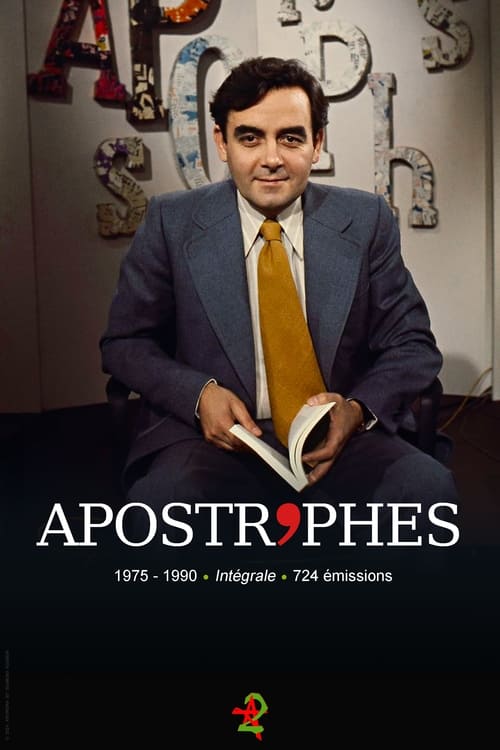
Apostrophes was a live, weekly, literary, prime-time, talk show on French television created and hosted by Bernard Pivot. It ran for fifteen years (724 episodes) from January 10, 1975, to June 22, 1990, and was one of the most watched shows on French television (around 6 million regular viewers). It was broadcast on Friday nights on the channel France 2 (which was called "Antenne 2" from 1975 to 1992). The hourlong show was devoted to books, authors and literature. The format varied between one-on-one interviews with a single author and open discussions between four or five authors.

Apostrophes

1975
Lo de Évole
7.7

No description available.

Lo de Évole

2020
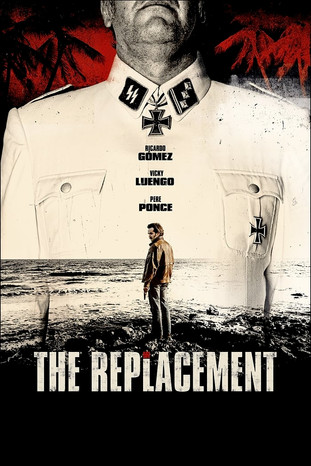
The Replacement
6.1

Spain, 1982. Andrés Expósito, a young police inspector, accepts a posting in Denia, a small town on the Mediterranean coast, in the hope of leading a quieter life and that the natural environment will help improve the fragile health of his daughter; but once in his new post he becomes involved by chance in the investigation of the strange death of the inspector he has come to replace.

The Replacement

2021
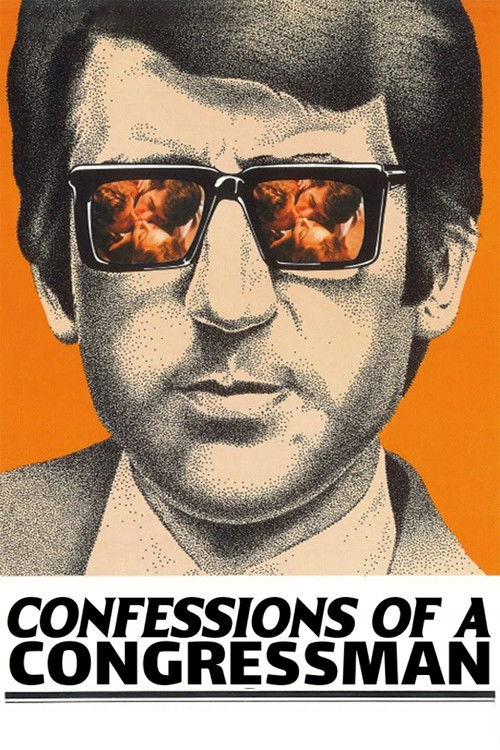
Confessions of a Congressman
6.1

Roberto, a leader and follower of the ideals of his radical leftist opposition party, can’t resist the cheap beautiful street teenagers that are thrown his way for various pleasures.

Confessions of a Congressman

1978
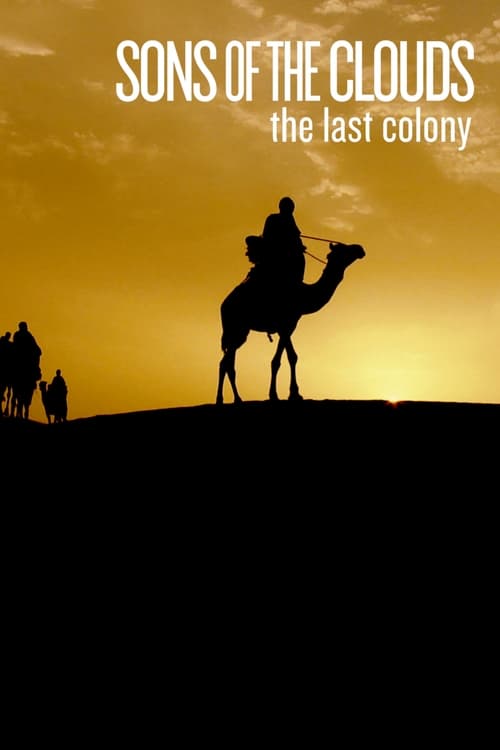
Sons of the Clouds: The Last Colony
6.5

The political upheaval in North Africa is responsibility of the Western powers —especially of the United States and France— due to the exercise of a foreign policy based on practical and economic interests instead of ethical and theoretical principles, essential for their international politic strategies, which have generated a great instability that causes chaos and violence, as occurs in Western Sahara, the last African colony according to the UN, a region on the brink of war.

Sons of the Clouds: The Last Colony

2012
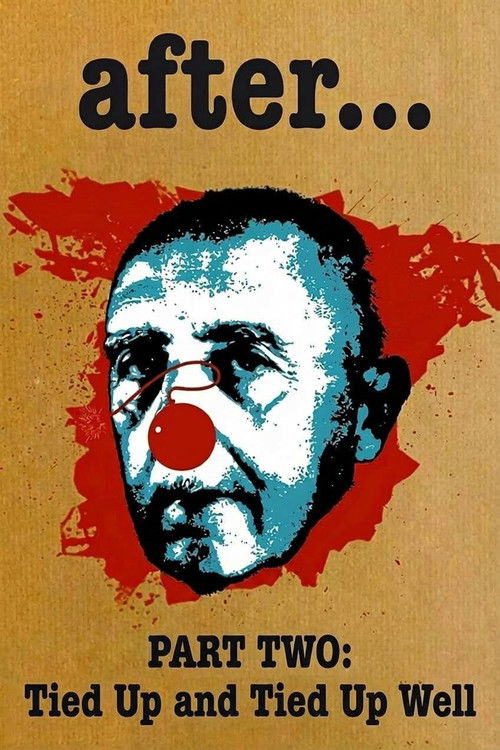
Después de… Segunda parte: atado y bien atado
8.2

A history of the Spanish Transition told in first person by the main protagonists: on the one hand, the politicians, idealistic or merely opportunistic, who brought it to a successful conclusion in the tribunes and offices; on the other hand, the citizens who, in the streets, supported it sincerely or fought it with ferocity.

Después de… Segunda parte: atado y bien atado

1983
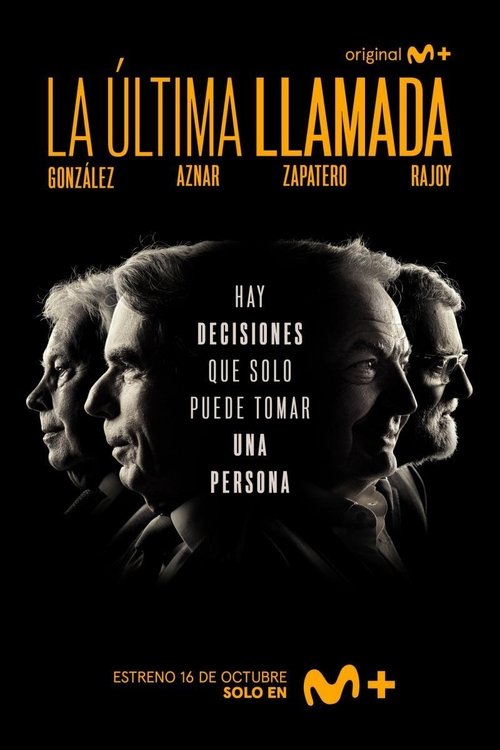
La última llamada
N/A

No description available.

La última llamada

2025
The Basque Ball: Skin Against Stone
6.5

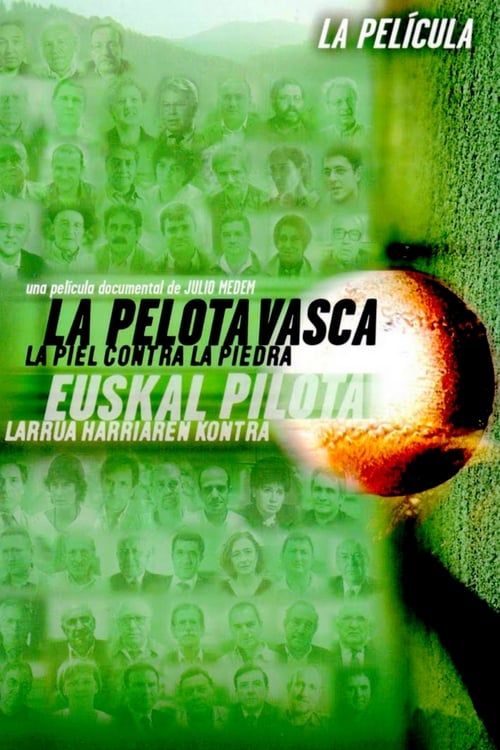
An attempt to create a bridge between the different political positions that coexist, sometimes violently, in the Basque Country, in northern Spain.

The Basque Ball: Skin Against Stone

2003
Sanctuary
7.2

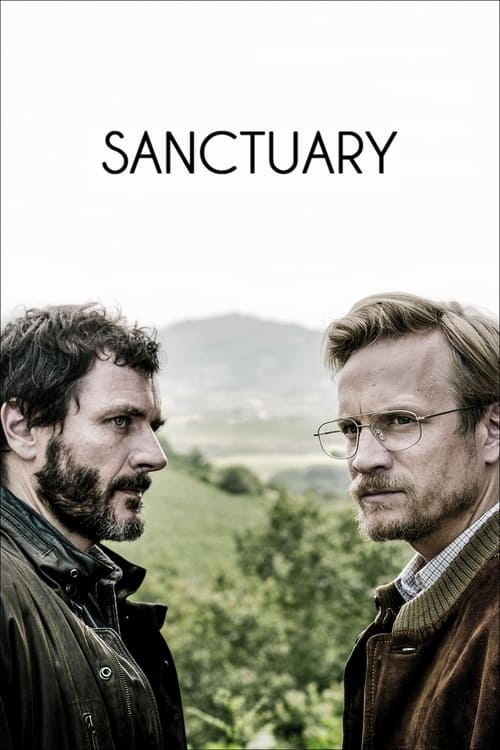
In the mid-1980s, the GAL, a Spanish paramilitary group, pursues and assassinates members of the terrorist gang ETA who have taken refuge in the sanctuary they have created in the south of France. Grégoire Fortin, advisor to the French Minister of Justice, and Domingo 'Txomin' Iturbe, leader of ETA, are forced to negotiate in order to find a solution to the violence that plagues the region.

Sanctuary

2015
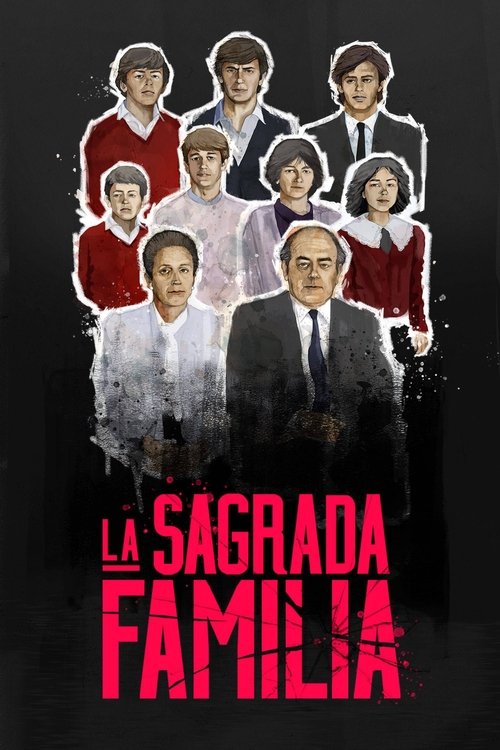
The Sagrada Familia
5.0

A documentary series that tells the story of the rise and fall of the Pujol family: a story of politics, corruption and the portrait of a Catalonian society who saw in Jordi Pujol, the head of the Catalonian government between 1980 and 2003.

The Sagrada Familia

2022
Vota a Gundisalvo
4.0

No description available.

Vota a Gundisalvo

1978
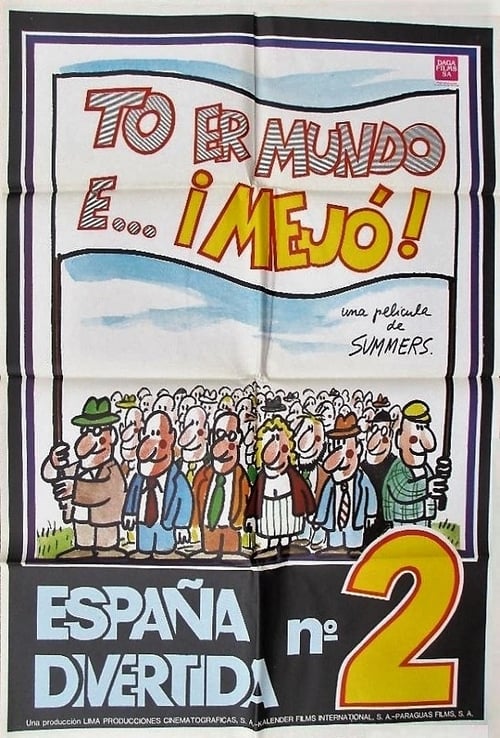
To er mundo e... ¡mejó!
4.3

Episode 2 of the stories of jokes in the street.

To er mundo e... ¡mejó!

1982
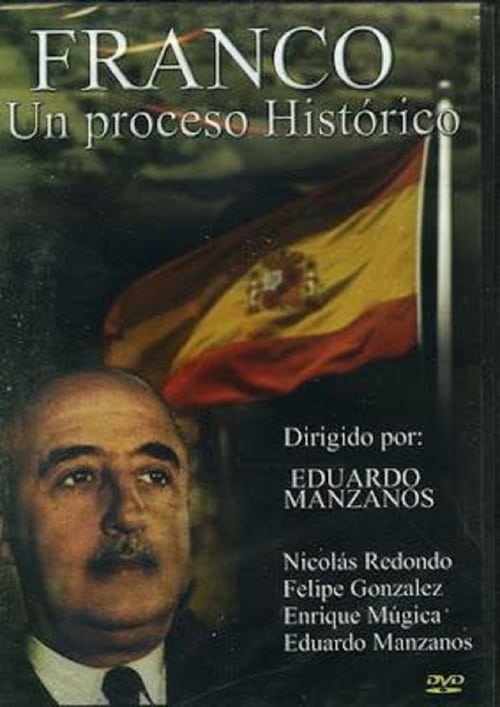
Franco, un proceso histórico
10.0

No description available.

Franco, un proceso histórico

1982
Después de… Primera parte: no se os puede dejar solos
8.3

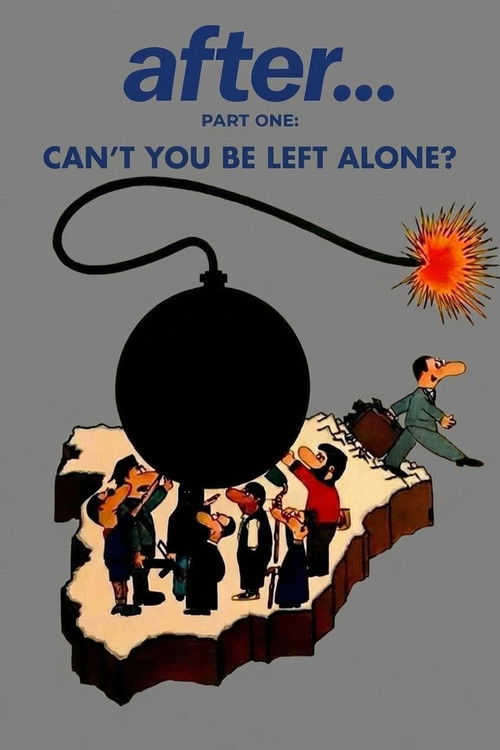
A history of the Spanish Transition told in first person by the main protagonists: on the one hand, the politicians, idealistic or merely opportunistic, who brought it to a successful conclusion in the tribunes and offices; on the other hand, the citizens who, in the streets, supported it sincerely or fought it with ferocity.

Después de… Primera parte: no se os puede dejar solos

1983
El que con niños se acuesta...
6.8

Chón is rejected by his girlfriend Rosario's parents, so they both escape to the capital in search of his friend Manny, a millionaire philanthropist, who helps him but makes him adopt four children from his orphanage.

El que con niños se acuesta...

1959
Constel·lació Portabella
N/A

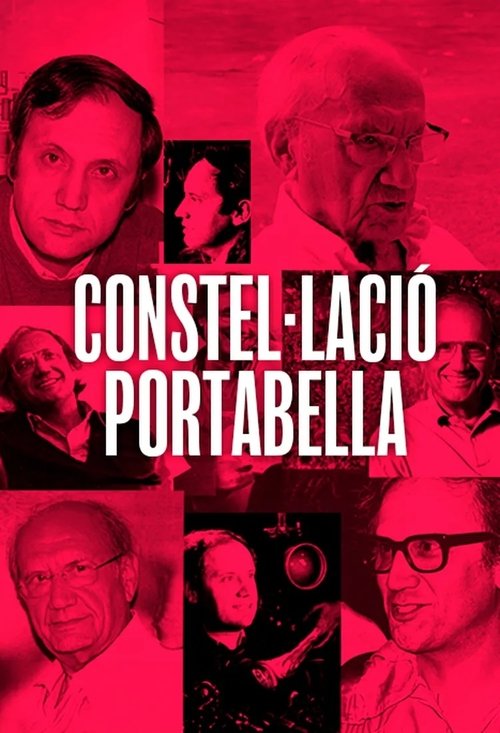
Constel·lació Portabella traces the exciting life of the great Catalan film director and artist Pere Portabella , which traverses the cultural and political history of the country and the last seventy years, letting us be carried away by the passion, the intellect intelligence and curiosity.

Constel·lació Portabella

2024
CAP: 2 Intentos
10.0

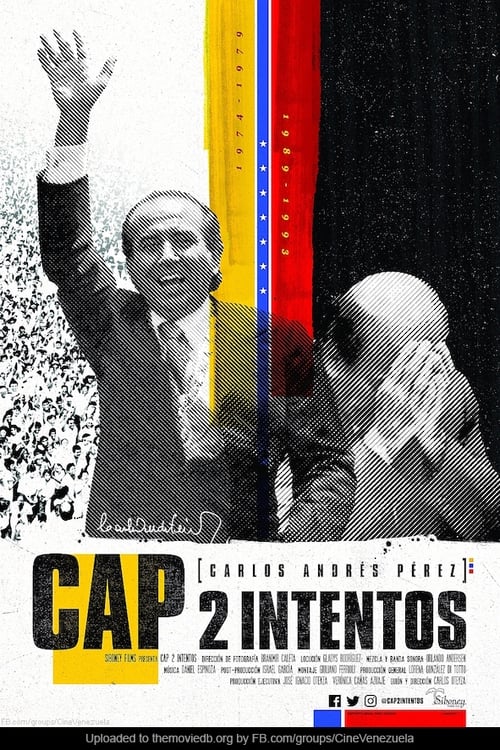
A full on examination of the two presidential terms of Carlos Andres Perez in which he led the venezuelan fates: 1974-1979 and 1989-1993, known respectively as "La Gran Venezuela" and "El Gran Viraje". Two models of government that, separated by ten years, were very different but produced a change in the history of the country.

CAP: 2 Intentos

2016
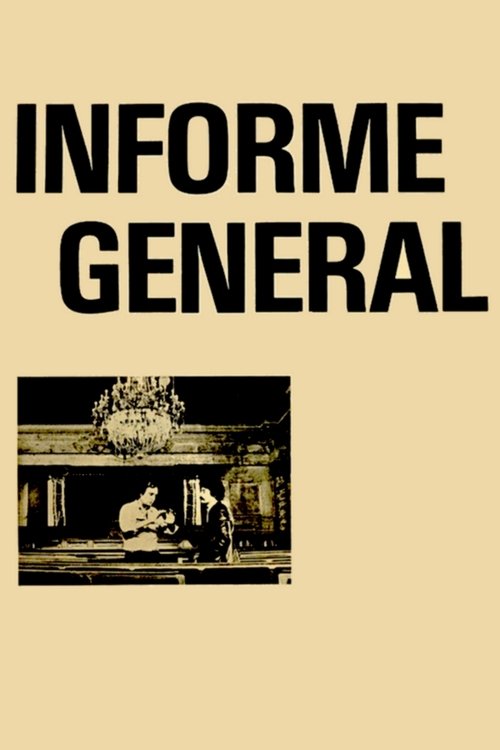
General Report
6.7

How does a country go from a dictatorship to a democracy? A detailed report on the political representation in the heart of the Spanish Transition, only a few months after General Franco’s death, when the sincere democratic vocation of Spanish people must effort to destroy, one heavy brick after another, the wall that those who supported the dictatorship and those who fought it from the exile built with resentment, hatred and prejudices.

General Report

1977
¡Votad, votad, malditos!
7.0

On June 14, 1977, the eve of the first democratic elections after Franco's regime, Llorenç Soler and his crew go out into the street and ask passers-by which party they are going to vote for.

¡Votad, votad, malditos!

1977