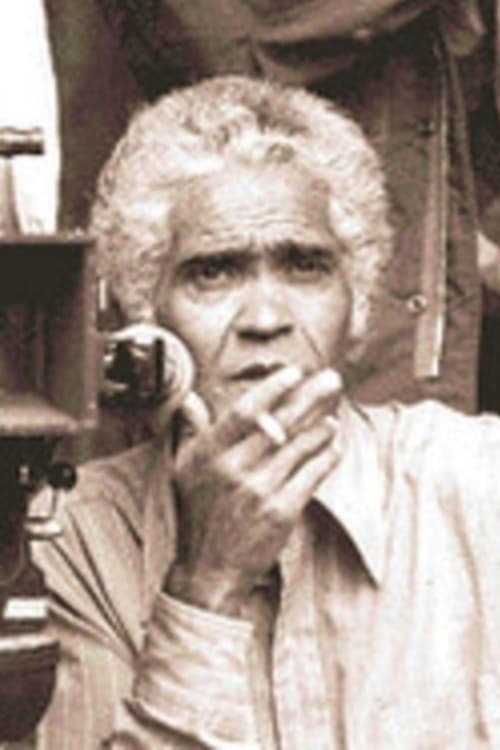
Luis Figueroa
Directing
Biography
He was a director and writer, known for Kukuli (1961), Los perros hambrientos (1977) and Yawar fiesta: Fiesta de sangre (1986). He died on 18 March 2012 in Lima, Peru.
Known For
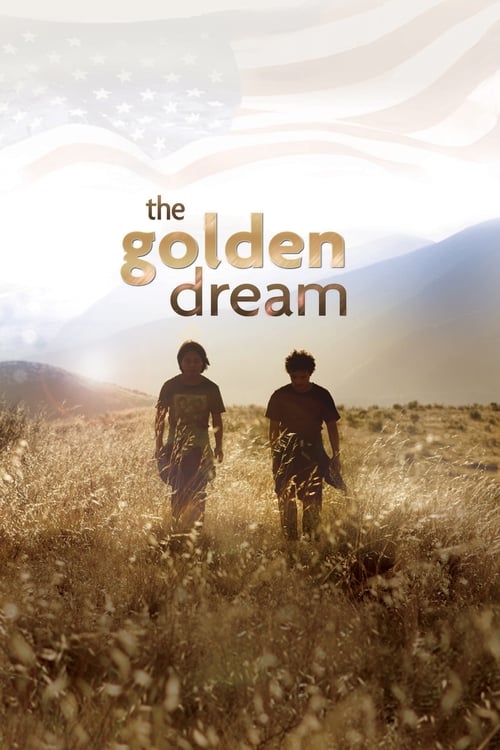
A group of Central-American teen-agers depart from the slums of Guatemala City escaping poverty and violence, towards the promised land of California.
The Golden Dream
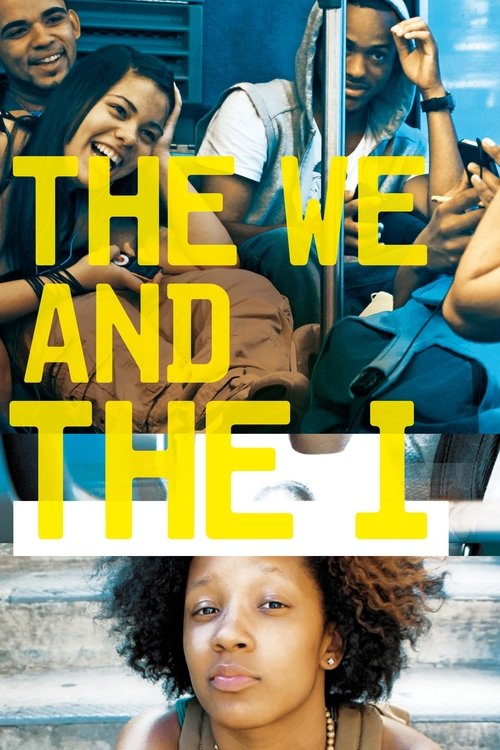
The We and the I is the heartfelt and comical story of the final bus ride home for a group of young high school students and graduates.
The We and the I
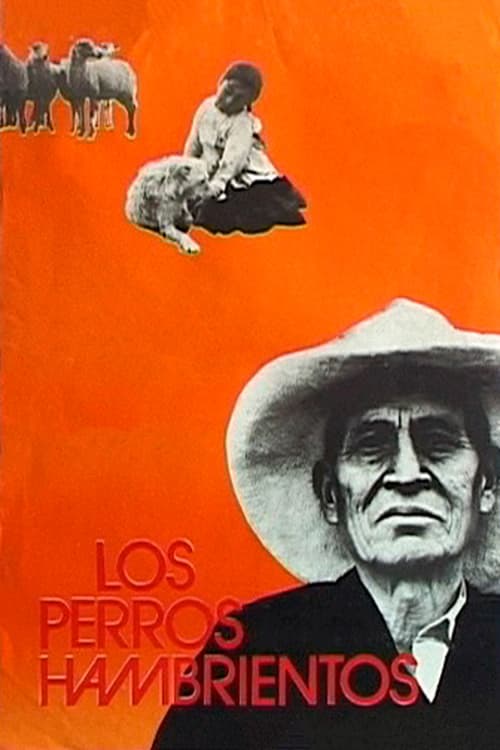
Based on the eponymous novel by Ciro Alegría. An indigenous community living their day-to-day and their relationship with nature. They can be reimagined as hungry dogs.
Hungry Dogs

Dramatic testimony of Gregorio Condori Mamani, who works as a porter in Cusco, Peru. Despite the huge effort they make everyday for a few coins, porters fall and find death in the streets.
El cargador
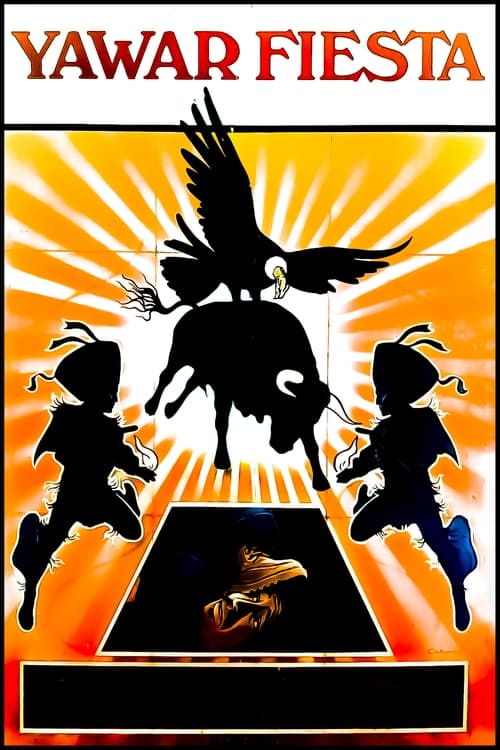
An indigenous tradition in the highlands of Peru where three key players take part: a wild condor, a raging bull and brave young men.
Yawar fiesta: Fiesta de sangre
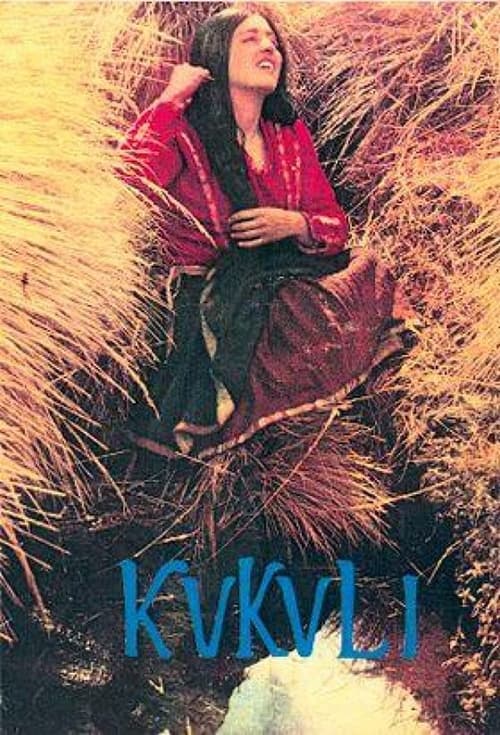
Kukuli, a young llama herder, leaves her grandparents in the countryside of Cusco to attend the Feast of Mamacha Carmen in the town of Paucartambo.
Kukuli

Every January 20, the communities of Langui and Cheqa, located in the highlands of the Cusco provinces of Canas and Canchis, reenact a ritual battle known as Tupay on a plain called Chiaraje. Here we can appreciate, along with the magical meaning, the bravery of the warriors, as well as the musical genres that are sung to give courage and the elegance of the dresses of the men and women, as this is an occasion to enliven the attraction between the sexes.
Rituales Guerreros: Tupay en Chiaraje
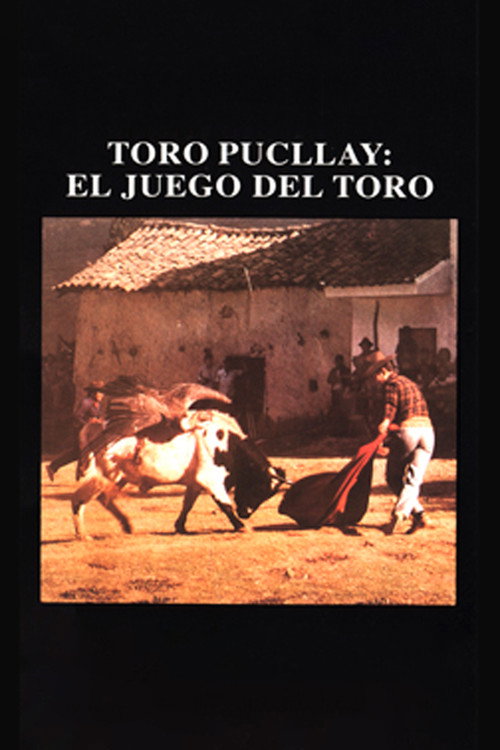
A constant element linked to the bull is water. This animal is said to emerge from the depths of an enchanted lagoon. It is a dangerous, almost demonic animal. All these attributes are similar to those of the Amaru in pre-Hispanic times. This explains why both images merged. The counterpart of the Amaru is the celestial Condor. The latter is said to be Machu Inca, or the old Inca. In the Andean dualistic scheme, the Condor represents the upper world, and the superimposition of the condor and the bull illustrates the balance of two complementary opposites that Andean people constantly reiterate to express their sense of integration or unity of the social body.
Toro Pucllay
8,000 children gathered in the main square of Cusco to receive a shower of gold, a tribute from their father, the Sun.
Niños del Sol
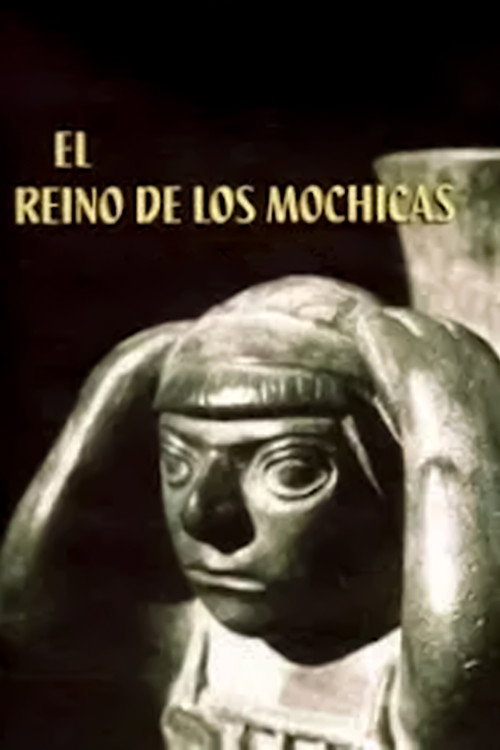
During the course of our era, a major pre-Hispanic civilization, now called the Moche, developed on the northern coast of Peru, flourishing as the Roman Empire declined, a thousand years before the Inca civilization emerged. The film reconstructs the various aspects of the social and romantic life of the Moche people, based on their rich pottery.
El Reino de los Mochicas
This documentary was censored by COPROCI (the Film Promotion Commission) of Juan Velasco's government, which argued that it presented a savage view of peasants reenacting a ritual battle to maintain the fertility of the land in the Chiaraje plains (4,700 meters above sea level), in the province of Canas. The production company, without the filmmaker's permission, converted the film into a series of short films; however, a 35mm copy still exists.
Chiaraje, Batalla Ritual
The citadel of Machu Picchu reveals itself to us as suspended above the abysses, a beauty that is discovered little by little, to the rhythm of the mists, the play of shadows and light, with extracts from the poems "Heights of Machu Picchu" by Pablo Neruda.
Machupicchu Luz de Piedra
View of the Sacred Lake of the Incas
Titikaka

This is one of four short films taken from the censored movie Chiaraqe, ritual battle (1975). In seven minutes, it explains in a didactic and expository tone what the confrontation between two groups of communities in the Cusco highlands consists of. Dances, men on horses, flying stones, warakas and liwis alive, a lizard, a dead man. The short film is a testimony to the ritual event, but it is also a testimony to the filmmakers' view of the populations of the Andes 50 years ago.
El Ángel Radiante
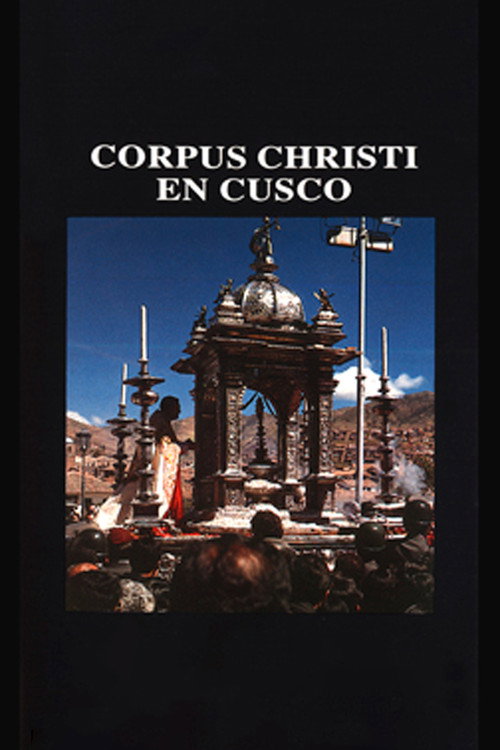
It is a masterpiece of Cusco's popular creativity, where the saints come to life. The Corpus Christi celebration in June is a solstice festival, coinciding with a ceremonial time in the Andes. Just as in the Inca past the ancient mummies were carried in procession, today the images of saints and virgins serve as emblems of current social groups.
Corpus Christi en el Cusco
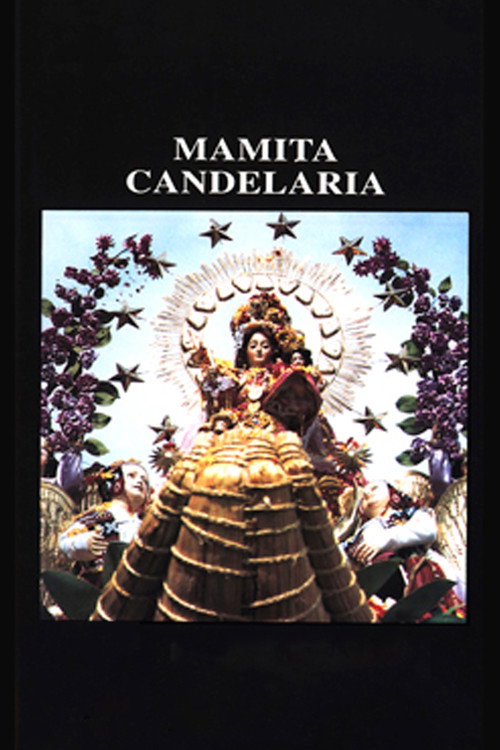
The Virgin of Candelaria is associated with Pachamama, or Mother Earth, Lake Titicaca, mines, and lightning. An impressive variety of dances are performed during the first two weeks of February. The festival takes place within the context of carnivals, the rainy season, ritual competitions, and courtship.
Mamita Candelaria
Every four years, the eight communities gather for the Repaje ceremony at the Markapata church. They are the zealous guardians of the treasure of Inca P’uyu Tarki, which is said to be hidden in the church's attic. Inca P’uyu Tarki competed with the devil to build the church.