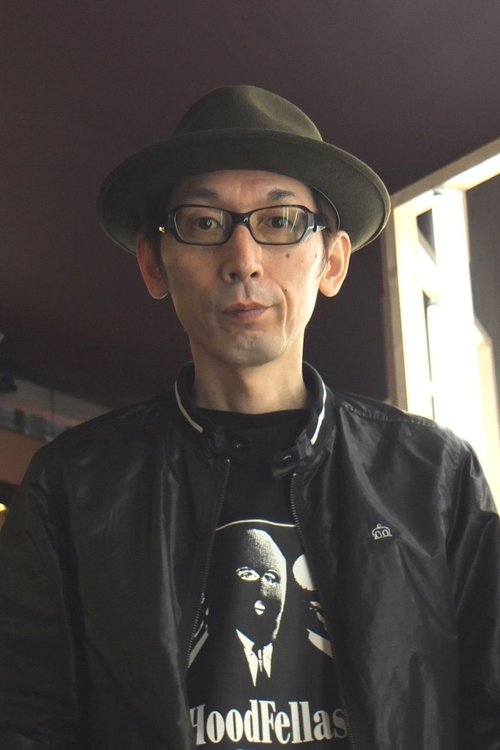
Yutaka Tsuchiya
Directing
Biography
Tsuchiya Yutaka (土屋豊, Tsuchiya Yutaka) (born 11 December 1966) is a Japanese film director, documentary film maker, and video activist. His works have focused on the search for identity amongst Japanese youth, particularly the allure that nationalism or extreme ideologies have offered to troubled young people. After producing several experimental video art pieces, Tsuchiya first came to prominence with A New God, a personal documentary shot on video about his relationship with a right-wing, neo-nationalist punk rock band. Even though Tsuchiya is on the left, he ended up marrying the singer for that band, Karin Amamiya, who has since emerged as a spokesperson for disaffected Japanese youth in the media. The New God won an award at the 1999 Yamagata International Documentary Film Festival. His next work, Peep "TV" Show, was a fictional post-9/11 tale of numbed young people seeking the "real" on a violent, voyeuristic internet site. Eight years passed before he made his next film, GFP Bunny, which won the award for best film in the Japanese Eyes section at the 2012 Tokyo International Film Festival. Tsuchiya is a key organizer in the Japanese left-wing community, founding VideoAct!, an umbrella organization that helps distribute the documentaries and experimental works of many activist organizations.
Known For

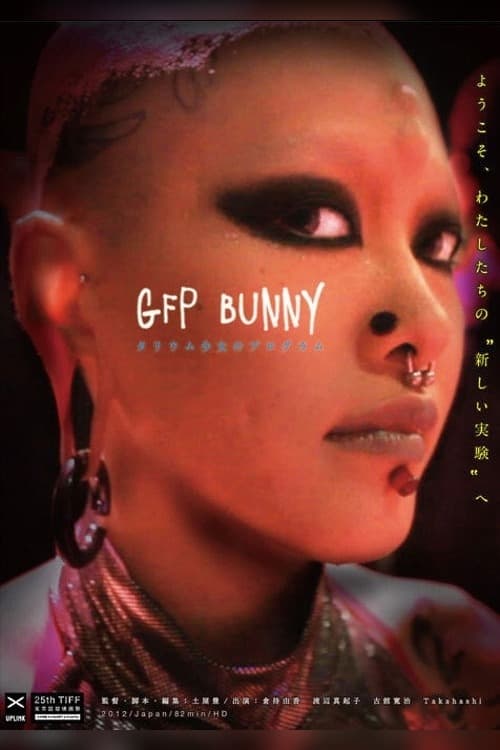
A troubled teenager only lives through her camera and the Internet. Fascinated by science, she experiments on various animals, and her own mother, poisoning her with thallium and documenting the results.
GFP BUNNY
Making-of documentary for Masao Adachi's "Prisoner/Terrorist"
Prisoners

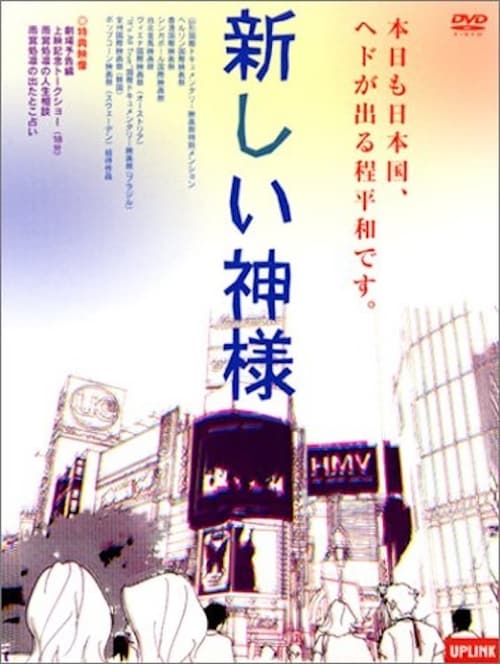
After producing several experimental video art pieces, Tsuchiya first came to prominence with A New God, a personal documentary shot on video about his relationship with a right-wing, neo-nationalist punk rock band. Even though Tsuchiya is on the left, he ended up marrying the singer for that band, Karin Amamiya, who has since emerged as a spokesperson for disaffected Japanese youth in the media. The New God won an award at the 1999 Yamagata International Documentary Film Festival.
The New God

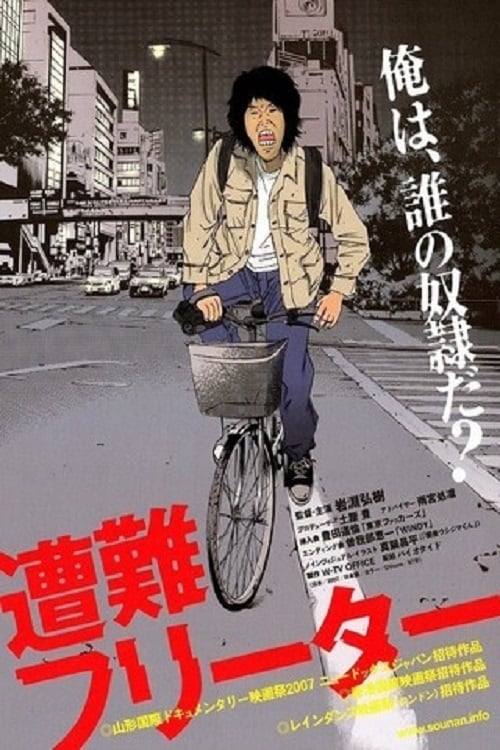
The director, twenty-three-year-old Iwabuchi Hiroki, is a permanent part-timer who on weekdays does menial work at a factory for 1,250 yen an hour, and on weekends takes on casual temporary work in Tokyo, a city he is fascinated with. He joins a demonstration demanding rights for permanent part-timers, and is featured on TV as "a poor, unhappy temporary worker." Despite having made his own choice to live as a permanent part-timer, he says that "the days feel like drowning in shallow water." But during the diary-like documentation of his life, something changes...
A Permanent Part-Timer in Distress
The filmmaker looks into problems of personal communication by focusing on the letters of a woman who has done enjokosai, that is, a young woman who agrees to talk with or meet or go to a hotel with (usually older) men for money. The director himself met Ryoko, the film's subject, via her telephone messaging system. Discarding the flood of sensational images found in the mass media, this film illustrates the thoughts of Ryoko and others from the perspective of those actually involved.
Ryoko, 21 Years Old

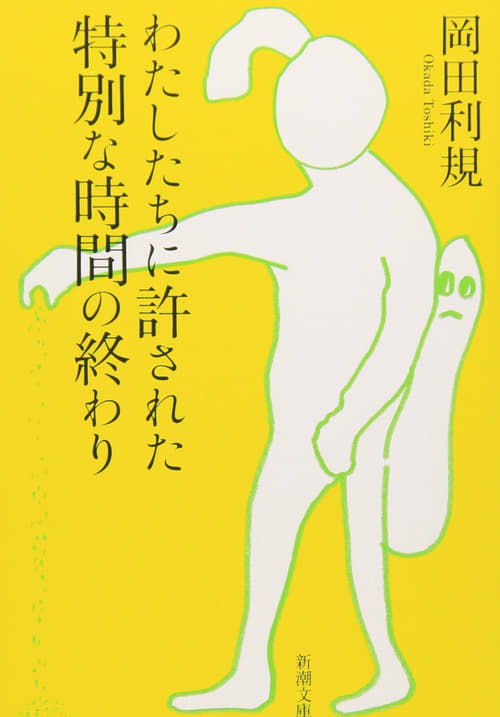
At the age of 17, Sōta Masuda won the Rock Newcomer Award, and his future looked bright. As his high school friend, the director began filming a documentary about him. However, Sōta, who was obsessed with pursuing his rock 'n' roll dream, seemed cursed with unfulfilled aspirations. He lived off his parents for nearly a decade before ultimately taking his own life. The few words left in his suicide note were a plea to the director to complete the documentary.
The End of the Special Time We Were Allowed

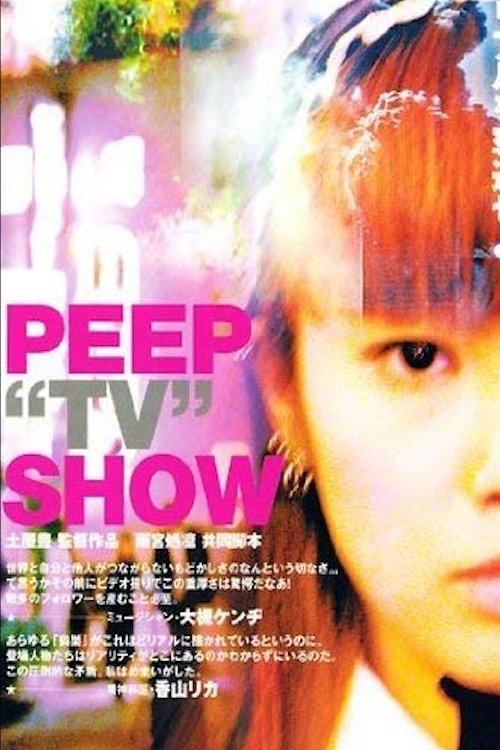
As the first anniversary of the September 11 attacks approaches, peeptvshow.net begins broadcasting hidden camera footage of women and couples in their apartments at night. An aimless teenage girl comes across the site's admin in Shibuya.
Peep "TV" Show
Third film of W-TV (Without Television) shareware series. Director Tsuchiya asks visitors at Yasukuni Shrine about Emperor Hirohito's complicity in the Second World War.