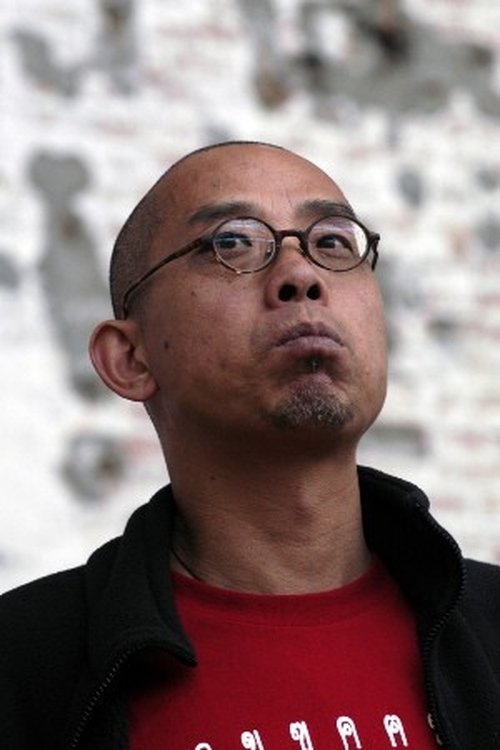
Wu Wenguang
Directing
Biography
Wu was born in south-western China’s Yunnan province in 1956. After graduating from high school in 1974, Wu was send to the countryside, where he worked as farmer for four year. Between 1978 and 1982, he studied Chinese Literature in Yunnan University. After the University, Wu worked as a teach at a junior high school for three years, and later, he worked in the television as a journalist for four years. Wu left the television, moved to Beijing in 1988 to be an independent documentary filmmaker, freelance writer and creator and producer of dance/theater. Wu has completed documentaries: Bumming in Beijing (1990), 1966, My Time in the Red Guards (1993), Jiang Hu: Life on the Road (1999), Fuck Cinema (2005), Bare Your Staff (2010), Treating (2010), Because of Hunger (2013), Investigating My Father (2016), Autobiography: Pass Through (2017), Autobiography: Struggle (2018) Autobiography: Fear (2019), Riding Through (2020), and has screened in many film festivals in the world. Wu also has created some short video, which like Diary: Snow, 21 Nov, 1998 (1999), Public Space (2000), Search: Hamlet in China (2002). Wu had been created in theater, which like Treating (2009), Memory: Hunger (2010), Investigating My Father (2013) and Reading Hunger (2016), Reading Father (2019) Also Wu had some no-fiction books published (Bumming in Beijing, 1966, Revolution Scene, Report on Jianghu) In 2005, Wu found the Village Documentary Project, and in 2010, found the Folk Memory Project .
Known For
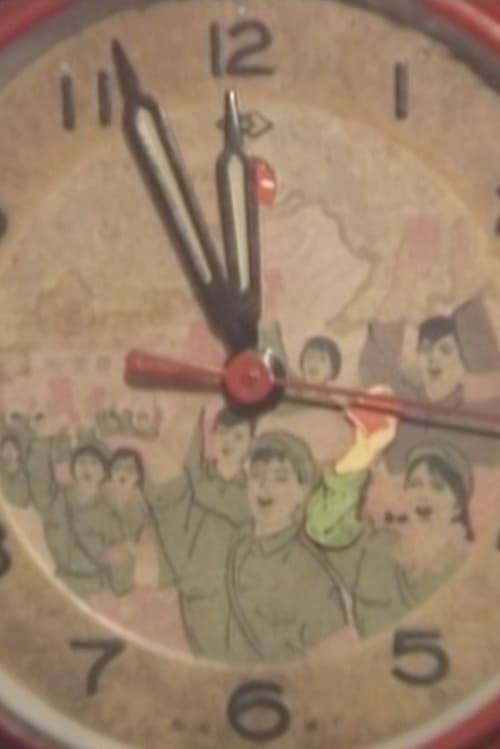
More preoccupied with "history" than Wu's other works, My Time in the Red Guards is a record of his fascination with the missed moment, Mao's Cultural Revolution. In 1966, the Red Guards ironically represented the official avant-garde, a movement carried forward by youth determined to become heroes of the Revolution. Wu interviews people who had joined the Red Guards as high schoolers, most now successful professionals, some Party members. The miscalculations and cruelties of this extreme cultural campaign are spread out before us, detailed by personal recollection and further illustrated by old agit-prop newsreels. Misgivings and fond remembrance vie for position as the interviewees seem to confuse the nostalgia of youthful action with the excesses of historical fact.
1966, My Time in the Red Guards
Darkly humorous reinterpretation of the zombie film, set in Beijing. Here the undead are real estate agents, nouveau riche businessmen, security guards, manicurists, and sex workers seeking contact in an increasingly individualized, alienating society.
Haze and Fog
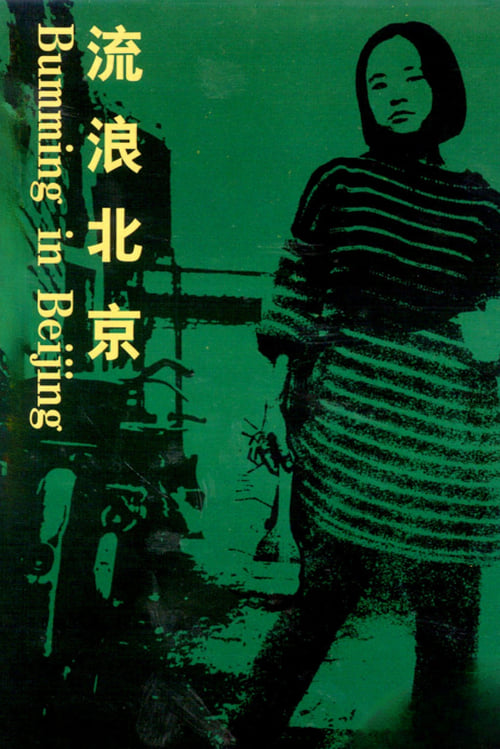
A documentary following five young artists from around China, who travelled to Beijing in the 1980s to work as freelancers, exploring their lives, careers, and what aspirations they may have for the future.
Bumming in Beijing: The Last Dreamers
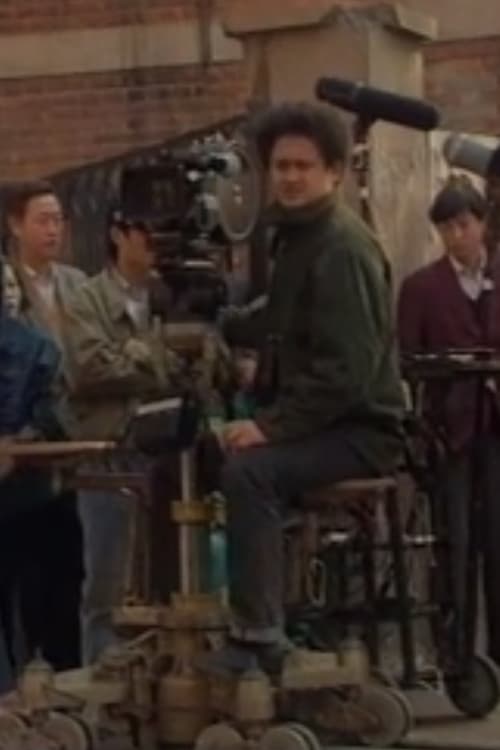
The one directorial feature by Ning Dai, sister of 5th generation filmmaker Ning Ying and wife of 6th generation filmmaker Zhang Yuan. It follows a chaotic period in November of 1993, when production suddenly halted on Zhang Yuan's TV film adaptation of a popular novel, Chicken Feathers, after the Chinese Film Bureau announced that Zhang could no longer direct the film due to submitting his previous independent feature, 1992's Beijing Bastards, to a film festival in Japan without receiving the proper authorization to do so. Ning's documentary features anguished meetings between the Chicken Feather's production crew as they debate replacing Zhang with another director, along with testimonials on the state of censorship in Chinese independent cinema of the early '90s from Wu Wenguang, Tang Danian, He Jianjun, Cui Jian, and others.
A Film Is Stopped
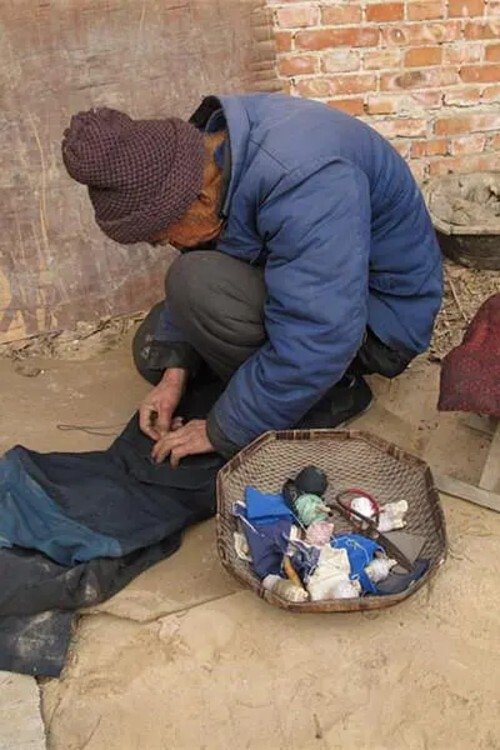
A documentary film following the daily life of director's grandfather in the winter of 2011. At 80 years old with five sons, the grandfather insists to live by himself in the rural area of Hebei
My Grandpa's Winter
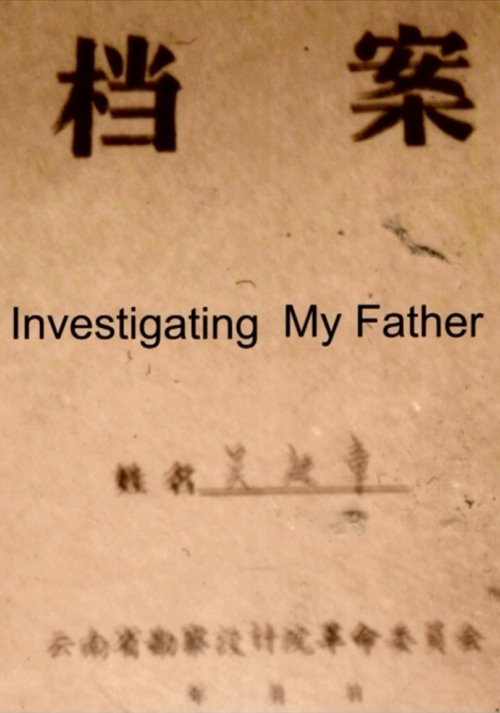
My father was a landowner’s son and an ex-Kuomintang Air Force pilot, who remained in mainland China after 1949. For survival, he tried to transform himself from a man of the ‘old society’ to a man of the ‘new society’. As his son, I started investigating his ‘history before 1949’, which he had kept away from me. This film documents the process of my investigation over twenty years.
Investigating My Father
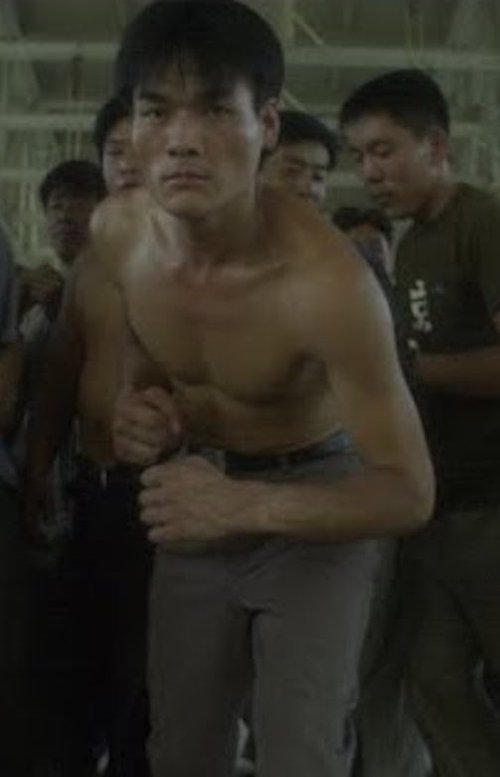
No description available.
Dance with Farm Workers
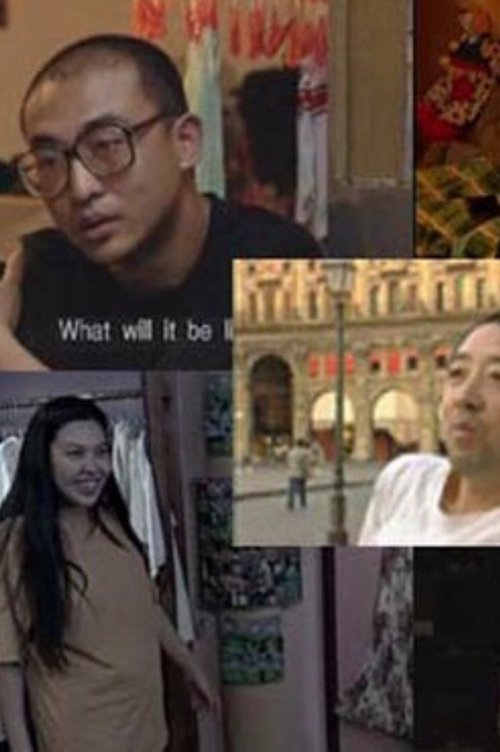
A year after he made Bumming in Beijing, Wu Wenguang visited his main figures in Austria, France, Italy and the USA. The desire to escape everything, which was the most compelling feeling while they were still living in Beijing, has meanwhile faded and they are now confronted with the dynamics of emigration. Wu asks what it means to feels deserted by one's own country and how it is when one reacts by deserting it in turn.
At Home in the World
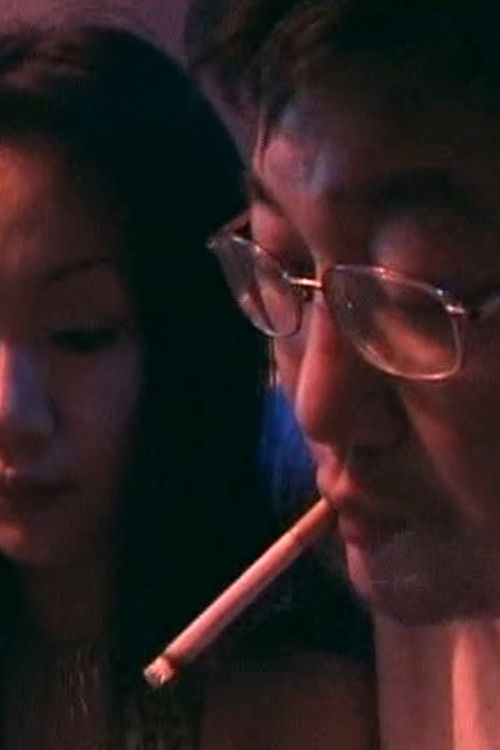
Never broadcasted feature film by Chinese documentary filmmaker Kang Jianning.
Sweat

A journey of the filmmaker, Wu Wenguang, somewhere in China, and his view of public life in the cities and villagers. He meets some of his friends, a gay man in Beijing, and a lesbian couple in Shanghai.
Search for Hamlet
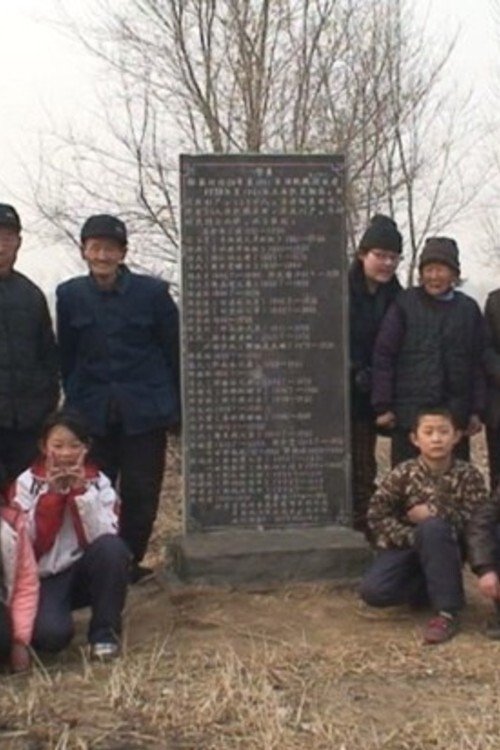
Zou Xueping continues to interview old people in her village, this time with the help of local children. They start collecting names and money to erect a memorial for the victims of the famine.
Children's Village
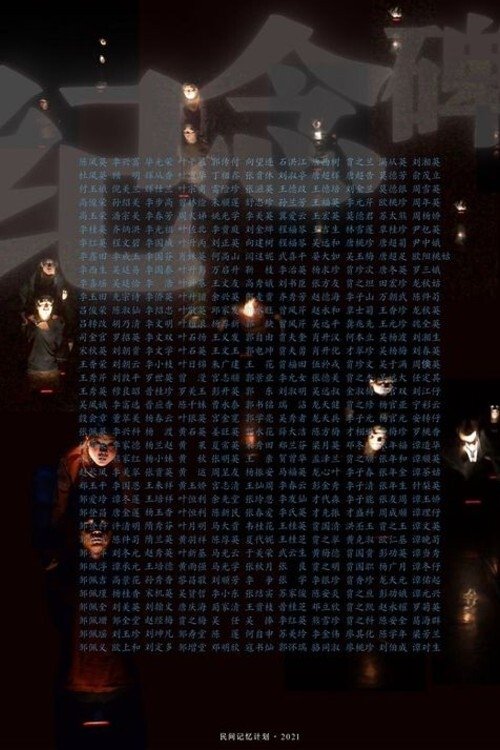
Edited together from materials taken from Caochangdi performances and activities between 2012-2013 and Wu Wenguang's own body camera record, this film can be regarded as a kind of "story follow-up" version of "Because of Hunger". In short, it is a kind of "remembrance".
The Monument
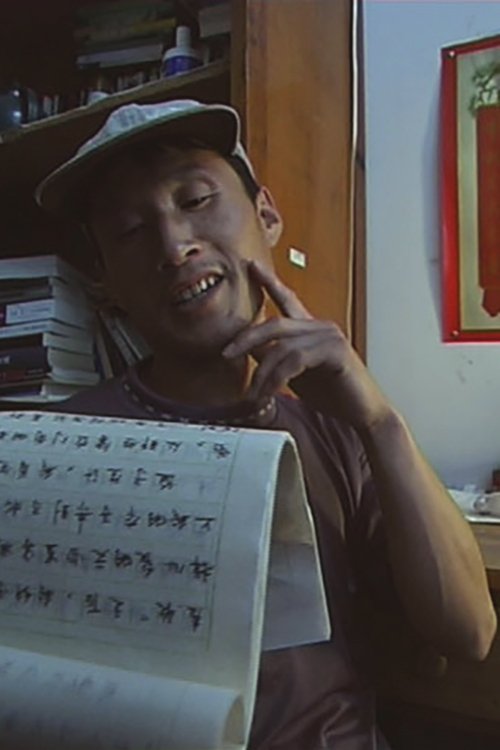
This documentary shows how different young people try to realize their dreams to become famous through the film industry.
Fuck Cinema
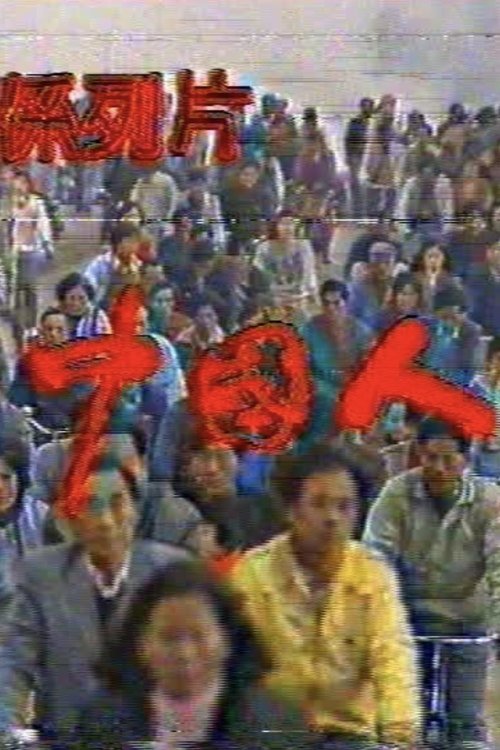
Originally produced in 1988 and 1989, but blocked from being released after June 4th. A large-scale Chinese documentary series that spanned 100s of interviews in nearly 20 provinces, cities, and autonomous regions. It was completed in early 1989, and each of its parts run roughly 50 minutes. The titles of each part: Family, Fertility, Farmers, Youth, Minority, Women, Artists, Kung Fu, and Mission. The series, according to production notes written by screenwriter Zhu Xiaoyang, "reflects the life and fate of contemporary Chinese people, their behaviors, concepts, and customs; explores the influence of traditional culture and foreign cultures on modern Chinese people; and describes the joy and hard work, hardship, and perseverance, as well as exploration and yearning, of the Chinese people." Youth, Kung Fu, Artists, and Minority are the only surviving parts of this series.
The Chinese

Li Xinmin's first return to her village in Yunnan province. Alongside interviews with some village elders, the film reveals the filmmaker's family and their views on her film project.
Back to Huamulin
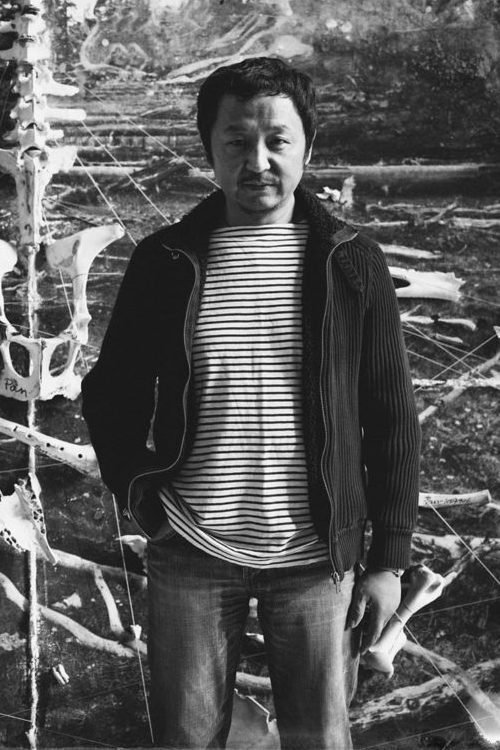
Wu Wenguang revisits the artist Gao Bo more than 20 years after their earlier encounters which were documented in "Bumming in Beijing" (1990) and "At Home in the World" (1995).
之间
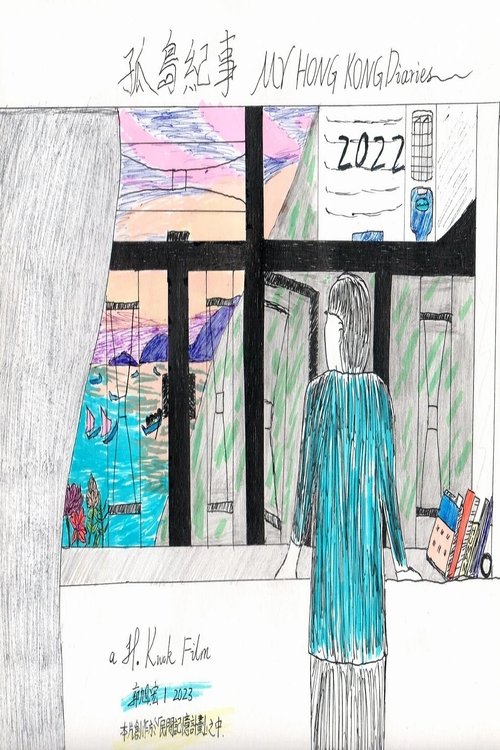
In 2022, while living and working in Hong Kong, Hester started writing daily about her experiences. The previous year, inspired by the weekly online film discussions at "Caochangdi Workstation," She finally took her neglected camera out of the closet and began capturing everything around her. Together, her writing and visual documentation created a tangible memoir of her life in 2022.
My Hong Kong Diaries in 2022
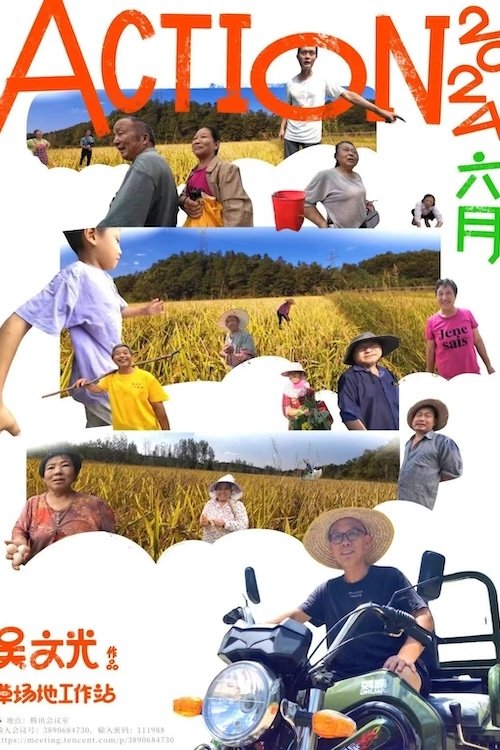
“Action 2024” is a snapshot of independent filmmaker Wu Wenguang's experiences during the year 2024, which he spent in a village called Shijiawan growing rice, corn, and vegetables, and raising chickens, ducks, and geese. What sets this work apart from Wu's previous films is that it was not conceived as a project first, leading to a film; instead, it emerged organically from the filmmaker's life working in the village—farming and raising poultry—during which time he had attached to his body a miniature camera. This process prioritized living and farming first, followed by documentation, and ultimately resulted in an 18-hour film which follows the chronological order of occurrences and documentation, and is structured into five chapters: “June,” “July,” “August,” “September,” and “October.” Screened online over 5 consecutive Fridays from January 31 to February 28, 2025.
Action 2024
During Luo Bing's second return to his village, Ren Dingqi finally accepts to showhim his memoirs.
Luo Village: Pitiless Earth and Sky
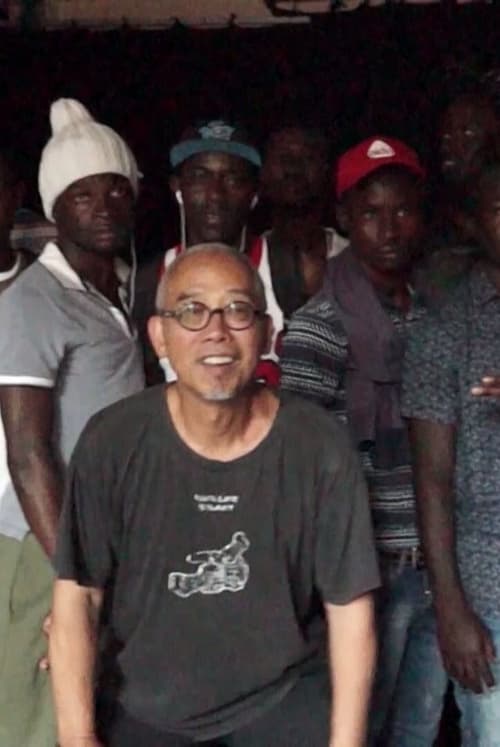
The first part of Wu Wenguang's Autobiography film series.