Camera
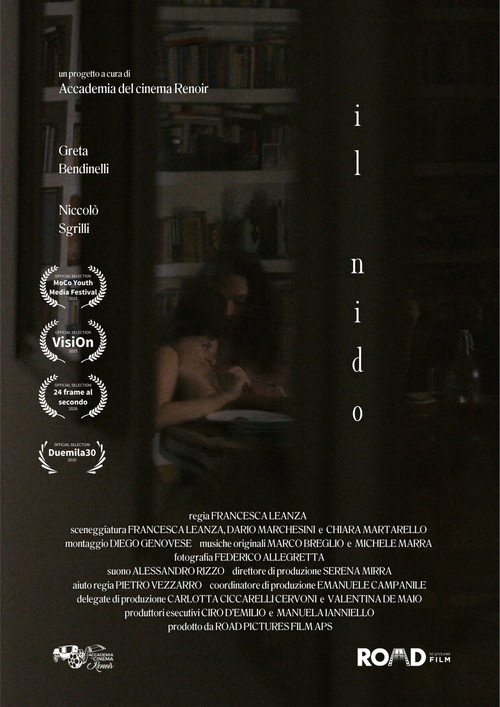
Within a couple's cohabitation, the monotony of daily life turns them into mere spectators of what happens.
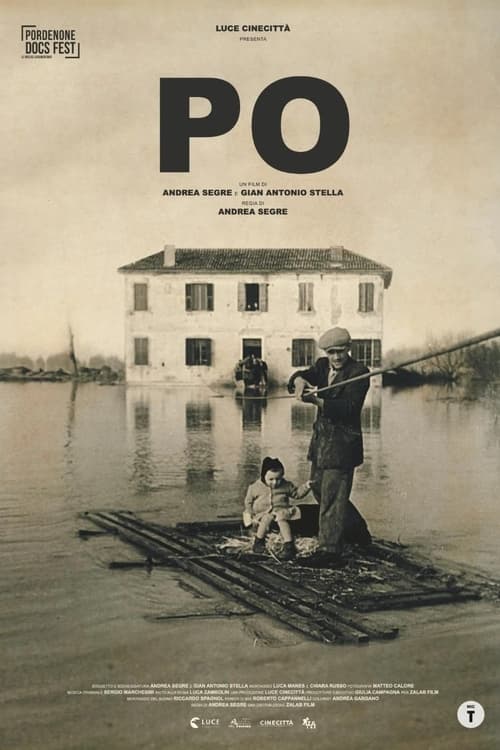
November 14, 1951, the left bank of the Po river a few hundred meters from the Padua-Bologna railway bridge breaks. The tide invades the Polesine's lands in a few minutes, one of the poorest regions in Italy at the time. Thousands people, men, women and children flee while the water remains stagnant for months between the houses and the countryside. Today, 70 years later, the children of that time remember those months immortalized by the films perfectly preserved in the Istituto Luce's archives.
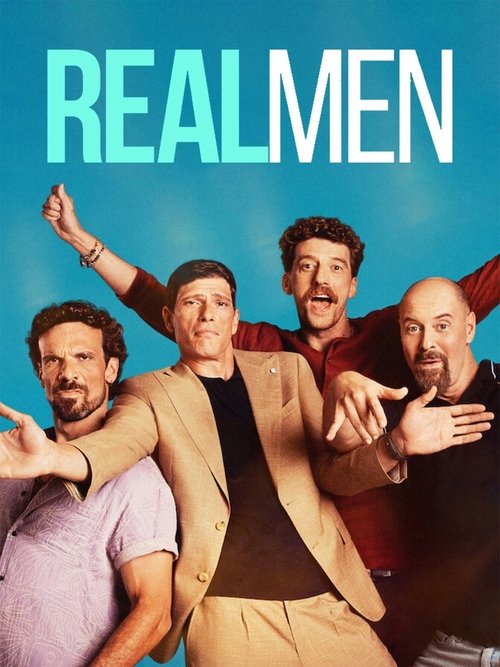
Four old friends, Massimo, Mattia, Luigi and Riccardo, juggle relationships, careers and dating in a modern world set on giving masculinity a hard time.
No description available.
Carla's life, originally from Friuli and adopted from Milan, is turned upside down by the news that his father, at home, is about to die. Waiting for her is her sister Anna, who cannot accept the imminent death of her parent and drowns her loneliness in alcohol. A misfortune that cannot be postponed thus leads the two sisters to rebuild a relationship lost years before, when carla left Friuli to pursue her dreams away from home.
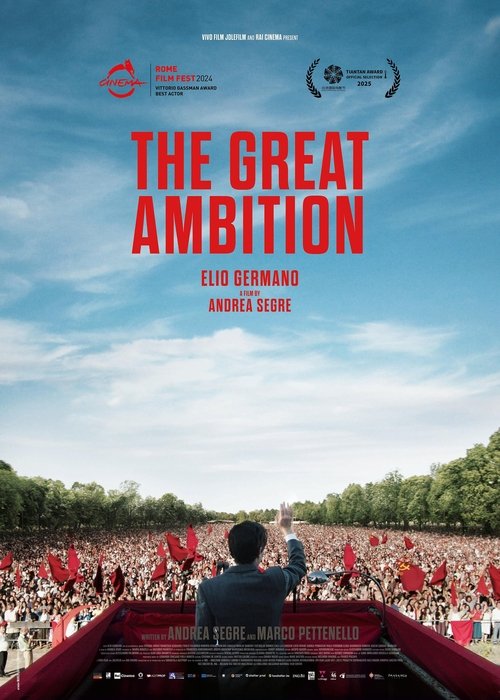
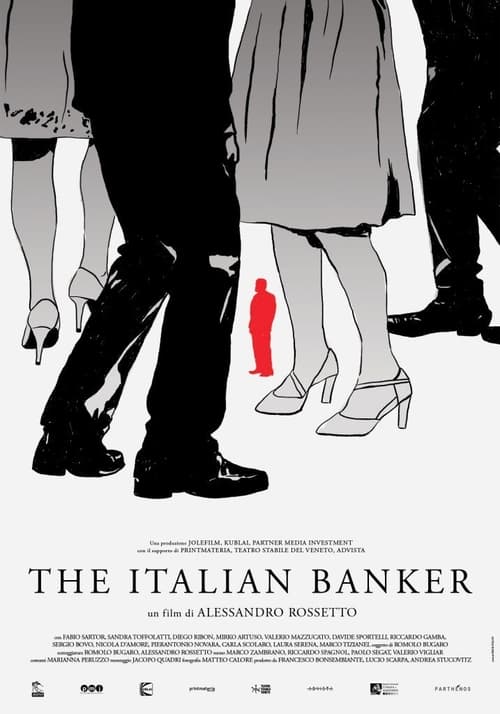
Secretary of the most influential Communist Party in the Western world, Enrico Berlinguer challenged the international balance by seeking to bring the Communists to government in Italy and achieve socialism in a democratic country. From 1973, when he escaped an attack by the Bulgarian secret services, to the assassination of his main ally Aldo Moro in 1978, not forgetting his trips to Moscow and the covers of Time: the story of a man who wanted to change the world, but failed.
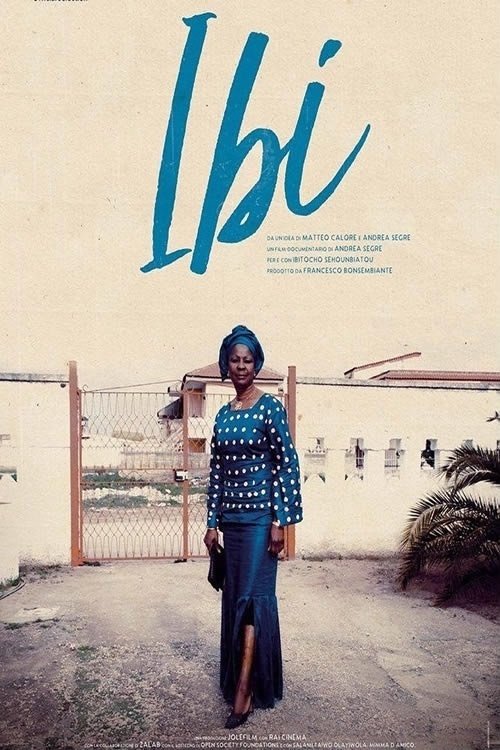
Ibi photographed and filmed her life in Italy for 10 years. This film is the result of her images, her creativity, and her energy. For the first time in Europe, a film based entirely on the direct and spontaneous self-narrative of a migrant woman, who tells her children in Africa about herself and her Europe. An intense and intimate journey into the difficult, lively, and colorful world of a still unknown visual artist.
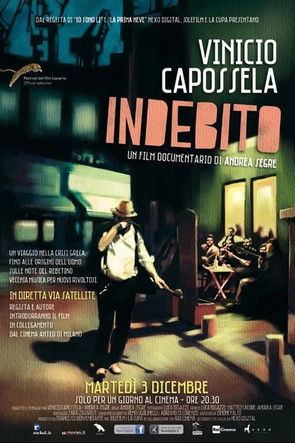
An odyssey across the places of origin of Western civilization: Greece, subsumed by economic crisis; where the mind, the soul, and the music of its people lie, specially the Rebetes, the Rebetiko singers, considered as the Hellenic equivalent to blues; this music against the establishment was born among refugees who arrived to Greece from Asia Minor and proliferated in poor urban neighborhoods. In the journey of composer and musician Vinicio Capossela through the taverns of Athens and Thessalonica, this film records his music, his wandering life, and his travel journal, revealing at the same time the collective scars the crisis has left in a place where everything seems to have lost its value.
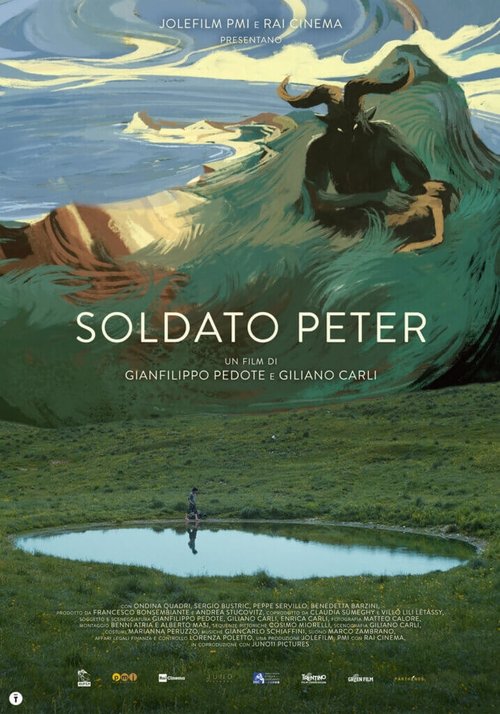
1918, shortly before the end of the Great War, an Austrian soldier passes the barrier of the Italian lines and escapes. He is very young, alone, scared. During his journey in that enemy land, so similar to his own, the thoughts of the terrible experience on the front alternate with childhood memories. Along the way, death takes him and puts him back into the flow of nature, to which he has always felt he belonged.
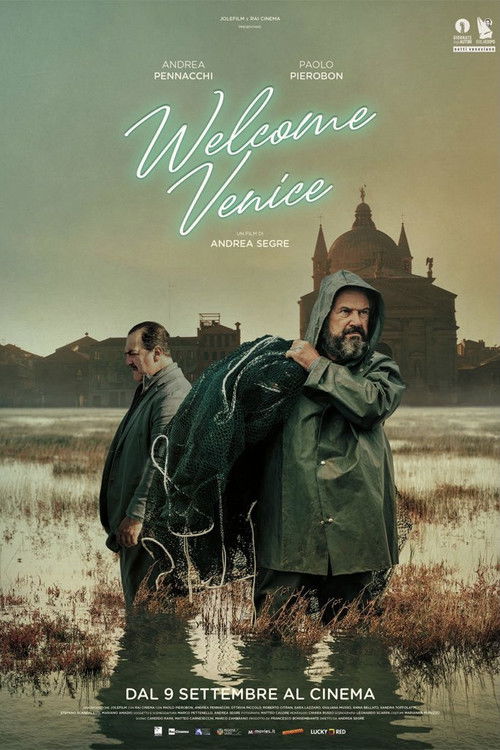
Two brothers are in conflict over the way the Venetian lagoon has been transformed, and the identity of the city and its residents has drastically changed.
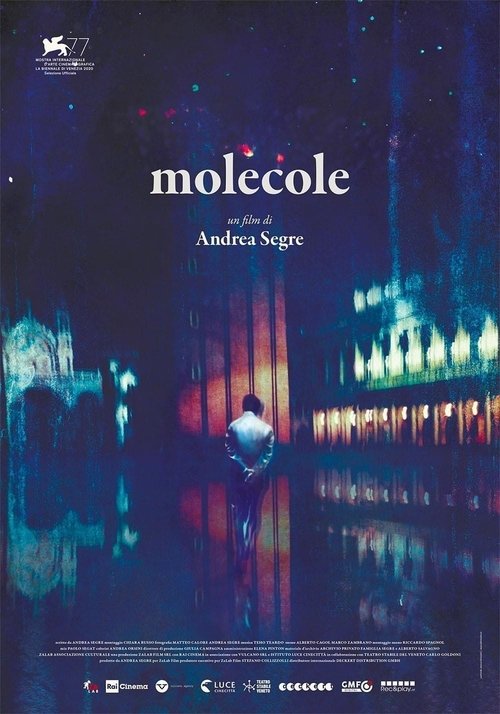
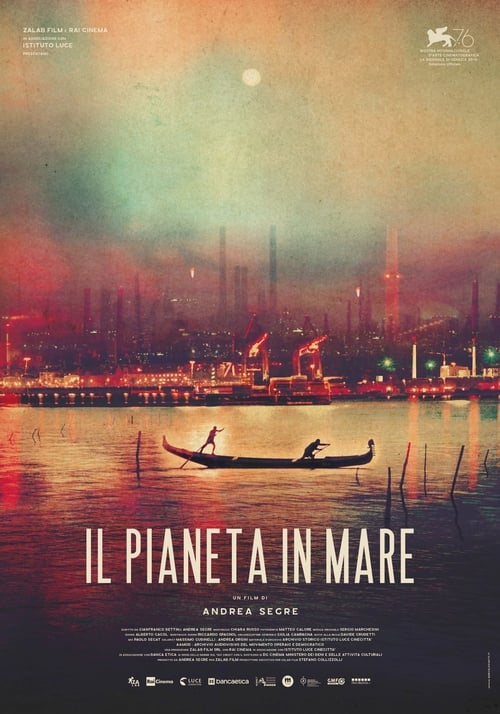
Stuck in his hometown, Venice, during the pandemic, director Andrea Segre turns the camera on the frozen city, while reminiscing about his father, a scientist and chemist, and the past.
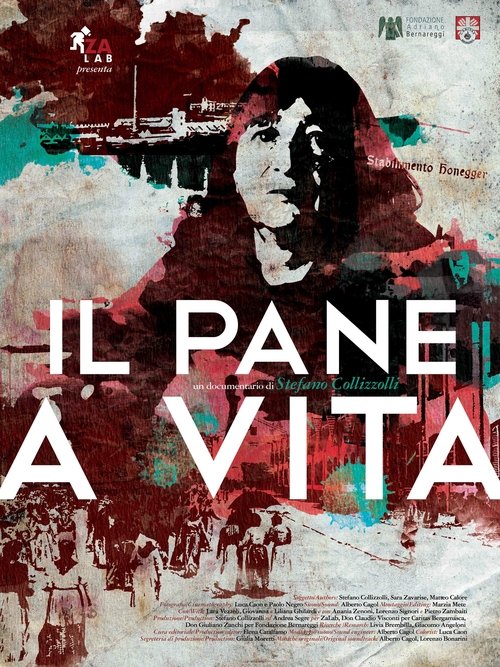
In October 2012, after 123 years, the cotton factory Honegger of Albino closed down, in the middle valley of Bergamo, where working is a religion. In the cotton factory, the place at the loom was handed down from mother to daughter, and newly employed workers were sure to have found "ol pà 'n véta", their bread and butter for a life time. Following for a whole winter the daily life of three workers on unemployment benefits, the film narrates the decline, now definitive, of a whole idea of work and society and the subsequent emptiness. Such a transition concerns the whole of Italy, where a fourth of the industrial power was lost in the last five years. However, Italy is not clearly dealing with such a transition yet. Now that bread is finished, how are we going to reinvent our life?
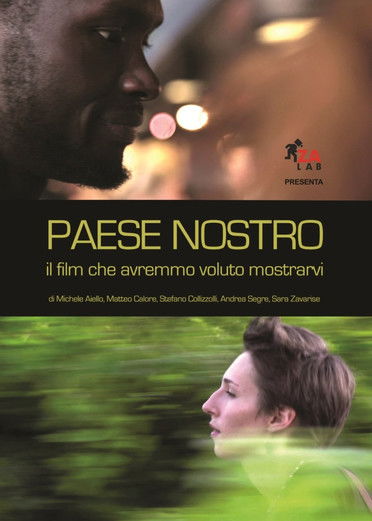
In Italy there is a world that is helping the country grow; it is that of the operators and mediators of the SPRAR network reception projects, a public system based on the synergy between municipalities, the Ministry of the Interior and associations. The film follows the lives, thoughts, dreams, and labors of those who work every day in the construction of a complex and necessary future.
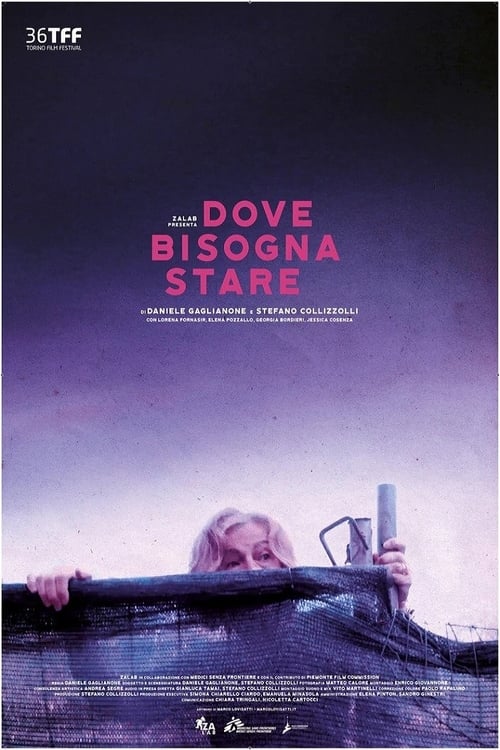
Georgia, Lorena, Elena, and Jessica are four different women who all faced marginalization and didn't turn away. They stayed where they felt they belonged.
Margherita is a 14 year old living in Milano, who shares everything with her friends. They discuss clothes, music, school and that first kiss. A delightful coming-of-age film in which the here and now is all that really matters. Where every little thing is so very important and where feelings sometimes bubble over. In your teens, there’s no room for anything but friendship and love.
A personal take on the Italian economic growth of the 60s and contemporary economic growth of Kazakhstan.
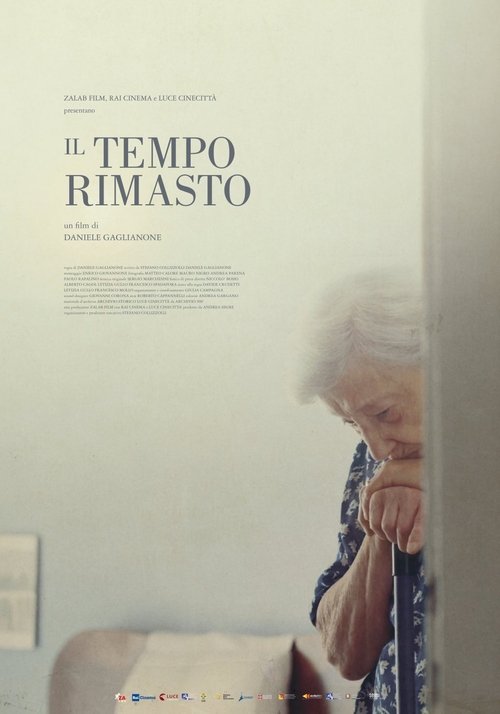
When the past re-emerges, it can prove to be uncontrollable and become another present, the here and now of a space that is contemporaneously clear-cut and indefinite, suspended within a frame of mind that can take your breath away. The movie is a journey inside this dimension, as it recounts what it means to cross this threshold and teeter between unexpected tears and sudden laughter. A reflection on old age and what you can discover by looking at yourself in this mirror, the film is the outcome of a long process of listening and dozens of lengthy encounters in five regions in Italy, in search of yesterday’s world, that sometimes seems very far away and sometimes strangely present.
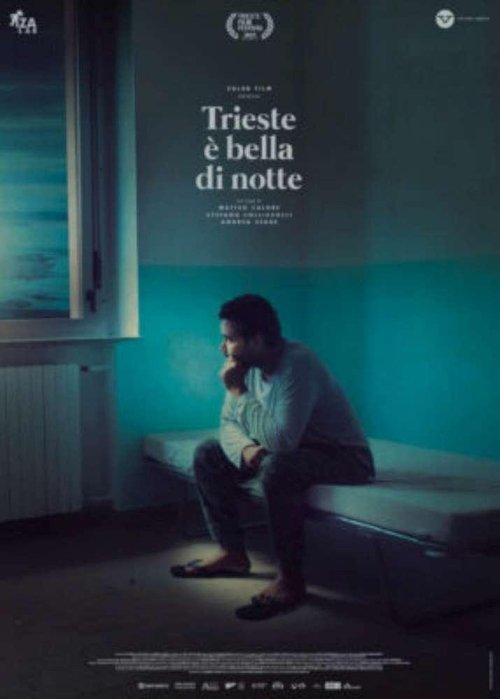
On an internal EU border – the one between Italy and Slovenia, a few kilometers from Trieste, migrants who manage to cross the border risk being stopped by Italian law enforcement. The stories of migrants who have experienced refoulements and readmissions are interwoven with the videos recorded by the migrants themselves on their smartphones during their long journeys, as well as with the increasingly contradictory responses of the institutions.