
Alysa Nahmias
Production
Biography
Alysa Nahmias is an award-winning producer of documentary and narrative films. Her debut feature documentary about Cuba's revolutionary architecture, Unfinished Spaces (2011), was broadcast on PBS, HBO Latin America, and Al-Jazeera "Witness," won a 2012 Independent Spirit Award, numerous film festival prizes, and was selected for Sundance Film Forward. She recently produced the fiction feature No Light and No Land Anywhere by director Amber Sealey with executive producer Miranda July, which won a Special Jury Prize at the 2016 L.A. Film Festival. Her documentary producing credits include the Kino Lorber and PBS American Masters release Afternoon of a Faun: Tanaquil Le Clercq directed by Nancy Buirski with creative advisor Martin Scorsese (New York Film Festival, Berlinale, 2013); Shield and Spear by director Petter Ringborn (Hot Docs, Sheffield Doc/Fest, 2014); Academy Award-nominated director Jennifer Redfearn's ITVS/PBS feature Tocando La Luz (Full Frame Jury Prize, 2015). Nahmias was a 2013 Film Independent Fellow. Her work has been shown at festivals and exhibitions worldwide, including the Venice Biennale and MoMA.
Known For
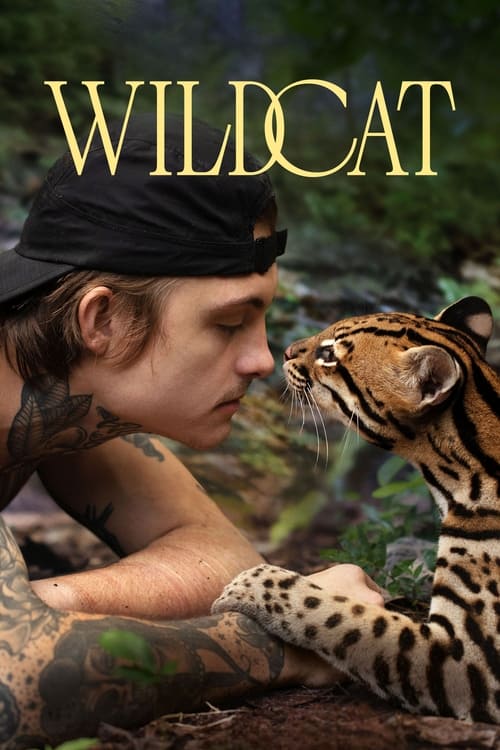
Back from war in Afghanistan, a young British soldier struggling with depression and PTSD finds a second chance in the Amazon rainforest when he meets an American scientist, and together they foster an orphaned baby ocelot.
Wildcat

It’s Girl Scout Cookie season, and four tenacious girls strive to be a top-selling “Cookie Queen,” navigating an $800 million business in which childhood and ambition collide.
Cookie Queens
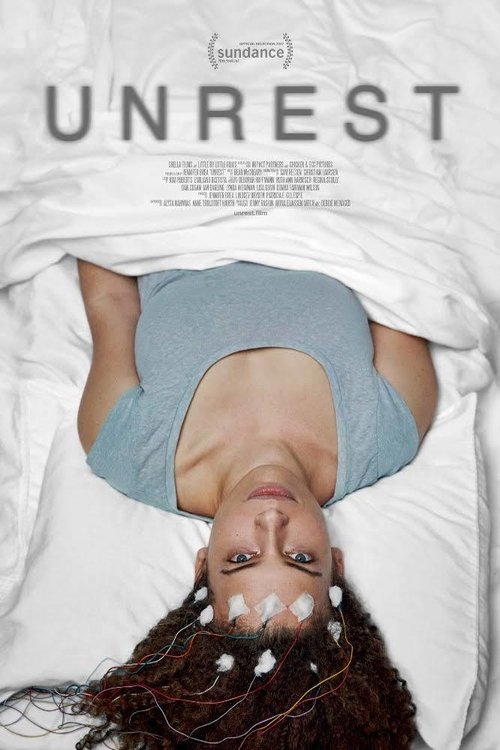
When Harvard PhD student Jennifer Brea is struck down at 28 by a fever that leaves her bedridden, doctors tell her it’s "all in her head." Determined to live, she sets out on a virtual journey to document her story—and four other families' stories—fighting a disease medicine forgot.
Unrest
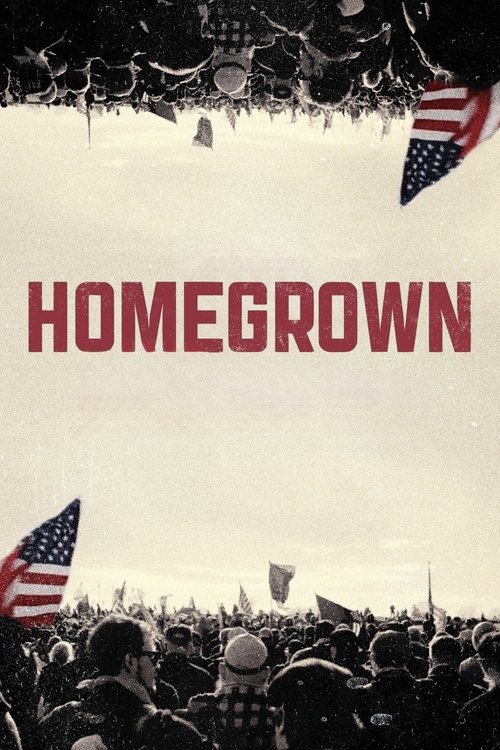
Three Trump supporters from different backgrounds unite to campaign across America in 2020, advocating for his re-election while laying foundations for what they hope will be a long-lasting political movement.
Homegrown
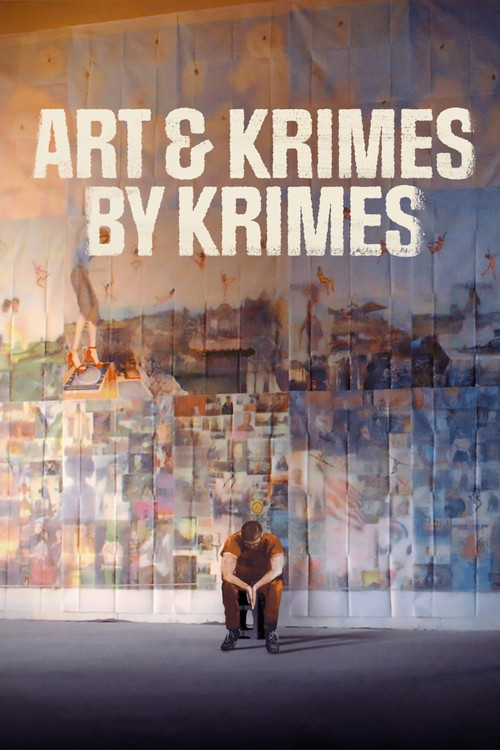
While locked-up for six years in federal prison, artist Jesse Krimes secretly creates monumental works of art—including an astonishing 40-foot mural made with prison bed sheets, hair gel, and newspaper. He smuggles out each panel piece-by-piece with the help of fellow artists, only seeing the mural in totality upon coming home. As Jesse's work captures the art world's attention, he struggles to adjust to life outside, living with the threat that any misstep will trigger a life sentence.
Art & Krimes by Krimes
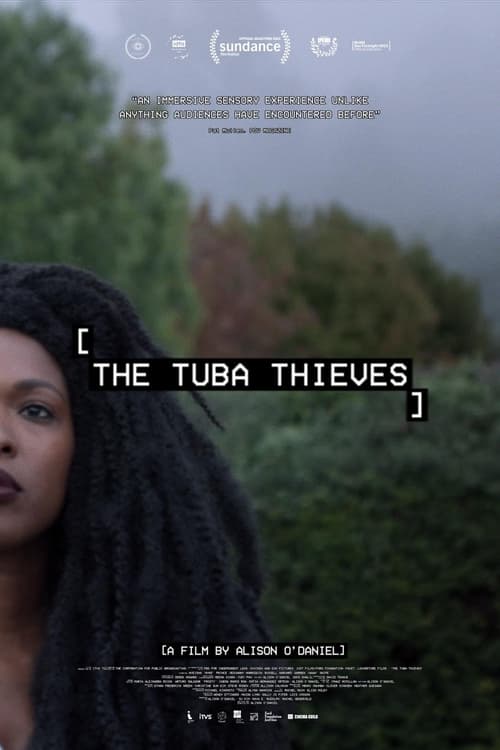
A spate of robberies in Southern California schools had an oddly specific target: tubas. In this work of creative nonfiction, d/Deaf first-time feature director Alison O’Daniel presents the impact of these crimes from an unexpected angle. The film unfolds mimicking a game of telephone, where sound’s feeble transmissibility is proven as the story bends and weaves to human interpretation and miscommunication. The result is a stunning contribution to cinematic language. O’Daniel has developed a syntax of deafness that offers a complex, overlaid, surprising new texture, which offers a dimensional experience of deafness and reorients the audience auditorily in an unfamiliar and exhilarating way.
The Tuba Thieves
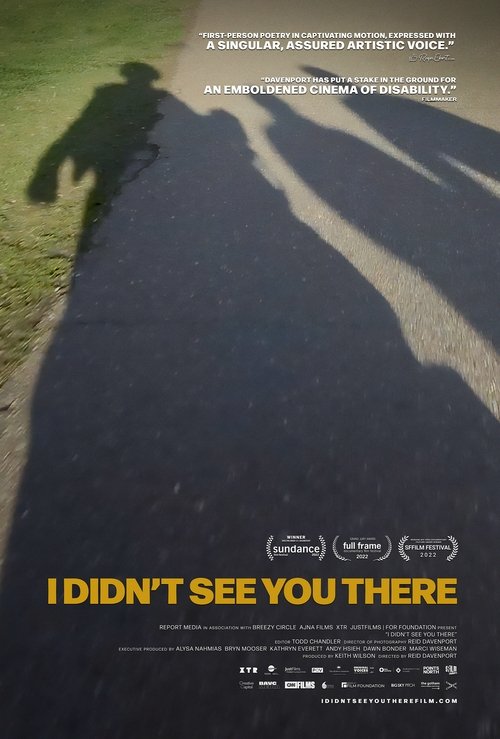
As a visibly disabled person, filmmaker Reid Davenport is often either the subject of an unwanted gaze — gawked at by strangers — or paradoxically rendered invisible, ignored or dismissed by society. The arrival of a circus tent just outside his apartment prompts him to consider the history and legacy of the freak show, in which individuals who were deemed atypical were put on display for the amusement and shock of a paying public. Contemplating how this relates to his own filmmaking practice, which explicitly foregrounds disability, Davenport sets out to make a film about how he sees the world from his wheelchair without having to be seen himself.
I Didn't See You There
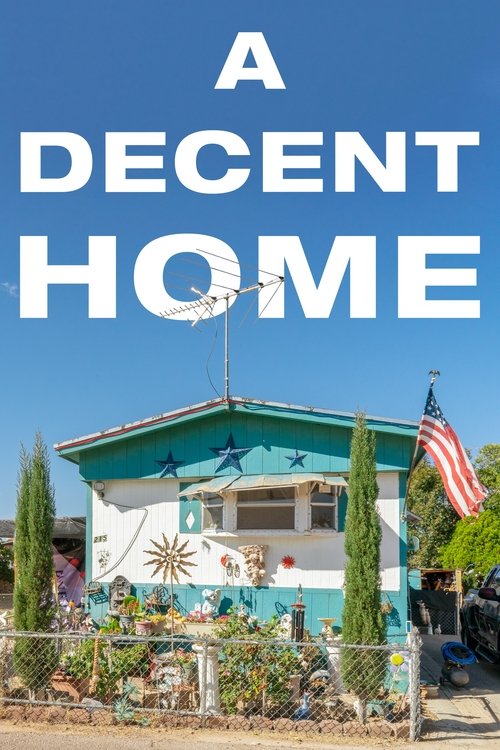
Mobile homes have long been an affordable option for people who struggle with the cost of other housing in the United States. But now the economy of mobile home parks is under threat as private equity firms are buying up properties and looking to squeeze more money out of mobile home owners. Filmmaker Sara Terry uses this backdrop to explore urgent class issues that resonate across America, and especially in the high-priced rental market of New York City.
A Decent Home
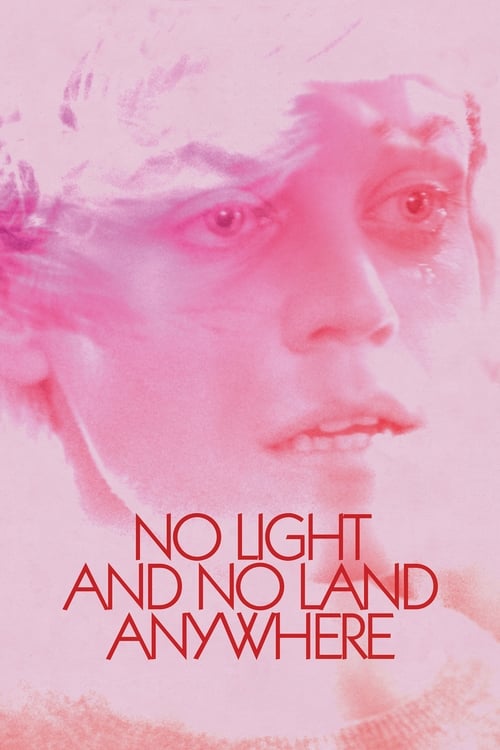
Grieving her mother’s death and her own failing marriage, Lexi boards a plane from London to Los Angeles in search of the estranged father who abandoned her when she was three years old. Based out of a seedy Hollywood motel, she follows a tenuous trail of breadcrumbs, collecting numbers and addresses in the hopes that one will lead to her father, while establishing unexpected connections along the way.
No Light and No Land Anywhere
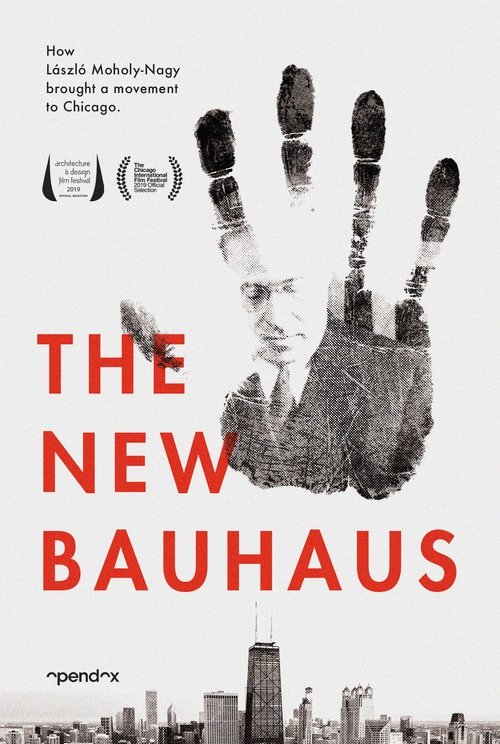
When radical Hungarian artist László Moholy-Nagy moved to Chicago in 1937, he spearheaded “The New Bauhaus,” a movement descended from the famous German school. An original Bauhaus member, Moholy-Nagy took a pioneering interdisciplinary mixed-media approach to art and design that was vastly ahead of its time. Featuring intimate interviews with Moholy-Nagy’s daughter and an in-depth exploration of his groundbreaking work, The New Bauhaus offers an illuminating portrait of a visionary teacher and thinker.
The New Bauhaus
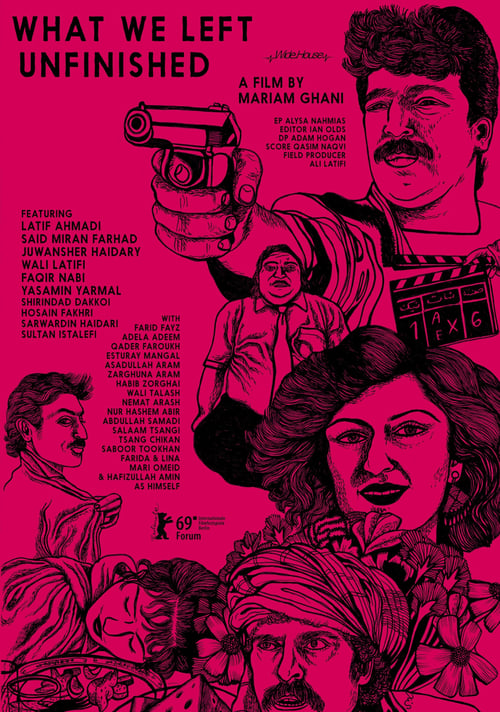
About five never completed films made between 1978 and 1992 before the backdrop of the various communist regimes that came to power in Afghanistan. Scenes from these films, some of which later reused in other works, are edited together with current footage of their locations and commentaries by the filmmakers and actors involved in the productions, allowing us to dive into action films and romantic dramas that revolve around local histories and conflicts.
What We Left Unfinished

DIS-EASE is a feature-length documentary about how we imagine disease, and how that affects what we do when we encounter illness, outbreaks, doctors, treatments, and disability in real life. It dives deep into the weird, wild archives of medical imaging, public health messaging, and pop-culture outbreak narratives to understand how ideas have moved between science, science fiction, and political ideology over the past century. (Yes, this is a film that covers both antibiotic resistance and the persistence of zombie apocalypse films.) Ultimately, DIS-EASE is a provocation to re-think how we define both the "public" and "health" in public health - who is included, what counts as care, and what it means to be sick or well in a world perpetually on the brink of collapse.
Dis-Ease

What happens when art meets trash? Maintenance Artist profiles pioneering public artist Mierle Laderman Ukeles — the first artist-in-residence at NYC’s Department of Sanitation.
Maintenance Artist
Explores the life and aspirations of Oliver, a rambunctious and imaginative preteen growing up with disabilities, who’s an avowed murder-mystery aficionado about to craft the perfect mystery caper.
Kids Like Me
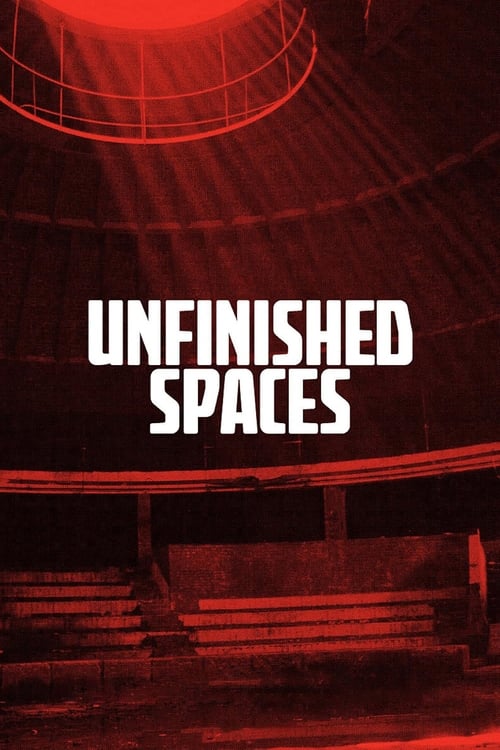
Cuba's ambitious National Art Schools project, designed by three young artists in the wake of Castro's Revolution, is neglected, nearly forgotten, then ultimately rediscovered as a visionary architectural masterpiece.