Milena Dravić
Acting
Biography
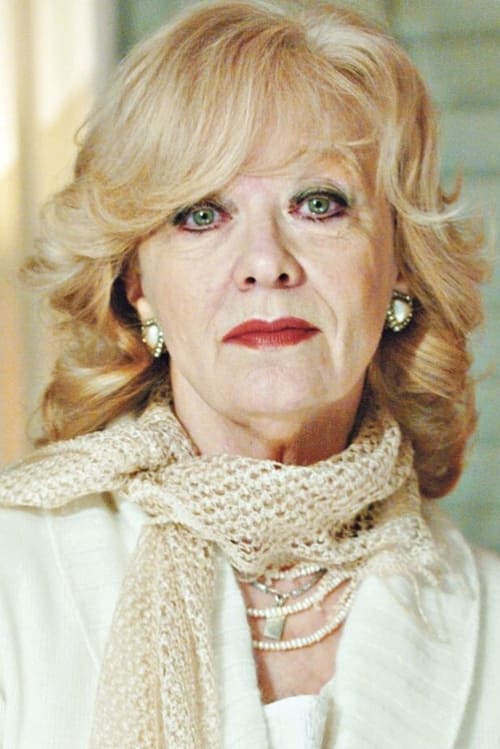
From Wikipedia, the free encyclopedia Milena Dravić (1940–2018) was a Serbian actress. Born in Belgrade, Dravić was involved with the performing arts from the age of four: first with dance and later classical ballet. In 1959, while in high school, director František Čap saw her on the cover of a youth magazine in a ballet dancers group photo and decided on the spot to approach her about being in his film Vrata ostaju otvorena. After appearing in few more films she decided to pursue acting full-time and successfully enrolled in Belgrade's Dramatic Arts Academy. Her big break came in 1962 when she won the Golden Arena for Best Actress award (which was the Yugoslav equivalent of Academy Award) for her role in Branko Bauer's film Prekobrojna. This was the moment that sent her on the way to becoming Yugoslavia's first and arguably the biggest female movie star. Milena Dravić continued with long and prolific career during which she showed great talent and versatility. She was equally memorable and believable as the tragic heroine in state-sponsored World War II epics, eccentric protagonist of experimental arthouse films like WR: Mysteries of the Organism and romantic comedies. She especially excelled in the latter during 1970s and 1980s. She won the Cannes Best Supporting Actress Award in 1980 for Special Treatment. For her roles and contributions to domestic cinematography, she received the prestigious "Pavle Vujisić" award in August 1994. Milena Dravić was married three times. Her third husband was the prominent Serbian actor Dragan Nikolić, with whom she had co-hosted the popular 1970s television program Obraz uz obraz. She died on 14 October 2018, after a long battle with illness.
Known For

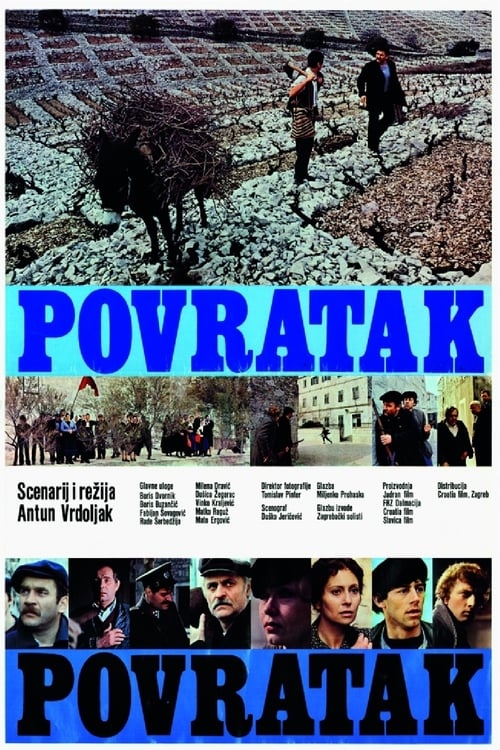
With WWI finally ending in 1918, Croatian journalist Kresimir Horvat travels from Zagreb to his village of Vucjak in Zagorje and becomes a witness of history as Austria-Hungarian Empire dissolves.
Journey to Vucjak

An updated version of a legendary Yugoslavian 1970s sitcom “Theater at Home”.
Theater at Home

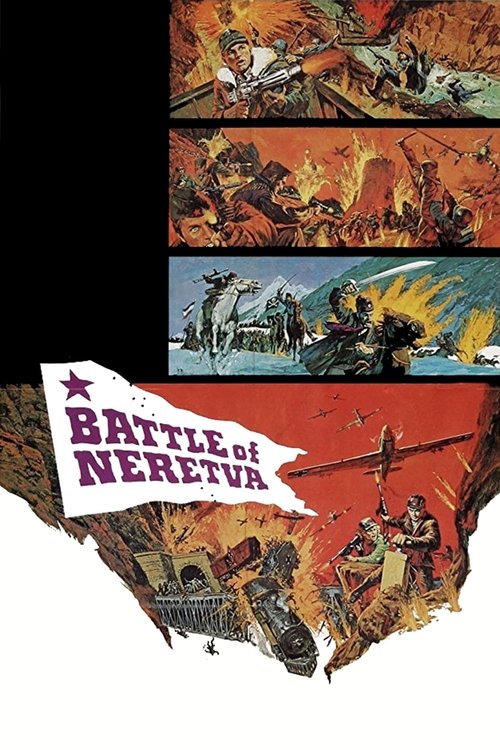
In January 1943 the German army, afraid of an Allied invasion of the Balkans, launched a great offensive against Yugoslav Partisans in Western Bosnia. The only way out for Partisan forces and thousands of refugees was the bridge on the river Neretva.
The Battle of Neretva

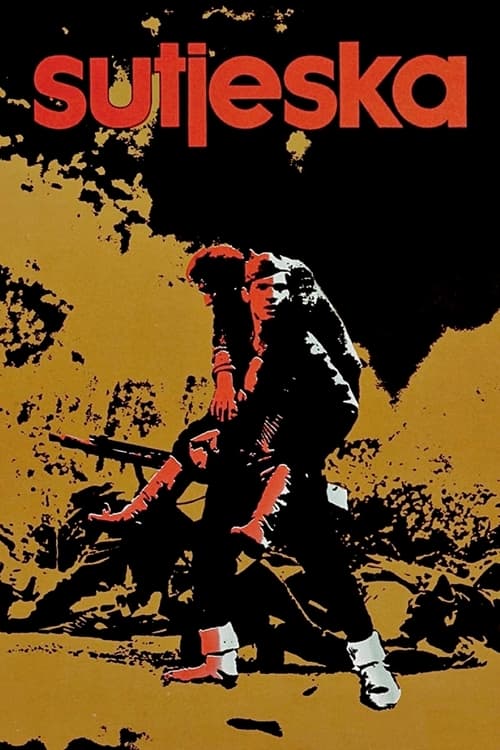
The headquarters of the Marshal Tito's Liberation Army are surrounded by Axis forces. The Partisans have no choice but to fight their way out of the encirclement and face the enemy on the plains of Sutjeska.
The Battle of Sutjeska

A story about friendship between two boys coming from different social backgrounds, but with the equally bitter family experiences.
Blackbird

In WWII, Lieut. Martino and his men are assigned to lead a group of prostitutes through the mountainous ways to serve in brothels for Italian soldiers in Albania.
The Camp Followers

Room 405, is a room in children's hospital. In it, happy and unusual things happen continuously, because, of course, not even a hospital can do anything to a child's vitality. The favorite Dr. Marković is played by Goran Sultanović, and the strict head nurse of the hospital is played by Milena Dravić.
Room 405

Oleg Vidov — one of the Soviet Union's most beloved actors — was persecuted, blacklisted and pushed to the breaking point before escaping to the West and achieving the American dream.
Oleg: The Oleg Vidov Story

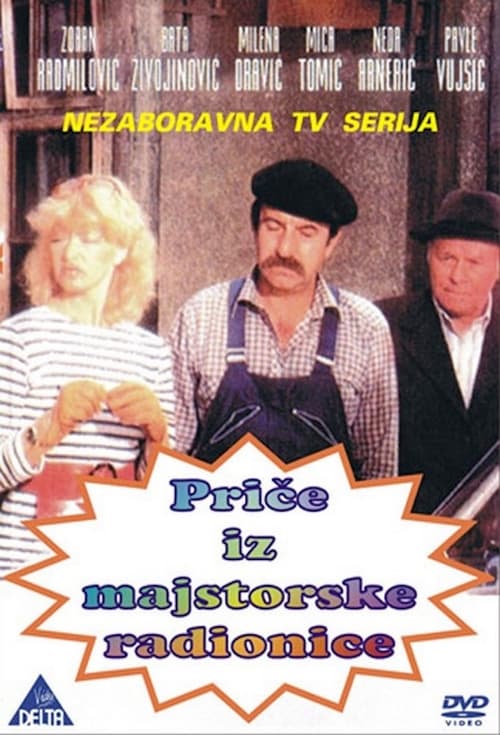
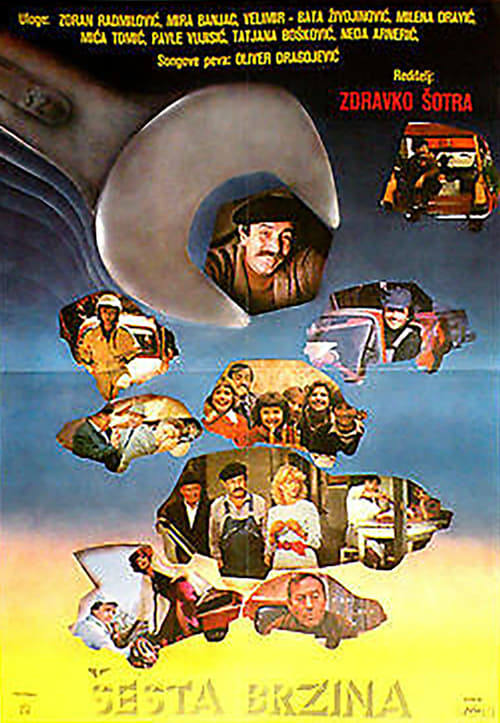
Dealing with his customers with an open heart a car mechanic named Života goes through many adventures. Some are funny, some are sad, some reveal the beauty and other human misery. (Six episodes in total)
Stories from the Workshop

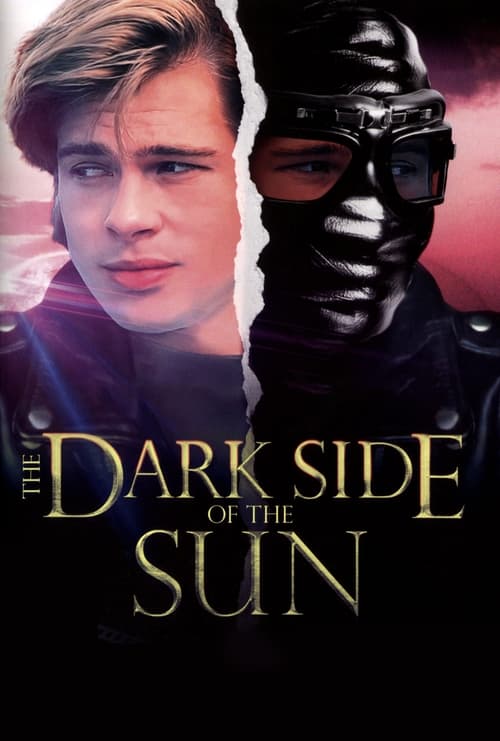
Traveling in search of a cure for a rare skin disease, a man finds freedom and love along the way.
The Dark Side of the Sun

The adventures of a skillful Belgrade policeman who proves to be equally successful as a caring father.
Policajac sa Petlovog brda

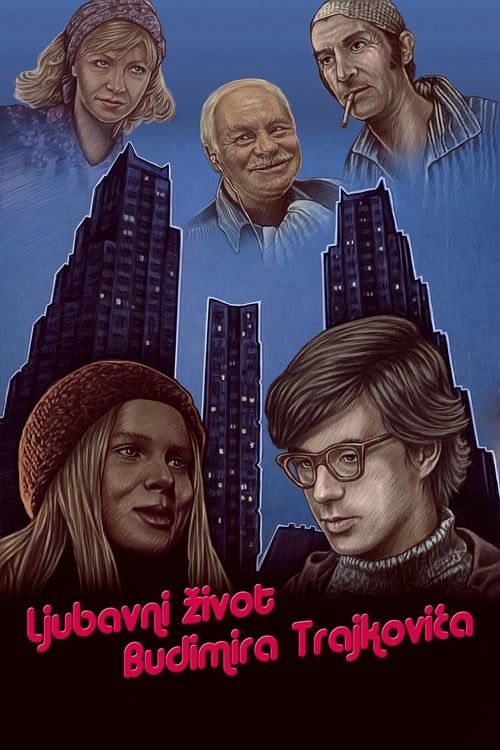
The plot follows Steva, who is in love with an actress, Duja, who adores his motorcycle, and Bane, who plans to steal the motorcycle. Nikola desperately searches for a job, while Toma is in love with Mira, who is in an abusive relationship and occasionally thinks about Toma. The film highlights the despair and isolation of a generation in the post-war era.
Normal People

Driven by the trauma of the Holocaust, a young Jewish man arrives in a small town to hunt down the former commandant of the concentration camp where his family was exterminated. Upon discovering that the man has been released after serving only a minimal sentence, he prepares to exact his own brand of justice.
Smoke

The new misadventures of single mother Svetlana, her 12 year old son and (still) part-time worker Siniša. Siniša's plans to marry Svetlana are ruined when her ex-husband comes back from Germany, persuading her to start their new life together.
My Part-Time Dad

No description available.
Aliş ile Zeynep

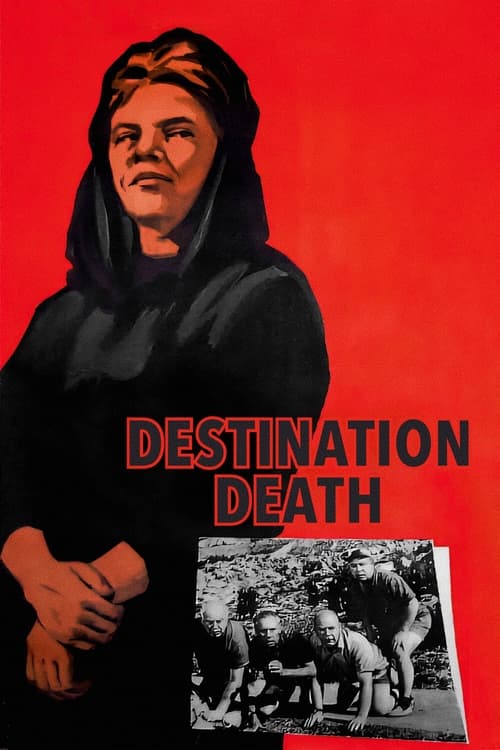
A group of West German men on a stag party find themselves stranded in a Montenegrin village inhabited only by vengeful women since all their men were shot during the war.
Destination Death

What does the energy harnessed through orgasm have to do with the state of communist Yugoslavia circa 1971? Only counterculture filmmaker extraordinaire Dušan Makavejev has the answers (or the questions). His surreal documentary-fiction collision begins as an investigation into the life and work of controversial psychologist and philosopher Wilhelm Reich and then explodes into a free-form narrative of a beautiful young Slavic girl’s sexual liberation.
WR: Mysteries of the Organism

Idealistic young man supports the party and the new Yugoslavia's communist regime, but soon gets involved in various political and criminal machinations becoming more and more confused about what's right and what's wrong.
The Ambush

A gang of young delinquents from a coastal town terrorize the locals, the tourists that spend the summer holidays there, as well as the young girls. They are especially focused on a pretty girl that sells newspapers, and they make a bet which one will seduce her.
Horoscope

The first days of war in Ljubljana. The young hero Niko experiences the bloody and violent transition from childhood to manhood. Based on the novel by Beno Zupancic.