Gary Giddins
Acting
Known For
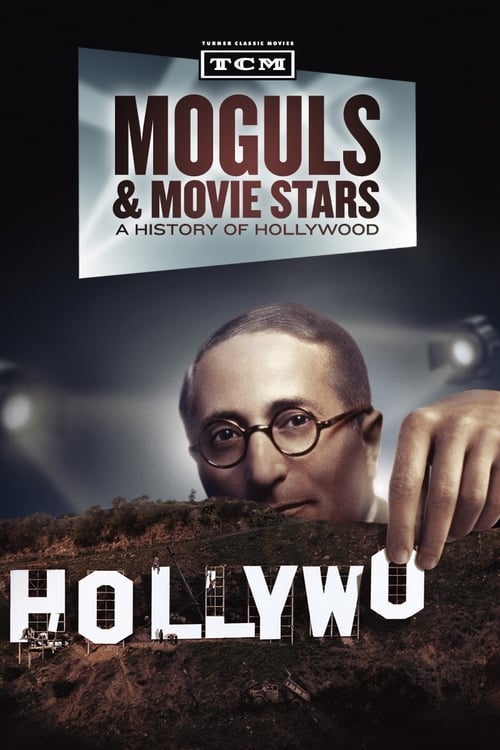
Each installment focuses on a different era of American movie history, from the invention of the first moving pictures to the revolutionary, cutting-edge films of the 1960s.
Moguls & Movie Stars: A History of Hollywood
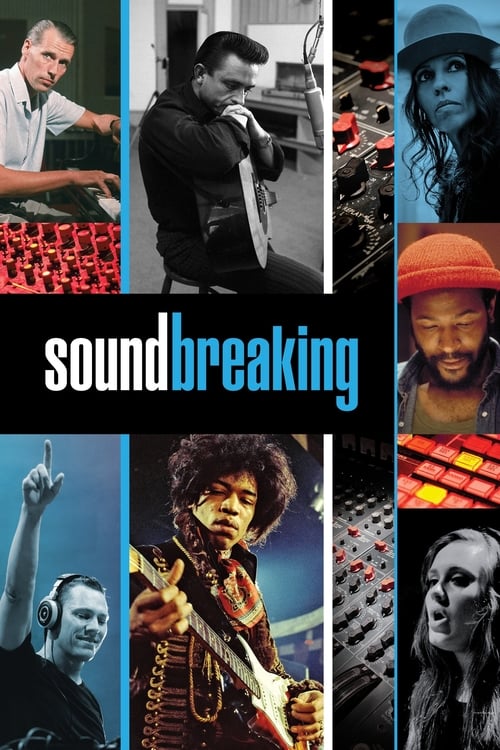
Explore the art of music recording with a behind-the-scenes look at the birth of brand new sounds. Featuring more than 160 original interviews with some of the most celebrated recording artists of all time, Soundbreaking explores the nexus of cutting-edge technology and human artistry that has created the soundtrack of our lives.
Soundbreaking

Throughout the 1950s, Tab Hunter reigned as Hollywood’s ultimate male heartthrob. But throughout his years of stardom, Tab had a secret. Tab Hunter was gay, and spent his Hollywood years in a precarious closet that repeatedly threatened to implode and destroy him. Tab Hunter himself shares first hand, for the first time, what it was like to be a studio manufactured movie star during the Golden Age of Hollywood and the consequences of being someone totally different from his studio manufactured image.
Tab Hunter Confidential

Bing Crosby was, without a doubt, the most popular and influential multi-media star of the first half of the twentieth century, pulling audiences in with his intimate, laid-back voice and innate charm. Narrated by Stanley Tucci and directed by Robert Trachtenberg, this film explores the life and legend of this iconic performer, revealing a personality far more complex than the image the public had only thought they'd known.
Bing Crosby: Rediscovered
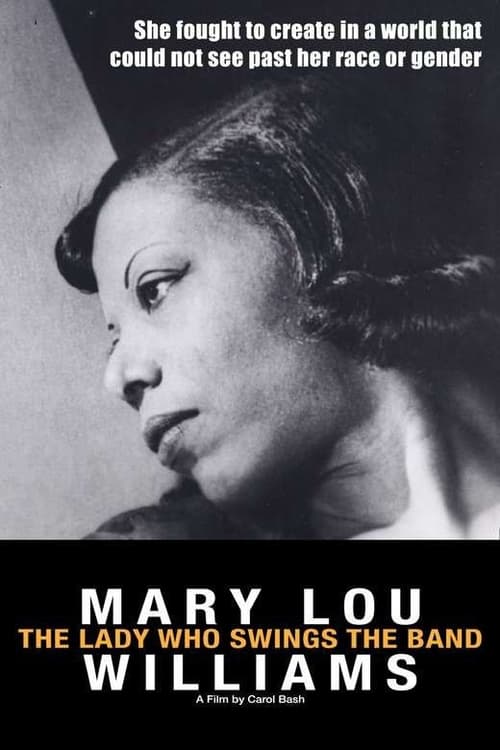
Jazz pianist Mary Lou Williams was a genius ahead of her time. From child prodigy to "Boogie-Woogie Queen" to groundbreaking composer to mentoring some of the greatest musicians of all time, she never ceased to astound those who heard her play. But for a Black woman in the early 1900s, life as a star did not come easy.
Mary Lou Williams: The Lady Who Swings the Band
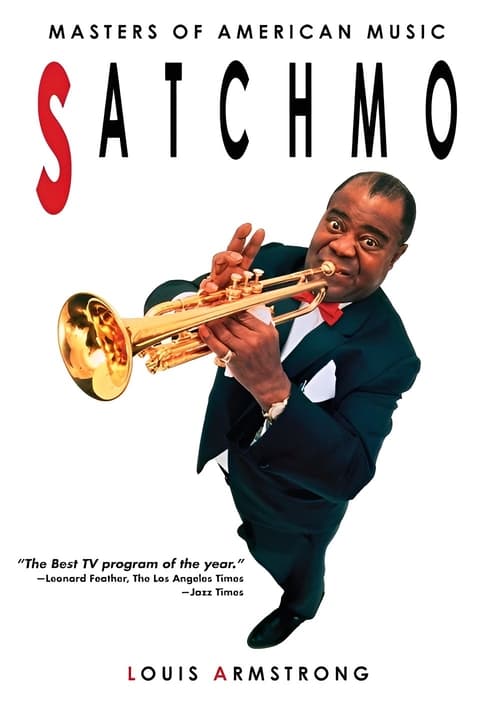
Satchmo. There are few people in this country - or around the world - who will not recognize that name. Louis Armstrong embodied 20th-century American culture. He revolutionized the world of music and became one of the nation's most influential entertainers. No other performer of his era has such a profound effect as a singer as well as an instrumentalist.
Satchmo: The Life of Louis Armstrong
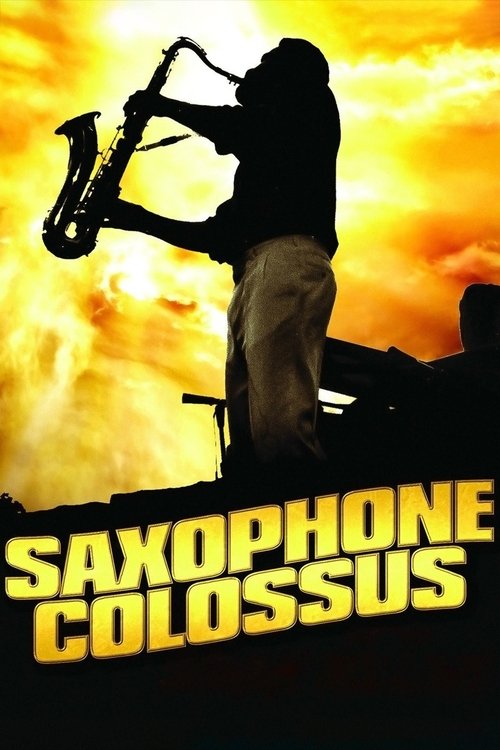
Tenor saxophone master Sonny Rollins has long been hailed as one of the most important artists in jazz history, and still, today, he is viewed as the greatest living jazz improviser. In 1986, filmmaker Robert Mugge produced Saxophone Colossus, a feature-length portrait of Rollins, named after one of his most celebrated albums.
Saxophone Colossus
Brief overview of the two actors at the Fox Studio.
Killer Instincts: Richard Widmark and Ida Lupino at Twentieth Century Fox
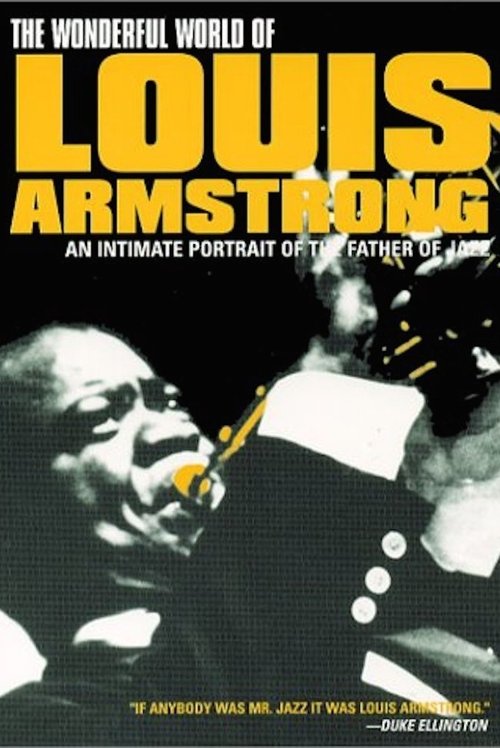
Louis Armstrong is one of the most recognizable figures in jazz, with his incomparable trumpet playing and beaming smile. This video profiles Armstrong from his humble beginnings in New Orleans through his career as America's Ambassador of Good Will. Film clips, vintage photographs and interviews with family, friends, fellow musicians and Armstrong himself are woven together to tell the story of this legendary personality.
The Wonderful World of Louis Armstrong
This recently produced behind-the-scenes documentary digs into Gershwin's original work, the genesis of the cinematic adaptation, casting, the shoot, and the eventual reception of the film.
'S Wonderful: Creating An American in Paris
Documentary about the use of 3-D technology in Inferno (1953) and the advent of CinemaScope, in 1953 in the film The Robe (1953).
A New Dimension in Noir: Filming Inferno in 3D
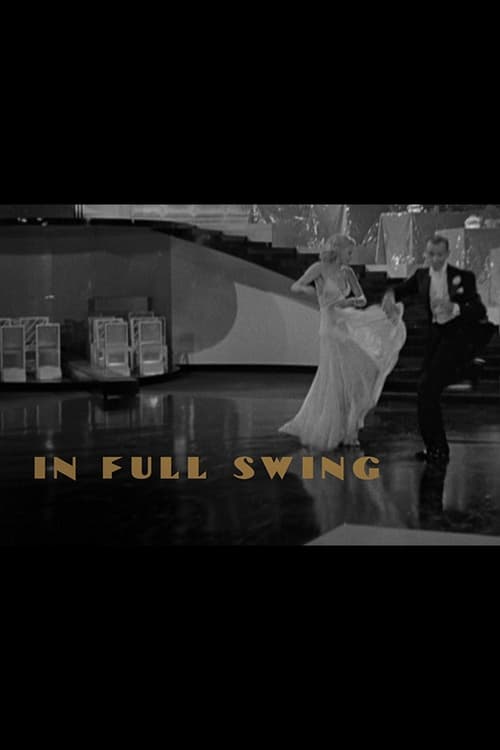
A documentary on the making of the 1936 film Swing Time, featuring interviews with jazz and film critic Gary Giddens, dance critic Brian Seibert, and Dorothy Fields biographer Deborah Grace Winer. This is an all-encompassing feature covering the evolution of the Hollywood musical, Astaire's and Rogers' work, and the film's music, written by Jerome Kern and Dorothy Fields.
In Full Swing
Documentary on the making of Gigi
Thank Heaven! The Making of 'Gigi'

What is the influence of Jazz on Brazilian music and the influence of Brazilian music on Jazz? The documentary Zuza Homem de Jazz draws a parallel between the two universes, featuring the renowned Brazilian musicologist Zuza Homem de Mello as the protagonist. It offers an intimate look at the writer and music journalist and highlights his long connection with Jazz, that dates back to the 1950’s, when Zuza was a student at the Julliard School of Music. The film was also shot in New York, where Zuza meets old friends in the jazz circuit and revisits memorable stories.
Zuza Homem de Jazz
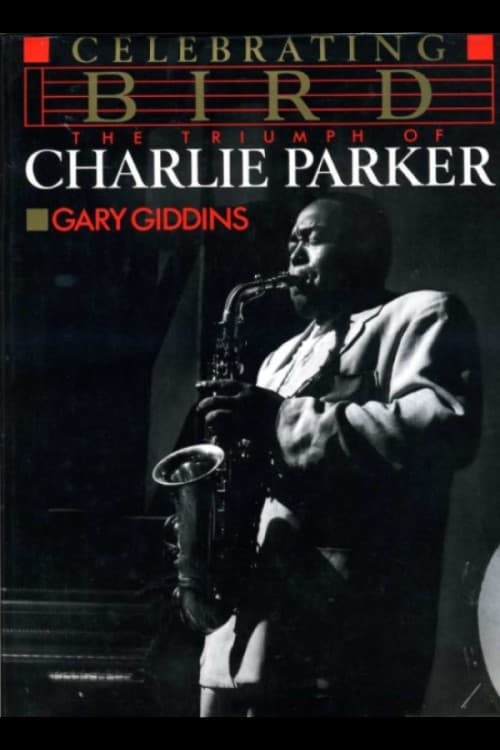
A documentary about the legendary Jazz player Charlie (Bird) Parker.
Celebrating Bird: The Triumph of Charlie Parker
In 2006, jazz trumpeter Jon Faddis and critic Gary Giddins discuss the iconic Miles Davis and the critical time in his career when the score for ELEVATOR TO THE GALLOWS was recorded.
Miles Goes Modal
'Black Orpheus' introduced an international audience to the sights and sounds of Rio de Janeiro. In this program, jazz historian Gary Giddins and Brazilian author Ruy Castro recall the roots of the film’s score and the role it played in popularizing the bossa nova sound.