Charles Atlas
Directing
Biography
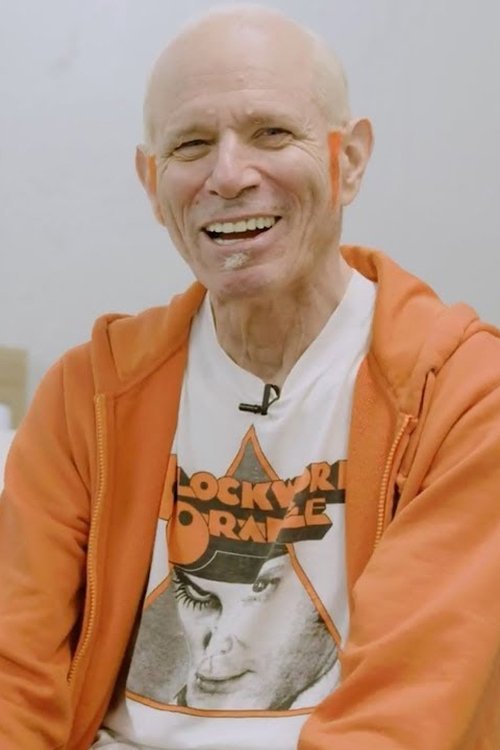
Charles Atlas is a video artist and film director who also does lighting and set design. He is a pioneer in developing media-dance, also called dance for camera.
Known For

An avant-garde omnibus that features works by off-the-wall artists in many different disciplines.
Alive from Off Center
In 2006 ANOHNI and the Johnsons and Charles Atlas took their collaborative performance TURNING to major cities in Europe. This documentary film explores the heart of that performance.
Turning

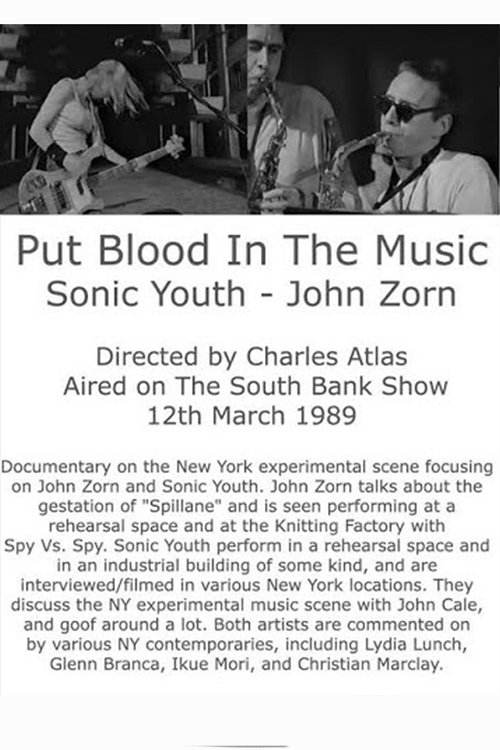
PBS produced documentary in two parts: the first is dedicated to saxophonist and composer John Zorn; the second is about Sonic Youth at the height of their powers in 1988.
Put More Blood Into the Music

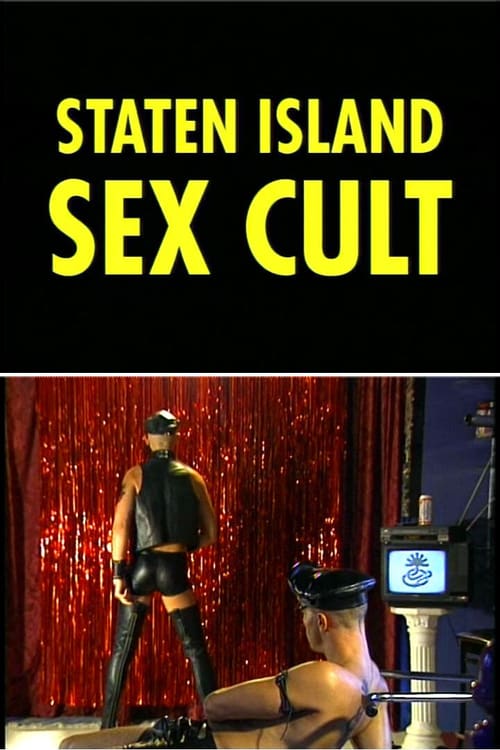
A gay sex video, directed by Charles Atlas under the pseudonym ‘Jack Shoot,’ was created as part of a series featuring artists in porn, though it was the only one produced. The film was shot in a brothel on Staten Island and was nominated for Best Porn Comedy at the AVN Awards. The plot humorously ends with characters disappearing and leaving their sneakers, inspired by the Heaven’s Gate cult, The X Files, and the murder of Gianni Versace. Notably, the video includes women, which is unusual for gay porn.
Staten Island Sex Cult

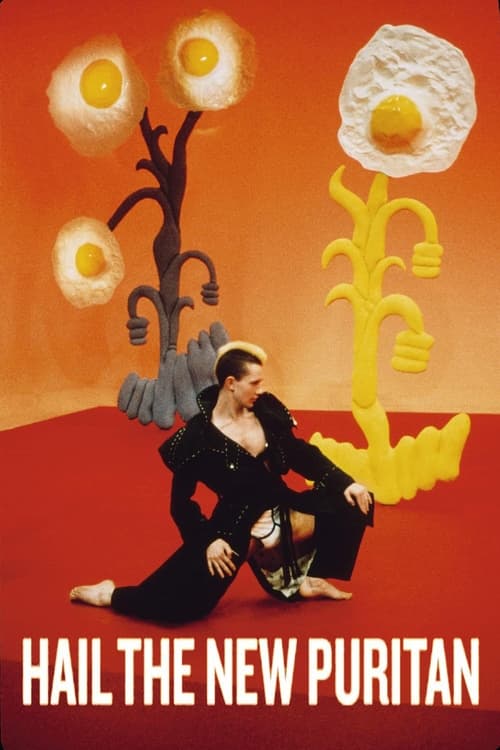
A fictionalized portrait of the British dancer and choreographer Michael Clark, depicting a day in his life as he and his company prepare for a performance.
Hail the New Puritan
A video collage of filmed Mikhail Baryshnikov ballet performances edited with feature film clips in which all the characters refer to someone named ‘Misha’.
Oh, Misha

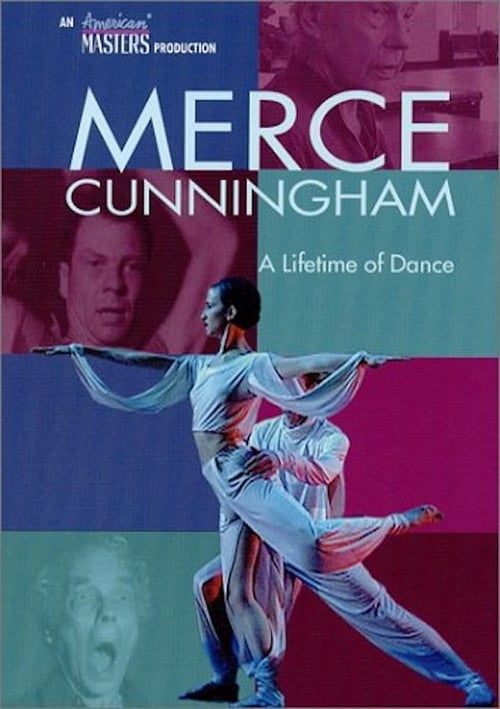
A history of the work of Merce Cunningham.
Merce Cunningham: A Lifetime of Dance

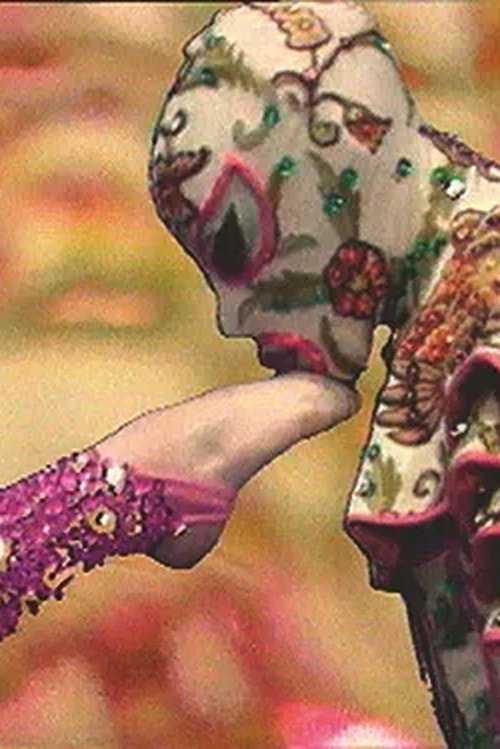
A video portrait of the legendary late performance artist, fashion designer and nightlife icon Leigh Bowery. Atlas's camera follows Bowery as he flamboyantly strolls through Manhattan's Meatpacking District, outrageously costumed in a self-made reinterpretation of "Mr. Peanut," the Planter's Peanut mascot. Bowery's molded full-bodysuit, accessorized with a floral print dress, top hat and transparent-heeled platform shoes, draws stares from onlookers. Peanut-related pop songs accompany him on the soundtrack.
Mrs. Peanut Visits New York

The confluence of words and movement propels this multi-layered collaboration by Atlas, choreographer Douglas Dunn, and poets Anne Waldman and Reed Bye. Dunn's athletic choreography is performed to the rhythms, cadences, and associative meanings of the poets' "cascade of words," which function as music. Atlas introduces narrative references, ironically staging the dance in unexpected locations, including domestic interiors and vehicles. In a self-referential deconstruction that punctures the theatrical illusion, the poets are seen reading their texts and interacting as self-conscious performers within the dance. Atlas and his collaborators intersect the language of words with the language of the body.
Secret of the Waterfall
Coast Zone […] explores the use of deep-focus, contrasting background figures (often in motion) with those in the foreground (sometimes in extreme close-up). Shot in January 1983, the first screenings at Dean Junior College in Franklin, MA, 7 April 1984; Merce Cunningham Studio, Westbeth in New York, NY, 16 April 1984. (via mercecunningham.org)
Coast Zone

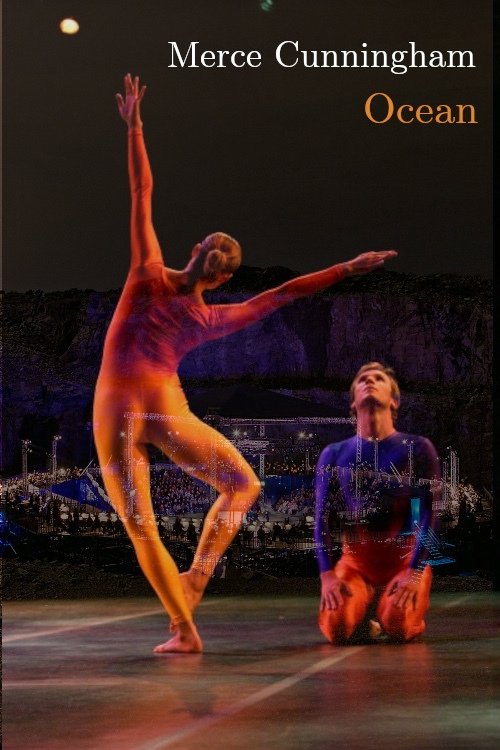
John Cage’s original concept of Ocean, in 1991, was for a dance to be performed in a circular space, with the audience surrounding the dancers, and the musicians (112 of them) surrounding the audience. The last performance was in the Rainbow Quarry in Minnesota, September 2008, at which time the piece was filmed by Charles Atlas.
Ocean

Check Your Body At The Door is a documentary film about some remarkable underground house dancers in NYC during the golden decade of the 1990s. It follows master free-stylists into the clubs, their jobs, and their everyday lives. Filmed in the studio as well, the dancers’ virtuosic moves are brilliantly revealed in silhouette or light pools. In their words they describe the importance of clubbing, why they dance, how they dance, and what it means.
Check Your Body at the Door
This work was a dance shot for film at the Cunningham studio. Staging for Channels/Inserts was divided among the main studio, the small studio and the office area. Cunningham employed the use of chance operations to decide the order in which each space would be used, whether action would occur in more than one location at a time, and how many dancers would be involved. The piece was divided into sixteen sections, each varying in length. One of the most striking sections began with a series of brief, masterfully executed solos for the men of the company, filmed in the main studio, followed by a shot of the women in the small studio, laughing and chatting amongst themselves, then back to the main studio for a second round of male solos. Music was composed by David Tudor, and costume design was by Charles Atlas.
Channels/Inserts

In this futuristic danse macabre, Charles Atlas creates a fully realized cyber-gothic world, rife with both erotic and physical danger. We follow our heroine on her travels through a world inhabited by libidinal robots, human profligates, statuesque hairdressers and a bevy of other intriguing individuals. Her stylized and blank-faced nonchalance mirror the performative passion and violence which surrounds her.
Superhoney

Lady Bunny at the end of the world.
The Tyranny of Consciousness

"For me Rainer Variations is a hybrid: a weave of impressionistic portrait, found footage construction, and video sampler. Aside from formal issues, Yvonne Rainer’s knotty process of thinking, her unique brand of humor, and her engaging presence are the things that were foremost in my mind as I worked on the tape. What I hope will emerge from this process is an interrogative portrait of an artist for whom I have great respect and affection." --Charles Atlas
Rainer Variations

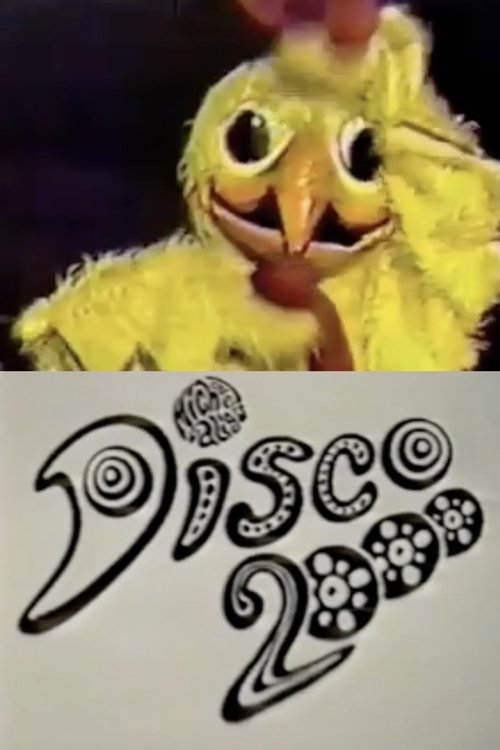
The three short, low-tech works in this compilation celebrate downtown New York nightlife at the beginning of the 1990's. Set in a New York Meat Market restaurant after hours, Butchers' Vogue features a voguing waiter and waitress, two prostitutes on the run, and a cop. In The Draglinquents, the performances of two drag queens are superimposed over cliched images and intercut with 1950's muscle-boy movies. Disco 2000 mixes footage of a crowded dance floor, homemade optical effects, and a dancing chicken. Butcher's Vogue – Choreography: Richard Move. Music: Madonna. Featuring: Connie Fleming, Gina Vetro, Rebecca Weinberg, Keoki, Joseph Lennon. The Draglinquents – Featuring: Chucky, Shuck E. Music: "Maybe" by The Three Degrees, "Travelin' Man" by Dolly Parton.
What I Did Last Summer

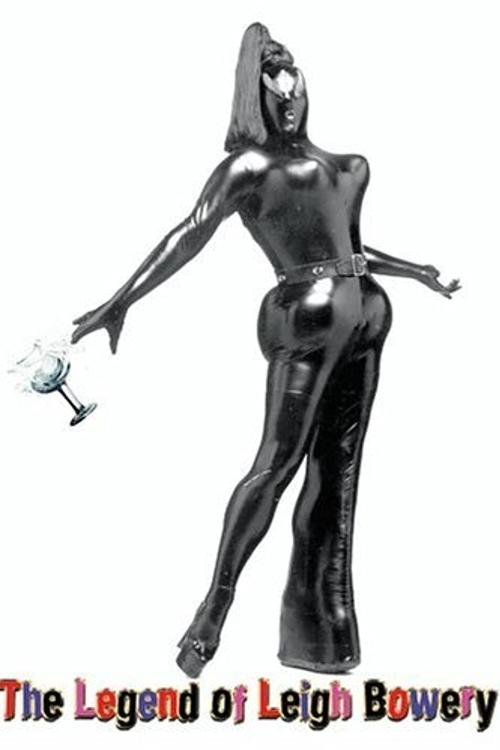
Welcome to the over-the-top, extravagant world of Leigh Bowery, a key figure in New Romanticism and London nightlife in the 1980s. With his bizarre outfits, a mix of kitsch and fetish, and his eccentric performances, he influenced artists, musicians and stylists like Boy George, Lucian Freud (of whom he became the muse), Vivienne Westwood, Anthony and the Johnsons, John Galliano and David LaChapelle. Born in Australia into an intensely religious family and brought up in a Melbourne suburb, Leigh moved to London where he worked as a fashion designer and a promoter, and started the legendary disco club night "Taboo", the first outrageous polysexual party in London. The documentary offers a fully rounded portrait of this artist, including interviews with the people who knew him, who describe a complex, extreme, and ironic personality, a performer, actor and designer ahead of his time, from his difficult early life to international success, up to his death in 1994.
The Legend of Leigh Bowery

Collaborating with choreographer Douglas Dunn, Atlas uses anthropological text, satirical movement, and vividly colored chroma-keyed backgrounds in an episodic, often humorous look at the evolution of modern dance.
The Myth of Modern Dance

“Westbeth” was Cunningham’s first video collaboration with Charles Atlas, and the first video project to be made at the Merce Cunningham Dance Studio on the eleventh floor of Westbeth.