Hamid Djellouli
Editing
Known For
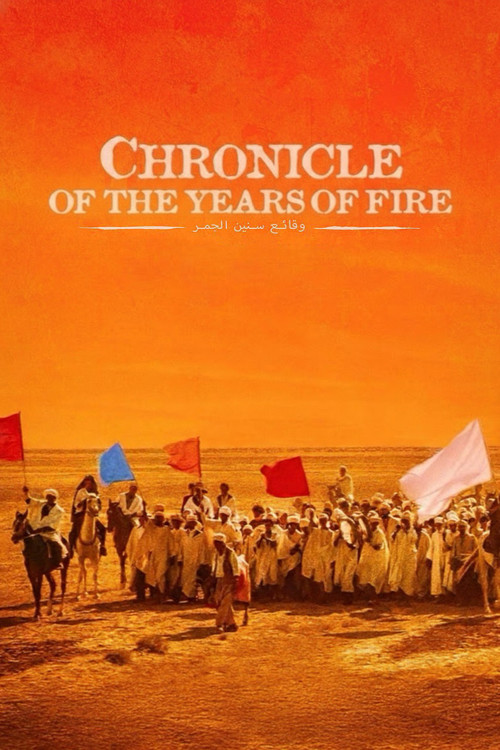
A meticulous chronicle of the evolution of the Algerian national movement from 1939 until the outbreak of the revolution on November 1, 1954, the film unequivocally demonstrates that the "Algerian War" is not an accident of history, but a slow process of suffering and warlike revolts, uninterrupted, from the start of colonization in 1830, until this "Red All Saints' Day" of November 1, 1954. At its center, Ahmed gradually awakens to political awareness against colonization, under the gaze of his son, a symbol of the new Algeria, and that of Miloud, half-mad haranguer, half-prophet, incarnation of Popular memory of the revolt, the liberation of Algeria and its people.
Chronicle of the Years of Fire
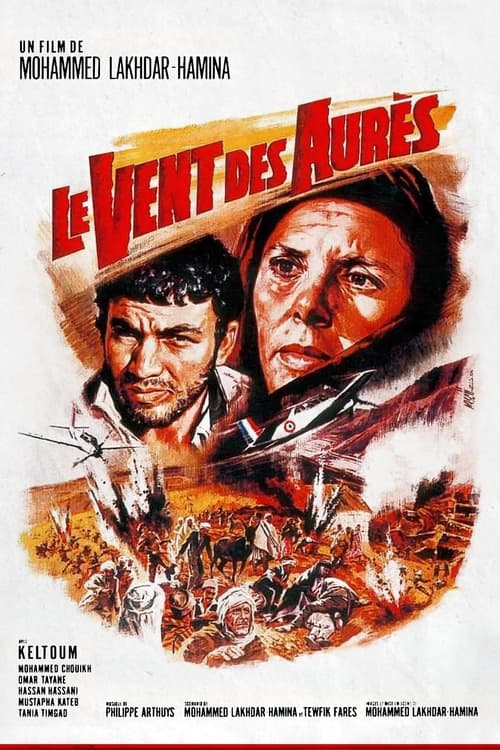
The transformations of the daily life of the Algerian people during the destructive French occupation, then during the war of liberation. While military repression is in full swing, a peasant woman finds herself alone in her mountain home when her only son is kidnapped by French soldiers shortly after her husband's death during a raid. One day, seeing a dead chicken, which she considers a bad omen, she decides to leave home and embarks on a painful journey through the mountains. Accompanied by a couple of chickens, she moves from one detention camp to another in a desperate search for her missing son. The film is inspired by the events experienced by the director's family.
The Winds of the Aures
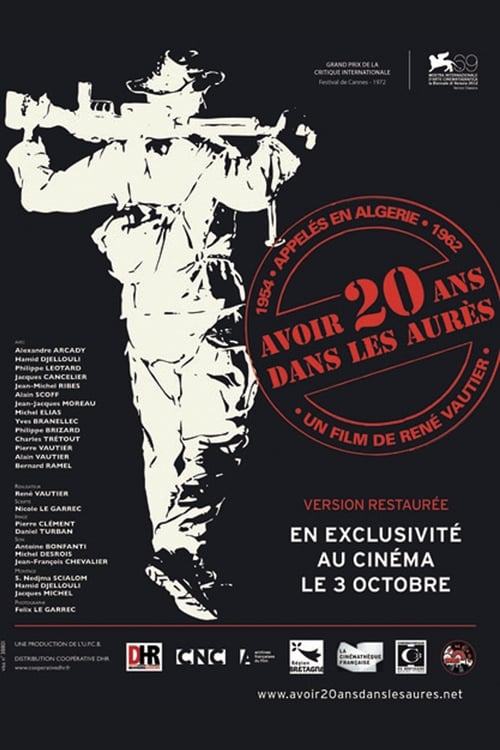
A group of refractory and pacifist Bretons is sent to Algeria. These beings confronted with the horrors of war gradually become killing machines. One of them did not accept it and deserted, taking with him an FLN prisoner who was to be executed the next day.
To Be Twenty in the Aures
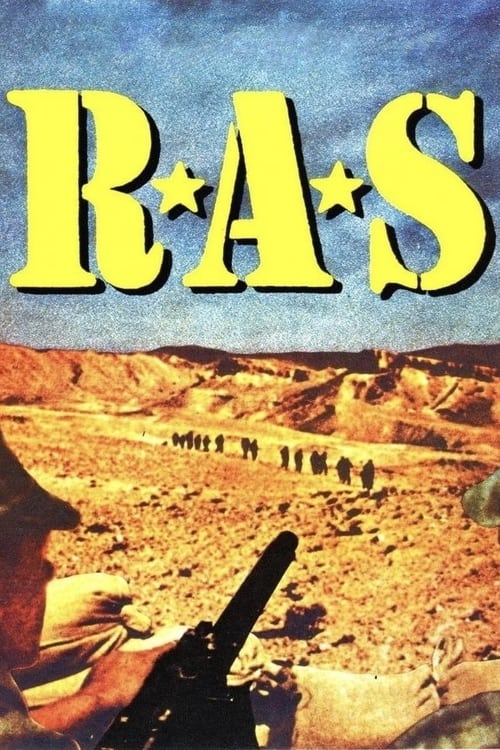
In 1956, the professional army of France lacks the manpower to keep the peace in Algeria, the colony which the country is determined to hold on to at any price. For this reason, reservists are called up and subject to an intense period of training before being sent to the front. Rémy March, Alain Charpentier and Raymond Dax are three such young men who have no interest in the military escapade and are reluctant conscripts. What they witness in Algeria will appall and transform them. Rape, torture, executions... there is no end to the atrocities in which they become unwilling participants. No wonder the French military are so willing to proclaim that there is nothing to report...
Nothing to Report
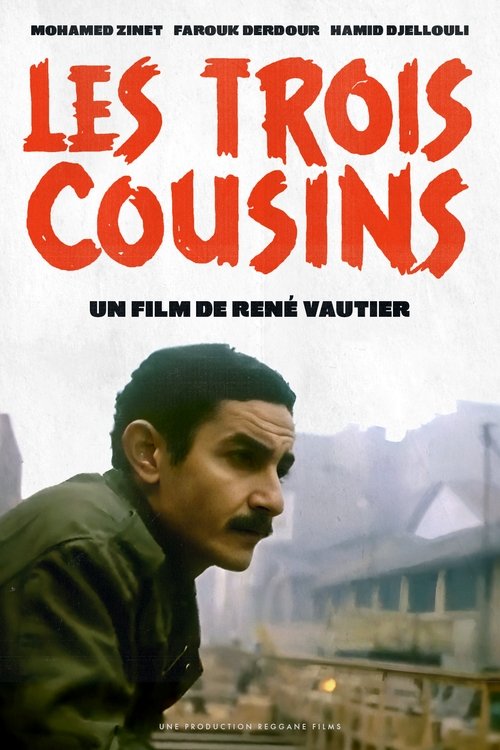
The Three Cousins is a comedy-drama by René Vautier released in 1970 about the living conditions of three Algerian immigrant cousins looking for work in Paris. Housed in a narrow construction shed, the coal stove will cause them to suffocate. The Three Cousins won the Best Human Rights Film Award in Strasbourg in 1970.
Les Trois Cousins
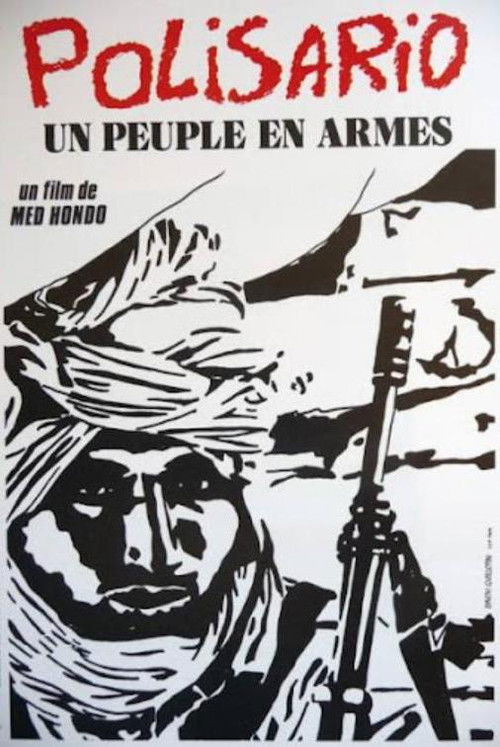
This film is a testimony. These are the images and sounds recorded throughout the area of struggle of the Saharawi people and they testify to their will to live free at home while placing the "Sahroui problem" in a real context. Ex-Spanish colony whose wealth is considerable, Western Sahara should, like many African countries, gain independence according to United Nations resolutions.
Polisario, a people in arms
No description available.
SAHARA OCCIDENTAL INDÉPENDANCE OU GÉNOCIDE ?
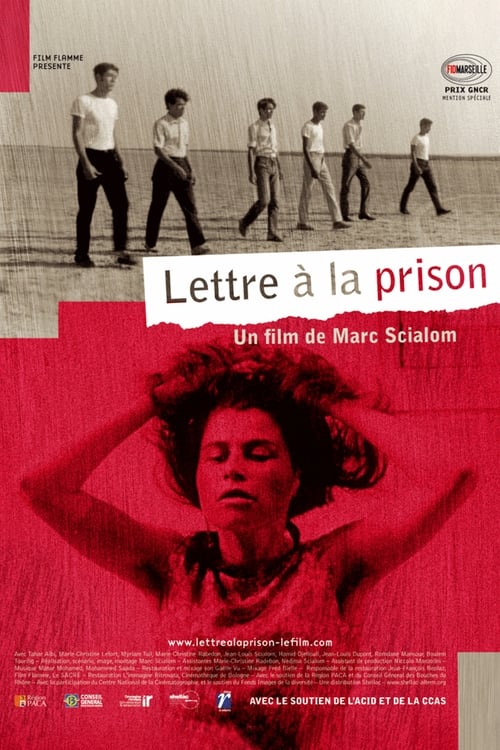
In 1970, Tahar, a young Tunisian, travels to France for the first time to help his older brother, who is wrongly accused of murder and incarcerated in Paris. He first stops in Marseille, where he meets Tunisians very different from those familiar to him; enigmatic French people; and a strange atmosphere that makes him doubt his brother’s innocence, his own innocence and his own mental integrity.
Letter To Jail
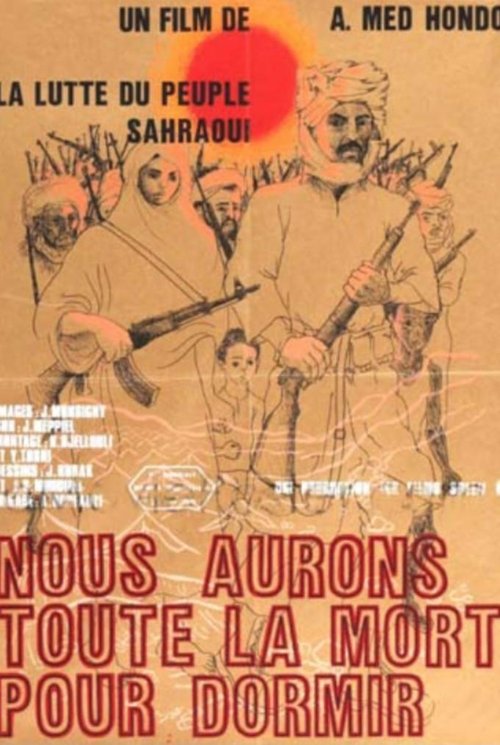
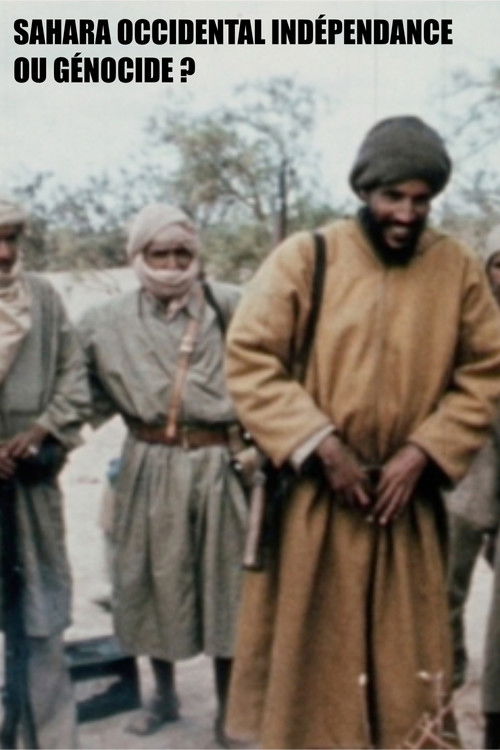
Documentary filmed over a period of four months, from 25 December 1975 to 5 March 1976, in the area of the former Spanish Sahara claimed by the people who lived there, the Saharawis, a people now mobilised and in arms (the Polisario Front) against Morocco and Mauritania, two states that have signed an agreement to share the territory.
We shall have the whole of death to sleep
No description available.