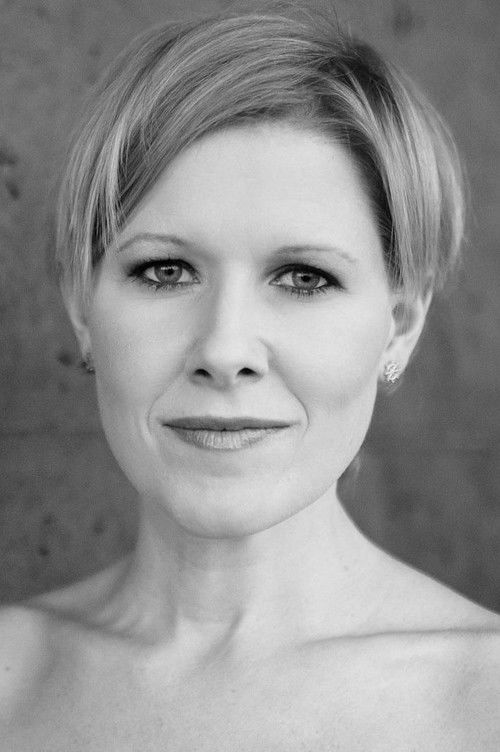
Sally Matthews
Acting
Known For
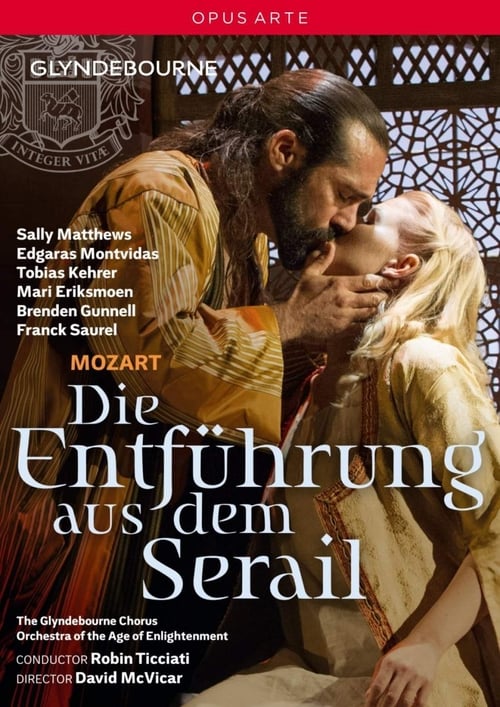
In the 18th century, in the palace of Pasha Selim, in a purely imaginary Turkey. Belmonte, a young Spanish nobleman, is searching for his fiancée, Constance, who has been captured by pirates and sold to Pasha Selim. Blonde, Constance’s English maid, and her lover Pedrillo, Belmonte’s servant, have suffered the same fate and are at the mercy of the cruel Osmin, the seraglio’s guardian. Belmonte and Pedrillo devise a plan to rescue Constance, who is determined to die rather than succumb to the advances of Pasha Selim, who is eager to win the heart of his beautiful captive. ‘The Abduction from the Seraglio’ (‘Die Entführung aus dem Serail’ K.384) is a three-act singspiel by Wolfgang Amadeus Mozart, with a German libretto by Gottlieb Stephanie, based on the play by Christoph Friedrich Bretzner. It premiered at the Burgtheater in Vienna on 16 July 1782, conducted by the composer. Recorded live at Glyndebourne Festival, July 19, 2015.
Mozart: Die Entführung aus dem Serail
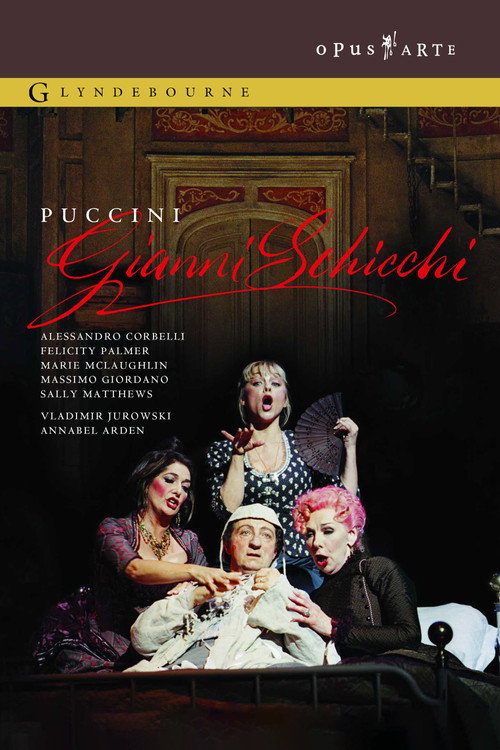
In the mid-20th century, in Fucecchio, near Florence, Buoso Donati, an elderly collector and wealthy antique dealer, has just passed away. He lies in his bed, surrounded by relatives feigning grief. They are all worried, as the deceased has bequeathed his entire fortune to a monastery. They search frantically for the will. The young Riniccio, Donati’s nephew, finds it but agrees to show it to the family only if they promise to let him marry Lauretta, the daughter of Gianni Schicchi, a local figure of dubious reputation. Everyone accepts the condition and discovers to their horror that the rumour was true: the monks are set to inherit the fortune. Riniccio suggests calling on Schicchi for help, much to the family’s disgust. Summoned, Riniccio arrives at the house accompanied by his daughter. He proposes keeping the death a secret, taking his place, and instructing a doctor and a notary to alter ‘his’ testamentary dispositions. But has the hunter become the hunted? Not so sure...
Giacomo Puccini: Gianni Schicchi
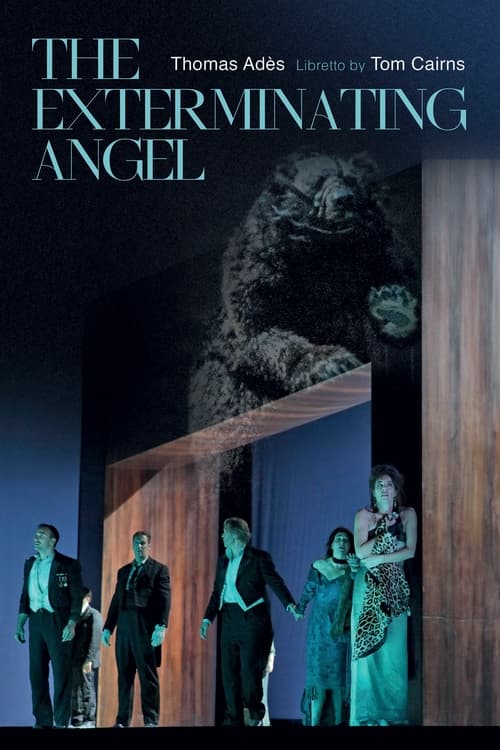
After the acclaimed Met premiere of Thomas Adès's "The Tempest" in 2012, the composer returned with another masterpiece, this time inspired by filmmaker Luis Buñuel's seminal surrealist classic "El Ángel Exterminador", during the 2017–18 season. As the opera opens, a group of elegant socialites gather for a lavish dinner party, but when it is time to leave for the night, no one is able to escape. Soon, their behavior becomes increasingly erratic and savage. The large ensemble cast tackles both the vocal and dramatic demands of Adès's opera with one riveting performance after another. Tom Cairns, who also penned the work's libretto, directs an engrossing and inventive production, using a towering wooden archway to trap the characters onstage. And Adès himself takes the podium to conduct the frenzied score, which features a host of unconventional instruments, including the eerie electronic ondes Martenot.
The Metropolitan Opera: The Exterminating Angel
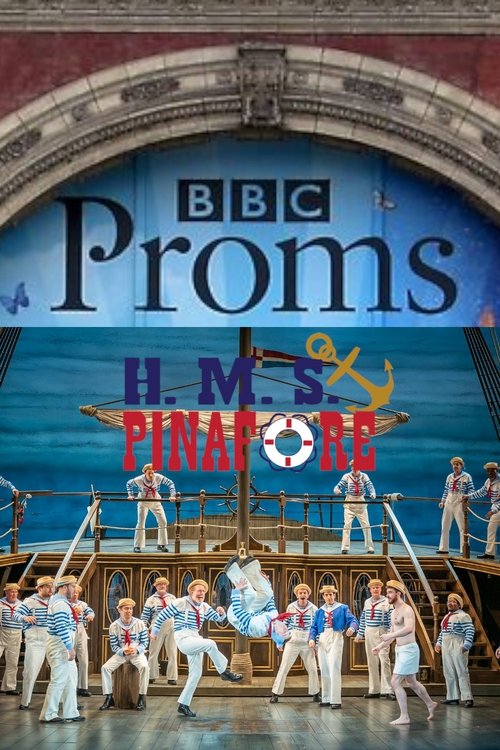
Captain's daughter Josephine and common sailor Ralph Rackstraw are in love. However, their relationship is complicated by her arranged marriage to the high-ranking Sir Joseph Porter. A secret about the characters' true identities revealed by Little Buttercup, which leads to a farcical resolution. BBC Proms version of the Gilbert & Sullivan romantic comedy, shot at the Royal Albert Hall.
BBC Proms: H.M.S. Pinafore
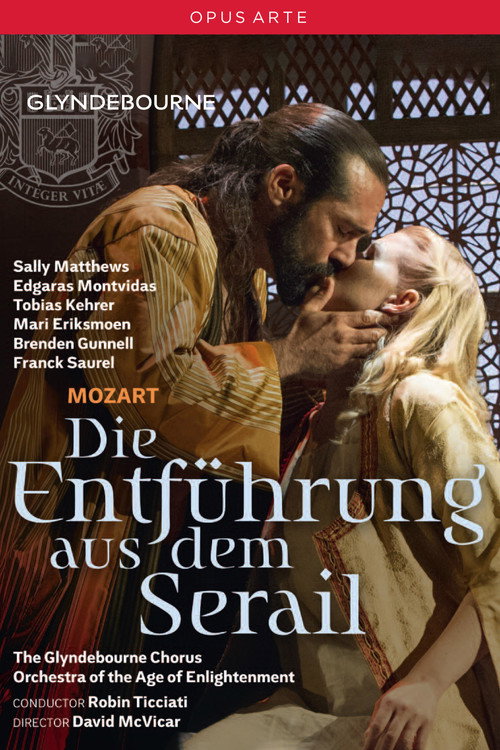
In the 18th century, in the palace of Pasha Selim, in a purely imaginary Turkey. Belmonte, a young Spanish nobleman, is searching for his fiancée, Constance, who has been captured by pirates and sold to Pasha Selim. Blonde, Constance’s English maid, and her lover Pedrillo, Belmonte’s servant, have suffered the same fate and are at the mercy of the cruel Osmin, the seraglio’s guardian. Belmonte and Pedrillo devise a plan to rescue Constance, who is determined to die rather than succumb to the advances of Pasha Selim, who is eager to win the heart of his beautiful captive. ‘The Abduction from the Seraglio’ (‘Die Entführung aus dem Serail’ K.384) is a three-act singspiel by Wolfgang Amadeus Mozart, with a German libretto by Gottlieb Stephanie, based on the play by Christoph Friedrich Bretzner. It premiered at the Burgtheater in Vienna on 16 July 1782, conducted by the composer. Recorded live at Glyndebourne Festival, July 19, 2015.
Mozart: Die Entführung Aus Dem Serail

Gala concert from Berlin the world famous Berlin Philharmonic conducted by Sir Simon Rattle, in Carl Orff's famous Carmina Burana, an intensely dramatic cantata that remains one of the most performed works of the twentieth century. With an extraordinary vocal line-up soprano Sally Matthews, tenor Lawrence Brownlee and baritone Christian Gerhaher. With Rundfunchor Berlin with Chorus Master Simon Halesey as well as the Knabenchor des Staats- und Domchores Berlin.
Carmina Burana - Carl Orff - Simon Rattle
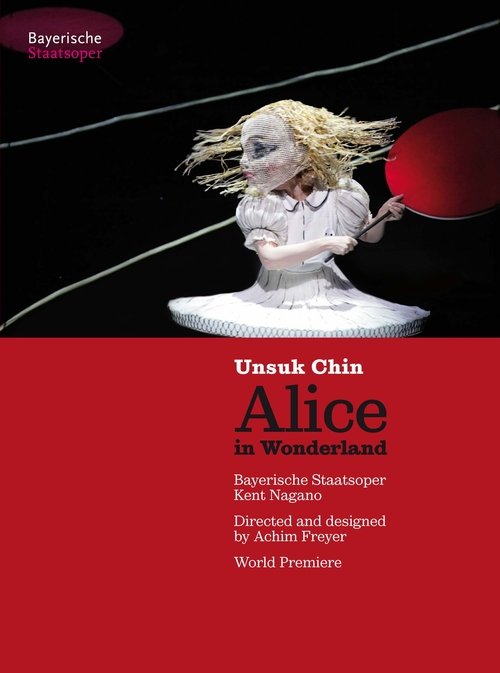
A live recording of the premier of Korean composer Unsuk Chin's Alice in Wonderland opera at National Theater Munich in June 2007. It is a modern opera based on Lewis Carroll's fantasy novel of the same name. The amazing characters Alice meets are portrayed with a colorful combination of puppets and singer-actors.
Unsuk Chin: Alice in Wonderland
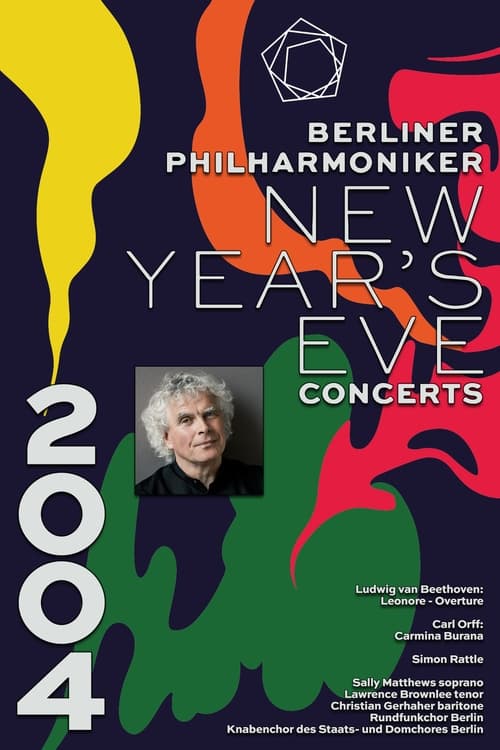
The annual New Year’s Eve Concert is one of the highlights in the calendar of every classical music fan in Berlin and beyond. On New Year‘s Eve, the Berliner Philharmoniker invite an exceptional soloist for a festive gala. Together, the musicians bid farewell to the old year and welcome the new. The 2004 concert was conducted by Simon Rattle and featured Sally Matthews (soprano), Lawrence Brownlee (tenor), Christian Gerhaher (baritone), Rundfunkchor Berlin, Knabenchor des Staats- und Domchores Berlin. On the programme: Ludwig van Beethoven: Leonore - Overture, Carl Orff: Carmina Burana.
The Berliner Philharmoniker’s New Year’s Eve Concert: 2004
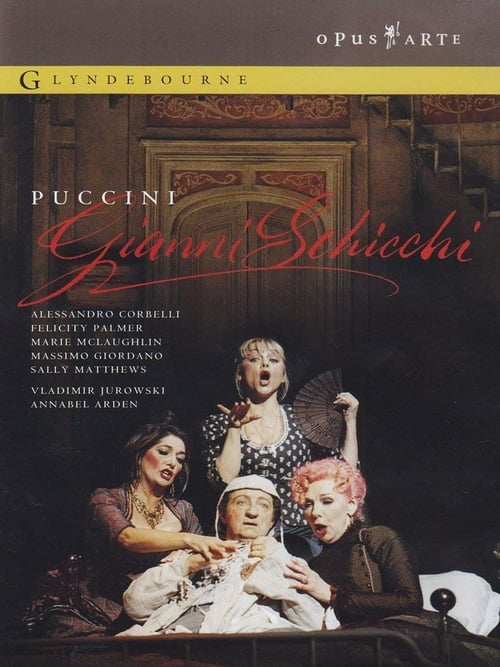
Alessandro Corbelli takes the title role in Annabel Arden's whirlwind production of Puccini's compact opera, in which the scheming Gianni Schicchi retrieves for himself the spoils of a disinherited family to pave the way for his daughter to marry her love.
Gianni Schicchi
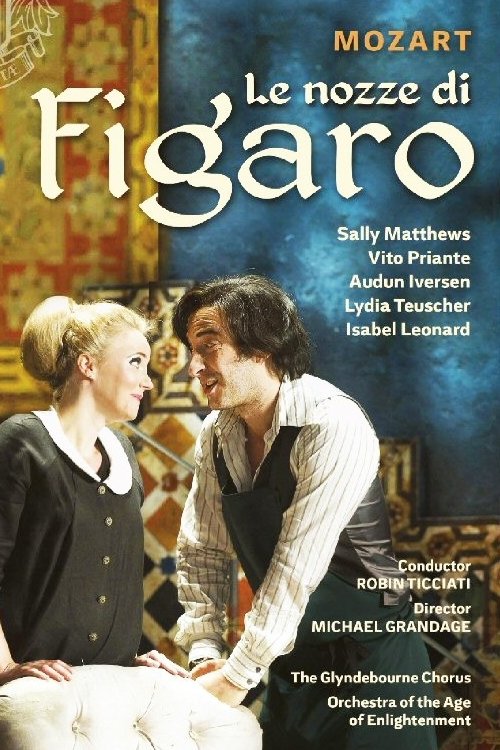
Rosina from *The Barber of Seville* is now Countess Almaviva, his wife. However, he is far from being a paragon of virtue. Among others, he is pursuing his wife’s maid, Susanna—who is to marry Figaro, now in the Count’s service—and his gardener’s daughter, Barbarina. He faces competition from the page Cherubino, who is in love with all women and in particular with the Countess, his godmother. Meanwhile, the elderly Marcellina, aided by Doctor Bartolo and the music master Basilio, seeks to prevent the marriage of Susanna and Figaro, as the latter has promised to marry her. ‘The Marriage of Figaro’ (‘Le nozze di Figaro’, K. 492) is a four-act opera buffa by Wolfgang Amadeus Mozart, with an Italian libretto by Lorenzo Da Ponte inspired by Beaumarchais’s comedy, ‘Le Mariage de Figaro’.
The Marriage of Figaro
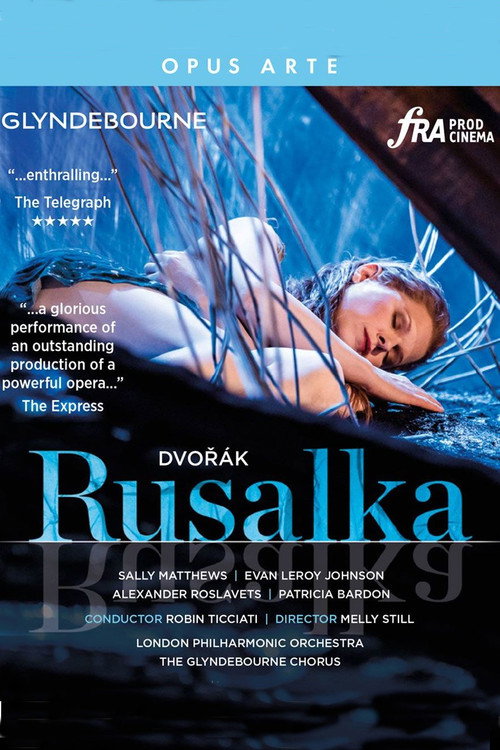
Praised by critics as “magnificent”, “breathtakingly theatrical” and full of “zestful imagination”, Melly Still’s “spine-tingling” Rusalka is a Glyndebourne classic – a magical contemporary reimagining of a much-loved fairy tale. Light and darkness, beauty and danger come together in this passionate tale of love against the odds. At once evocative and unsettling, this production collides two contrasting worlds in Rae Smith’s elegant designs made of “brilliant stage-pictures”. Rusalka’s forest home is a dappled space of sunshine and shadows, full of strange woodland creatures, while the Prince’s court is a world of sleek modernity and sophistication – a world of man.
Dvořák: Rusalka
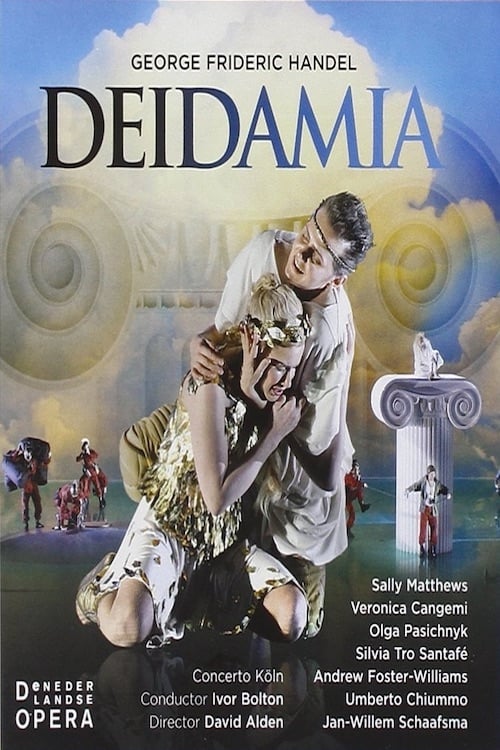
Here is a rare and exceptional example in which the director and costume designer amuse themselves with `silly' costumes, but it actually works. I usually loath the stupid concept of 'clever' producers' of dressing opera singers in an motley set of `modern' and bizarre costumes (mostly tasteless) to help the `stupid' spectators to understand the universality of the opera across time and place. However, in this particular production I enjoyed every moment of it. All my reservations withstanding, I found that the costumes have actually helped highlight the `buffa' aspects of this supposedly `siria' opera. This work may not be among Handel's greatest masterpieces, but the way it is presented and sung here makes it a thorough pleasure for the senses.
Deidamia

The Marschallin is relishing time with her young lover, when her cousin’s sudden arrival ignites a comic chain of events. With honour at risk, social status bartered and happiness illusive, the Marschallin accepts time cannot be stopped and she must set young love free. After opening the 2022-23 season in Brussels with Pikovaya Dama, La Monnaie / De Munt now streams Der Rosenkavalier live on OperaVision. The mystery of time resonates throughout Hugo von Hofmannsthal’s highly spiritual and nostalgic libretto, for which Richard Strauss took a step back in time to eighteenth-century Vienna. Waltzing in neoclassical style, with sublime lyricism and a refined orchestral palette, the opera looks back to the past, faded beauty, lost loves.
Der Rosenkavalier - La Monnaie / De Munt
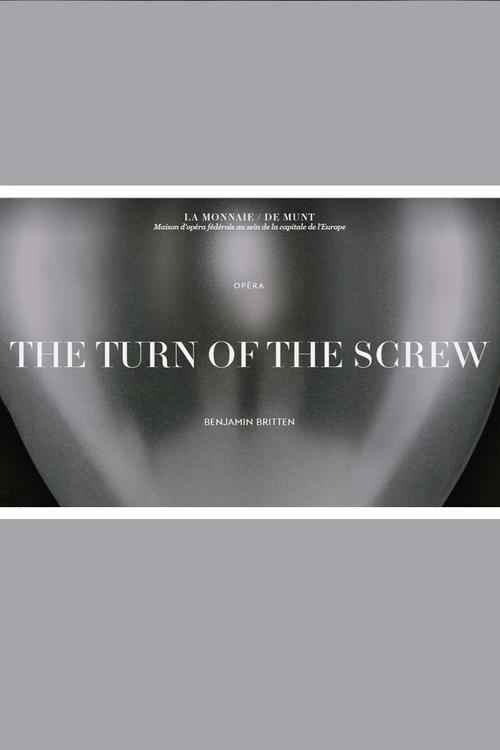
Nothing is what it seems in an old English manor. When a new governess arrives, the children entrusted to her care seem to receive visits from the ghosts. What horrors occurred here before her arrival? Are the children innocent? Can we really trust what we see? Based on a ghost story by Henry James, Benjamin Britten’s The Turn of the Screw is a psychological thriller in chamber opera format.
The Turn of the Screw - La Monnaie / De Munt
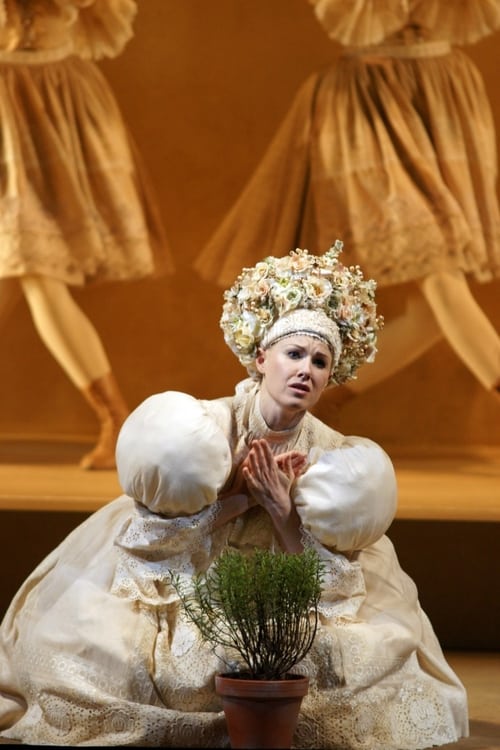
A splendid Jenůfa, one of Janáček's best-known operas, here directed for stage by Alvis Hermanis and conducted by Ludovic Morlot at La Monnaie / Die Munt in Brussels.
Jenufa - Théâtre de la Monnaie
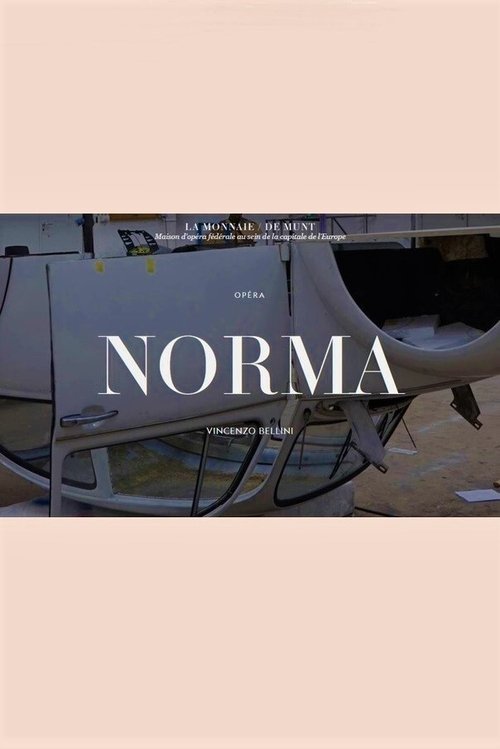
A drama about fundamentalist obstinance, hatred, and revenge.