Janine Bazin
Production
Known For
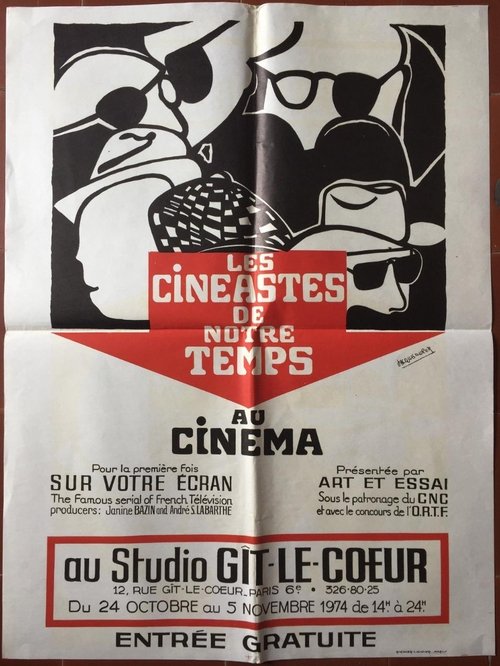
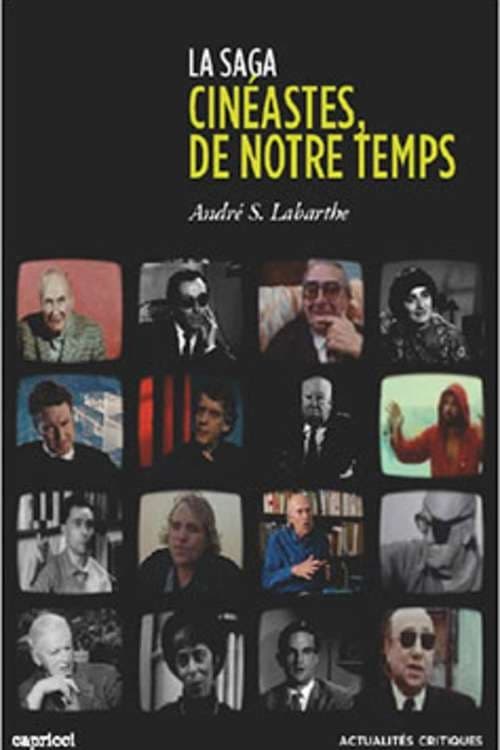
In-depth documentaries about the greatest filmmakers from around the world, all in the form of candid face-to-face interviews, conducted, created and produced by former critics for Les Cahiers du Cinéma, Janine Bazin and André S. Labarthe.
Cinéastes de notre temps
"Cinema of Our Time" is a documentary series about contemporary filmmakers from around the world, created by Janine Bazin and André S. Labarthe, as a follow-up to the acclaimed initial series "Filmmakers of Our Time" (1964-1972).
Cinéma, de notre temps
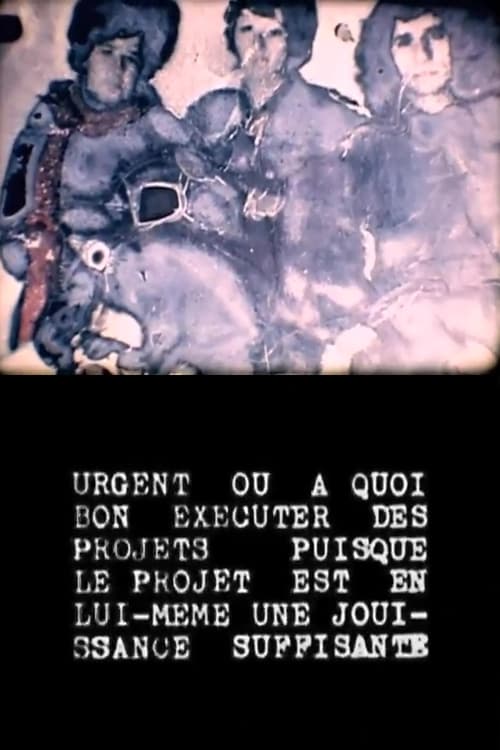
Gérard Courant applies the Lettrist editing techniques of Isidore Isou to footage of late 70's pop culture. Courant posits that his cinema offers an aggressive détournement to the French mainstream, reifying a Duchampian view of film: "I believe in impossible movies and works without meaning... I believe in the anti-movie. I believe in the non-movie. I believe in Urgent... My first full length movie that is so anti-everything that I sometimes wonder if it really does exist!"
Urgent ou à quoi bon exécuter des projets puisque le projet est en lui-même une jouissance suffisante
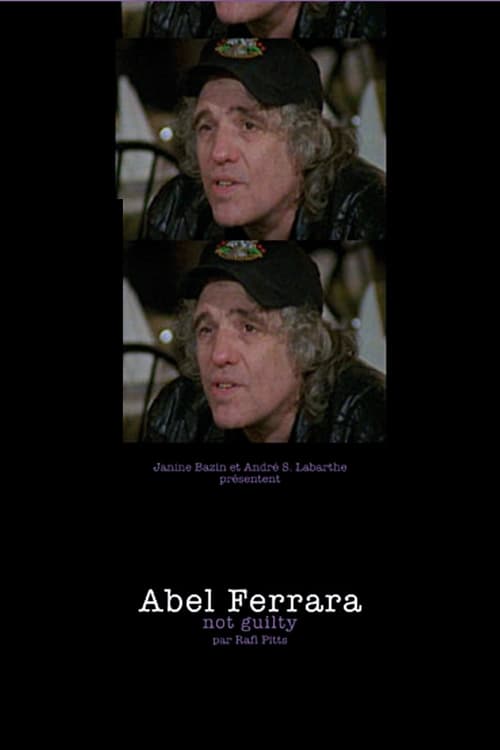
Intimate portrait of Abel Ferrara: the result is an eccentric road movie, with the restless film maker as a charming, shabby guide around New York by night.
Abel Ferrara: Not Guilty
An hour-long discussion between Fritz Lang and Jean-Luc Godard in which they discuss a variety of art forms, the role of the cinema, their collaboration together, and much more. (Filmed in 1964 but released for TV in 1967.)
The Dinosaur and the Baby
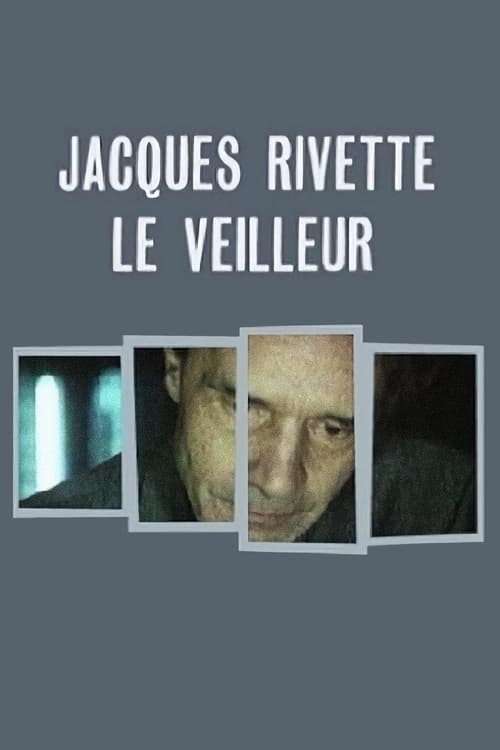
This film of interviews with the film director Jacques Rivette was produced in collaboration with Serge Daney, film critic from “Cahiers du cinéma”, then of “Liberation”. In the course of their conversations, the two speakers discuss Rivette’s career, his relationships with the other film makers of the new wave, his use of “mise en scene” and his working with actors.
Jacques Rivette, the Watchman
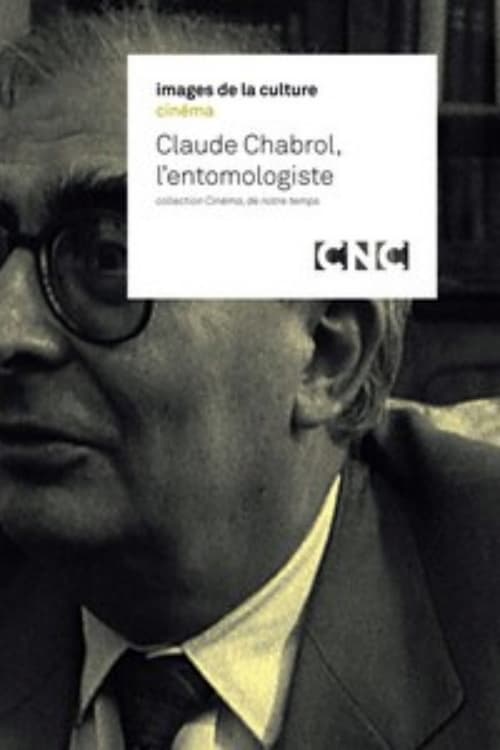
Made for "Cinéma, de notre temps" series. In a peaceful residence near the Loire River, Chabrol raised his favorite characters : monsters. In this documentary, we can see him actively working on the adaptation of Simenon's novel "Betty", and answering the questions posed by Jean Douchet (his former colleagues at the magazine "Cahiers du Cinéma"). Excerpts from The Butcher (Le Boucher), Violette Nozière, The Hatter's Ghost (Les Fantômes du chapelier) and Masks (Masques) will punctuate their meaningful and witty conversation.
Claude Chabrol, l'entomologiste
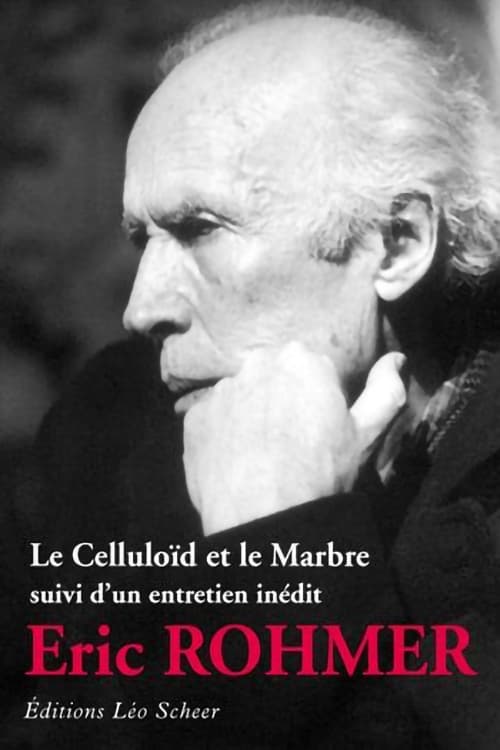
Celluloid and Marble is based on Rohmer's own articles published in "Cahiers du cinéma", discussing film in relation to the other arts, maintaining that, in an age of cultural self-consciousness, cinema was “the last refuge of poetry” - the only contemporary art form from which metaphor could still spring naturally and spontaneously.
Celluloid and Marble
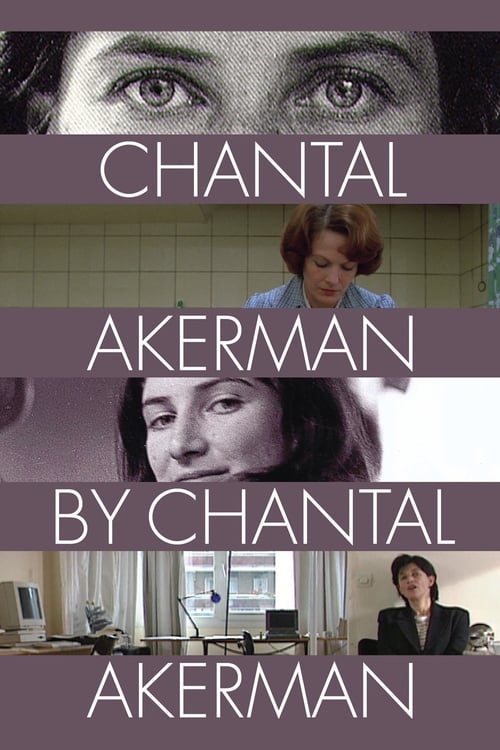
Janine Bazin and André Labarthe approached Chantal Akerman about making a film for the series; eagerly, Akerman proposed a number of filmmakers—but all had already been done. So she suggested…“How about me?” Akerman creates a fascinating self-portrait that takes us through her career, aided by critics Emmanuel Burdeau and Jean Narboni and filmmaker Luc Moullet.
Chantal Akerman by Chantal Akerman
No description available.
Filmmakers of Our Time: François Truffaut or the Critical Spirit
No description available.
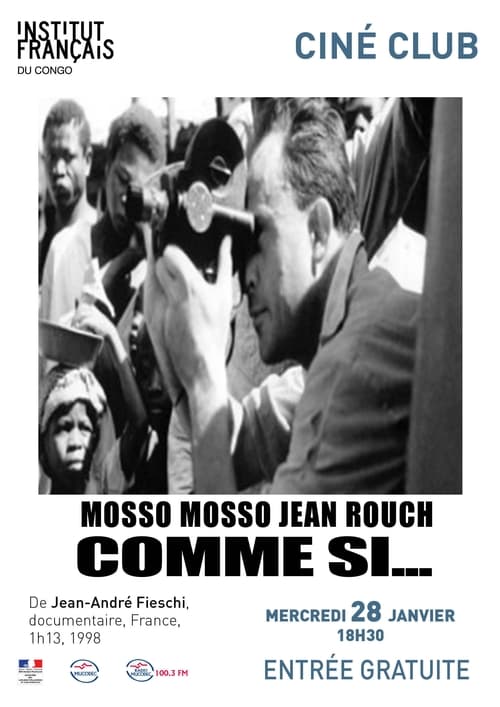
Cinéma, de notre temps: Mosso, mosso (Jean Rouch comme si...)
Amazing documentary shows rarely seen side of a master director. 1990 was a very good year for Martin Scorsese. After making a diverse group of films in the 80s, he reunited with Robert DeNiro for "Goodfellas" and later that year shot a segment for "New York Stories", an anthology film of three shorts by Scorsese, Woody Allen, and Francis Ford Coppola. During the editing, the French documentary series "Cinéma, de notre temps" filmed a documentary on the director, and it's a fascinating glimpse into his life, personality, and working habits as he edits his short with long-time collaborator Thelma Schoonmaker.
The Scorsese Machine
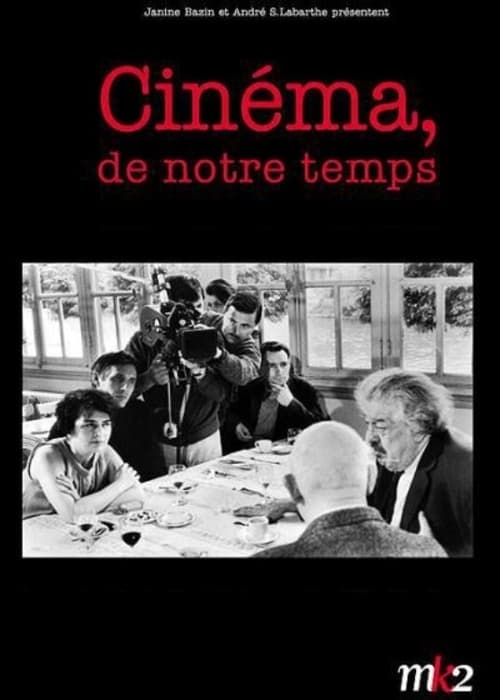
Second in the documentary trilogy from mastermind Jacques Rivette, featuring a conversation between Jean Renoir and Michel Simon, who celebrate their reunion by discussing, among other things, La Chienne (1931) and Boudu Saved from Drowning (1932).
Jean Renoir, le patron, 2e partie: La direction d'acteur
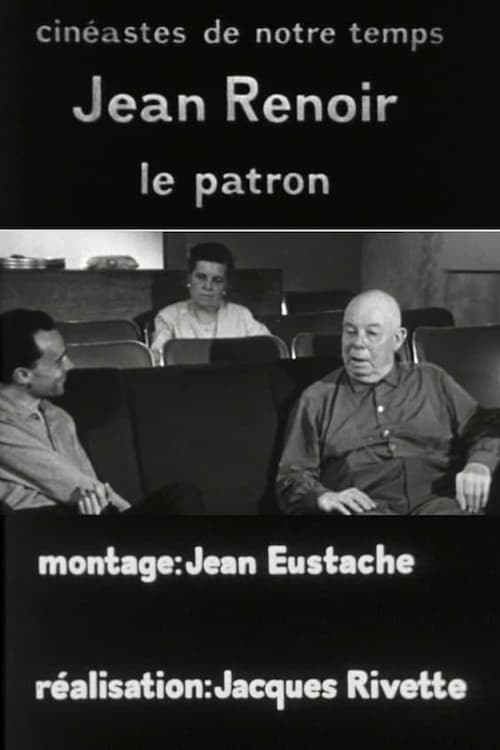
In the third part of a Cinéastes triptych on Jean Renoir, the director sits alone in a cinema analyzing scenes from La Marseillaise and The Rules of the Game, and discussing his editing and storytelling techniques.
Jean Renoir, le patron, 3e partie: La règle et l'exception
Three-part interview with French film director Jean Renoir, conducted by French New Wave director Jacques Rivette.
Jean Renoir parle de son art
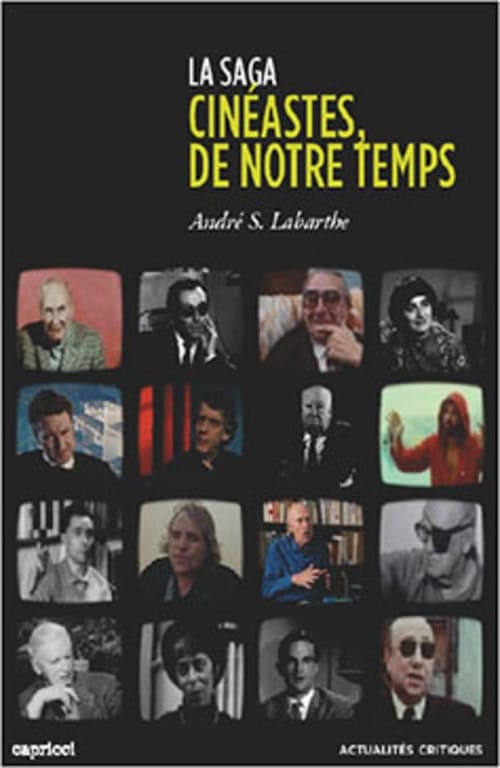
No description available.
Cinéastes de notre temps : Jean Vigo
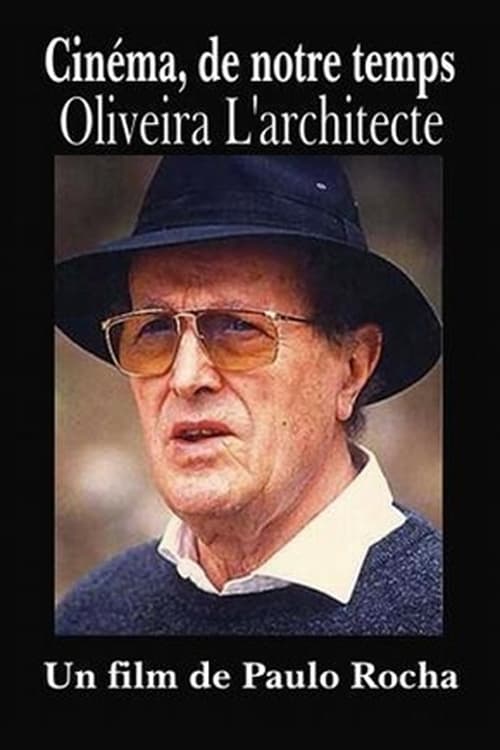
Paulo Rocha catches up with his “beloved subject” in Porto, where he made Douro, Faina Fluvial in 1929, and where today Oliveira reminisces about the figure of his father, his first experience of cinema as an actor, his past as a racing driver, his first technical experiences…
Oliveira, l'architecte
Shot while he was preparing Un Flic, Melville carefully leads Labarthe through the trajectory of his career, from his daring debut The Silence of the Sea to his great successes of the 1960s, Le Samourai and Le cercle rouge. Labarthe also details the development of the Melville “myth: the dark glasses, the trenchcoats, the Ford Mustang, and his general tough-guy demeanor. This documentary first appeared as an episode on the French television series "Cinéastes de notres temps".
Jean-Pierre Melville: Portrait in 9 Poses
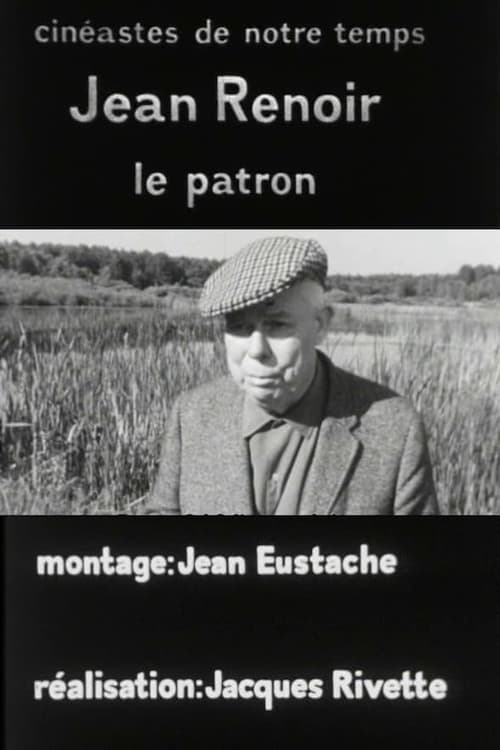
The first of three documentaries by Rivette on Jean Renoir.
Jean Renoir, le patron, 1re partie: La recherche du relatif
A documentary about American director David Lynch from the Cinéma, de notre temps series.