Jean Cau
Writing
Biography
Jean Cau (8 July 1925, in Bram, Aude – 18 June 1993) was a French writer and journalist. Born in Bram, Aude, he was secretary to Jean-Paul Sartre, after which he was a journalist and reporter for L'Express, Figaro, and Paris Match. In 1961, he was awarded the Prix Goncourt for The Mercy of God. From the 1970s onwards he grew close to GRECE and his writings became infused with a sun-worshipping neopaganism. Jacques Marlaud dedicated an entire chapter to Cau in his study on contemporary literary and philosophical paganism. Source: Article "Jean Cau (writer)" from Wikipedia in English, licensed under CC-BY-SA 3.0.
Known For

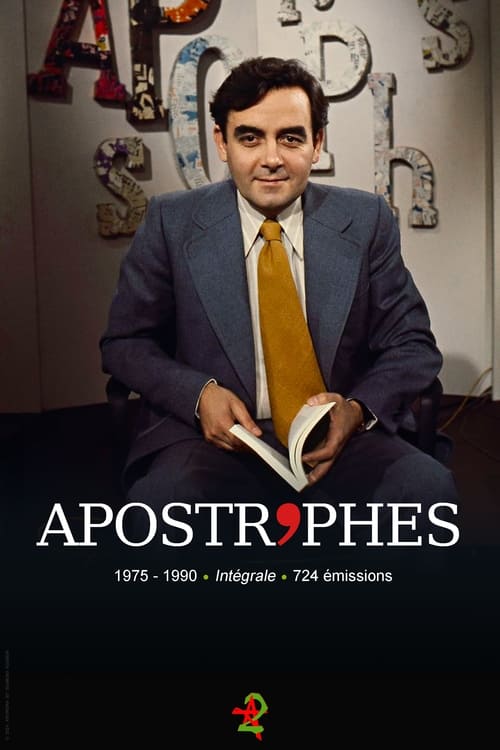
Apostrophes was a live, weekly, literary, prime-time, talk show on French television created and hosted by Bernard Pivot. It ran for fifteen years (724 episodes) from January 10, 1975, to June 22, 1990, and was one of the most watched shows on French television (around 6 million regular viewers). It was broadcast on Friday nights on the channel France 2 (which was called "Antenne 2" from 1975 to 1992). The hourlong show was devoted to books, authors and literature. The format varied between one-on-one interviews with a single author and open discussions between four or five authors.
Apostrophes

Midi Première is a French variety show presented by Danièle Gilbert, directed by Jacques Pierre and broadcast from January 6, 1975 until January 1, 1982 on TF1. The program was generally broadcast between 12:15 p.m. and 12:55 p.m., then giving way to the 1:00 p.m. TV news. However, the broadcast schedule could change, depending on the guests, and the setting where the recording of the program was shot. Certain performances by artists who have become cult like the one where Ringo jostles with a demonstrator in interpretation (1977), that of Dalida with the title There is always a song with the soundtrack that does not start, twice, at the right speed (1978), Claude François and his Clodettes, who, in the provinces, are unable to join "the set" in order to interpret his song, the latter being taken by the crowd of delirious fans (summer 1977) . The group Supertramp performed there with the title "Dreamer" on March 8, 1975.
Midi Première

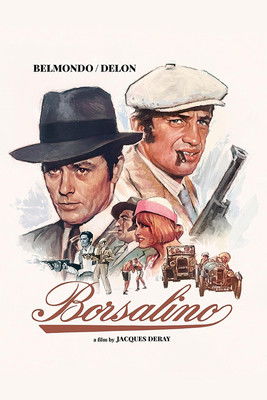
In 1930s Marseilles two small-time crooks decide to join forces when they meet while brawling over a woman. Starting with fixed horse races and boxing matches, they soon find themselves doing jobs for the local gangster bosses. When they decide to go into the business for themselves, their easy-going approach to crime starts to change.
Borsalino

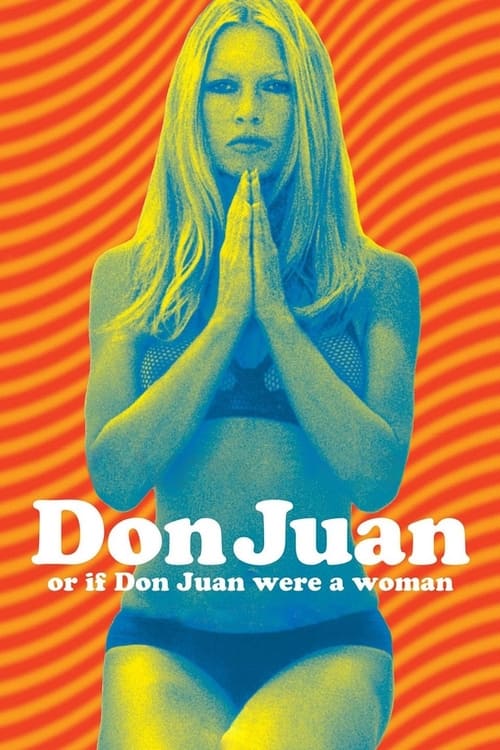
Jeanne lives in Paris and believes she is the reincarnation of Don Juan. She visits a priest and tells him she has killed a man. He comes to her elegant flat - her father has died leaving her rich - and she tells the priest stories about men she has seduced. The seduction is easy, she tells him, it's destruction that takes planning. We watch her with an upright elected official, a wealthy boor, and a folk singer. She describes herself as a spider. Her friend Léporella tries to be Jeanne's conscience. What does Jeanne want?
Don Juan or If Don Juan Were a Woman

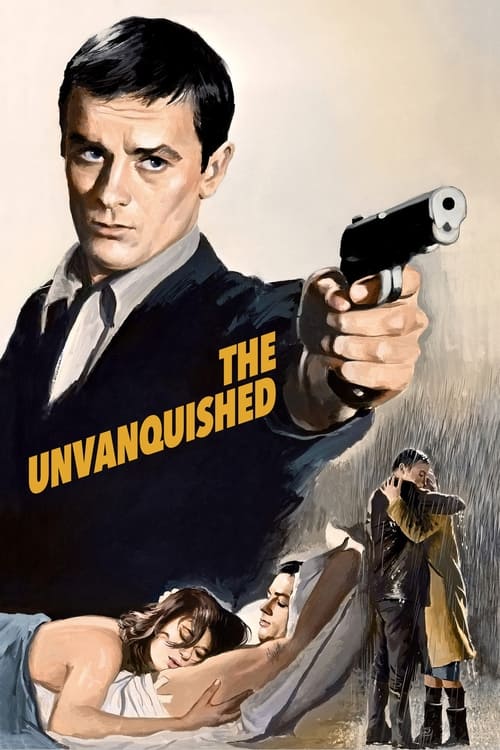
In this drama that alludes to the Algerian War with France of the 1960s, Thomas is a deserter from the French Foreign Legion who is on the run from authorities. He helps damsel in distress Dominique, who has been taken hostage by a group of terrorists. Thomas is wounded but manages to escape after killing the guard who inflicted the injury. Dominique gives Thomas money to escape to France after he secures her freedom, but he is caught between the Foreign Legion and the terrorists seeking revenge.
The Unvanquished

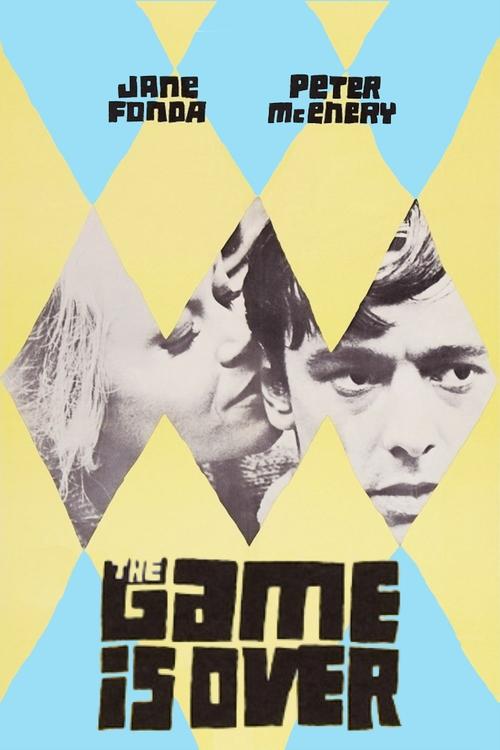
Renee Saccard is a pampered, selfish young wife of a middle-aged Parisian businessman who falls in love with her stepson but is driven to the point of madness when her husband tricks the stepson into betraying her.
The Game Is Over

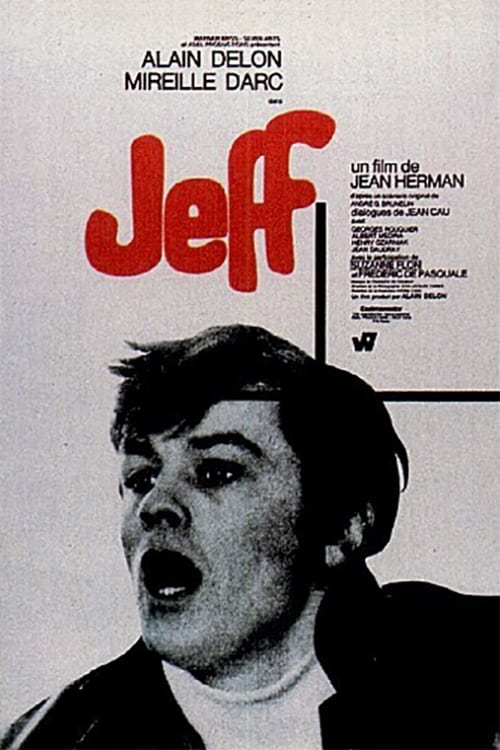
Jeff is a gangster who's disappeared with a million dollars, and Laurent is looking for him to catch him before the other members of the gang find him.
Jeff

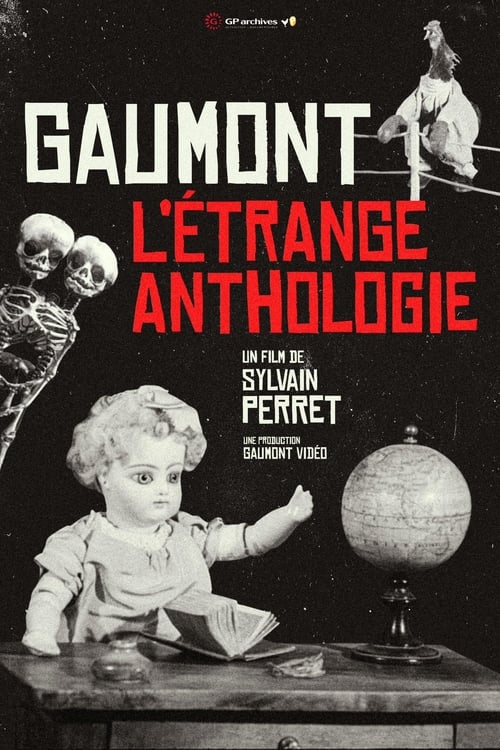
To mark the 30th anniversary of L'Étrange Festival, Gaumont is opening up its archives to offer the best of its most secret, bizarre and crazy images, digitized for the first time. A unique program featuring black magic, surrealistic happenings, world records, the evolution of feminism, wild bets, vanished places, forgotten inventions and other delights.
Gaumont, the Étrange Anthology

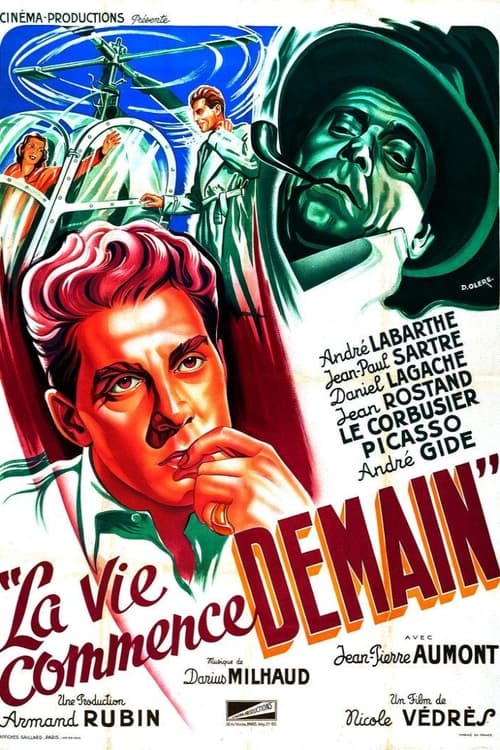
Documentary filmmaker Védrès' first semi-fictional feature was released in France in 1949 as La Vie Commence Demain. The film made it to the U.S. in 1952 as Life Begins Tomorrow. Made in cooperation with UNESCO, the film speculates on the future of mankind after the advent of Atomic Energy. Many prominent French artists and intellects contribute to the narration: Jean-Pierre Aumont plays The Man of Today, Andre Labarthe is the Man of Tomorrow, and Jean-Paul Sartre, Daniel Agache, Jean Rostand, Le Corbusier, Pablo Picasso and Andre Gide are respectively seen as "The Existentialist," "The Psychiatrist,' "The Biologist," "The Architect," "The Artist" and "The Author". Film clips of hospitals, schoolrooms, scientific laboratories, and even nightclubs are woven into Védrès' fascinating tapestry.
Life Begins Tomorrow

No description available.
Pauvre France

A network of spies affects the lives of people in and out of the organization in this espionage drama. Dominique is the neglected wife of a spy who tracks him down at a Paris antique shop. Finding him with a female spy, the enraged wife shoots both of them. Dominique hides out on a boat while the police investigate the murders, and international spies scramble to recover some missing microfilm. Helen is the spy boss who orders a hit man to go after Dominique.
Only the Cool

No description available.