
Ulises Rosell
Directing
Known For

Deep within Buenos Aires's labyrinthine subway system, a train mysteriously disappears along with it's 30 passengers. The subway officials are greatly troubled and call in topographer Daniel Pratt to help them find it. Unfortunately, the tunnels are so vast and complex, that Pratt needs his mentor Hugo Mistein to help him. Unfortunately, he too has vanished.
Moebius

A separated yet self-sufficient craftswoman puts up a friend who is also separating. The hostess has three teenage children, and the arrival of her guest will interfere with their domestic harmony, apart from slowly but surely causing a hormonal surge in one of the boys.
Sofacama

Julia works as a waitress on the night shift of the Comodoro Rivadavia casino. There, she meets Gwynfor, a customer who offers an interesting work opportunity in the oil industry. And so, what starts out as a morning appointment, résumé in hand, becomes a nightmarish journey in the middle of the arid landscape of Patagonia, a space Ulises Rosell uses with the cinematic power of a western, with the inclemency of the sun and the darkness of night ravaging the protagonists. Inspired by the stories of captive women from the 19th century,
To the Desert
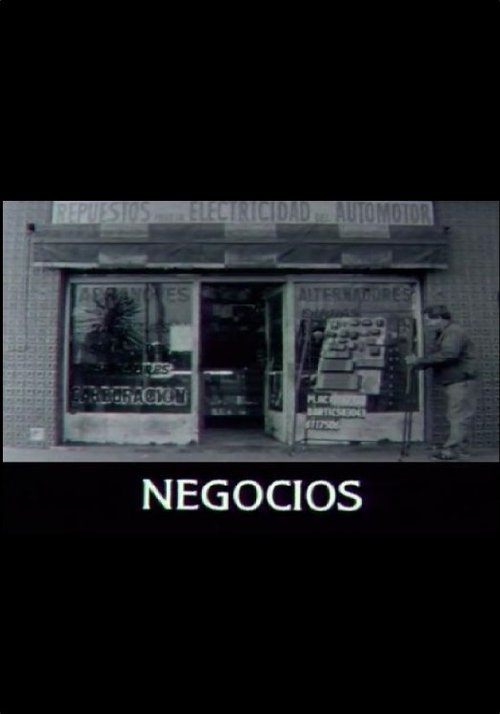
In a car parts business, Rulo and Martín survive amid money problems, clients, rats and loneliness. Immediate antecedent of "Mundo Grúa" (1999)
Negocios

Two men of low life travel by car under a sweltering sun. They do not find the place they are looking for, lost in a remote Argentine countryside. They arrive at a workshop to ask questions and events seem to take off. The short was part of "Short Stories I" (1995).
Historias Breves I: Dónde y cómo Oliveira perdió a Achala
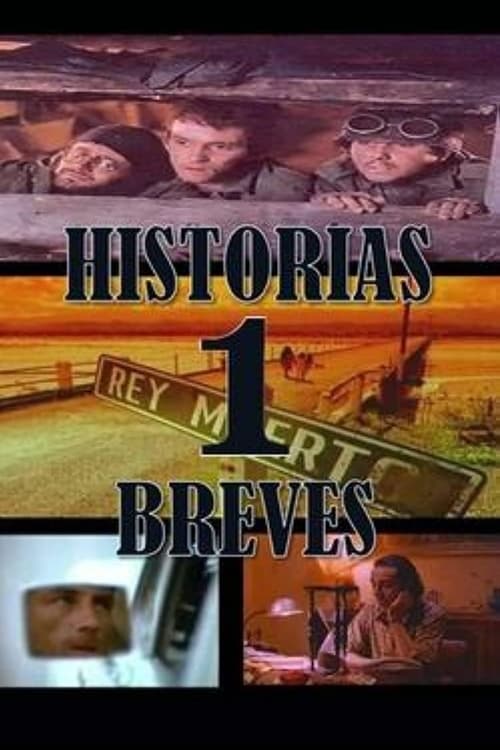
The film brings together the winners of the first edition of the Argentine National Film Board's (INCAA) annual public script competition, the grand prize of which is the budget to produce a short film. Eventually screened in national theaters, the omnibus film gave rise and recognition to a new generation of Argentine filmmakers known collectively as the New Argentine Cinema—a wave of contemporary filmmaking that began in the mid-1990s in reaction to decades of political and economic crises in the country.
Historias Breves 1
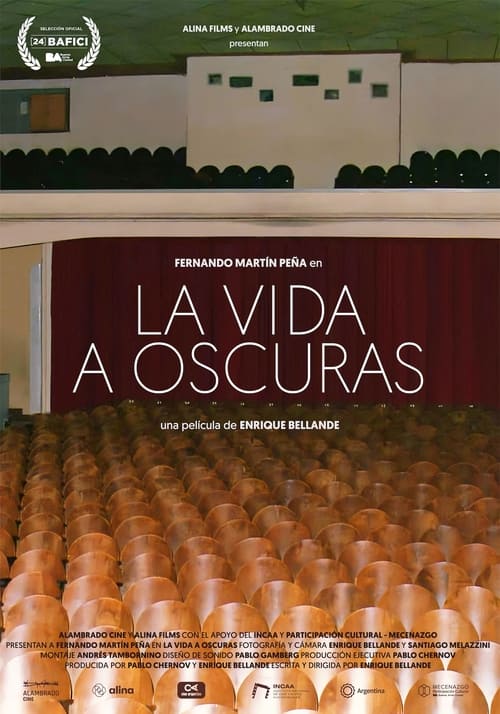
It is an approach to the figure of Fernando Martín Peña, but it is also a film about cinema, about a transcendental movement in its history, its spaces and rituals.
Life in the Dark
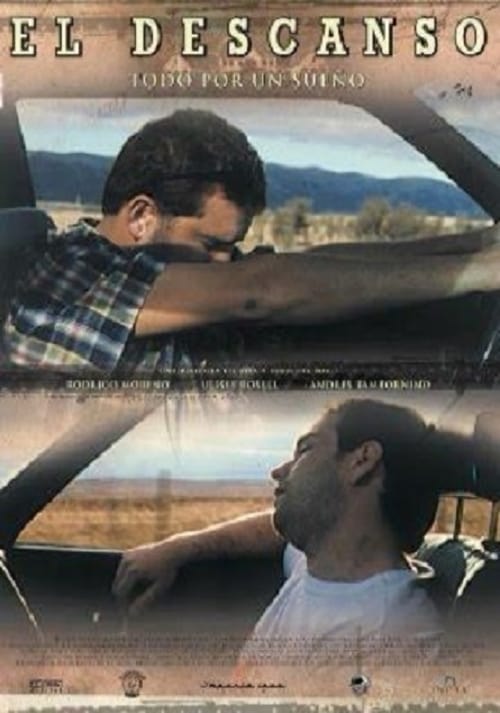
Two buddies' road trip is halted by car trouble in the middle of nowhere; they stumble on a derelict hotel and are inspired to try to restore it, with the help of an odd bunch of locals.
Hotel Descanso
No description available.
Aqueronte

With BONANZA (FID 2002), his first film, Ulisses Rosell took us on a journey to meet a tribe of extremely colorful Argentinian poachers. This new dive into exotica takes us to the Wichi Indians in Chaco, Argentina, who have not long been sedentary, with an American ethnologist as our guide. To some degree a repentant ethnologist, John Palmer, rather than finishing his thesis, married a native and had a large family. Rather than observing it from a distance, he chose to become part of this discreet and beleaguered community. He strives to support their cause, getting involved in law suits and confronting companies which pillage land that belongs to the Indians with complete impunity.
The Ethnographer
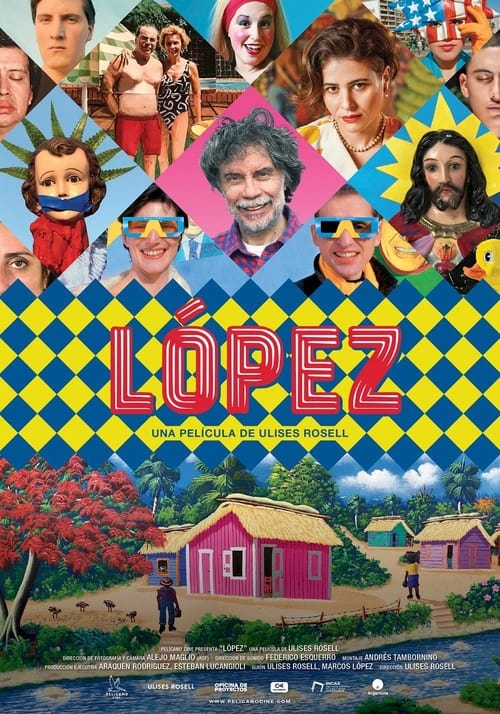
An intimate portrait of Marcos López, unique and unclassifiable figure, film director, visual artist and one of the most prominent contemporary photographers in Latin America.
López

This film explores the perception of Lisandro, a 16-year-old boy who is on the autistic spectrum. His mother, Valentina, an actress, has raised him between backstages and dressing rooms. Is there any difference for him between reality and fiction?
The Continuous Present

From the Peruvian Amazon region crossing along the Andes, up to the Pacific Ocean, a monumental gas pipeline is built to transport natural gas for the first time to the city of Lima. All along 750 kilometers, this work is known as the Camisea Project. The documentary records the different stages of the gas pipeline building, the landscape, the people, their dreams and final destiny.
Camisea
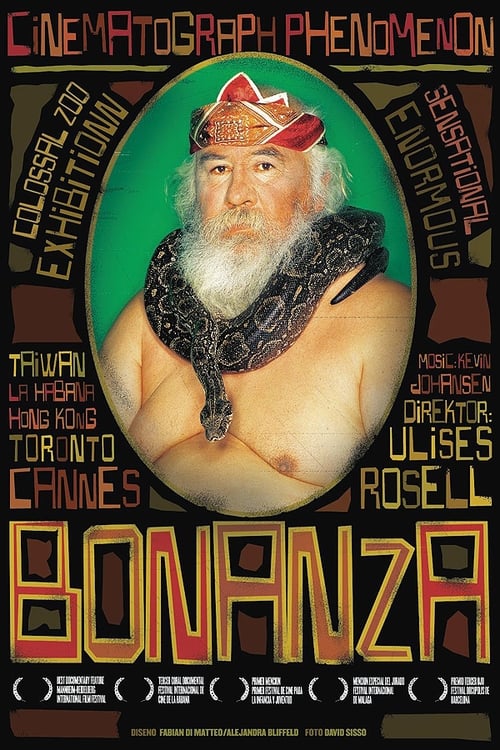
Follows a peculiar white-bearded snake and bird catcher, who lives in his scrap-yard and zoo just outside Buenos Aires.
Bonanza
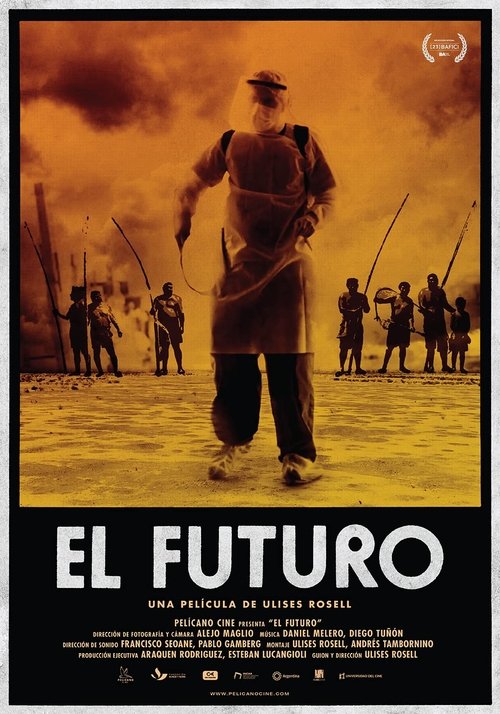
A series of documentary portraits filmed throughout the pandemic. Police control, screens, masks, and protective suits were imposed on everyday life, revealing that environment of estrangement that fiction had so often foreshadowed.
El futuro
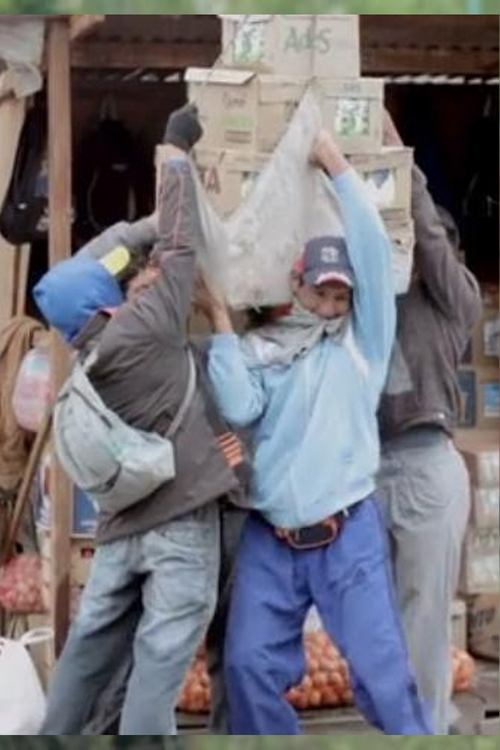
Chlorinda, neighbor to Asunción, in Paraguay, is small and full of shops, stalls and warehouses. The city converges towards the "La Fraternidad" Catwalk, forty meters of wooden bridge, which crosses a nonexistent stream-boundary.