Writing
Rebecca and Romain are finding it very difficult to become parents. So when Mickaël, Romain's brother, moves in just opposite and announces that he's about to become a father, the tension rises. Particularly as he appears to abuse his partner, who then disappears following an argument.
In 1967, investigating judge Jeanne Le Fèvre was assigned a new case: the arrest of art dealer Fernand Legros, who was suspected of selling forged paintings. It marked the start of a long and extraordinary investigation
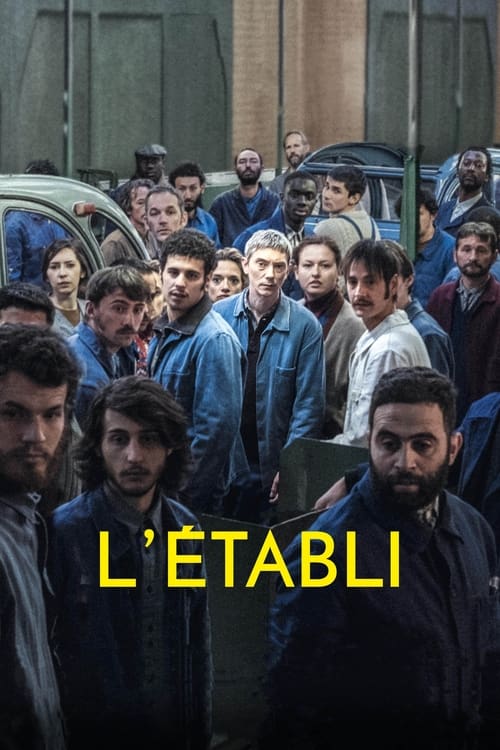
A few months after May '68, Robert, a graduate of the Ecole Normale Supérieure and a far-left activist, decides to get a job at Citroën as a line worker. Like other comrades, he wants to infiltrate the factory to rekindle the revolutionary fire, but the majority of workers no longer want to hear about politics. When Citroën decides to pay back the Grenelle Agreements by requiring workers to work 3 hours overtime per week for free, Robert and some others see the possibility of a social movement.
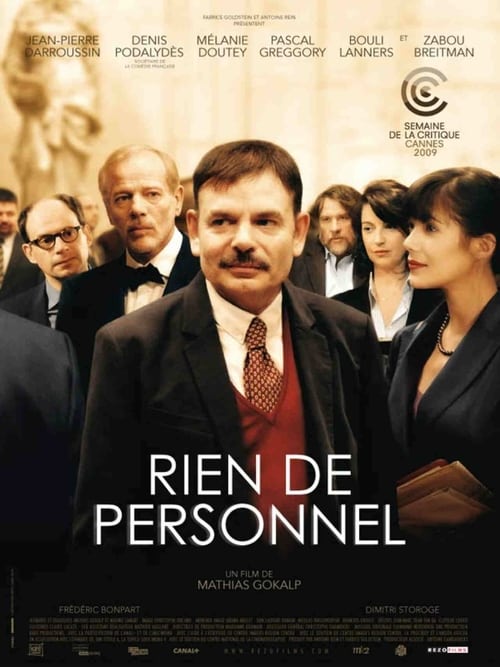
The Muller company organizes a reception to mark the launch of a new product. During the evening, we discover that this is actually a coaching exercise for company executives. Gradually, rumours about the upcoming acquisition of the company start to emerge and everyone finds themselves trying to save their place.
In her thirties, Jeanne loses her father in an accident. A few years later, her mother becomes involved with a man who bears an uncanny resemblance to the deceased. He's not a ghost, just a bad look-alike, and Jeanne's mother has decided to have him re-enact their story, according to her own rules. But even if it means bringing back the dead, Jeanne feels she has something to say, especially what she couldn't say when her father was alive.
Victor's mother is depressed after her daughter, Camille, decided to wear a headscarf. Victor feels obligated to reason with his sister, even if he does't have an issue with her decision. Or does he?