FEEL IT.STREAM
?

Mikhail Vartanov

Directing

Biography

Vartanov was blacklisted for his debut film, The Color of Land (1969), where he portrayed his dissident friends Paradjanov (imprisoned in 1974) and Minas (assassinated in 1975). When Vartanov's artistic freedom was restored 20 years later, he responded with Minas: A Requiem (1989) and Parajanov: The Last Spring (1992) - his masterpiece, which was admired by some of cinema's most important luminaries, including Francis Ford Coppola and Martin Scorsese.
Known For

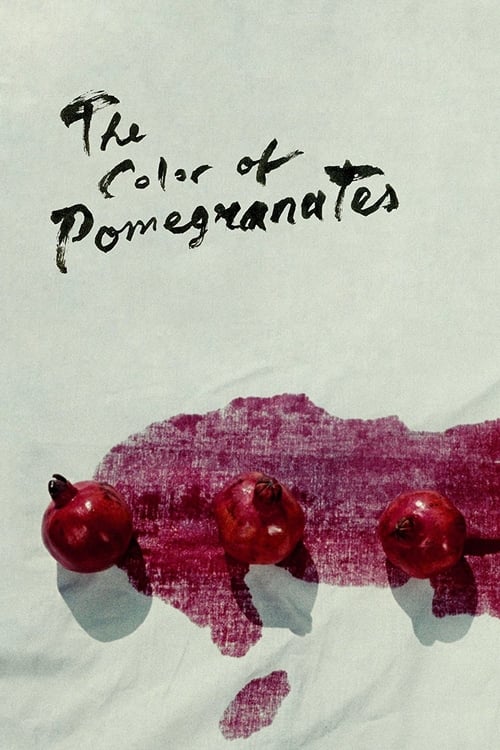
The Color of Pomegranates
7.3

The life of the revered 18th-century Armenian poet and musician Sayat-Nova. Portraying events in the life of the artist from childhood up to his death, the movie addresses in particular his relationships with women, including his muse. The production tells Sayat-Nova's dramatic story by using both his poems and largely still camerawork, creating a work hailed as revolutionary by Mikhail Vartanov.

The Color of Pomegranates

1969
Seasons of the Year
6.8

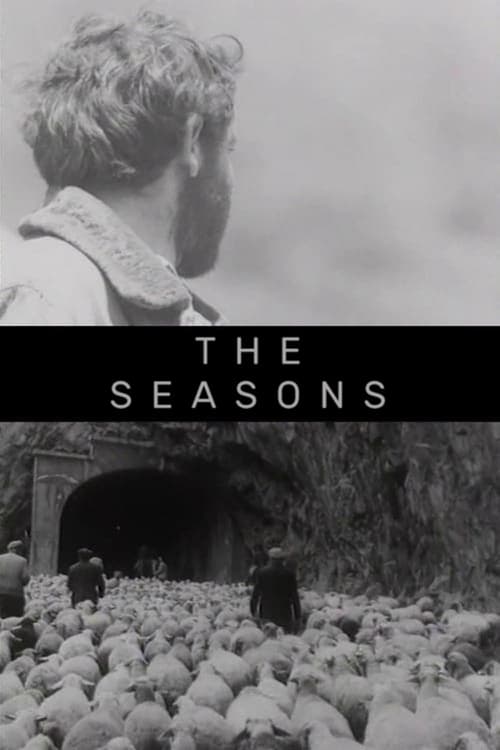
The last collaboration of Artavazd Peleshian and cinematographer Mikhail Vartanov is a film-essay about Armenia's shepherds, about the contradiction and the harmony between man and nature, scored to Vivaldi's Four Seasons.

Seasons of the Year

1975
The Mulberry Tree
9.5

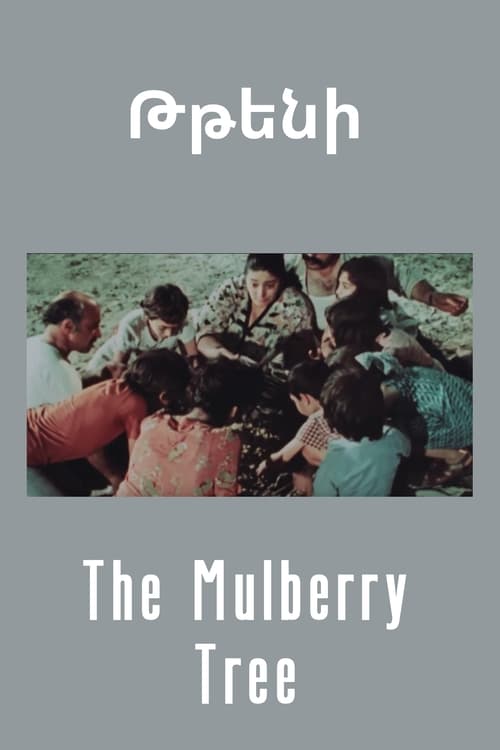
In their first collaboration Melkonian and cinematographer Mikhail Vartanov film two neighbour families that both claim ownership of a huge mulberry tree growing in the middle of their two houses.

The Mulberry Tree

1980
Parajanov: The Last Spring
5.1

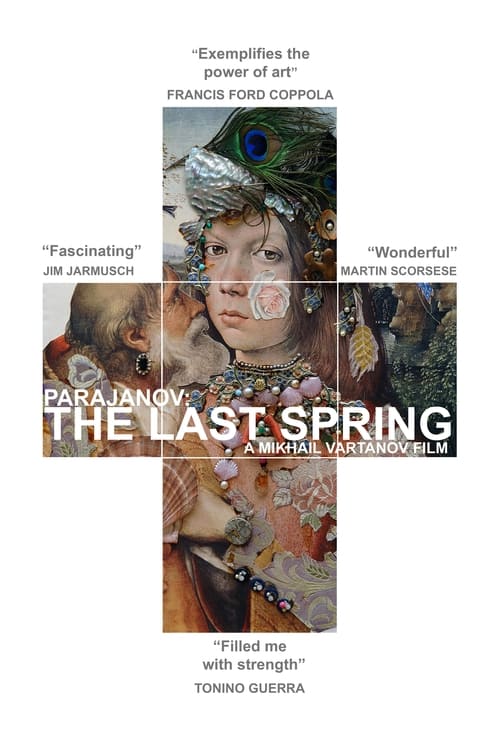
Made in wartime and edited in candlelight, Vartanov's rarely-seen masterpiece tells about his friendship with the genius Parajanov who was imprisoned by KGB "at the height of his fame ". Vartanov resurrects the riveting scenes from his banned 1969 film The Color of Armenian Land, where Paradjanov concocts the chef-d'oeuvre The Color of Pomegranates - widely regarded as one of the greatest films of all time - then reveals the shocking request Parajanov sent him in unpublished 1974 letters from Ukrainian prisons. Vartanov's camera documents Parajanov's staggering last day at work in 1990 during the making of the unfinished Confession - which survives in The Last Spring - as Parajanov comments on this cherished autobiographical film. The foremost achievement of The Last Spring, emphasized by critics, is Vartanov's exquisite wordless montage that "evoked the very soul" of Parajanov and earned the praise of many of cinema's greatest masters, such as Martin Scorsese and Francis Ford Coppola.

Parajanov: The Last Spring

1992
The Color of Armenian Land
6.1

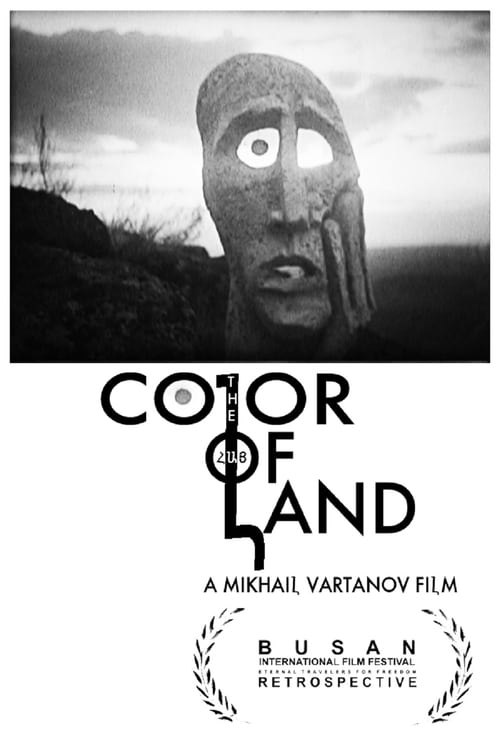
In his wordless debut film, Mikhail Vartanov presents the ancient and modern art of Armenia through the post-impressionist painter Martiros Saryan’s silent commentary of gestures. Biblical landscapes, the ruins of temples, frescos, cross-stones, contemporary sculptures of Tchakmakchian (Chakmakchyan), the first appearance on film of iconic modernist painter Minas and his paintings, as well as the world famous behind-the-scenes episodes of Sergei Parajanov’s landmark "The Color of Pomegranates (Sayat Nova)." The film had its first public screening at one of the world’s largest and prestigious cinematic events, the Busan International Film Festival, 43 years after it was made.

The Color of Armenian Land

1969
No image
N/A

The hero, who came from the village to the city, accidentally meets an old friend. Excited about that meeting they visit all their villagers who already live in the city.

Kochari

1983
The Kite Day
8.0

A story about young Annie who's taking her parents divorce very hard.

The Kite Day

1986
No image
N/A

Vahan, a well-known elderly doctor, comes to his native village to once again try to convince his mother, who lives alone in an old house, to move to the city.

Mother's House

1980
Aivazovsky and Armenia
9.0

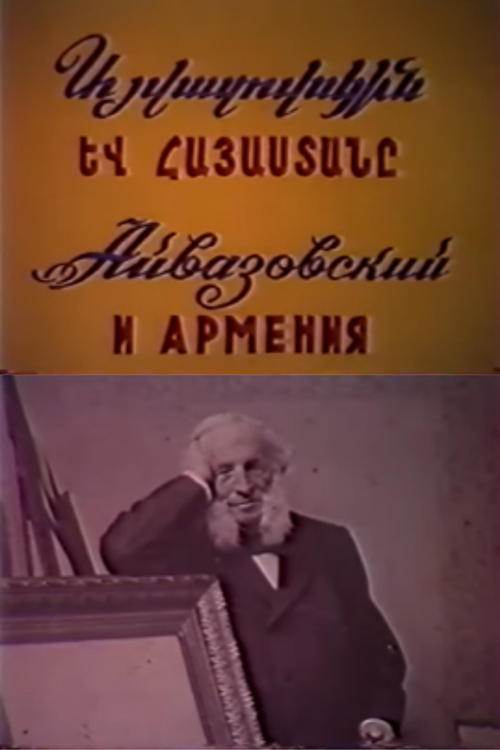
Aivazovsky's paintings on historical Armenian themes. His works were not only on marine subjects. In this short we can also see the church of St. Sarkis, where the artist was baptized. He was married within the walls of this ancient temple, and his funeral service was held there in 1900. Modern photos of Armenia and Western Armenia, where Aivazovsky's ancestors were from, harmoniously complement the film. And at last, the picturesque views of Feodosia, the city where the artist lived and worked for many years.

Aivazovsky and Armenia

1983