Sound
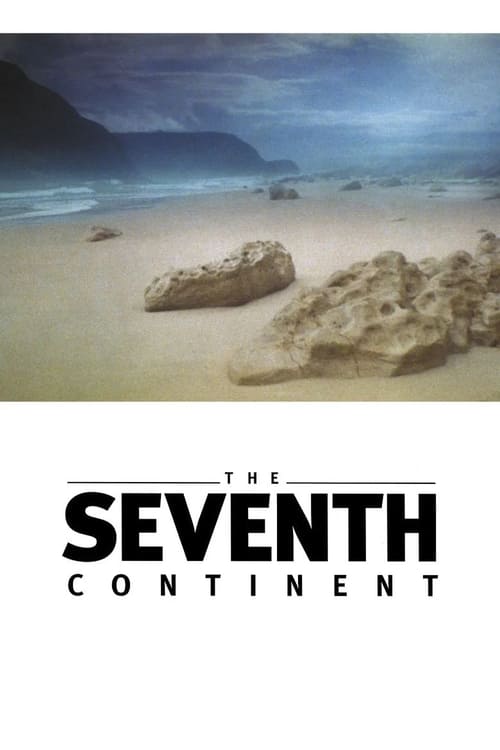
Chronicles three years of a middle-class family seemingly caught up in their daily routines, troubled only by minor incidents. Behind their apparent calm and repetitive existence, however, they're planning something much more sinister.
An exploration of opera in unconventional ways attempting to attract not just existing opera fans, but also those less familiar with the art form. The host guides the viewer to the places of origin of each opera, and explores the culture, history—and modern and current trends and how they apply to opera.
Franz Woyzeck, a lowly soldier stationed in a mid-nineteenth century provincial German town, is the father of an illegitimate child by his mistress Marie.
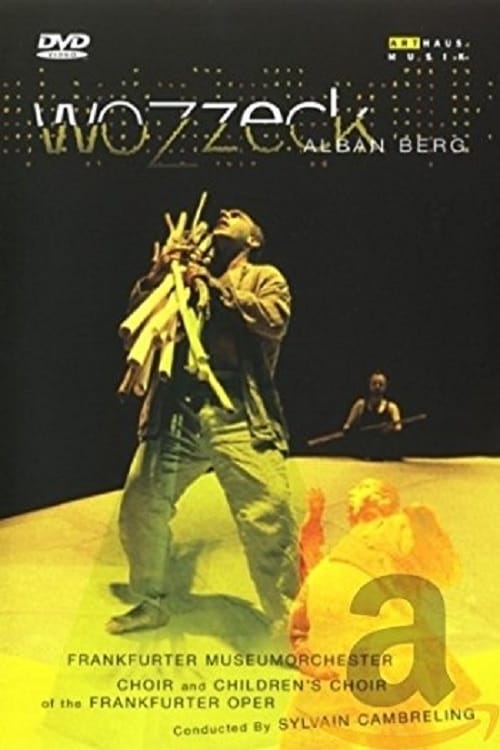
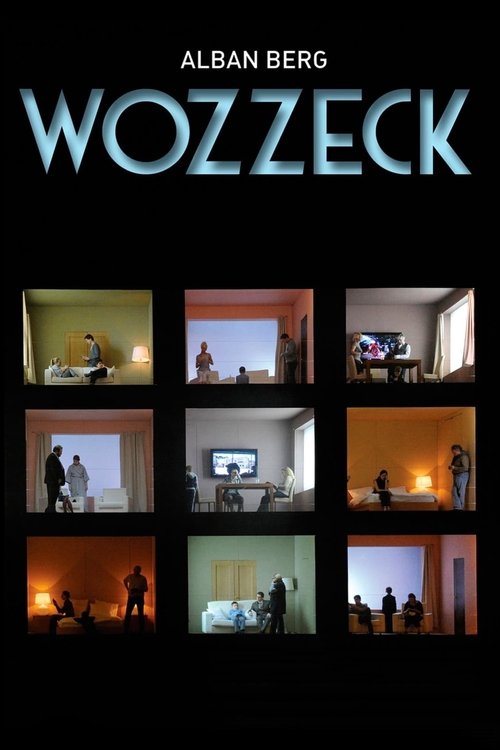
Separated and fragmented, the scenes combine in a series of tableaux to tell the story of Wozzeck, an ordinary soldier whose only solace is the love of his companion Marie. However, the latter’s fidelity is not unfailing and Wozzeck is haunted by torment. His officers and comrades in arms do little to improve the situation. The omnipresent tension in this profoundly romantic work unifies the fifteen scenes with their complex tonalities alternating between Verist notes and the force of ritualised actions. Christoph Marthaler’s production provides an atmosphere of contemporaneity strongly accentuated by the choice of a single set, where the men’s despair is submerged in Berg’s dearly sought-after sobriety.
Wozzeck by Alban Berg performed with the Frankfurter Museumorchester.
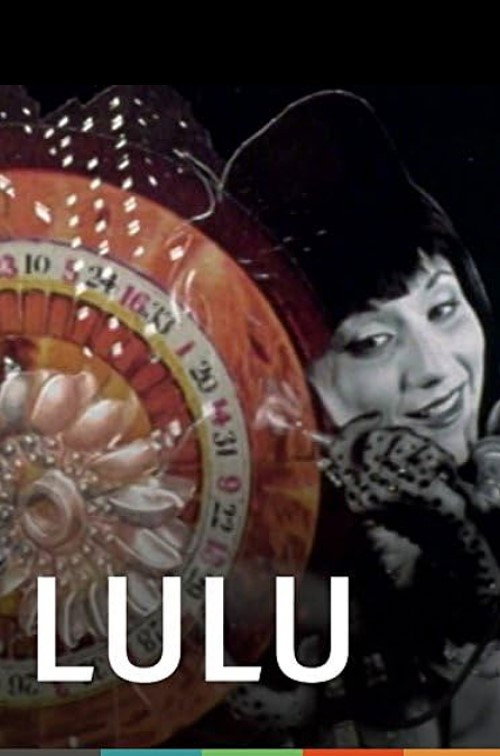
Initially commissioned to accompany a Danish production of Alban Berg’s LULU, Lewis Klahr’s cut-out animation refigures the opera's themes in a torrent of images. With an ever-inventive approach to color and symbol, Klahr distills the title character's moral predicament, along with a great many of German Expressionism’s characteristic motifs, in the span of a pop song.
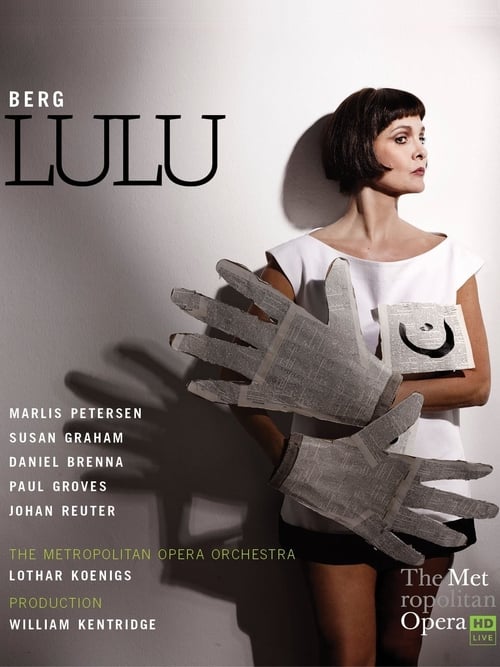
William Kentridge’s multi-layered production of Berg’s masterpiece stars charismatic soprano Marlis Petersen in the title role—the enigmatic and alluring woman who is equal parts femme fatale, innocent girl, and abused victim. The men around her, whose lives she forever alters, are Johan Reuter as newspaper publisher Dr. Schön; Daniel Brenna as his composer son, Alwa; Paul Groves as the Painter; and Franz Grundheber as Schigolch. Susan Graham sings Countess Geschwitz, and Lothar Koenigs conducts Berg’s landmark score.
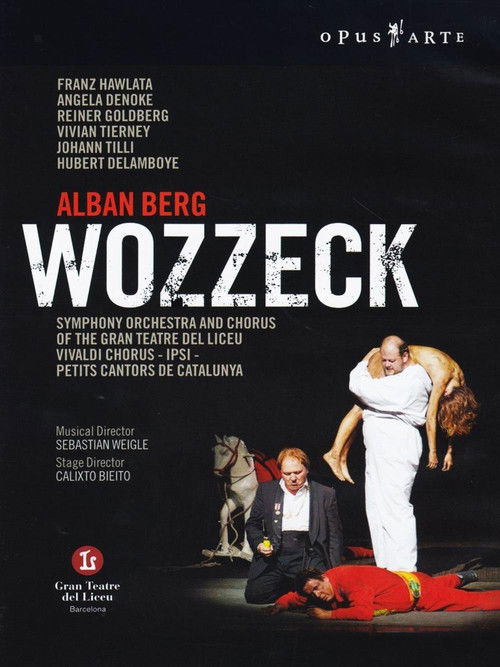
Calixto Bieito's controversial but visually stunning production of Wozzeck is set in a grisly, chaotic, post-industrial maze, giving a contemporary edge to the disturbing and hair-raising intensity of Alban Berg's expressionistic masterpiece.
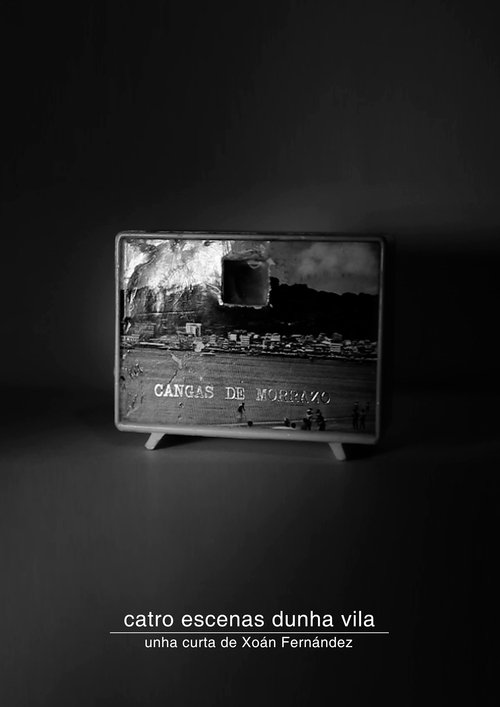
Four different views of the village of Cangas do Morrazo.
Stranger. Strange country. Strange city. Stranger in this city. Man from Sri Lanka. Distributor of brochures. Homestead in this foreign city?
In 2010, for the first time in its history, the Bolshoi Opera presented Alban Berg’s masterpiece Wozzeck conducted by Teodor Currentzis. Dmitri Cherniakov’s aim with this bold, sensitive transposition was “to highlight the hidden sorrows of a late twentieth-century man dwelling in a megalopolis.”
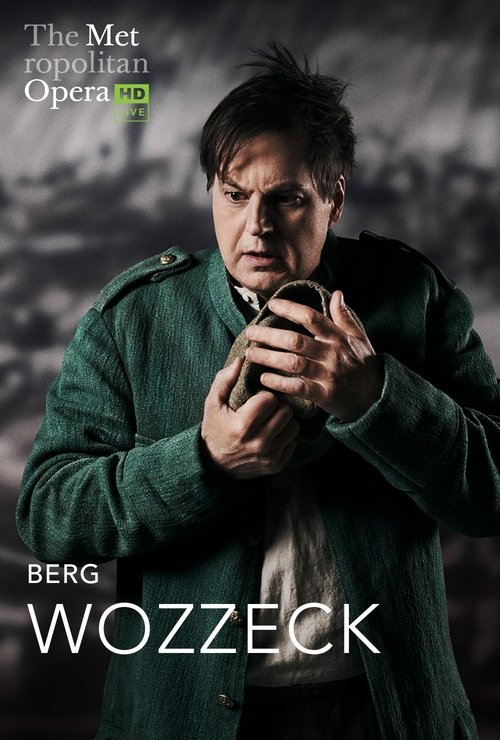
Berg’s 20th-century shocker stars baritone Peter Mattei in the title role, with Music Director Yannick Nézet-Séguin on the podium and soprano Elza van den Heever as the long-suffering Marie. Groundbreaking visual artist and director William Kentridge unveils a bold new staging set in an apocalyptic wasteland.
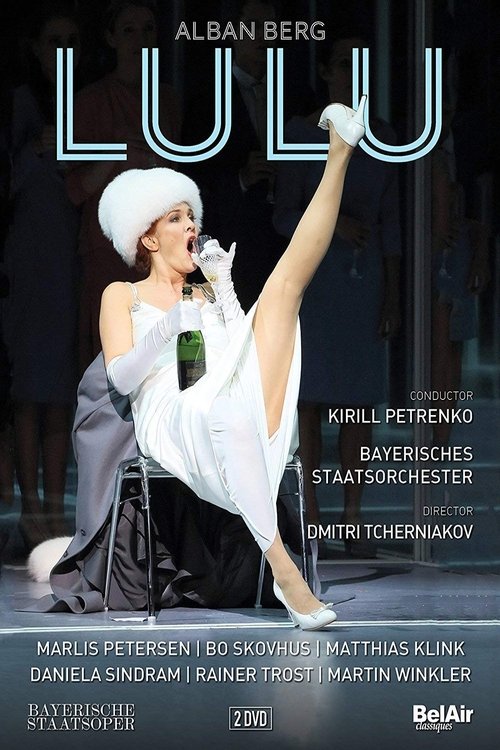
At the Bayerische Staatsoper in Munich, Kirill Petrenko conducts this new production of Alban Berg's Lulu, directed for stage by Dmitri Tcherniakov and starring the soprano Marlis Petersen (Lulu).
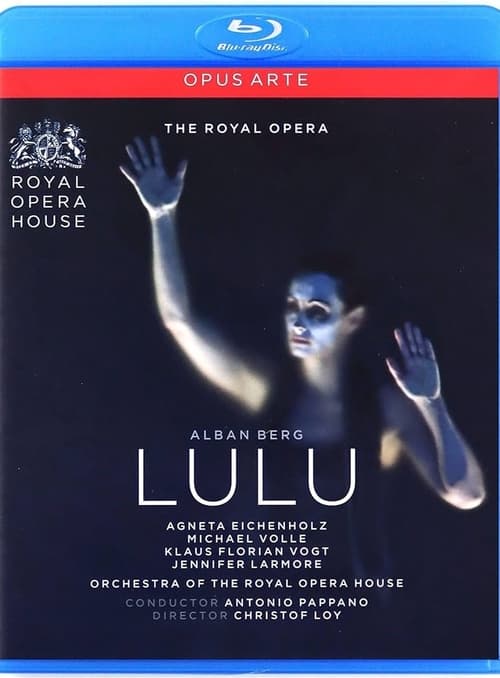
New peoduction, 2009. Filmed by the Royal Opera House in co-production with Opus Arte, June 13/17.
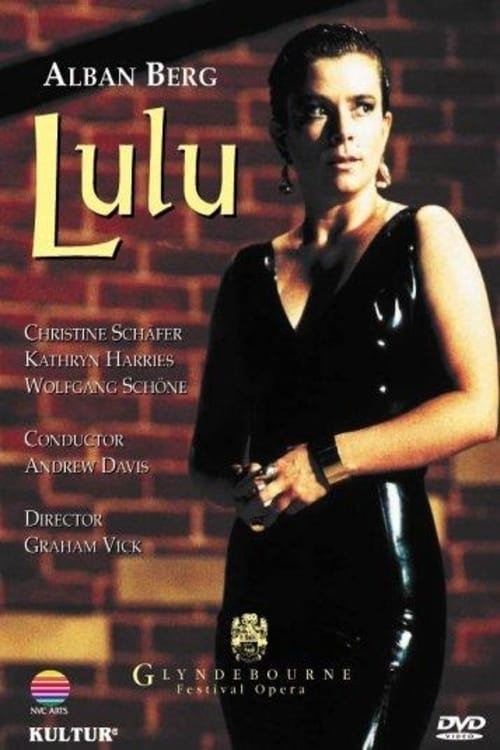
Alban Berg's black, satirical opera is one of the masterpieces of the 20th Century. It charts the rise and fall of a femme fatale "created to make trouble", from life as a society hostess to prostitution and eventual bloody death at the hands of Jack the Ripper. Berg's score is intensely beautiful, and the rich characterisation brilliantly executed.
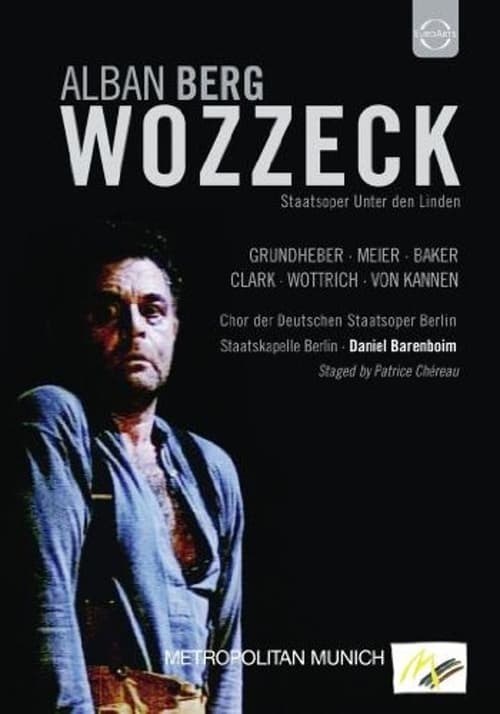
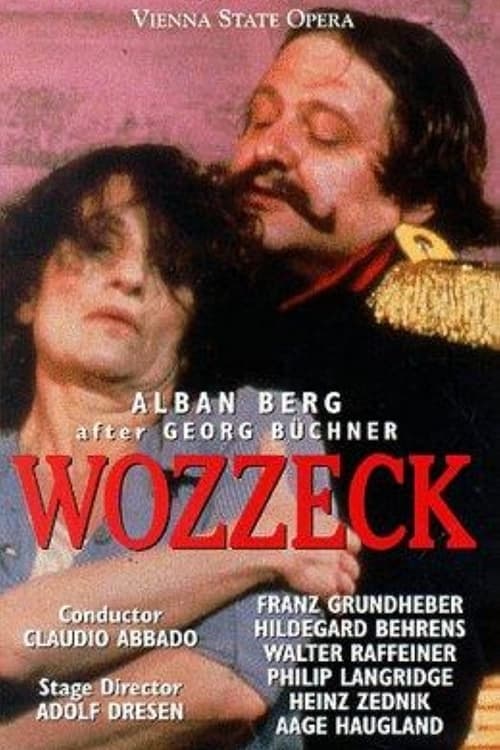
1987 recording of Wozzeck by the Vienna State Opera with Claudio Abbado conducting. Based upon Georg Büchner's 1837 play, Alban Berg's Wozzeck details the harsh existence of the title character, a former soldier in the German army who has to struggle mightily to make a living, even as others around him prosper.
A study of a man's physical and mental limitations. In the 24 quite harsh and grueling fragments of the unfinished drama, a body and a mind are tested as far as they can be pushed before their owner goes over the edge. Is there just one thing that proves to be too much for Franz Woyzeck, or is it an accumulation of miseries and torments of a wretched existence? Woyzeck is perhaps not so much a bleak account of how miserable life can be as how much strength is required to deal with the daily vicissitudes of life and how delicate and fragile a balance the human psyche rests on.
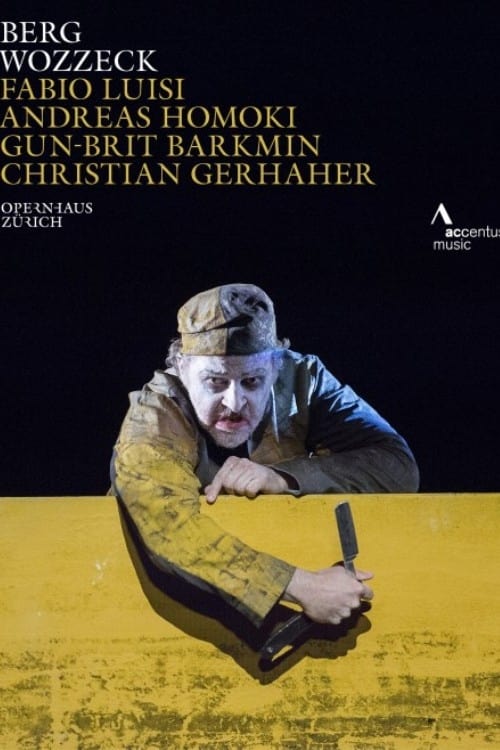
The soldier Wozzeck (Christian Gerhaher) flits through a world that he is unable to decipher. The doctor torments him with absurd medical experiments; the captain humiliates and ridicules him. And Wozzeck’s lover, Marie (Gun-Brit Barkmin), with whom he has a child, cuckolds him with the drum major. Wozzeck becomes a murderer, stabbing Marie to death. Georg Büchner’s drama fragment, on which Alban Berg based his first opera, is an unflinching case study of social injustice and human suffering. But it is also a grotesque piece that thrives on exaggeration – and in which only a fine line separates the unfathomable from the ridiculous. Accordingly, director Andreas Homoki forgoes all realism.
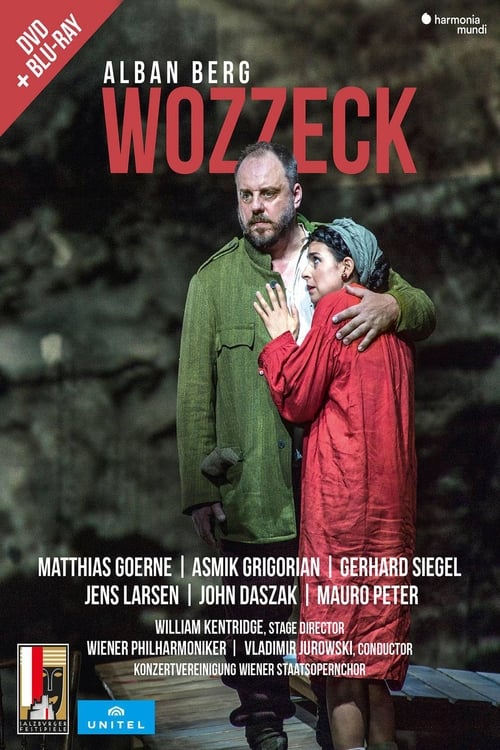
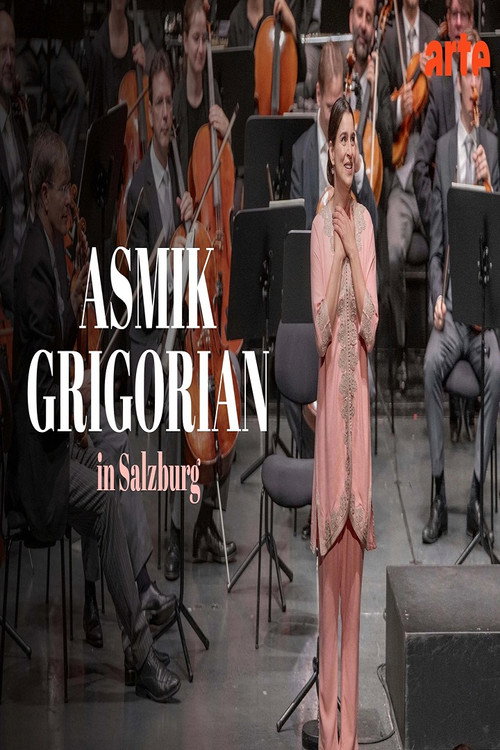
While performing Richard Strauss’s *Four Last Songs* in Salzburg, soprano Asmik Grigorian reflects on her special connection to the Austrian festival.
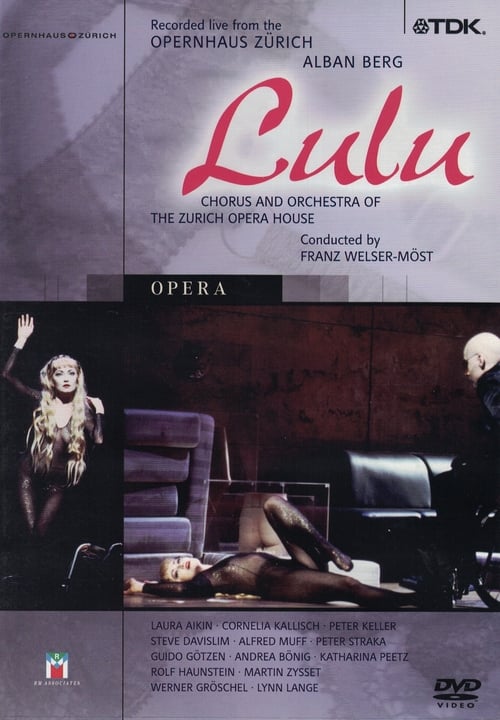
Since its premiere on 2 June 1937 in Zurich, Alban Berg's second opera "Lulu" has the reputation of being surrounded by scandals. On the one hand, this is due to the dubious character of the subject, the man-eating femme fatale, which Berg had taken from Frank Wedekind's two Lulu tragedies – "The Earth Spirit" and "Pandora's Box" – and combined into one opera libretto. On the other hand, Berg's widow had (for personal reasons) repeatedly refused to have the opera completed, which was unfinished when Berg died. This video is of the unfinished two-act torso of "Lulu."