
Władysław Hańcza
Acting
Known For
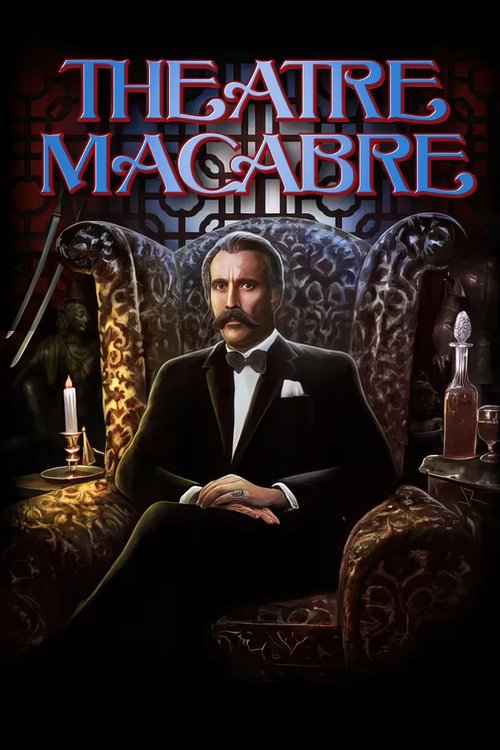
Christopher Lee hosts this horror anthology series from Poland with stories from various classic authors.
Theatre Macabre

A series about the adventures of a Polish secret agent, Hans Kloss, who acts as a double agent in the Abwehr during Second World War in occupied Poland.
More Than Life At Stake
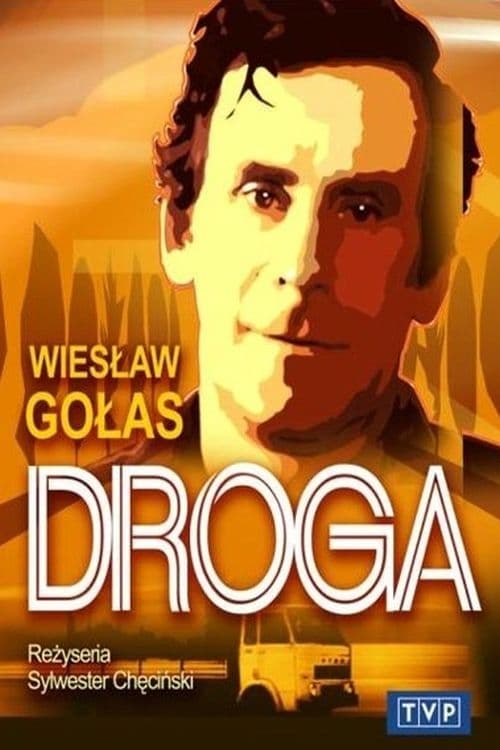
Marianek is an unlucky man and not successful in his affairs. At the same time, he is a dove-hearted man, sensitive to other people’s misfortunes and harm, willing to help, even at his own expense. He is always ready to solve the problems of others, although he is usually not very good at it. His favorite saying is “absolutely”.
Droga
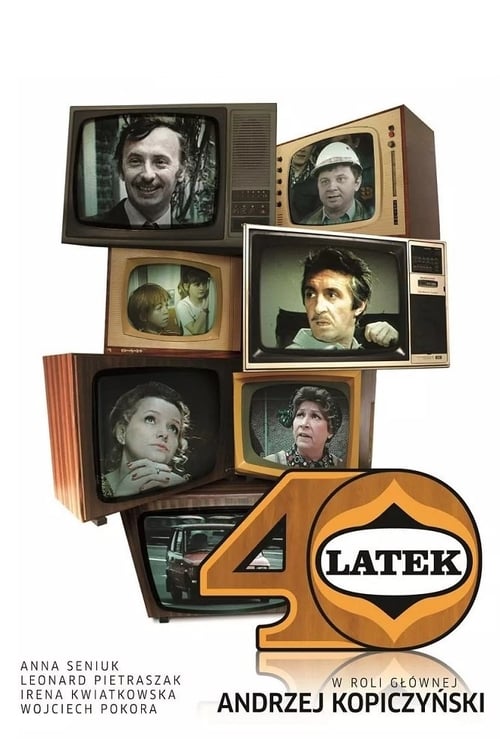
Czterdziestolatek or 40-latek was a Polish television comedy series broadcast between 1974 and 1977. The first series enjoyed so much popularity that it has successfully continued and led to the release of a feature film I'm a Butterfly, a 40-year-old Love Affair and a New Year's Eve television program in 1975. The series was written by Jerzy Gruza and Krzysztof Teodor Toeplitz and was broadcast on Telewizja Polska. In total, 21 episodes were produced. The series followed the fate of a Warsaw family and explored topics related to midlife crisis, such as extra-marital affairs, attempts to quit smoking, obsession with hair loss, efforts to maintain physical fitness, pride in achievements and professional life, the desire to seek self-fulfillment through social activities, etc.
Czterdziestolatek
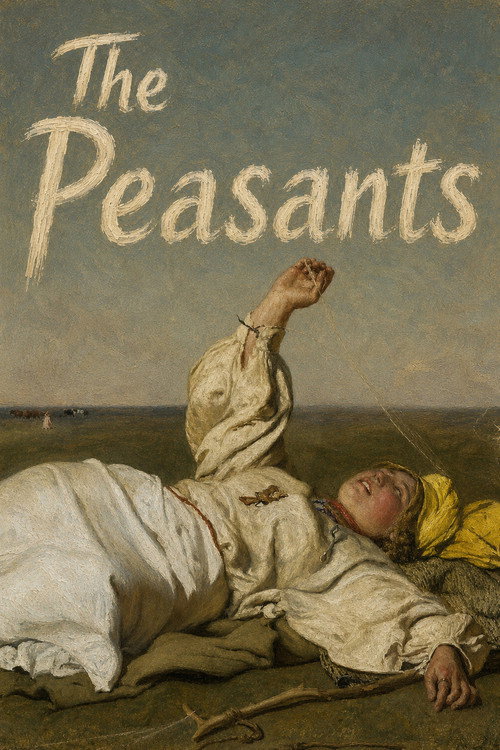
A TV adaptation of Władysław Stanisław Reymont's most famous novel, realistically depicting Polish rural life at the turn of the 19th and 20th centuries. Against the broad backdrop of rural community life, inextricably linked to the rhythm of nature throughout the four seasons, the complicated and often dramatic story of the Boryna family unfolds.
The Peasants
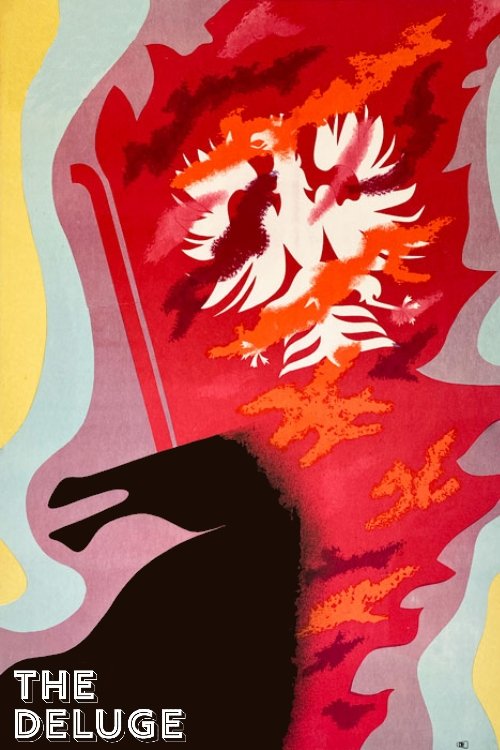
During the Swedish invasion of Poland, the brave warrior Andrzej Kmicic, considered a traitor to the nation, fights for a country, redemption and love across the 17th-century Polish territories.
The Deluge
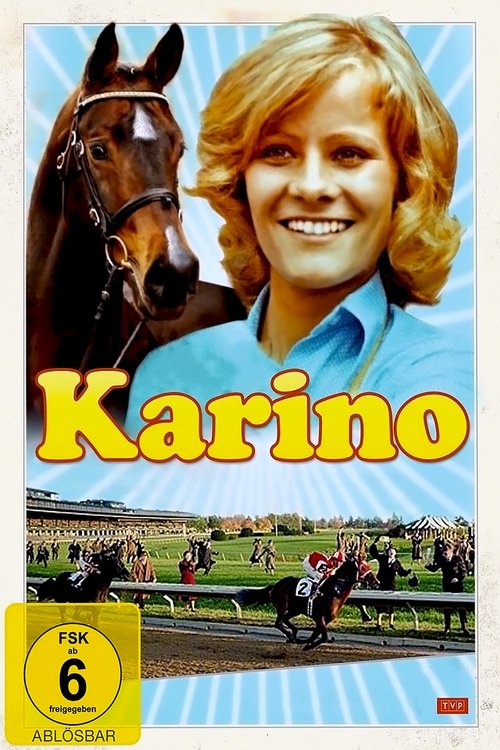
The horse Karino is born during winter and when his mother dies, a young woman starts to care for the helpless foal. Their adventures together are followed during the years to come, from the age of a newborn to the time when Karino’s a full-grown competition horse.
Karino
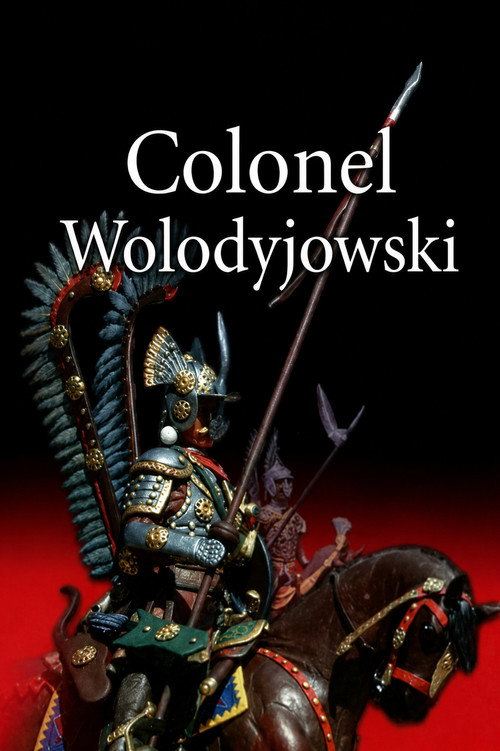
In 1668 Polish colonel Michał Wołodyjowski, who recently retired to a monastery, is recalled to active duty and takes charge of Poland's eastern frontier defenses against invading Tatar hordes and Ottoman armies.
Colonel Wolodyjowski

No description available.
Hrabina Cosel
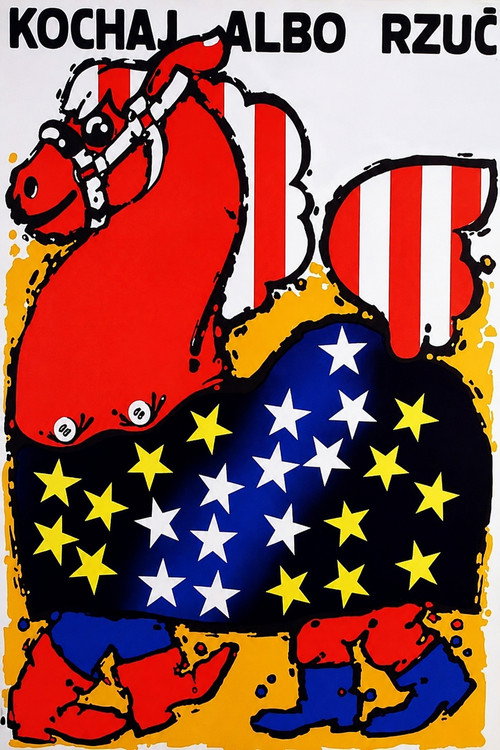
Pawlak and Kargul - neighbors, frenemies, and grandfathers to Ania- both receive invitation to America from Pawlak's brother- John. All three of them travel to Chicago, where they discover John has passed away, and they arrived just in time for his funeral. But first- they need to find his illegitimate daughter. Set in late 70's story of two, charming, Polish villagers' adventures in Chicago is a third installment of Pawlak and Kargul adventures.
Big Deal
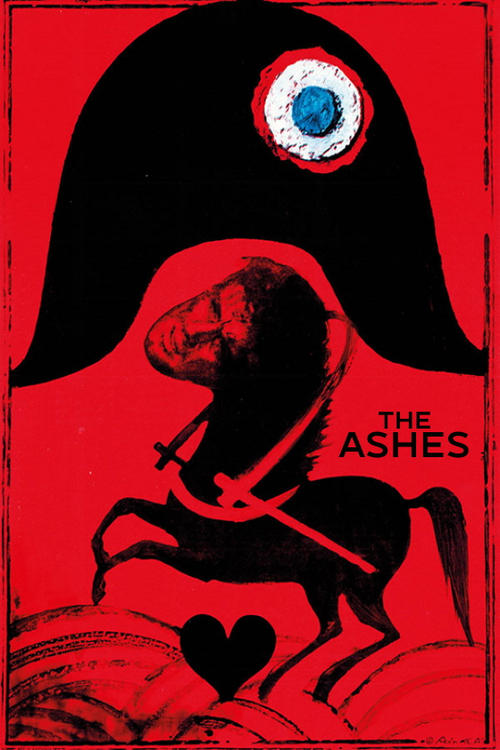
Set in the time of Napoleon wars, shows how the wars swept over the unfortunate Polish country at the beginning of the XIX-th century. Story revolves around the Polish legion under command of General Dabrowski, who then fought on Napoleon's side with the hopes of Poland's revival.
The Ashes
A young doctor from the lower classes is helped in his career by a rich woman. When he comes back from study in Paris he takes a job at a watering spa. He comes up against the owners when he tries to help the poor.
Doctor Judym
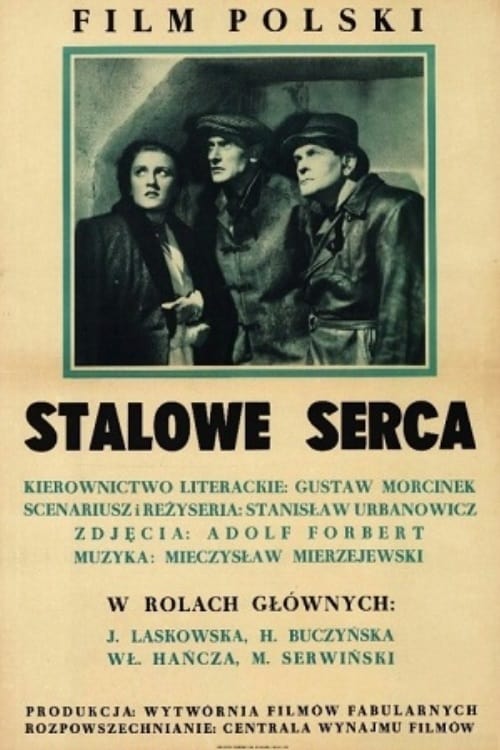
In occupied Silesia, resistance is organizing. In close contact with the miners and led by an engineer, a group of partisans prepare the sabotage of the steel combine. The going will be tough as the place is closely guarded by the Nazis. But despite a denunciation from a traitor and several violent deaths, they get going and the operation is a success. But the Red Army is approaching and now the coal production must not be sabotaged anymore. On the contrary, the partisans must prevent the Germans from destroying the steel mill and the coal mine...
The Steel Hearts
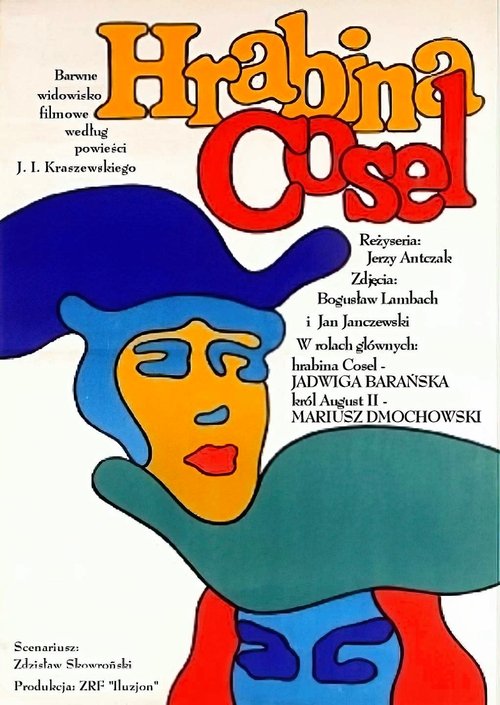
The Countess Cosel is based on the true story of the beautiful Anna Constantia of Brockdorff, a German noblewoman who became a mistress of Augustus the Strong, King of Poland and Elector of Saxony in 1704.
Countess Cosel
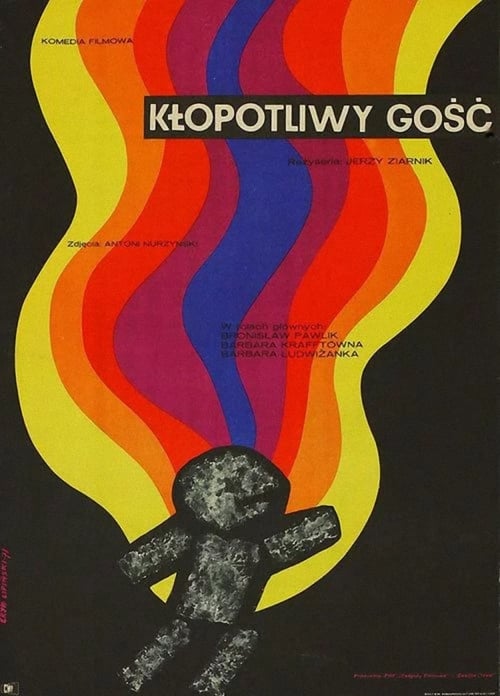
Strange human-shaped phenomenon appears in Piotrowski's new flat and he approaches all available institutions to help him get rid of it.
Kłopotliwy gość

A beautiful Polish girl whose lover has gone to Rome to seek a divorce from his previous wife travels around Europe in search of him and suffers a variety of tragic adventures as the men around her try to fit her into their own selfish schemes.
The Story of Sin
A precious jewel brought from India by a British general falls prey to his wife.
Diament radży

Ja gorę! tells the story of a Pogorzelski nobleman who settles in a ruined castle in Samsonów, determined to restore it, only to be haunted by the ghost of its former owner. A parody of gothic horror literature and cinema, the short is based on a tale by Henryk Rzewuski and was produced as part of the Polish television series Opowieści niezwykłe (1967–1968).
I Am Burning!
The main characters are the same two quarreling peasant families introduced in "Sami swoi" (Our Folks). The action of the film starts 18 years later. The old quarrels have been forgotten, but new problems keep popping up. They have no successors to inherit the farms. They invent a tricky and clever plan. The young granddaughter is to take over both of the farms after her marriage. Both Kargul and Pawlak have no rest until they carry out the plan. In the end, after numerous adventures and obstacles their cunning intrigue is fulfilled - the young marry and the land remains in the family's hands.
Take It Easy
Two quarreling peasant families, who were forced to leave their lands after the war, are settled by accident on two neighboring farms.