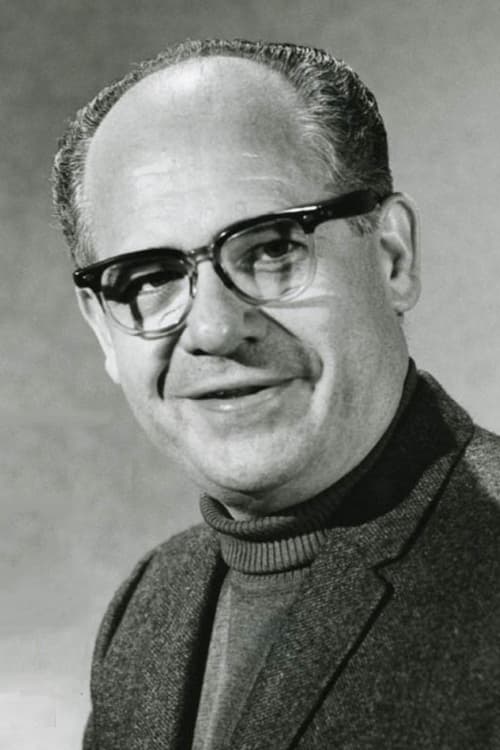
George Schaefer
Directing
Biography
George Louis Schaefer (December 16, 1920 – September 10, 1997) was an American director of television and Broadway theatre, who was active from the 1950s to the 1990s. Schaefer was born in Wallingford, Connecticut, and lived in Oak Park, Illinois for much of his boyhood and young adulthood. He was the son of Elsie (née Otterbein) and Louis Schaefer, who worked in sales. Schaefer studied stage directing at the Yale School of Drama. He began his directing career while serving in the U.S. Army Special Services during World War II. He directed over 50 plays for the troops. After being discharged, he directed for the Broadway theatre. His first production was of Shakespeare's Hamlet starring Maurice Evans. In 1953, Schaefer won a Tony Award for his production of The Teahouse of the August Moon which he co-produced with Evans. During the Golden Age of Television, Schaefer directed numerous live TV adaptations of Broadway plays for NBC's Hallmark Hall of Fame. His first episode for Hallmark was an adaptation of his Broadway staging of Hamlet starring Evans. In the 1980s, several of his productions for Hallmark aired in syndication under the title George Schaefer Showcase Theatre. His television work garnered him five Emmy wins out of 21 total nominations. He also won four Directors Guild of America Awards out of 17 nominations. He holds the record for the most DGA Award nominations. He also directed five theatrical films, but to limited success.
Known For
CBS Playhouse is an American anthology drama series that aired on CBS from 1967 to 1970. Airing twelve plays over the course of its run, the series was nominated for a number of awards and featured many noteworthy actors and playwrights.
CBS Playhouse

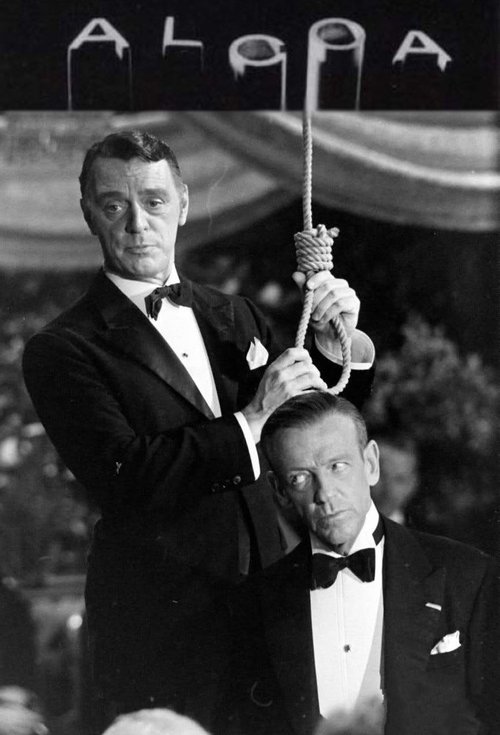
Alcoa Premiere is an American anthology drama series that aired from October 1961 to July 1963 on ABC. The series was hosted by Fred Astaire, directed by Norman Lloyd and executive produced by Alfred Hitchcock.
Alcoa Premiere

Long-running anthology program sponsored by Hallmark Cards. Beginning in 1951 and continuing into 2019, the series received 80 Emmy Awards, 24 Christopher Awards, 11 Peabody Awards, 9 Golden Globes, and 4 Humanitas Prizes. Early seasons were a weekly live drama, eventually transitioning to videotaped and then filmed productions broadcast as occasional specials.
Hallmark Hall of Fame

When his boss is killed, Detroit cop Axel Foley finds evidence that the murderer had ties to a California amusement park called Wonder World. Returning to sunny Beverly Hills once more, Foley reunites with Detective Billy Rosewood to solve the case. Along with Billy's new partner, Detective Jon Flint, they discover that Wonder World is being used as a front for a massive counterfeiting ring.
Beverly Hills Cop III

Kraft Mystery Theatre is an American anthology series that aired on NBC from June 17, 1961 to September 25, 1963. A successor to Kraft Television Theater with a change of focus away from straight drama. The high productions remained along with the ability to attract well known talent.
Kraft Mystery Theatre

The Watergate crisis as viewed by John Dean and his wife Maureen, based on their personal accounts -- his best-seller, her book on how it affected their marriage -- and distilled into an eight-hour drama with all of the political figures of the day parading by as Dean relates his story to his attorney when his world, based on blind ambition, begins crashing down on him.
Blind Ambition

Lincoln (aka Sandburg's Lincoln) is an American six-part miniseries broadcast on NBC from September 6, 1974 to April 14, 1976.
Lincoln

An unemployed drifter, Eric Stanton wanders into a small California town and begins hanging around the local diner. While Eric falls for the lovely waitress Stella, he also begins romancing a quiet and well-to-do woman named June Mills. Since Stella isn't interested in Eric unless he has money, the lovelorn guy comes up with a scheme to win her over, and it involves June. Before long, murder works its way into this passionate love triangle.
Fallen Angel
NBC Sunday Showcase was a series of hour-long specials telecast in color on NBC during the 1959-60 season. The flexible anthology format varied weekly from comedies and science fiction to musicals and historical dramas. The recent introduction of videotape made repeats possible, and two 1959 dramas had repeats in 1960. On the heels of his Broadway hits The Pajama Game and Damn Yankees, Richard Adler composed the opening Sunday Showcase theme music, titled "Sunday Drive".
NBC Sunday Showcase

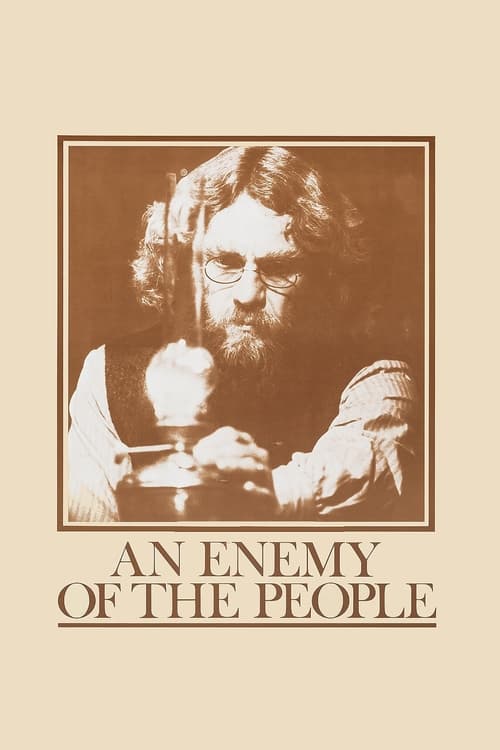
A small forest town is trying to promote itself as a place for tourists to come enjoy the therapeutic hot springs and unspoiled nature. Dr. Stockmann, however, makes the inconvenient discovery that the nature around the village is not so unspoiled. In fact, the runoff from the local tanning mill has contaminated the water to a dangerous degree. The town fathers argue that cleaning up the mess would be far too expensive and the publicity would destroy the town's reputation, so therefore news of the pollution should be suppressed. Dr. Stockmann decides to fight to get the word out to the people, but receives as very mixed reaction.
An Enemy of the People

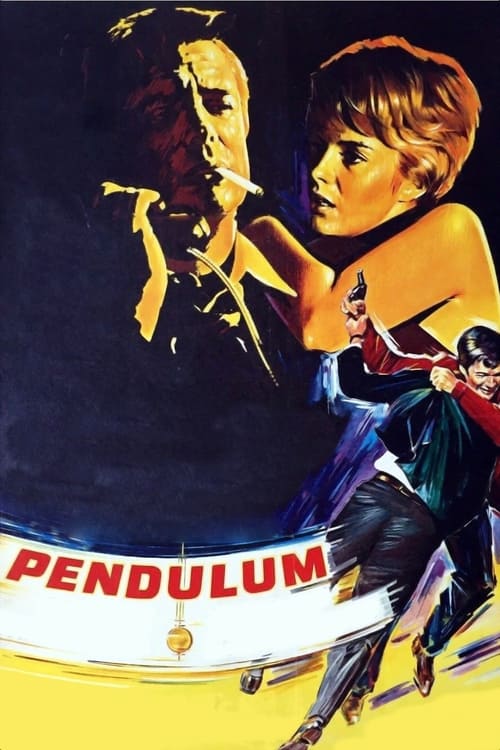
On the evening of his decoration for bringing a murderer to justice, Washington DC Police Captain Frank Matthews' wife, and her lover are murdered in bed. Jailed as the prime suspect, with the aforementioned murderer released on a technicality Matthews escapes in search of the man he believes to be the real killer.
Pendulum
In post-war Cape Breton, a doctor's efforts to tutor a deaf and mute woman are undermined when she is raped, and the resulting pregnancy causes scandal to swirl.
Johnny Belinda

Dramatization depicting the events surrounding Adolf Hitler's last weeks in and around his underground bunker in Berlin before and during the battle for the city.
The Bunker

The wives of several high-powered doctors feel neglected due to their husbands' focus on their careers, so they embark on a regimen of sex, drugs and booze.
Doctors' Wives

In 1620, the Assembly of the Pilgrims decides to emigrate to the young America because of the persecution they suffer by the English crown. The film tells the adventurous journey of the Pilgrims to an unknown land and future.
Mayflower: The Pilgrims' Adventure

A rich widow shocks her snobbish WASP family when she decides to marry her Jewish, divorced, doctor. His family is equally shocked.
Mrs. Delafield Wants to Marry

Miniature Dwyer is named after her mother, who was making miniature doll houses when Minnie was born. Minnie, too, has built doll houses for years, and when she learns that she is terminally ill, she and her husband Teddy begin planning their joint suicide. She makes sure that her dolls are placed with people who will appreciate and cherish them. The couple refuse to allow their grief-stricken daughter or the solicitous social worker or anyone else to forestall the death they are determined is right for them
Right of Way

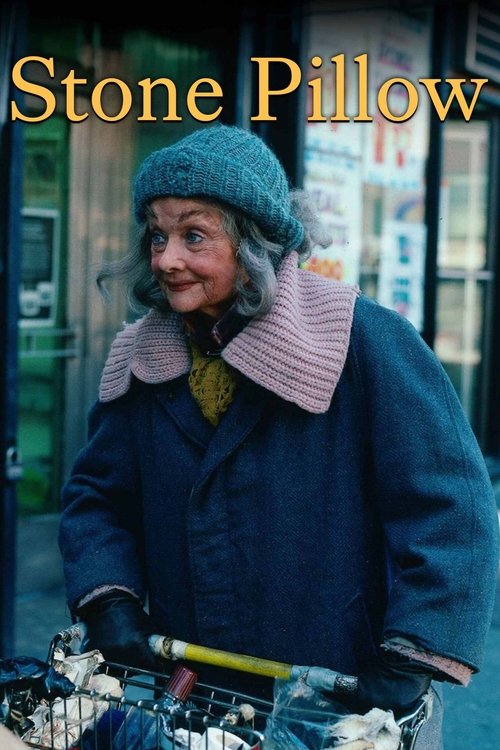
A homeless woman named Florabelle becomes the unwitting guide to the streets for a New York social worker named Carrie who thinks she has lessons to offer the down-and-out clients she serves at the homeless shelter. Soon, however, Carrie realizes that she's the one who has much to learn.
Stone Pillow

The Last of Mrs. Lincoln depicts the final seventeen years of Mary Todd Lincoln's life, following her husband's assassination.
The Last of Mrs. Lincoln

For the children of Northern Ireland, violence and hatred are a way of life passed from one generation to the next. In "Children in the Crossfire" four children from both sides of the conflict come to America through a special project, and discover each other away from the ravages of their homeland.