John Crowley
Writing
Known For
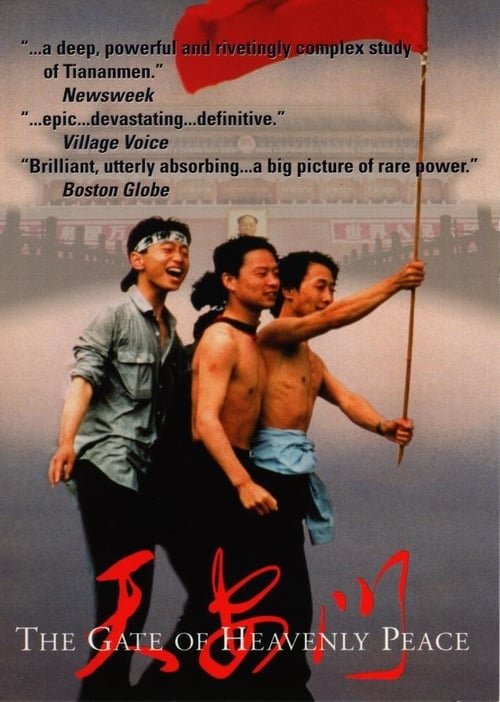
The Gate of Heavenly Peace is a feature-length documentary about the 1989 protest movement, reflecting the drama, tension, humor, absurdity, heroism, and many tragedies of the six weeks from April to June in 1989. The film reveals how the hard-liners within the government marginalized moderates among the protesters (including students, workers and intellectuals), while the actions of radical protesters undermined moderates in the government. Moderate voices were gradually cowed and then silenced by extremism and emotionalism on both sides.
The Gate of Heavenly Peace
Real stories of five women of the Old West....
Nobody's Girls: Five Women of the West
An account of Black American soldiers in World War II who combated racism in the segregated military and on the home front.
Liberators: Fighting on Two Fronts in World War II
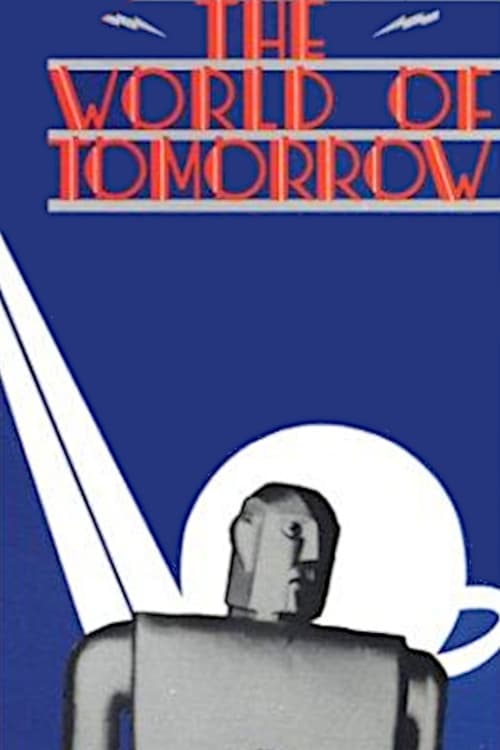
Documentary featuring original materials from the 1939 New York World's Fair. Includes film images of Jason Robards Jr. as a child at the World's Fair and clips from the promotional film "The Middleton Family at the New York World's Fair" (1939).
The World of Tomorrow
Documentary about early 20th-century photographer Lewis Hine, who helped to expose grim working conditions in American factories and mines, especially the abuse and exploitation of children by their employers. Later, he became the official photographer for the construction of the Empire State Building.
America and Lewis Hine
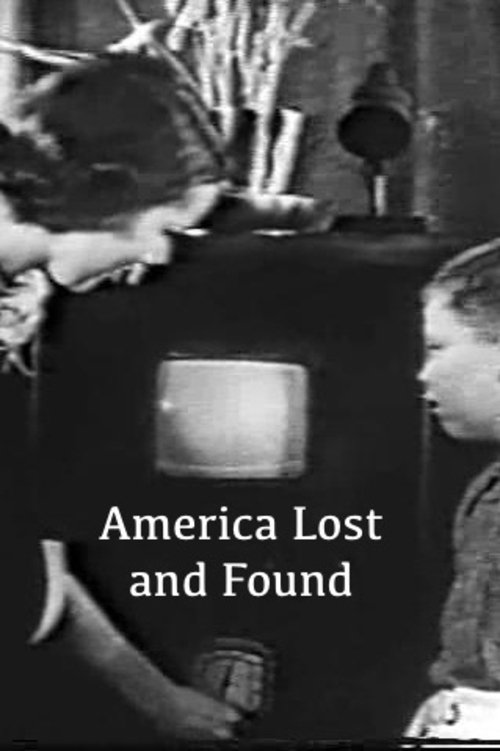
Composed entirely of archival material and narrated by actor Pat Hingle, this hour-long film documents the run-up to the Stock Market Crash of 1929 and the Great Depression that followed. Made in the 1970s, the film carefully lays out major historical events, as with the stunning footage of the German Zeppelin Hindenburg bursting into flames over New Jersey in 1937. Powerful images such as this are both literal and metaphoric documents of the tragedies of the age. By relying on the old newsreels alone to depict the events, the filmmakers immerse us in the period in a way that would not have been possible had they interviewed a team of experts. Compared to some of the more freely associated assemblages presented in the series—and especially to Brother, Can You Spare a Dime?—this film seems stoic, contemplative. When left to speak for themselves, archival images can be most illuminating.
America Lost and Found
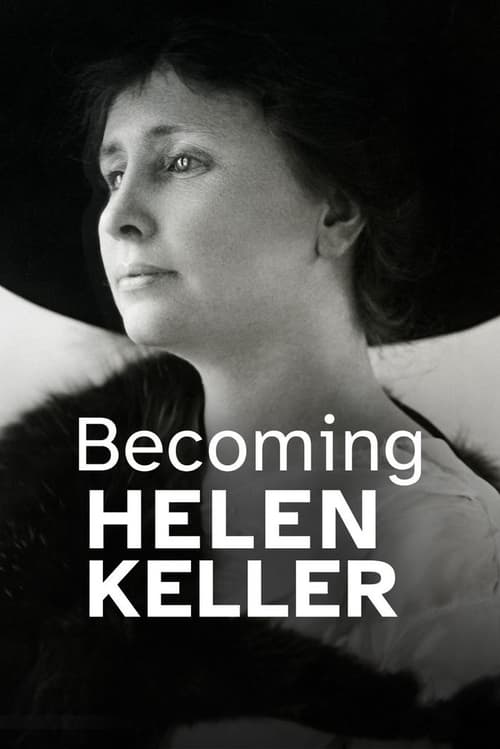
The life and legacy of Helen Keller, including how she used her celebrity to advocate for human rights and social justice for women, the poor and people with disabilities.
Becoming Helen Keller
A history of America’s Cold War, beginning in 1945, and evoking the cultural milieu in which the significant political events of that era emerged.
Are We Winning, Mommy? America and the Cold War
Narrated by Martin Sheen, this documentary assembles archival civil defense films, government propaganda, and educational footage from the Cold War era to examine how Americans were taught to prepare for nuclear attack. Through these materials, the film explores the promotion of fallout shelters and the official message that survival in a nuclear war was possible.