Klaus Härö
Directing
Biography
Klaus Härö is a Finnish film director. Härö studied film directing and screenwriting at the Aalto University School of Arts in Helsinki and graduated with a Master of Arts degree in 1999. Härö's graduation film Nattflykt (Into the Night) won the Children's Jury Honorary Mention at the 2000 Berlin Film Festival, The Golden Cairo Award at the 2001 Cairo Children's Film Festival and the first prize at the 2001 Argentine Children's Film Festival. Härö's documentary film Kolme toivetta (Three Wishes) was awarded as the best documentary film of the Nordic public service broadcasters exchange programme Norvision 2001. It also received the Joan Harms Honorary Award in Finland and the Telvis Honorary Award in 2002. In 2009 Postia pappi Jaakobille (Letters to Father Jacob) won both the special award of the church and the festival's audience vote at the 2009 Nordic Film Festival Lübeck. At the Mannheim-Heidelberg Film Festival in November 2009, the film won the main prize. In the same month, the film won the main prize, at the Cairo International Film Festival. Estonian-Finnish co-production Vehkleja (The Fencer), directed by Härö, was nominated for the Golden Globe Award for Best Foreign Film. It was also selected as Finland's official Academy Award nominee for Best Foreign Language Film.
Known For

The thorny relationship between a woman and her retired father worsens after he becomes romantically involved with the housekeeper she hires for him.
My Sailor, My Love

1942. The State of Finland has formed an alliance with Nazi Germany. An elderly man single-handedly tries to stop a secret attempt by the Finnish State Police to hand over Jewish refugees directly to the Gestapo.
Never Alone

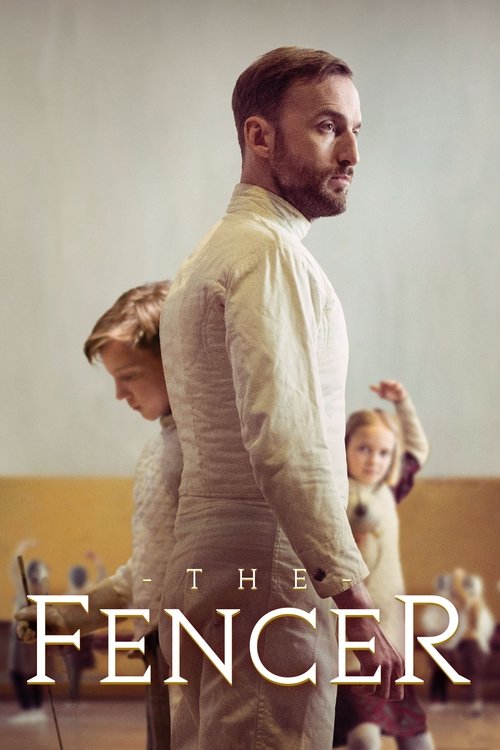
Fleeing from the Russian secret police, a young Estonian fencer is forced to return to his homeland, where he becomes a physical education teacher at a local school. The past however catches up and puts him in front of a difficult choice.
The Fencer

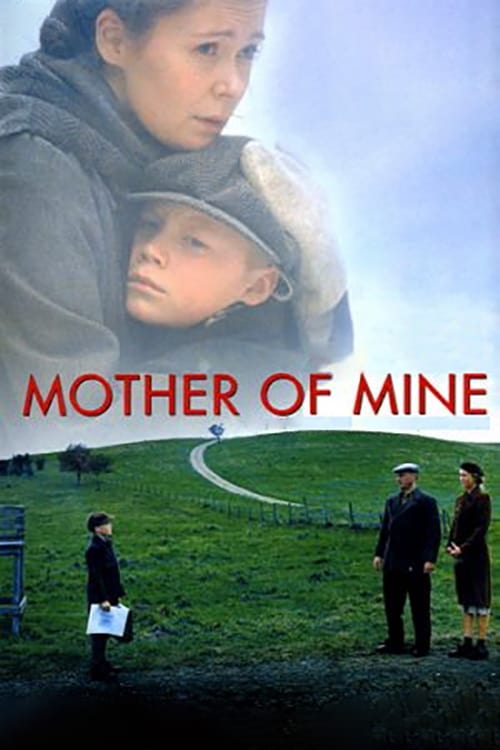
1943: Nine-year-old Eero whose father is killed during the war is brought to Sweden to foster parents to his protection like thousands of other Finnish children. Eero feels lost, particularly as his foster mother Signe behaves very unfriendly. She was expecting a little girl and still mourns for her daughter who drowned in the sea.
Mother of Mine

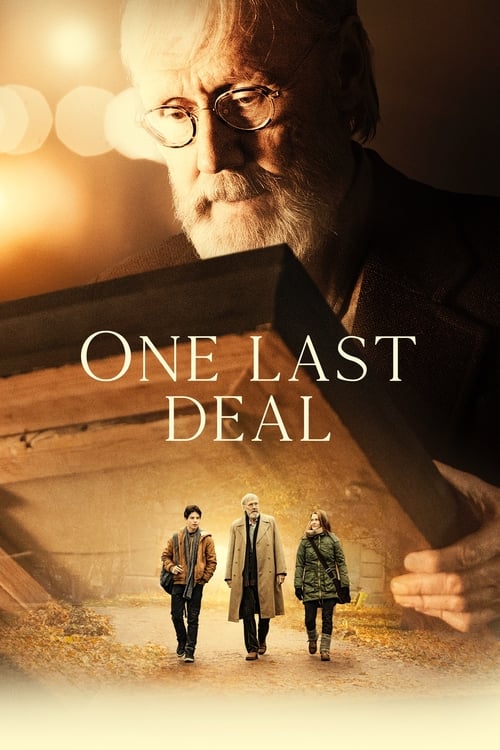
Olavi, an aged and shabby art dealer, is planning to retire. Accidentally he finds an old painting that he suspects being much more valuable than his colleagues have priced it. He decides to try to prove for the last time for himself, his colleagues and his estranged family that he can make it.
One Last Deal

With few options, newly pardoned convict Leila agrees to work as an assistant to a blind pastor. Father Jacob spends his days answering the letters of the needy, which Leila finds pointless. But when the letters stop, the pastor is devastated and Leila finds herself cast in a new role.
Letters to Father Jacob

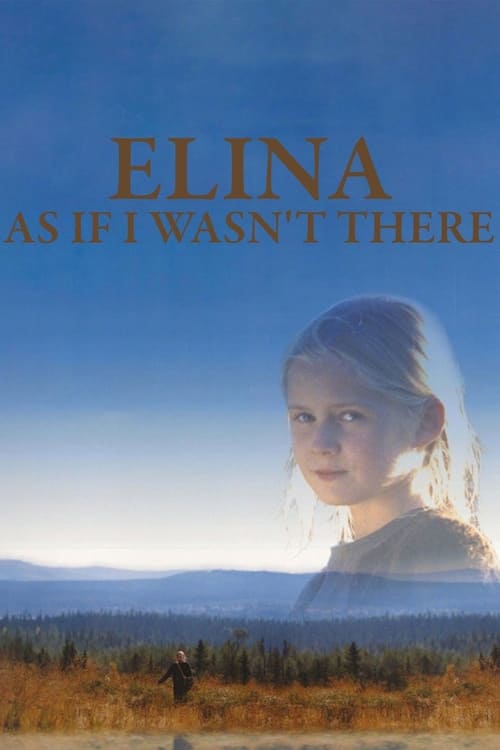
In rural Sweden of the early 1950s, little Elina goes to school again after recovering from tuberculosis, the same illness that has killed her father a few years earlier. Elina's family belongs to Finnish-speaking Finns frowned upon by a staunch schoolmistress who starts hounding Elina for questioning her authority. Elina's mother, sister, and a liberal young male teacher all try to mediate the ensuing battle of wills between Elina and Miss Holm. Elina finds consolation in wandering out on the dangerous marshlands to have imaginary conversations with her dead father. Written by Markku Kuoppamäki
Elina: As If I Wasn't There

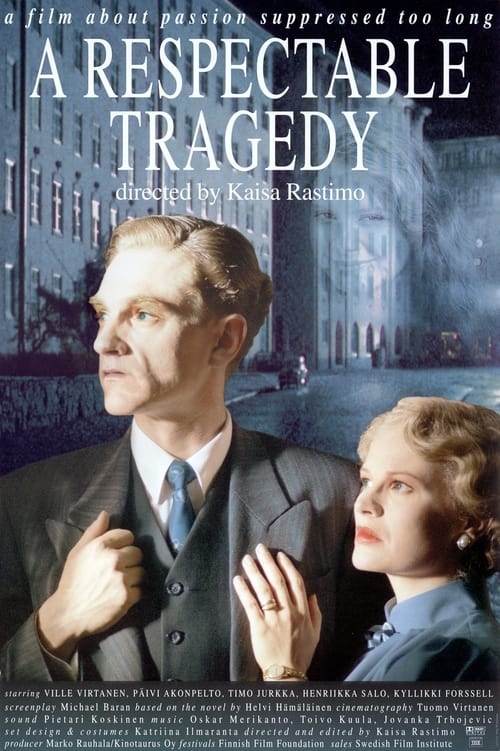
In the 1930s, middle-aged museum curator Tauno Saarinen yearns for a young beautiful maid and writes a lengthy confession about his feelings which he gives his wife Elisabet to read. Elisabet shows the writings to her husband's sister Naimi, an art critic who tries to reconcile with her ex-husband despite a spiteful mother-in-law. Meanwhile, things gets worse between Tauno and Elisabet when the young maid, seduced by Tauno, becomes pregnant. Based on a novel by Helvi Hämäläinen, first published in 1941 but partly censored until 1995 because allegedly based on true incidents involving well-known people.
A Respectable Tragedy

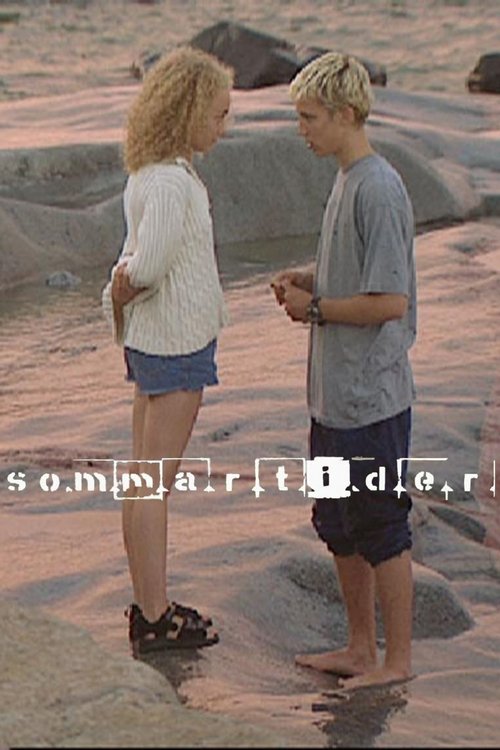
Mira and Johnannes, two young teenagers, have to spend Walpurgis Night in the hospital. Without knowing each other from before, they flee together from the pediatric ward to Mira's hiding place at the swimming pool, where they play and discuss their illnesses. They spend the night at the pool edge and, in the morning, are no longer the same.
Into the Night

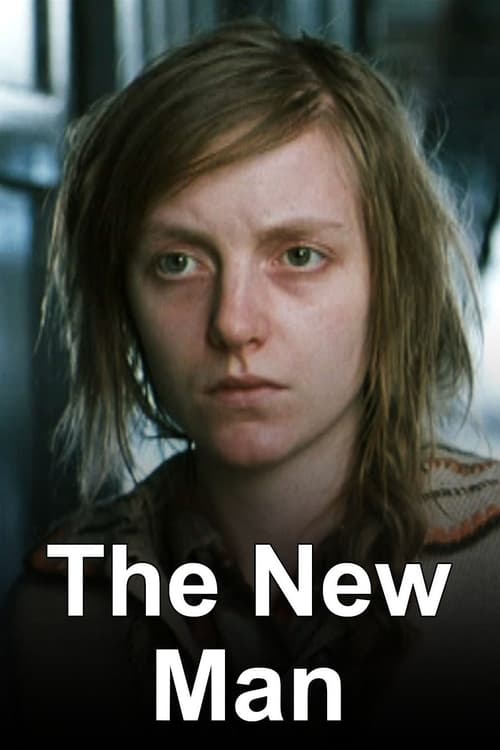
Sweden 1951. A new society is developing, a society where there is no room for the socially and mentally weak...
The New Man

A specialist nurse is given responsibility for a baby boy with a serious heart condition in the middle of nurses’ strike. She is left balancing between her own family, the baby boy and her loyalty for nurses’ cause.
Blue Baby

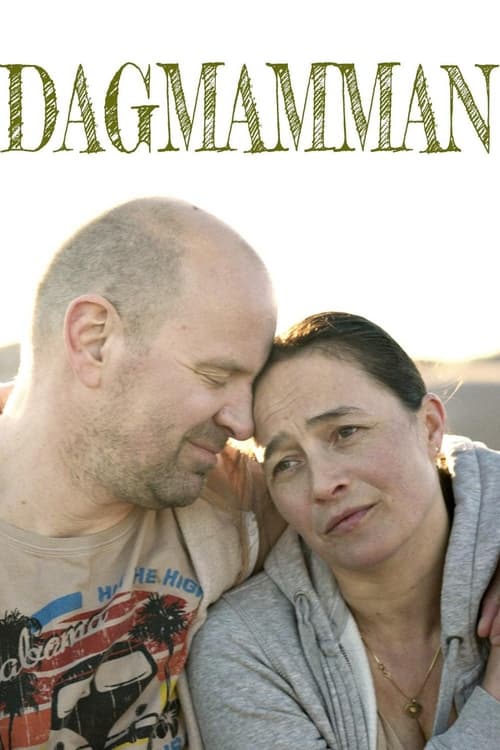
Malla and her husband are drifting apart. When Malla gets a new daycare child, she understands how lonely she is.
Dagmamman
The year is 1972. Finnish endurance running is in its golden age. The head physician of a mental hospital goes on a bike ride with a marathon runner who has been forgotten in hospital for years. But the ride doesn't follow the expected route...
Marathon

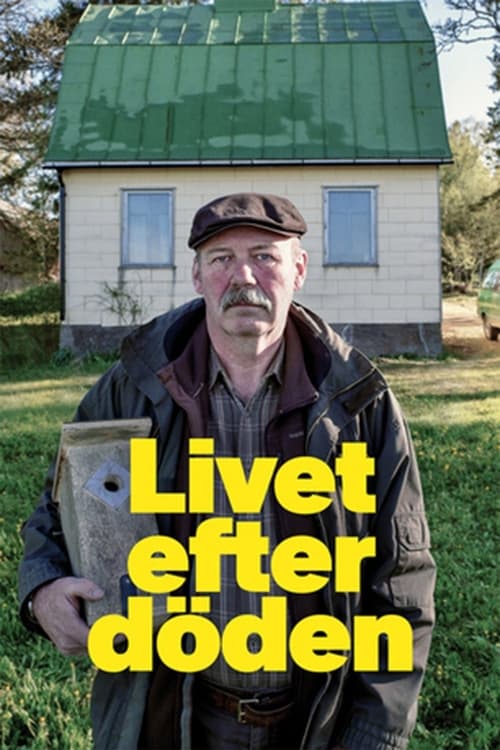
Nisse’s wife Leila has just died but he feels he’s done enough mourning. Friends and family are overrun by Nisse who just wants the funeral to be over and done with. No fuss and no mourning here! Nisse demands to be left alone. So, there he is, with the only thing remaining – the sorrow. Nisse grows to understand that even a deep loss is no excuse to eliminate everyone and everything.
Life After Death

Maria is an actress, someone who is used to playing with and acting on feelings, her own as well as others’. However, behind the role there is a disappointed person who does not feel she has achieved what she wanted in life. All this changes when she is cast for the leading role in a play.
The Leading Lady
When a minor German prince becomes an unlikely king candidate, the assignment to teach him the language of his future subjects seems purely formal at first. But as the offbeat candidate is elected king, the pupil and his tutor find themselves in the midst of ugly political intrigue. Ultimately, both of them have to give up their life dreams in order to save a nation from ruin.
The King of Finland

No description available.