Acting
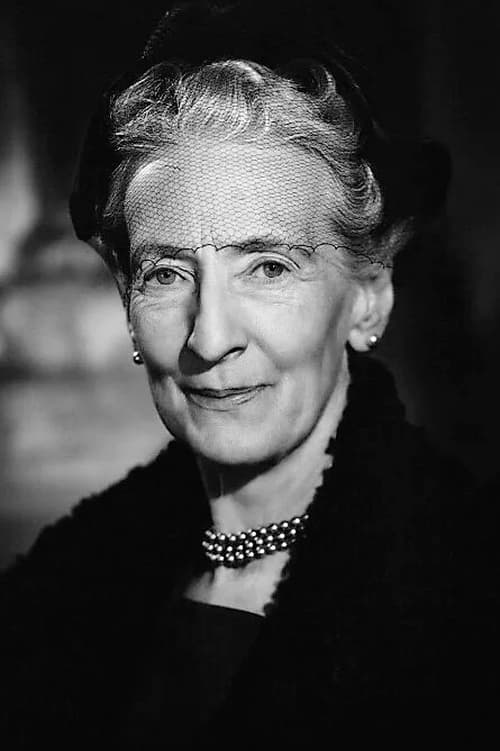
Doris Marjorie Fielding (17 February 1890 – 28 December 1956) was a British stage and film actress.
Sunday Night Theatre was a long-running series of televised live television plays screened by BBC Television from early 1950 until 1959. The productions for the first five years or so of the run were re-staged live the following Thursday, partly because of technical limitations in this era, and the theatrical basis of early television drama. Some of the earliest collaborations between Rudolph Cartier and Nigel Neale were produced for this series, including Arrow to the Heart and Nineteen Eighty-Four. The Sunday night drama slot was subsequently renamed The Sunday-Night Play which ran for four seasons between 1960 and 1963. ITV transmitted its own unrelated run of Sunday Night Theatre between 1971 and 1974.
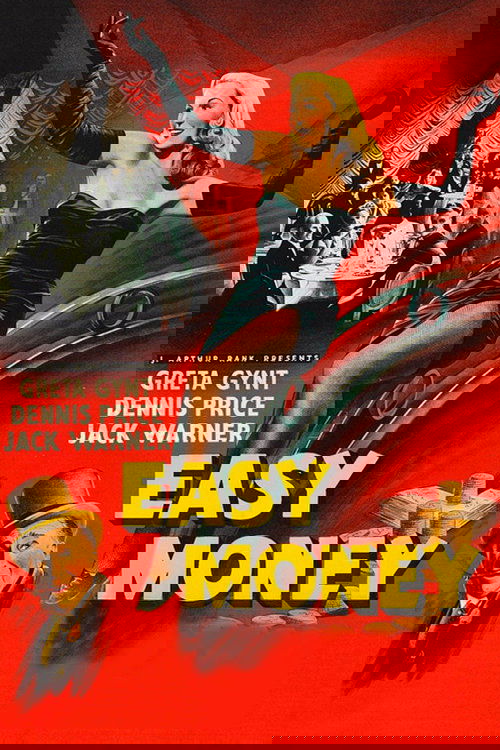
A meek bank clerk who oversees the shipments of bullion joins with an eccentric neighbor to steal gold bars and smuggle them out of the country.
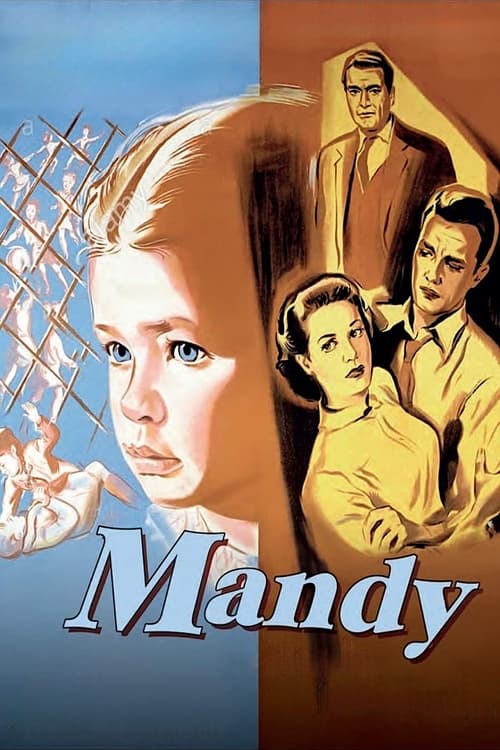
London, the early 1950s. Born deaf, Mandy is mute for most of her childhood. As she reaches school age her family itself is in danger of breaking up. Christine, Mandy's mother, has heard of a residential school for the oral education of the deaf.
Young Viscount Tony Pym wangles National Service leave on the pretext of standing as a Tory candidate for a local seat held by his family for generations. The request is a ruse to enable Pym to marry his wealthy American fiancee while she's still in England, but his masterplan backfires when he finds himself swept into an election campaign and beaten by Labour's Mr Cleghorn – who is then made a peer. In an attempt to save face, Pym decides to stand again – as a socialist. It all proves too much for the Pyms' loyal, true-blue butler, Mr Beecham...
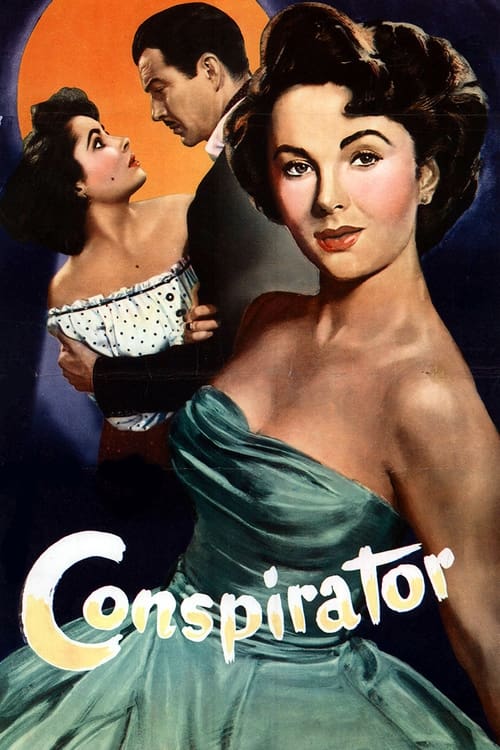
A newlywed suspects her husband of being a Communist spy.
A secret jet aircraft capable of traveling three times the speed of sound is being developed by a group of scientists. On the day of the test flight, one of the scientists dies in a mysterious accident, and there are many arguments concerning the flight itself; some think it should be ground-controlled while Heathley (James Donald) wants it to be a manned flight with himself at the controls. Conflict also arises when one of his fellow scientists, taking advantage of Heathley's lack of attention toward his wife, Lydia (Phyllis Calvert), makes some moves on her. Then there is the question of just who is the enemy agent on the project.
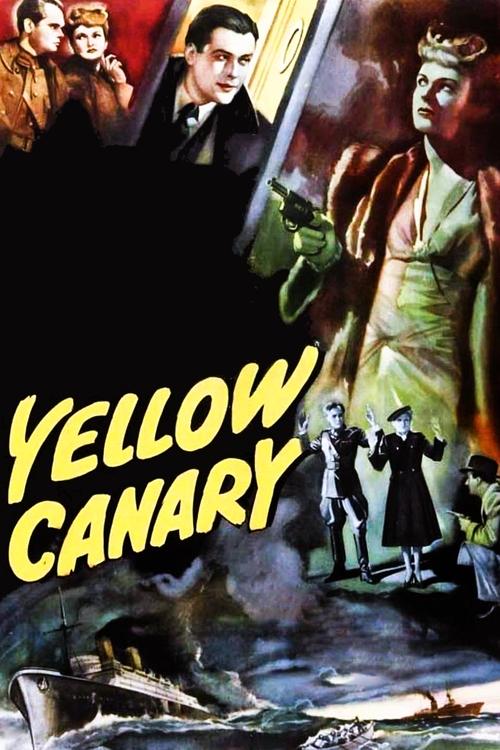
In 1940 Sally Maitland is forced to leave England, ostracised as a Nazi sympathiser by everyone including her well-to-do family. On the ship to Halifax, Canada, she is courted by Polish aristocrat Jan Orloch and by awkward British navel intelligence officer Jimmy Garrick. She shows herself somewhat more amenable to Orloch's advances, and agrees to meet his mother in Halifax. Once there however, it becomes clear no-one is really who they say they are.
Now old, ill, poor, and largely forgotten, William Freise-Greene was once young and handsome William Green. He changed his name to include his first wife's for the photographic portrait work he excelled at. But he was also an inventor and his search for a way to project moving pictures became an obsession that ultimately changed the life of all those he loved.
An American comes to Britain to investigate the murky circumstances of his brother's death that occurred during a WW2 commando raid.
Ivan Kouznetsoff, a Russian engineer, recounts during World War II his stay in England prior to the war working on a new propeller for ice-breaking ships. Naïve about British people and convinced by hearsay that they are shallow and hypocritical, Ivan is both bemused and amused by them. He is blunt in his opinions about Britons and at first this puts off his hosts, including the lovely Ann Tisdall, whose grandfather runs the shipbuilding firm that will make use of Ivan's propeller. The longer Ivan stays, however, the more he comes to understand the humor, warmth, strength, and conviction of the British people, and the more they come to see him as a friend rather than merely a suspicious Russian. As a romantic bond grows between Ivan and Ann, a cultural bond begins to grow as well, particularly as the war begins and Russia is attacked by Germany.
A win on the football pools in postwar Britain changes lives. A happy family is turned into an unhappy argumentative lot until it is discovered the coupon apparently didn't get posted. A mild-mannered clerk worries about how to tell his overbearing boss he is quitting. A double-bass player finds life without the orchestra lacks something. The lure of the big money even turns some people into criminals, as when a coupon checker is tempted by his night-club singer girlfriend to cheat the company. Written by Jeremy Perkins
After the 1715 defeat of the clans, one of the highland leaders, Rob Roy MacGregor escapes, has lots of adventures, gets married, and eventually becomes enough of a nuisance to George I to be outlawed, and hunted by the English
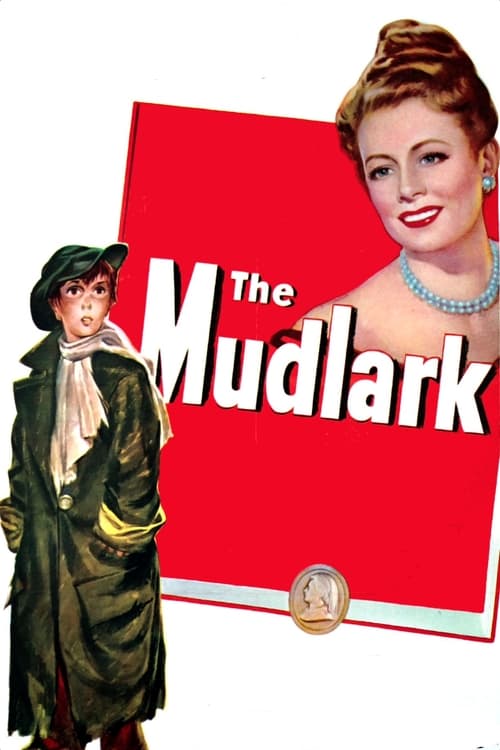
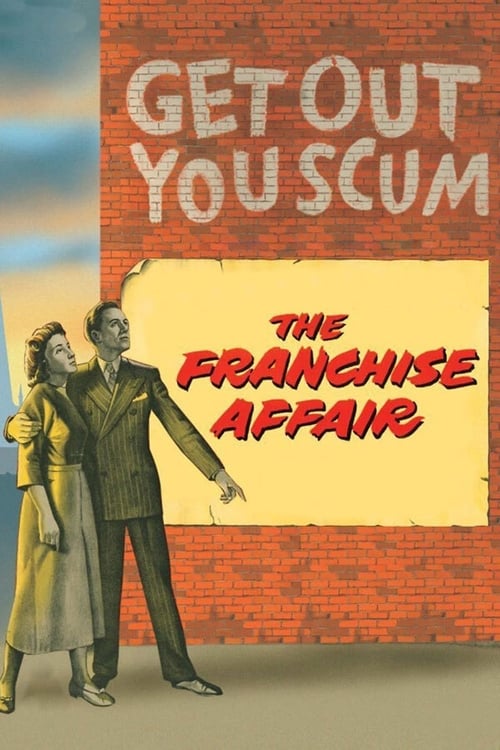
It's 1875 and a young street urchin wants to see Queen Victoria...
W. Somerset Maugham introduces three more of his stories about human foibles.
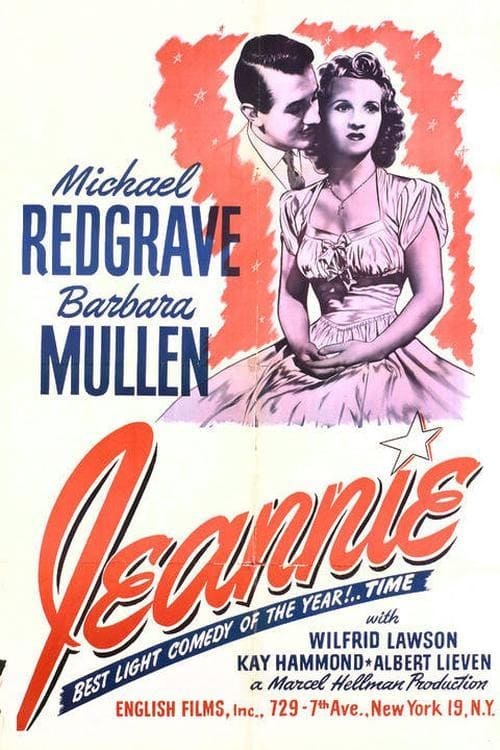
Based on Aimee Stuart's play. Little Scots girl decides to use her inheritance for a "grand tour" of the Continent.
An English country lawyer weighs the case of a schoolgirl who claims she was kidnapped by two women.
The three marriages of a woman: a young man who is killed, a priggish lawyer and a sympathetic barrister. From the novel by Francis Brett Young.
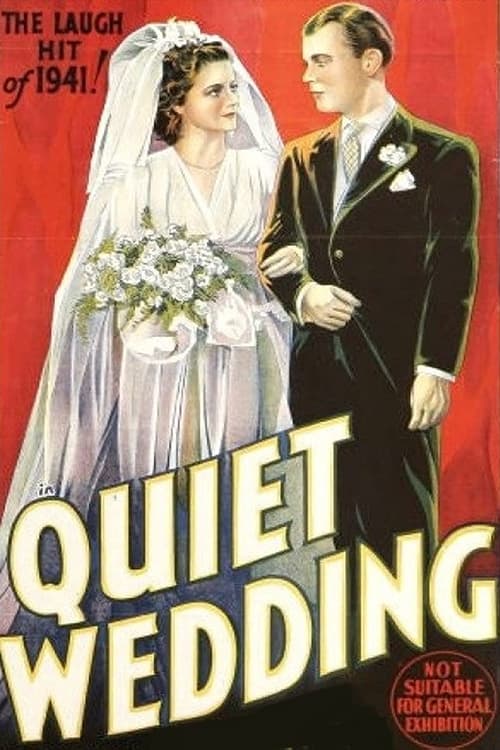
A young couple become engaged, but enjoy a number of comedic aventures before their wedding day.
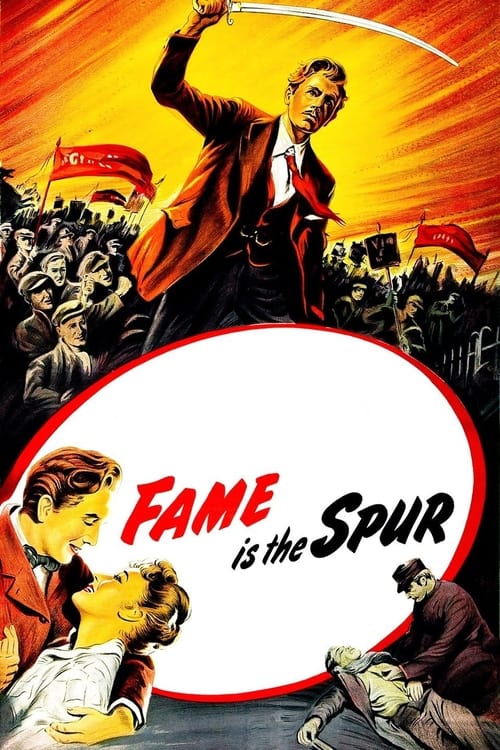
A politician rises rapidly to fame and fortune and discovers that power corrupts and ultimately becomes the very type of politician he had set out to displace.
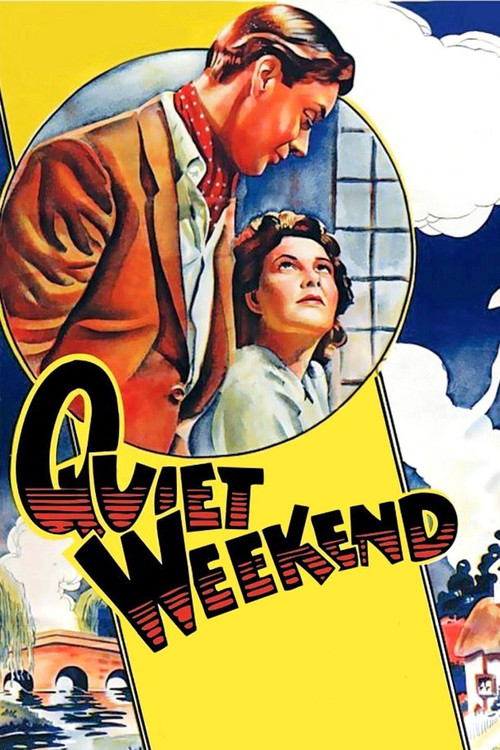
Comedy of a family trying to spend a country weekend which is disrupted by an unpleasant friend of the son.