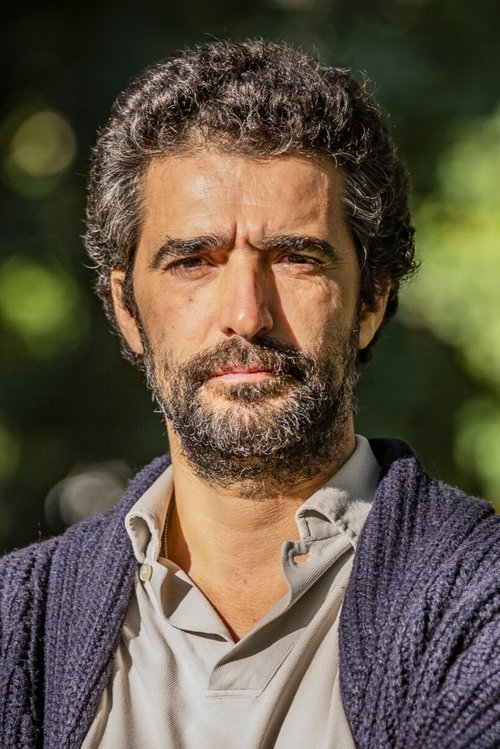
João Miller Guerra
Directing
Biography
Filipa REIS (1977) e João MILLER GUERRA (1974)live and work together in Lisbon, Portugal. They directed documentaries Fora da Vida (Best Portuguese Short Film IndieLisboa'15), Bela Vista (Best International Short Film FIDOC'13 and Honorable Mention MiradasDoc'13), Cama de Gato (Best Portuguese Short Film IndieLisboa'12 and Revelation Prize at Festival Luso-Brazilian Santa Maria film'12), Generation Orchestra, Nada Fazi (Best Portuguese Film Fantasporto'12 and audience Award Festival Cortex'12) and Li Ké Terra (Best Portuguese feature film DocLisboa'10 and Special Jury Mention MiradasDoc'11). Their films were presented at international festivals such as Cinéma du Réel, IDFA, DokLeipzig, Bordocs, forumdoc.bh, Festival dei Popoli, Film Look, Recife International Film Window, FIDBA, Dok.Fest, Molodist, Parnu, between others. Their first feature fiction film is currently in post-production. Together they have a film production company Uma Pedra no Sapato, responsible for films like Balada de um Batráquio, by Leonor Teles, who won the Golden Bear for Best Short Film at the Berlin Film Festival'16.
Known For

No description available.
Tudo ou Nada

In 1917 Burma (now Myanmar), a British diplomat is set to marry his fiancée, but after a sudden panic, escapes to Singapore, sending her on what evolves into a chase across Asia.
Grand Tour
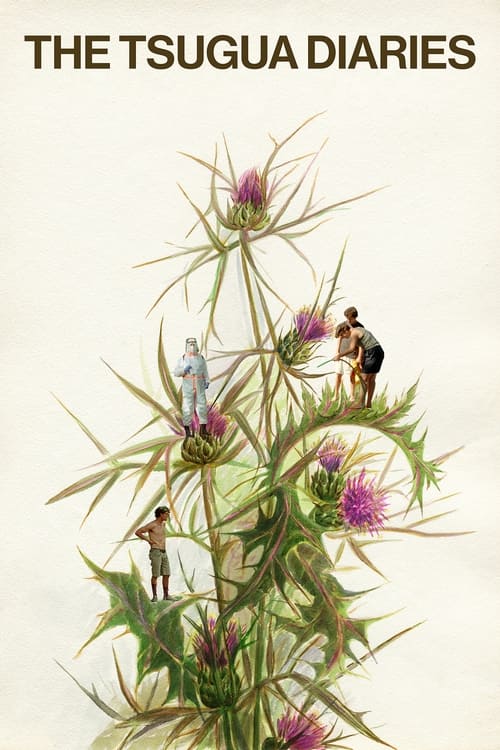
Crista, Carloto and João are building an airy greenhouse for butterflies in the garden. The three of them share household routines, day after day… And they are not the only ones.
The Tsugua Diaries
Her name is El - a name that sounds like a letter and makes the young androgynous woman a kind of representative of her generation. A generation that is overwhelmed by all the possibilities of the world, globalization and the digital stream. Lisbon is a promise of freedom, independence and an intense life. But the question of meaning brings doubt into everyday life: what if I were happier with someone else or called another place home? When home no longer feels like home, the search becomes routine. When El meets Kay after a break-up, in the midst of her search, their story together begins. Time, space and emotions implode in "Baan", blurring Lisbon with Bangkok, past with present.
Home
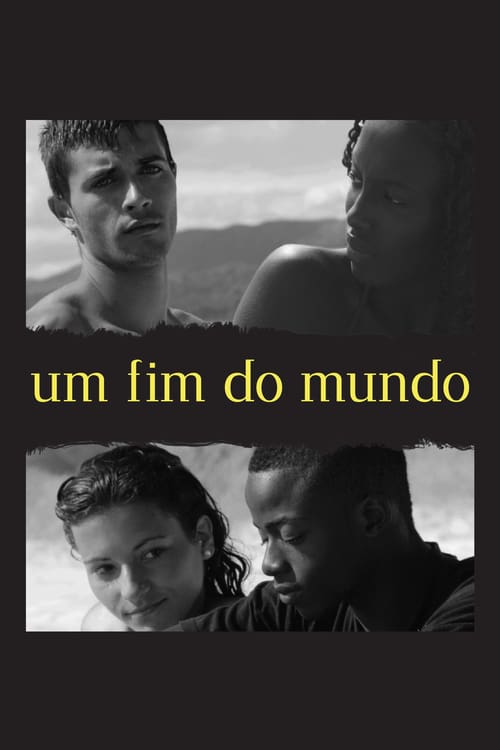
A portrait of the daily lives of young people living in a new-built estate on the outskirts of Lisbon. School is a joke and there’s no work to be had anyway, so the girls try to have fun as best they can. New-girl Eva is very pretty but quiet. The others aren’t sure at first whether she’s arrogant or just shy. Iara and Eva head off to the beach with two boys. The lads turn a couple of abandoned shopping trolleys into racing chariots for them and the atmosphere begins to tingle. Later, they argue with the rest of the group. The other girls manage to get into a club that night but the boys don’t and must kick their heels outside. They’re bent on revenge. They meet up with Eva and go back to her place.
The End of the World

At an old manor house in northern Portugal, Ana helps her friend, Emília, the elderly housekeeper who is determined to continue to keep the unoccupied house in order for the owners who are never there. As the seasons turn, Mónica, Ana's daughter, challenges her mother's choices and the three generations of women search to understand where they belong in a world that is rapidly fading, where the cycle of life is renovated only through inevitable endings.
Légua

Ashore portrays the life of a singular fisherman in an ancient riverfront community near Lisbon. Divided between the quiet solitude of the river and the family ties that wash him ashore, the film follows Albertino Lobo, as nature renews itself with each season cycle.
Ashore
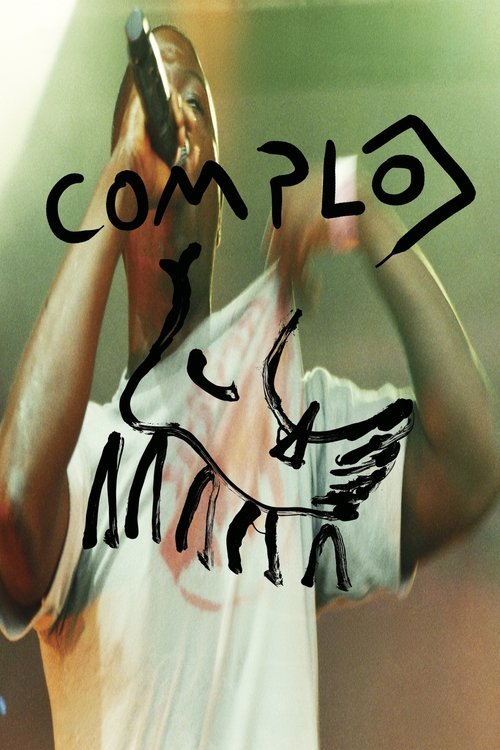
Orphan of the country where he was born, orphan of the Portuguese state. Imprisoned for half his life, never free. Bruno is ‘Ghoya’, a Cape Verdean Creole rapper and political activist. This film is a crossroads in a moment of struggle and life.
Complô

1975, the year after the Carnation Revolution. Eduarda, João and Mick come from Northern Europe to work in the co-ops in the occupied farms of central Portugal. Like many others, they come to help with the land and the livestock, give medical appointments, family planning classes, show sexual education films and participate in the traditional dances. They bring a great deal of questions, but the “comrades from the South”, in turn, have more questions than answers.
A Pleasure, Comrades!
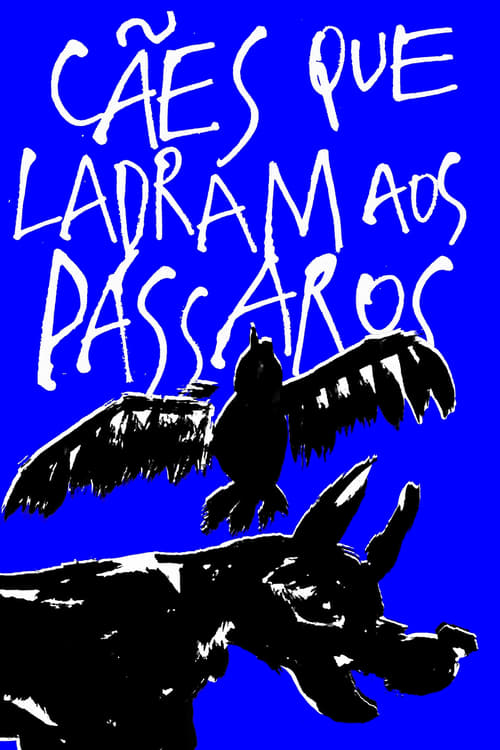
School is over and there's a hustle in the air. In Porto, tourists fill up the streets and cafés. The old and decadent are now the highlights of the city’s gentrification. Vicente moves around town on his bike and watches the urban changes happening day to day. The town is no longer the same, the world is changing and so is he. Among his family and friends, Vicente lives with anticipation the first days of summer and the beginning of a new life.
Dogs Barking at Birds
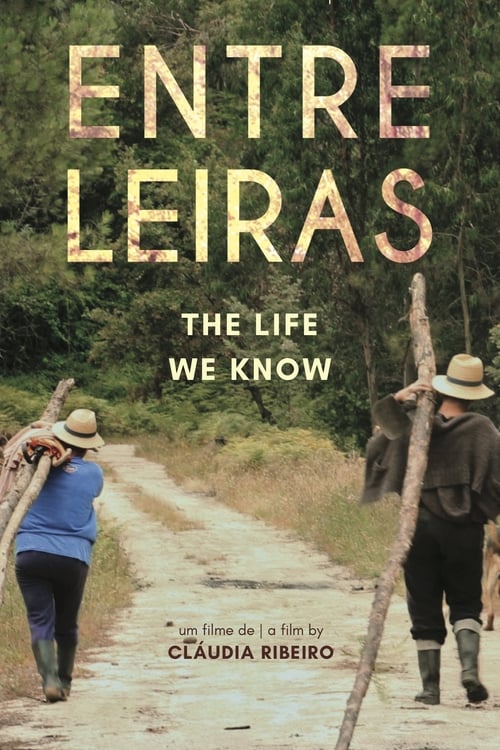
Cláudia Ribeiro spent seven months – since the time of plantation till the crops – capturing the work in the fields of the sisters Ana e Glória, in Passinhos de Cima, between the rivers Douro and Tâmega. It is an isolated place, where the baker, the fish seller, the grocer and their sons visit once a week. This a film on a way of life, the subsistence agriculture, but also about the humour and the ironies of representation and hospitality.
The Life We Know

“Once upon a time, before people came along, all the creatures were free and able to be with one another”, narrates the voiceover. “All the animals danced together and were immeasurably happy. There was only one who wasn’t invited to the celebration – the frog. In his rage about the injustice, he committed suicide.” Something Romani and frogs have in common is that they will never be unseen, or stay unnoticed. In her film, young director Leonor Teles weaves the life circumstance of Romani in Portugal today with the recollections of a yesterday. Anything but a passive observer, Teles consciously decides to participate and take up position. As a third pillar, she establishes an active applied performance art that becomes integrated in the cinematic narrative. Thereby transforming “once upon a time” into “there is”. “Afterwards, nothing will be as it was and the melody of life will have changed”, explains a voice off-camera. Golden Bear for Best Short Film 2016
Batrachian's Ballad

Ubu, instigated by his wife, murders King Venceslau and usurps the throne of Poland. Intoxicated by power, this grotesque and coward character conducts his reign in an absurd and cruel way, leading his kingdom to ruin. A cinematographic adaptation of Alfred Jarry’s play, a political satire that, cyclically, turns to the reality of world politics.
Ubu
(within the project URB) CIDADE is a TV series that takes place in the diverse, urbanistically chaotic and multicultural periphery of Lisbon. Each episode has for landscape and dramatic background the everyday-life in the social housing neighborhoods and shanty towns of Lisbon. It explores the infinite possibilities of narratives and characters generated by the daily confrontation of the normal life of the city with several layers of cultural heritages and lifestyles, brought by different waves of migration. A network of interconnected characters, families and ties makes the narrative to evolve and illustrates the cultural, artistic, social and economic explosion that we are about to live in here.
Cidade
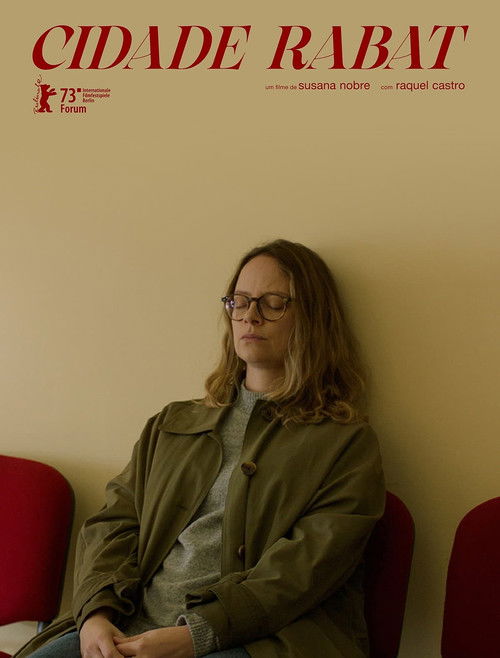
When her mother dies, 40-year-old Helena now has time for herself after years of taking care of her family. She works at a film production company, dances boisterously, gets drunk. A quiet film about letting go morphs into a coming of middle age story.
Cidade Rabat
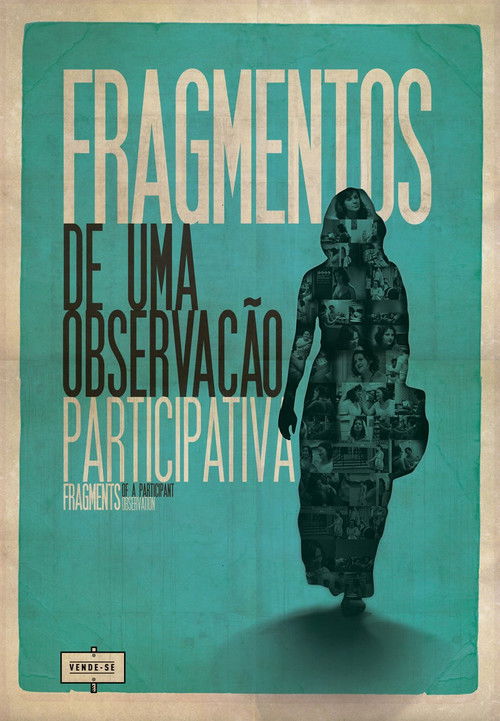
While observing others, Paula is also, herself, observed. ' Know the difference between an old maid and a spinster? The old maid does not have a choice. '
Fragmentos de Uma Observação Participativa

By the director: "Ar.Co embodies each person’s geography, it escapes normalisation. Each individual’s experience is his own. This film is my experience, our experience. Pieced together from the school’s archive, from recordings of classes by Manuel Castro Caldas and from conversations at home."
The Indispensable Practice of Vagueness
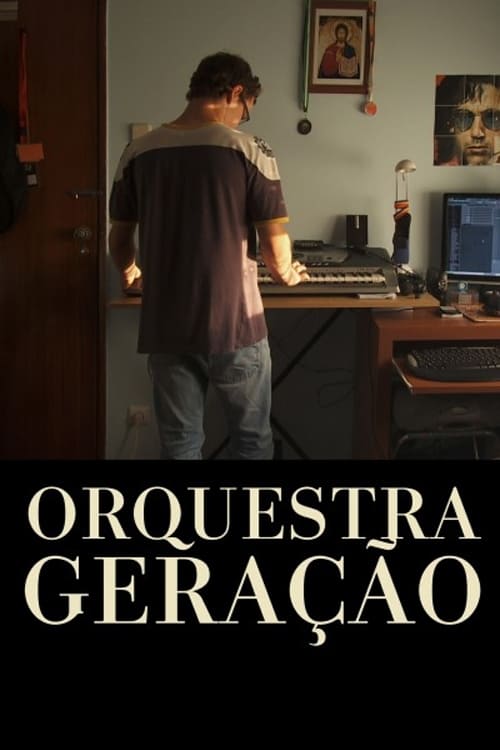
Generation Orchestra is a portrait of the impact of an initiative by the same name students from the Miguel Torga School, in Amadora. The initiative was inspired by the international project Orquestra Simon Bolivar, the apex of the National Network of Youth and Children's Orchestras of Venezuela. Ana, Daniel, Diogo and Monica take part in Generation Orchestra and devote themselves to a project that breaks with the formatted context of public schooling and becomes an indispensable part of their lives. From the onset, starting with Drama classes, we discover their dreams, their relationship with music and their sense of truly belonging to a group.
Orquestra Geração
Miguel —alias Tibars, alias “Djon África,” born and raised in Portugal— is a kindhearted Rastafarian who loves women and lives a carefree life. Until one day a stranger tells him he's the spitting image of his father, “a player and a crook.” His father, whom he never even knew! This intriguing discovery makes him change tack. Particularly when his grandmother, who always took care of him, finally tells him how his father was in prison; how sad Miguel was as a toddler when he couldn't see him; how his father was banished to Cape Verde. Miguel goes there to visit him. Who is this man?
Djon Africa
Three researchers embark on a study, "10 Years of Social Reintegration in the Casal of Boba neighborhood". A film camera used for their research is stolen and, as it is passed from hand to hand, records a crime. Nada Fazi (Creole for "It's inevitable") is a shared and fragmented view of the day-to-day life of a neighborhood. An outside view that morphs into an intimate journey through the lives of a group of youths.