Acting
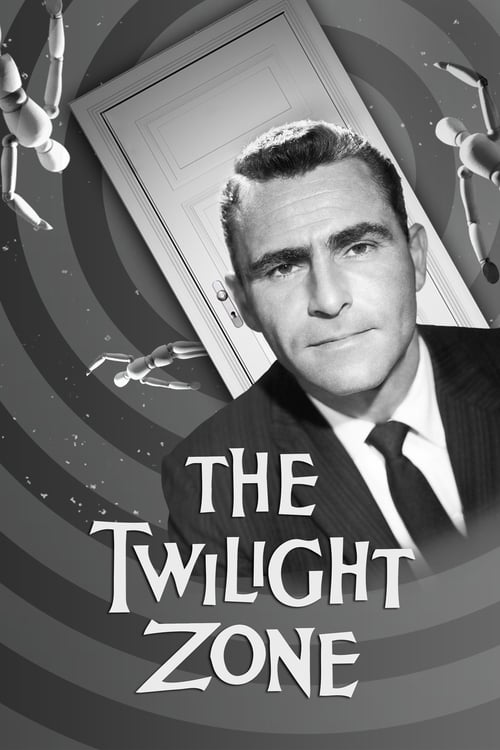
An anthology series containing drama, psychological thriller, fantasy, science fiction, suspense, and/or horror, often concluding with a macabre or unexpected twist.
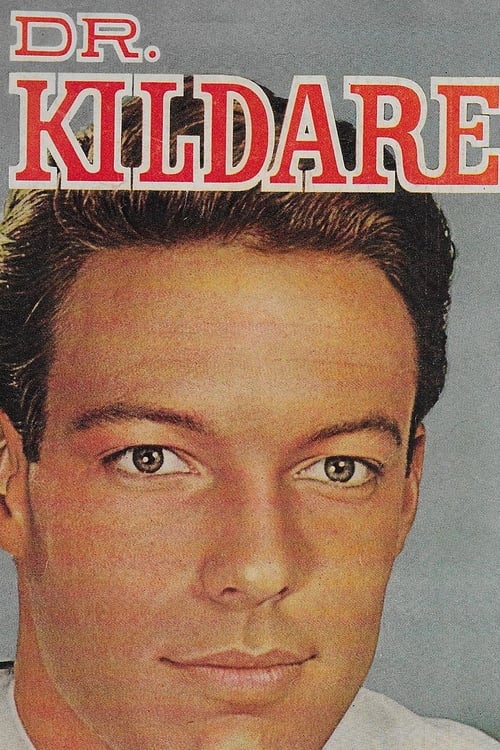
The story of a young intern in a large metropolitan hospital trying to learn his profession, deal with the problems of his patients, and win the respect of the senior doctor in his specialty, internal medicine.
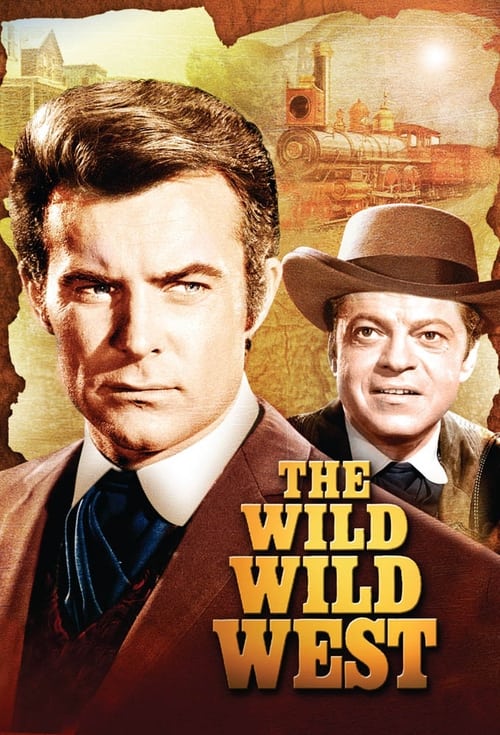
During the administration of President Ulysses Grant, Secret Service agents James West and Artemus Gordon solve crimes, protect the President, and foil the plans of megalomaniacal villains to take over all or part of the United States.
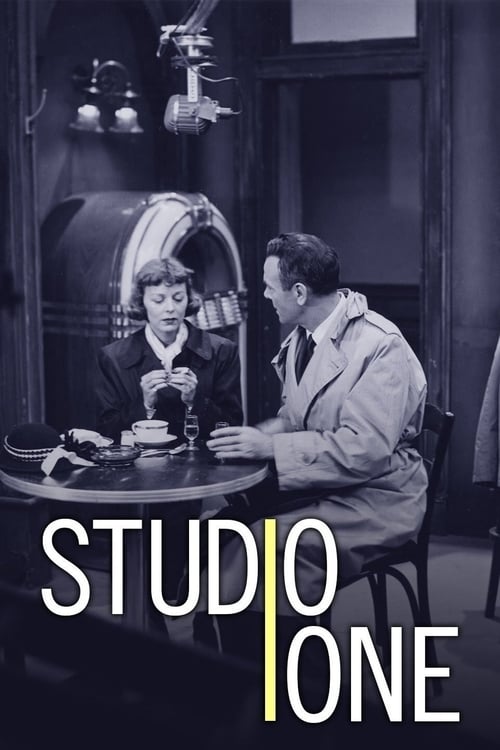
An American radio–television anthology series, created in 1947 by Canadian director Fletcher Markle, who came to CBS from the CBC. Studio One, presented by Westinghouse, was one of the first of the anthology TV programs. The episodes were often abridged remakes of movies from years gone by and many future well-known television and movie actors appeared in the productions.
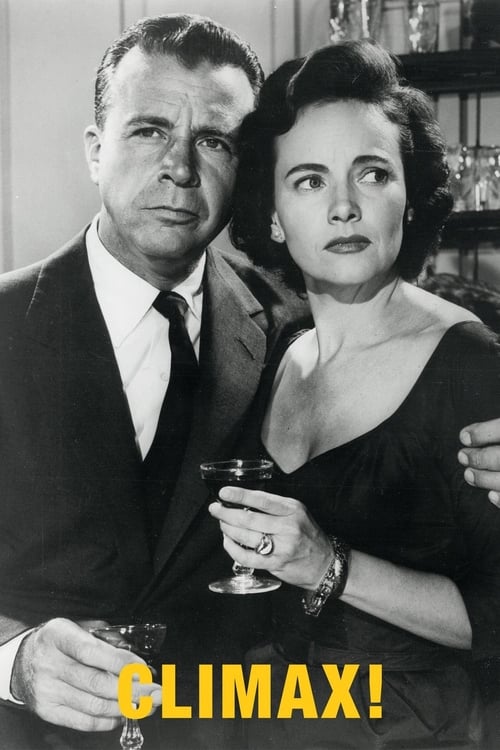
Climax! is an American anthology series that aired on CBS from 1954 to 1958. The series was hosted by William Lundigan and later co-hosted by Mary Costa. It was one of the few CBS programs of that era to be broadcast in color. Many of the episodes were performed and broadcast live.
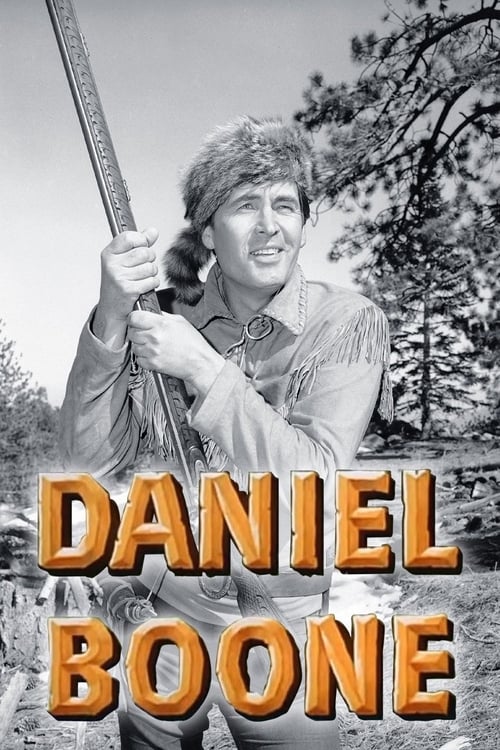
Daniel Boone is an American action-adventure television series starring Fess Parker as Daniel Boone that aired from September 24, 1964 to September 10, 1970 on NBC for 165 episodes, and was made by 20th Century Fox Television. Ed Ames co-starred as Mingo, Boone's Cherokee friend, for the first four seasons of the series. Albert Salmi portrayed Boone's companion Yadkin in season one only. Dallas McKennon portrayed innkeeper Cincinnatus. Country Western singer-actor Jimmy Dean was a featured actor as Josh Clements during the 1968–1970 seasons. Actor and former NFL football player Rosey Grier made regular appearances as Gabe Cooper in the 1969 to 1970 season. The show was broadcast "in living color" beginning in fall 1965, the second season, and was shot entirely in California and Kanab, Utah.
Tarzan is a series that aired on NBC from 1966 – 1968. The series portrayed Tarzan as a well-educated character, one who, tired of civilization, had returned to the jungle where he had been raised. The show retained many of the trappings of the classic movie series, including Cheeta, while excluding other elements, such as Jane, as part of the "new look" for the fabled apeman that producer Sy Weintraub had introduced in previous motion pictures starring Gordon Scott, Jock Mahoney, and Mike Henry. CBS aired repeat episodes the program during the summer of 1969.
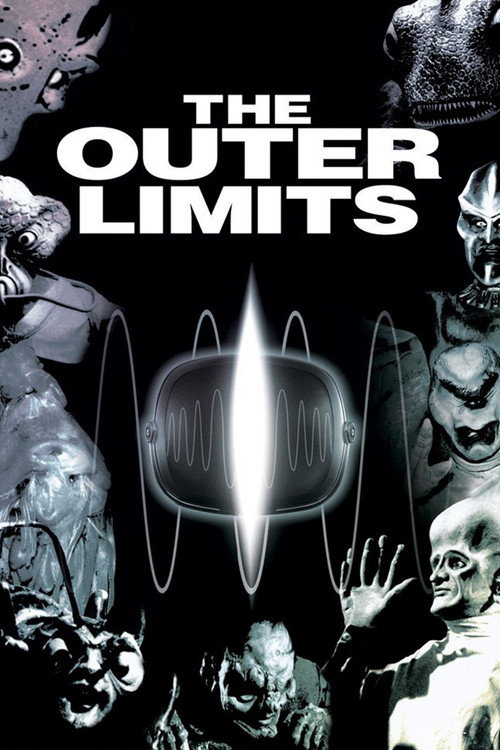
The Outer Limits is an anthology tv series of self-contained sci-fi-horror stories, sometimes with a plot twist at the end.
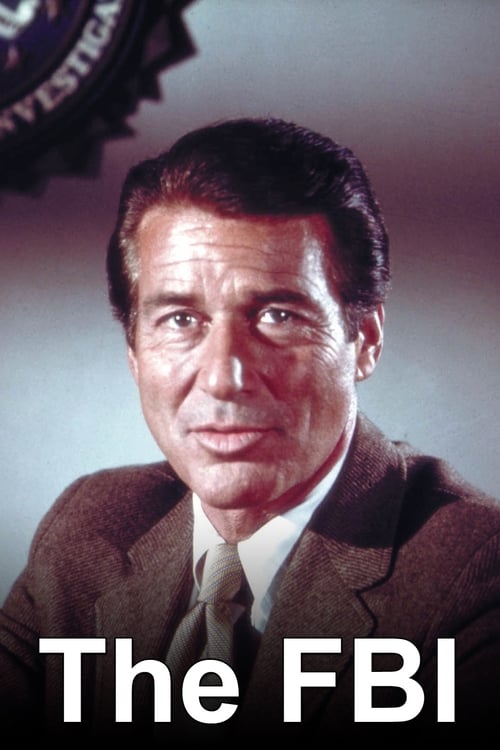
The F.B.I. is an American television series that was broadcast on ABC from 1965 to 1974. It was sponsored by the Ford Motor Company, and the characters almost always drove Ford vehicles in the series. Alcoa was co-sponsor of Season One only.
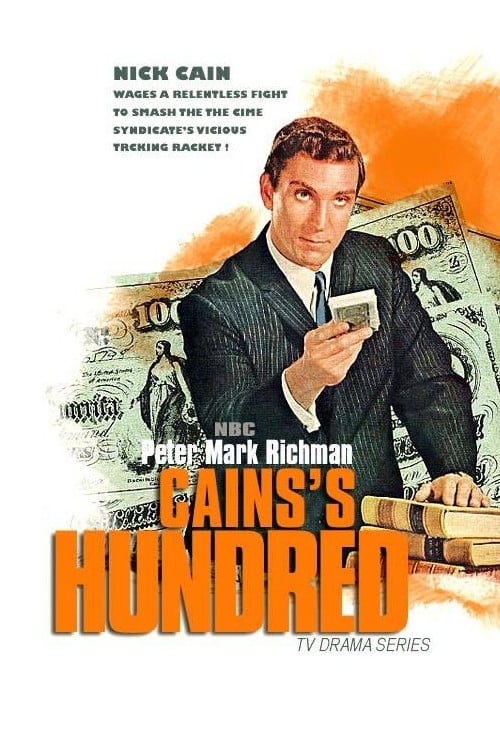
A former underworld lawyer goes to work for the Federal Government, determined to bring 100 top criminals to justice.
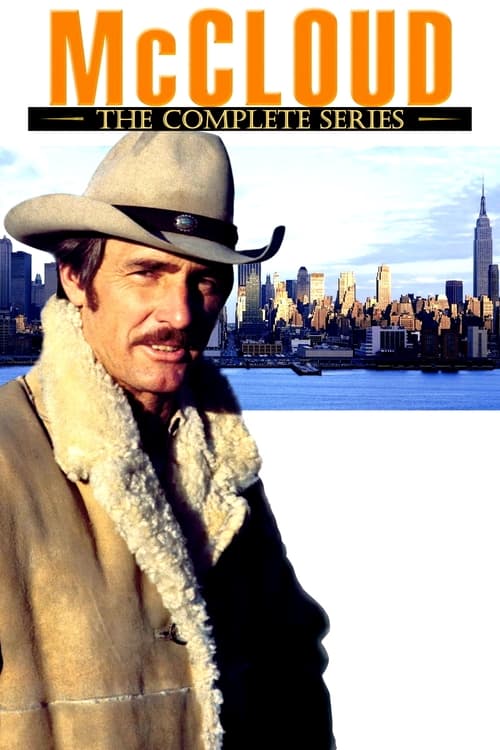
Deputy Marshal Sam McCloud of the small western town of Taos, New Mexico is assigned to the metropolitan New York City Police Department (NYPD) as a special investigator.
A television anthology series hosted by Alfred Hitchcock featuring dramas, thrillers, and mysteries.
Lux Video Theatre is an American anthology series that was produced from 1950 until 1959. The series presented both comedy and drama in original teleplays, as well as abridged adaptations of films and plays.
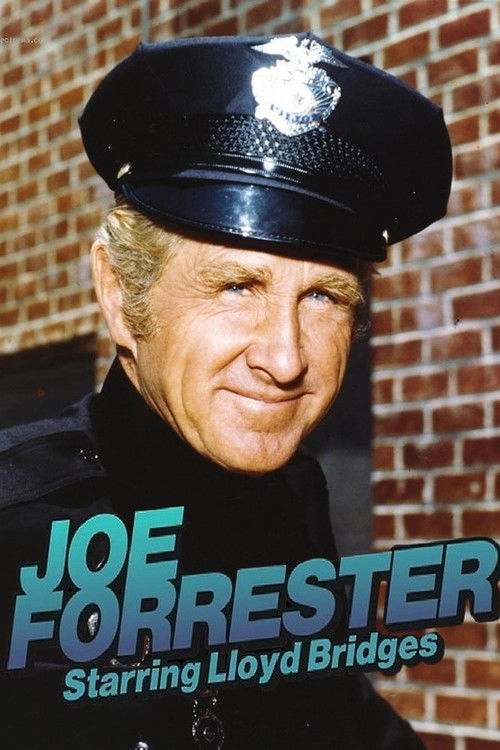
Beat cop Joe Forrester walks the mean streets of Los Angeles.
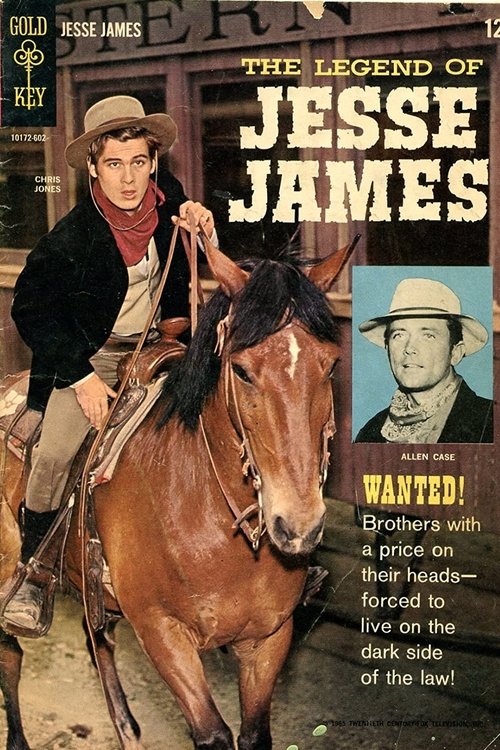
The Legend of Jesse James is an American western series starring Christopher Jones in the tile role of notorious outlaw Jesse James. The series aired on ABC from September 13, 1965, to May 9, 1966. Allen Case joined Jones as Jesse's brother, Frank James.
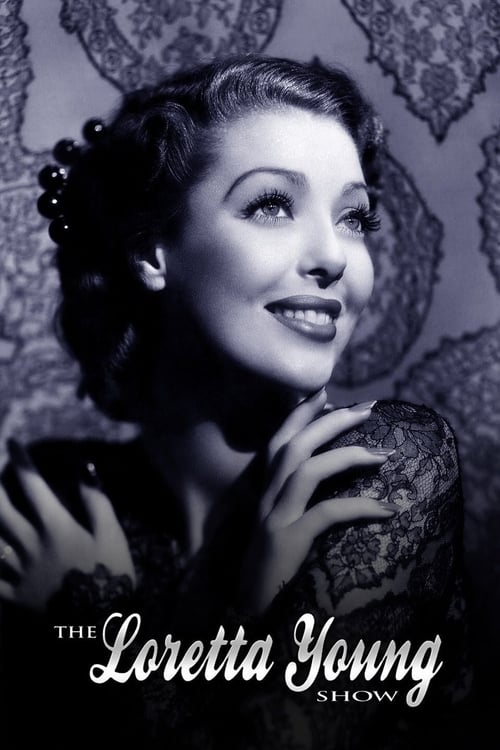
Letter to Loretta is an American anthology drama series telecast on NBC from September 1953 to June 1961 for a total of 165 episodes. The filmed show was hosted by Loretta Young who also played the lead in various episodes. Letter to Loretta was sponsored by Procter & Gamble from 1953 through 1960. The final season's sponsor was Warner-Lambert's Listerine.
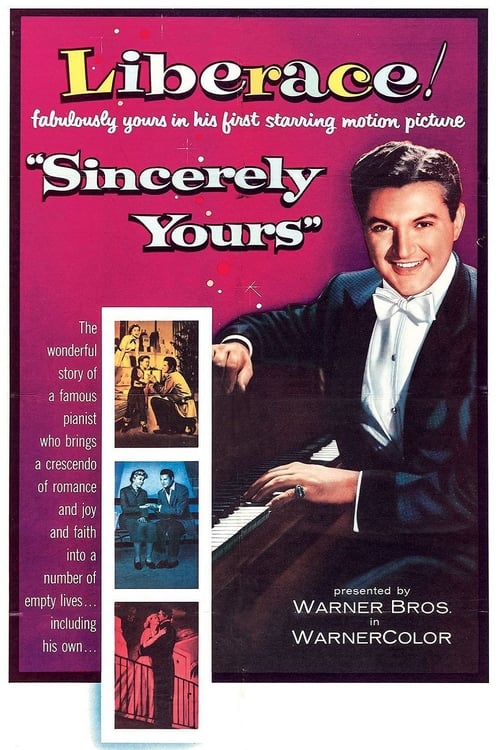
He dazzled America for decades with his musical artistry. Now fans as well as those curious about this exciting entertainer’s unique appeal can relive the Liberace magic in his only starring film, Sincerely Yours. In a poignant story scripted by Irving Wallace, Liberace plays a concert pianist threatened by deafness. Plunged into despair, he finds escape from personal sorrow by secretly involving himself in the problems of strangers. Liberace touches the heart and delights the ear with sparkling renditions of 31 selections from Chopin to Chopsticks. Along the way he romances Joanne Dru and Dorothy Malone, trades barbs with old pro William Demarest and in a warmly humorous nightclub scene, pokes fun at his own image as the 1950s matinee idol of the little-old-lady set. From beginning to end, Sincerely Yours perfectly captures the charisma and sheer musicality of the legendary Mr. Showmanship.
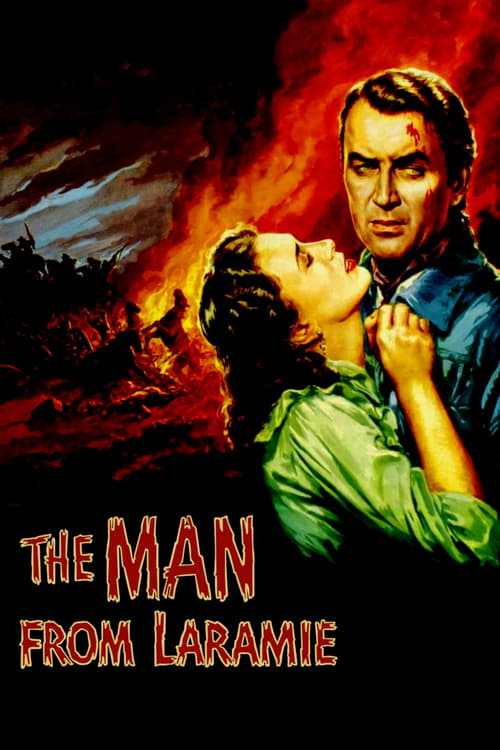
Will Lockhart arrives in Coronado, an isolated town in New Mexico, in search of someone who sells rifles to the Apache tribe, finding himself unwillingly drawn into the convoluted life of a local ranching family whose members seem to have a lot to hide.
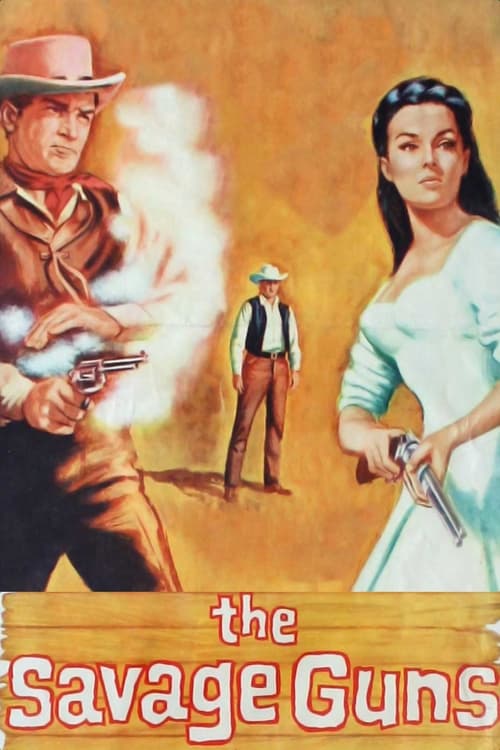
This Western is set in the Mexican valley of Sonora not that far south of the state of Arizona. It's just after the American Civil War, and a former Confederate officer, Mike Summers has taken refuge in a small town in the valley. He has married and is hoping to live in peace the rest of his life. Instead, he and his wife and the rest of the town are suffering the depredations of a brutal gunman, Danny Pose, and his gang of outlaws. Summers holds off picking up a gun because of his personal vow of non-violence. But the situation deteriorates and a new ally comes into the picture, Steve Fallon, a wandering gunslinger who may not be able to handle the bad guys alone.
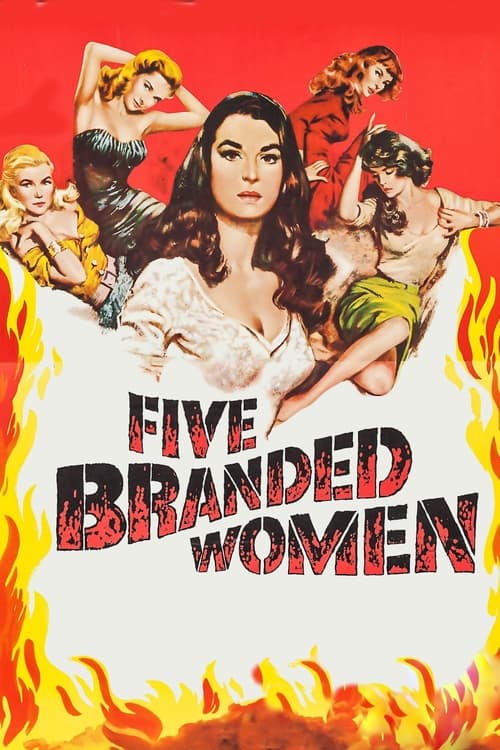
Five Yugoslav women who consorted with the German occupiers are publicly humiliated and banished by the Yugoslav partisans but they take up arms to fend for themselves.