Acting
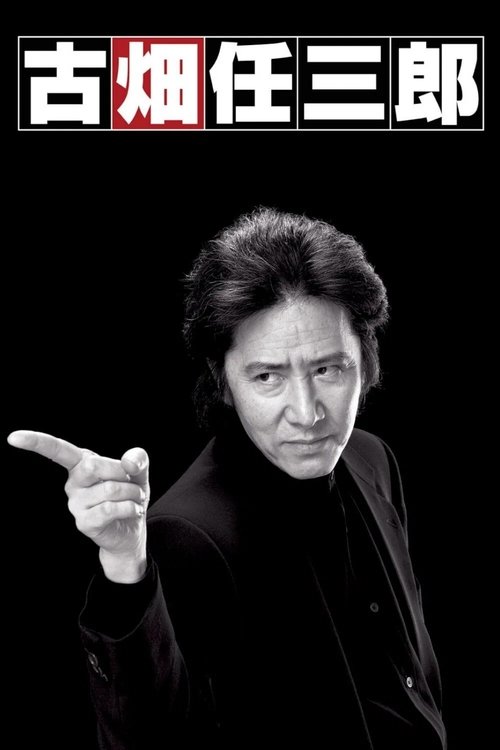
Furuhata Ninzaburō is a Japanese television series that ran periodically on Fuji Television from 1994 until its final episodes in 2006. It was written by Japanese playwright Kōki Mitani and is often referred to as the Japanese version of Columbo. The series is a police detective drama starring actor Masakazu Tamura as Furuhata Ninzaburo and Masahiko Nishimura as his stereotypically bumbling sidekick, Shintaro Imaizumi. The program aired weekly and featured a guest villain each time, usually a famous talent in Japan. Pop-stars like SMAP, television hosts like Sanma Akashiya and even sports figures like Ichiro Suzuki have been featured on this program. It was one of the most popular television dramas in the history of Japanese television, having spawned several seasons and TV specials.
Late in the 1500s, an aging tea master teaches the way of tea to a headstrong Shogun. Through force of will and courageous fighting, Hideyoshi becomes Japan’s most powerful warlord, unifying the country.
He was the pride of his police department as the number one armed robbery buster... until he had his heart broken by the sudden flight of a fiancee from his life. Now "Detective Lovesick" finds his crime-fighting mojo and his chance at rising through the police hierarchy slipping away. Spending his days in a desperate search for the love of his life, Detective Lovesick is a man in love with himself and idolizes his drinking buddy, who is a romance psychologist. He loses himself to love easily, even at work, falling for every femme fatale he investigates and after a lot of hair pulling, ending each case with a marriage proposal. "Marry me or be under arrest." But will any woman accept such a proposal? Suspense, comedy and romance all converge in a libido-rich police drama unlike any you've ever seen.
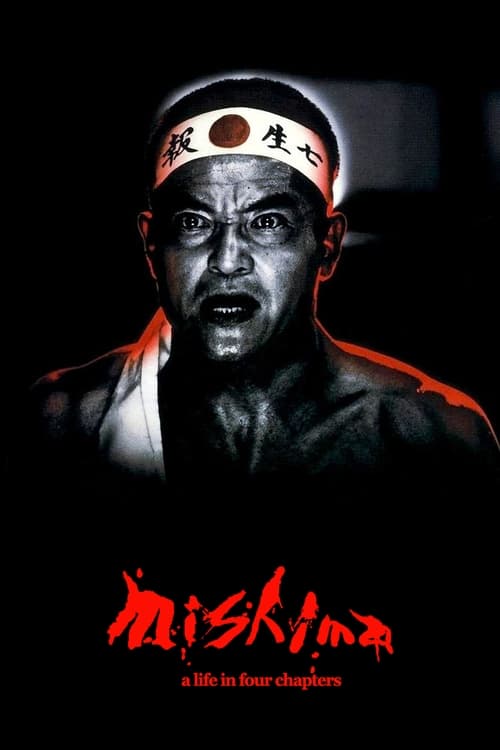
A fictional account of the life of Japanese author Yukio Mishima, combining dramatizations of three of his novels and a depiction of the events of November 25th, 1970.
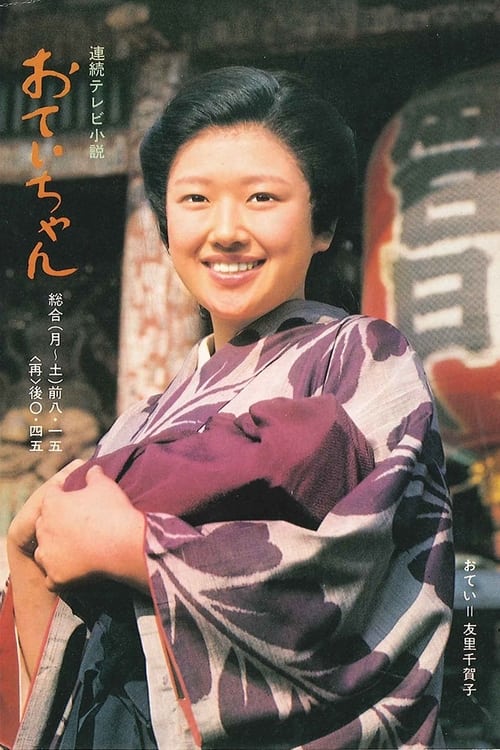
The 21st NHK Asadora. Starring Chikako Yuri in a dramatization of the life of Sadako Sawamura.
Admiral Isoroku Yamamoto (1884-1943) was the Japanese Naval commander who was given the order to attack Pearl Harbour, an order he was duty bound to obey which went against his own personal beliefs. While this infamous attack is a low point in Japanese and US history it wouldn’t have happened if the Japanese government had listened to Yamamoto in 1939 and searched for a more peaceful way to end their war campaign, proving his many ominous presages of the outcomes of the attack to come true.
A look at the relationship between a young blind samurai and his wife, who will make a sacrifice in order to defend her husband's honor.
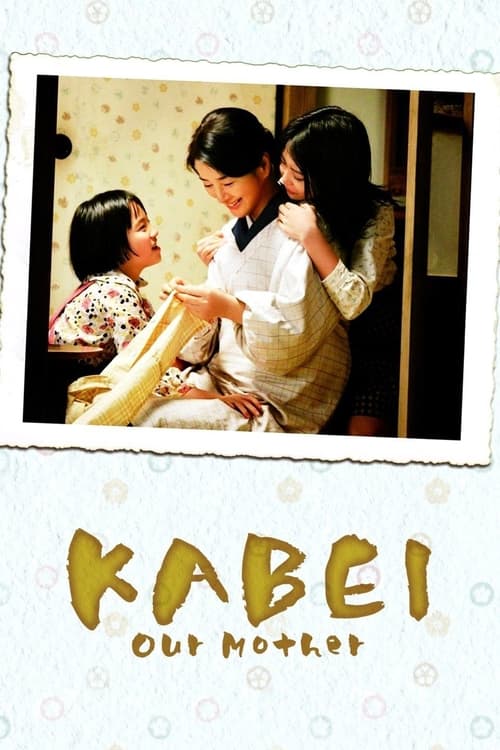
Set in Tokyo in 1940, the peaceful life of the Nogami Family suddenly changes when the father, Shigeru, is arrested and accused of being a Communist. His wife Kayo works frantically from morning to night to maintain the household and bring up her two daughters with the support of Shigeru's sister Hisako and Shigeru's ex-student Yamazaki, but her husband does not return. WWII breaks out and casts dark shadows on the entire country, but Kayo still tries to keep her cheerful determination, and sustain the family with her love. This is an emotional drama of a mother and an eternal message for peace.
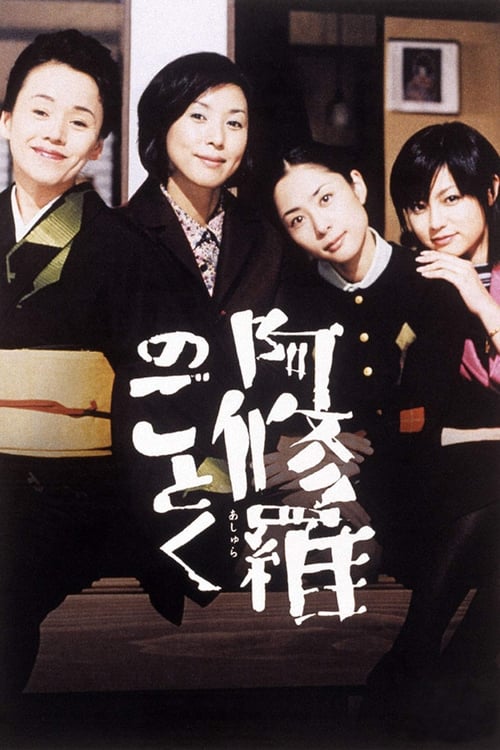
The four Takezawa sisters discover that their father has an illegitimate child so they hire a private detective to investigate.
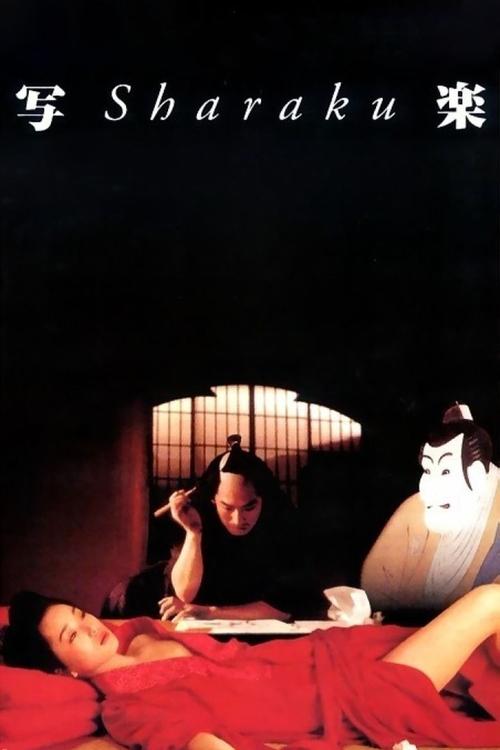
Crippled Kabuki player Tonbo is taken in by a strolling company of itinerant actors. An influential publisher notices his honest, bold art, and nurtures him despite persecution and betrayal.
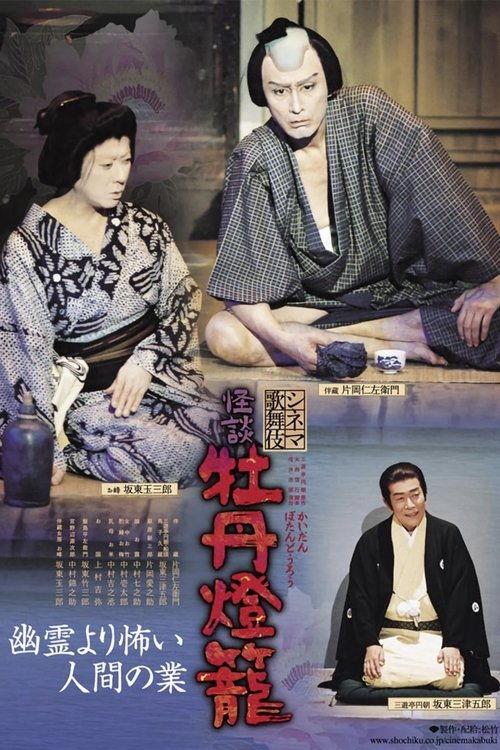
Kabuki performance of the story “Peony Lantern”.
No description available.
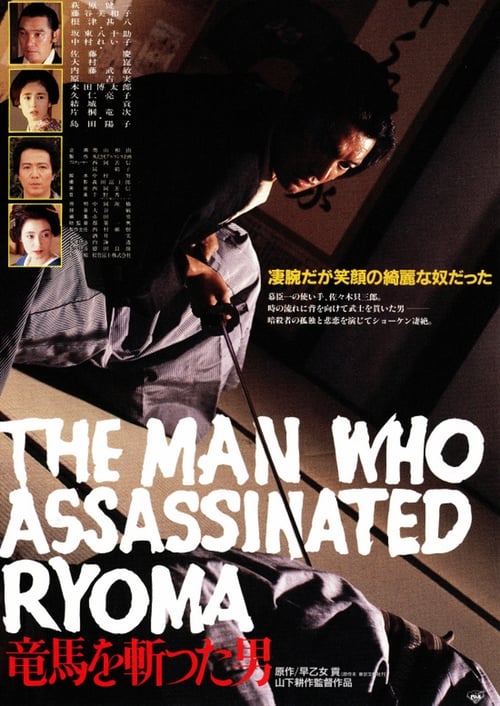
The Man Who Assassinated Ryoma is a movie about a haunted blood-thirsty Bakufu officer who might have killed Ryoma Sakamoto.
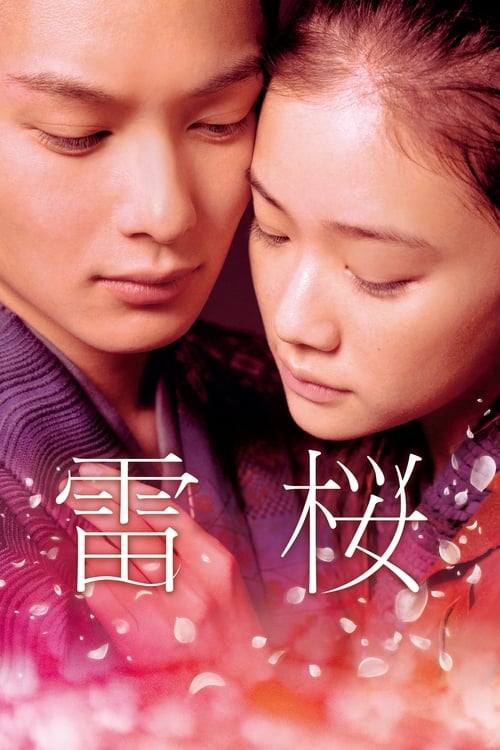
Set during the Edo Period, a young man from a noble family meets a young woman under a special tree called "Raiou" (the tree was struck by lightning at one time with the broken part eventually sprouting out cherry blossoms). The young woman lived freely in the mountains after she was abducted as a young child. The couple soon fall in love under the Raiou tree, but become acutely aware of their different social positions & the ramifications it has on their relationship.
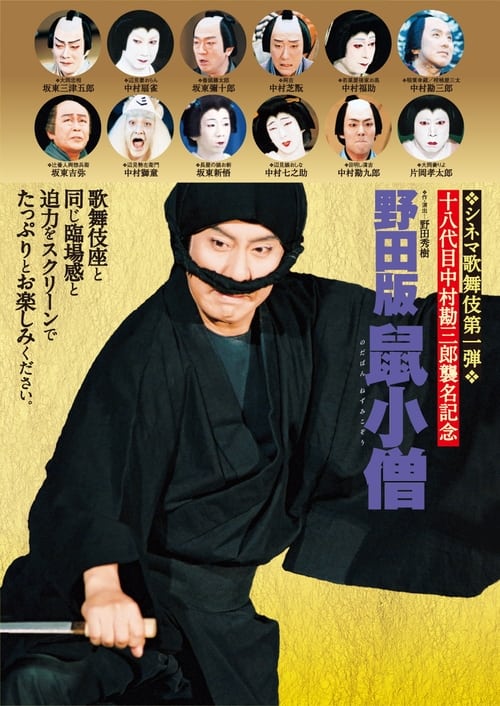
Nezumi, Jack the Mouse is a Japanese urban legend. His passion for money drives a cynical, duplicitous coffin maker to take on Nezumi’s mantle. In this kaleidoscope of disguise and deception, society’s pretenses are destroyed in a melting pot of farce, social satire and courtroom drama. The mighty are brought low to everyone’s delight. Contemporary theatre genius Hideki Noda collaborates with Kabuki theatre at the invitation of celebrated actor Kanzaburo.
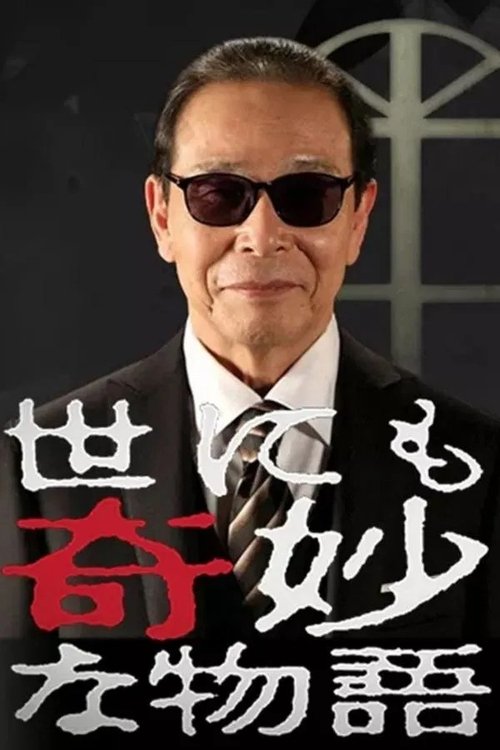
"Tales of the Bizarre", in which familiar storyteller Tamori and a star-studded cast take us into a "strange world". This time, Tamori, the storyteller, will present five gems: Gorilla, The Terrifying Karaoke Singing Battle, Telepathic Love, Housewife Sachiko's Secret Pleasure and Merry Christmas 2040