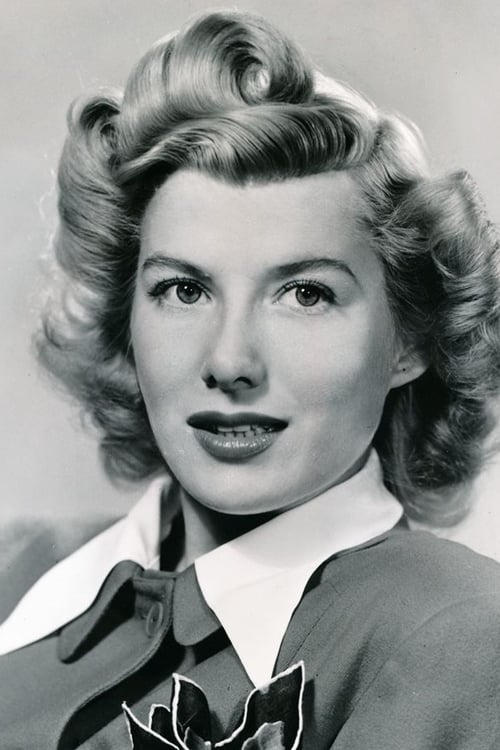
Frances Robinson
Acting
Known For
Four Star Playhouse is an American television anthology series that ran from 1952 to 1956, sponsored in its first bi-weekly season by The Singer Company; Bristol-Myers became an alternate sponsor when it became a weekly series in the fall of 1953. The original premise was that Charles Boyer, Ida Lupino, David Niven, and Dick Powell would take turns starring in episodes. However, several other performers took the lead from time to time, including Ronald Colman and Joan Fontaine. Blake Edwards was among the writers and directors who contributed to the series. Edwards created the recurring character of illegal gambling house operator Willie Dante for Dick Powell to play on this series. The character was later revamped and spun off in his own series starring Howard Duff, then-husband of Lupino. The pilot for Meet McGraw, starring Frank Lovejoy, aired here, as did another episode in which Lovejoy recreated his role of Chicago newspaper reporter Randy Stone, from the radio drama Nightbeat.
Four Star Playhouse
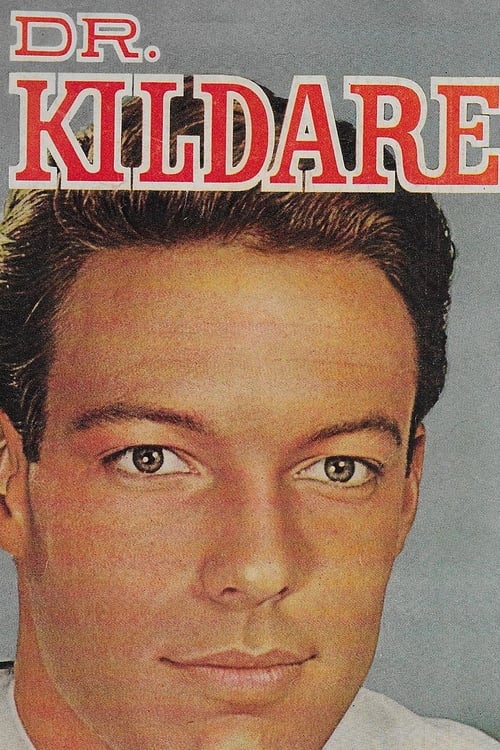
The story of a young intern in a large metropolitan hospital trying to learn his profession, deal with the problems of his patients, and win the respect of the senior doctor in his specialty, internal medicine.
Dr. Kildare
No description available.
Bob Hope Presents the Chrysler Theatre
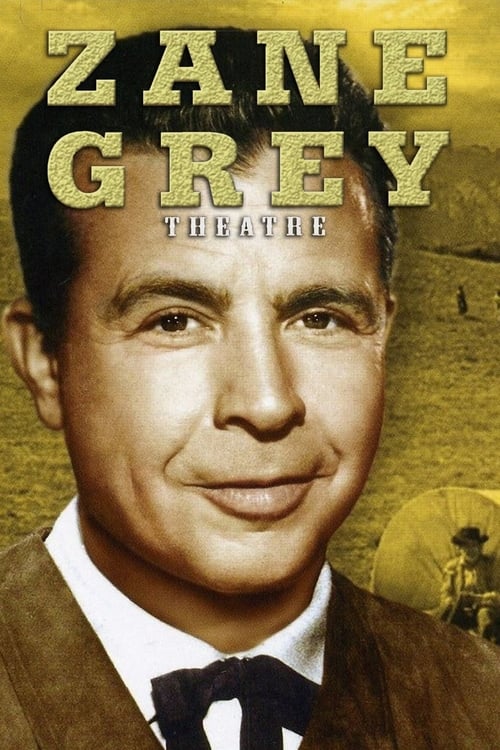
Dick Powell's Zane Grey Theatre, sometimes simply called Zane Grey Theatre, is an American Western anthology series which ran on CBS from 1956 to 1961.
Dick Powell's Zane Grey Theatre
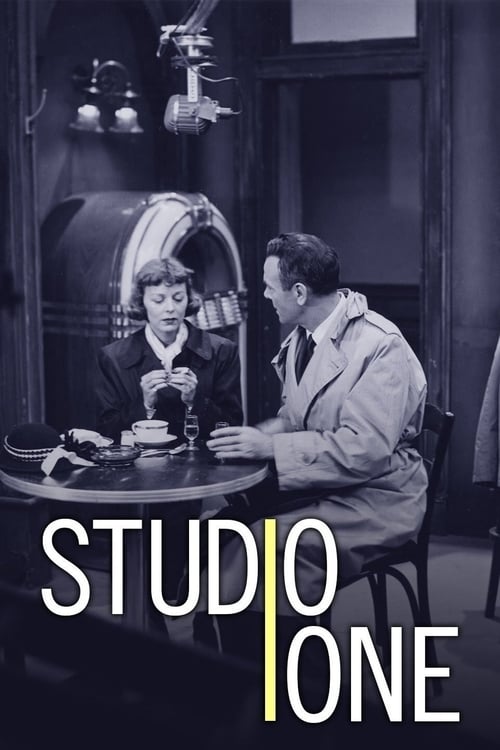
An American radio–television anthology series, created in 1947 by Canadian director Fletcher Markle, who came to CBS from the CBC. Studio One, presented by Westinghouse, was one of the first of the anthology TV programs. The episodes were often abridged remakes of movies from years gone by and many future well-known television and movie actors appeared in the productions.
Studio One

Revolves around typical family problems, such as firing a clumsy housekeeper, throwing a retirement bash for a colleague, and finding quality time away from the children.
The Donna Reed Show
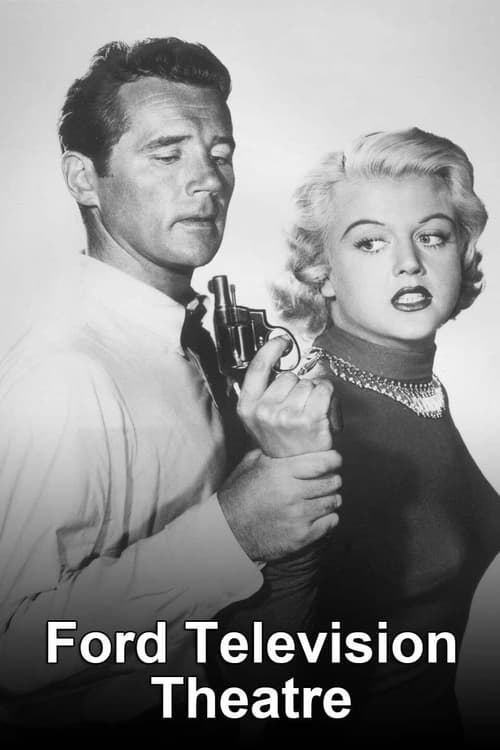
This show started in New York City, with Broadway actors and actresses. It then moved to Hollywood, California, where Hollywood actors and actresses headed the cast.
The Ford Television Theatre
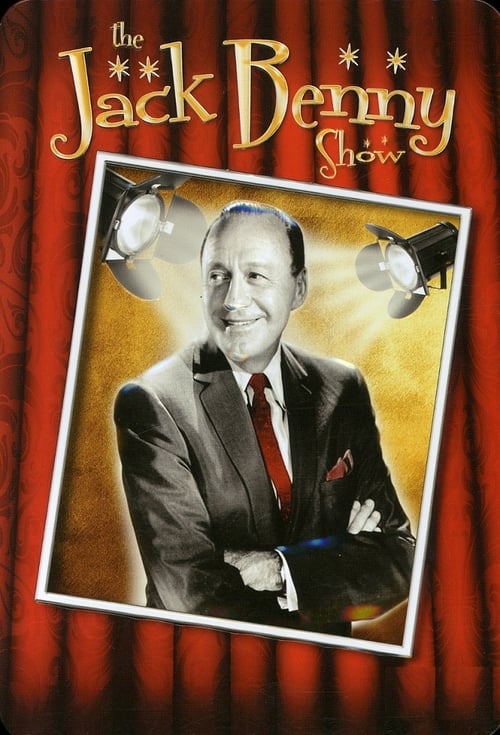
Laugh along with funnyman Jack Benny as he brings his underplayed humor to TV along with regular performers from his radio show days.
The Jack Benny Program
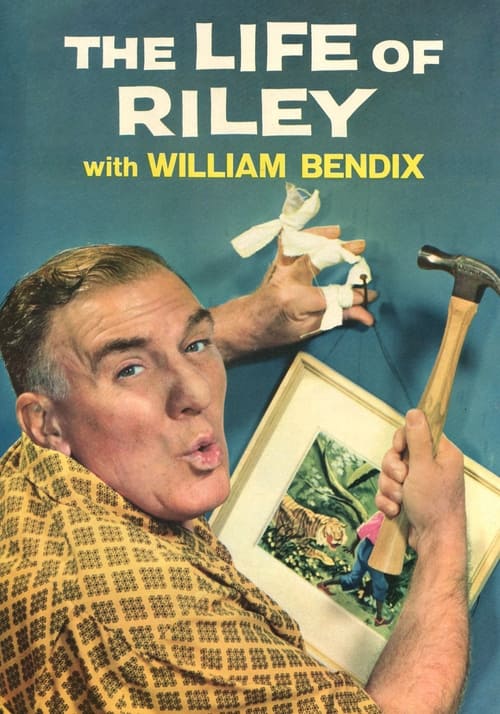
Riley worked in an aircraft plant in California, but viewers usually saw him at home, cheerfully disrupting life with his malapropisms and ill timed intervention into minor problems.
The Life Of Riley

December Bride is an American sitcom that aired on the CBS television network from 1954 to 1959, adapted from the original CBS radio network series that aired from June 1952 through September 1953.
December Bride
Lux Video Theatre is an American anthology series that was produced from 1950 until 1959. The series presented both comedy and drama in original teleplays, as well as abridged adaptations of films and plays.
Lux Video Theatre
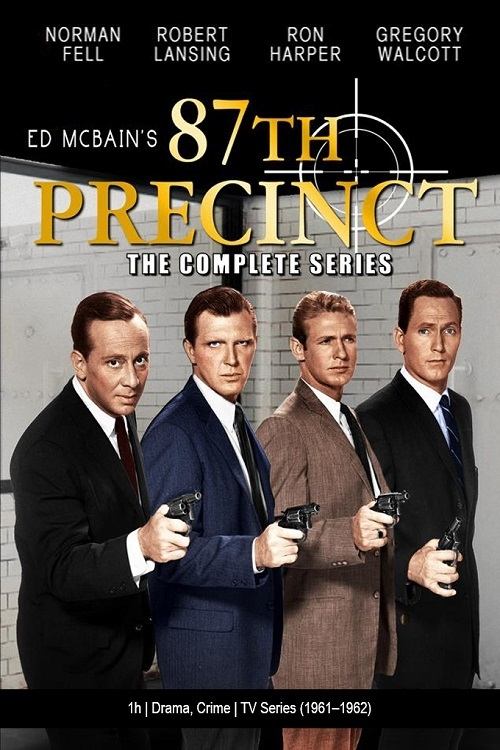
87th Precinct is an American crime drama starring Robert Lansing, Gena Rowlands, and Ron Harper, which aired on NBC on Monday evenings during the 1961–1962 television season.
87th Precinct
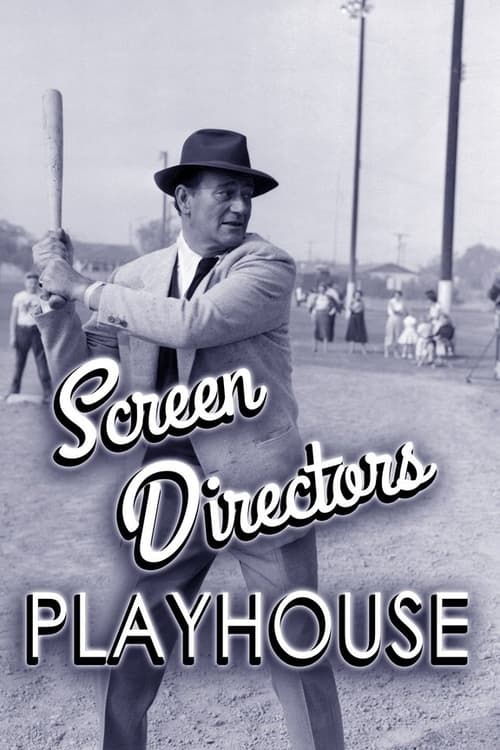
Presented by Eastman Kodak, this show was a series of original scripts directed by acclaimed directors and featuring well-known performers. The stories ranged from musicals to comedies and dramas.
Screen Director's Playhouse

Mickey Spillane's Mike Hammer is the title used for two syndicated television series that followed the adventures of fictional private detective Mike Hammer. The gritty, crime fighting detective—created by American crime author Mickey Spillane—has also inspired several feature films and made-for-TV movies.
Mickey Spillane's Mike Hammer
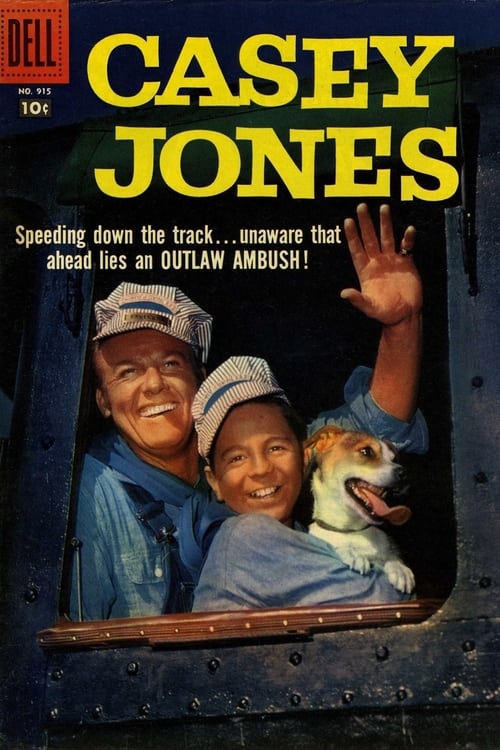
Television version of the classic train story of Casey Jones, the engineer of the steam-engine powered "Cannonball Express".
Casey Jones
Meet McGraw is an American dramatic television series starring Frank Lovejoy in the role of the hard-hitting detective McGraw, a man specifically given no first name in the program. Forty-one half-hour episodes aired on NBC during the 1957-1958 season, sponsored by Procter & Gamble. The series was produced by the Desilu Studios, most of whose productions were broadcast by CBS. The theme song for the series is "One For My Baby" by Harold Arlen and Johnny Mercer. Meet McGraw preceded The Bob Cummings Show on Tuesday evenings on NBC. It aired at 9:00pm ET/PT opposite John Lupton’s Western series, Broken Arrow on ABC and Bud Collyer's To Tell the Truth quiz show on CBS. After its cancellation, Meet McGraw was repeated as The Adventures of McGraw on ABC in 1958-1959, but not in prime time. A number of episodes of the series, including "Mohave" and "Lady in Limbo," are available on DVD.
Meet McGraw
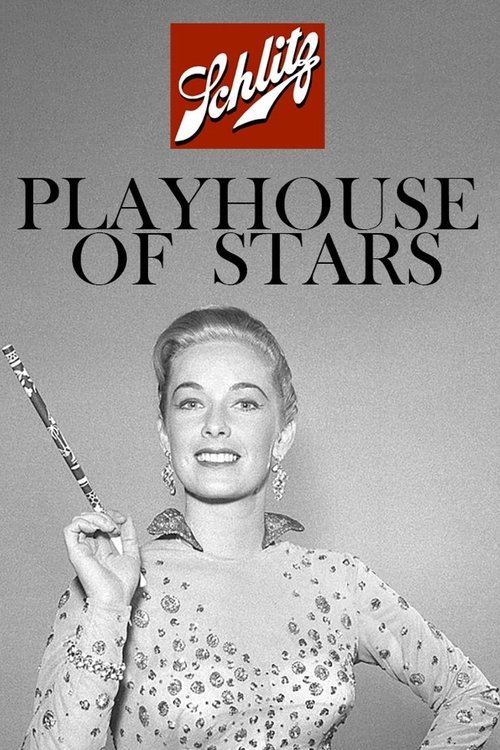
Schlitz Playhouse of Stars is an anthology series that was telecast from 1951 until 1959 on CBS. Offering both comedies and drama, the series was sponsored by the Joseph Schlitz Brewing Company. The title was shortened to Schlitz Playhouse, beginning with the fall 1957 season.
Schlitz Playhouse of Stars

Run, Buddy, Run is an American situation comedy starring Jack Sheldon, which ran on CBS from September 12, 1966, until January 2, 1967.
Run, Buddy, Run
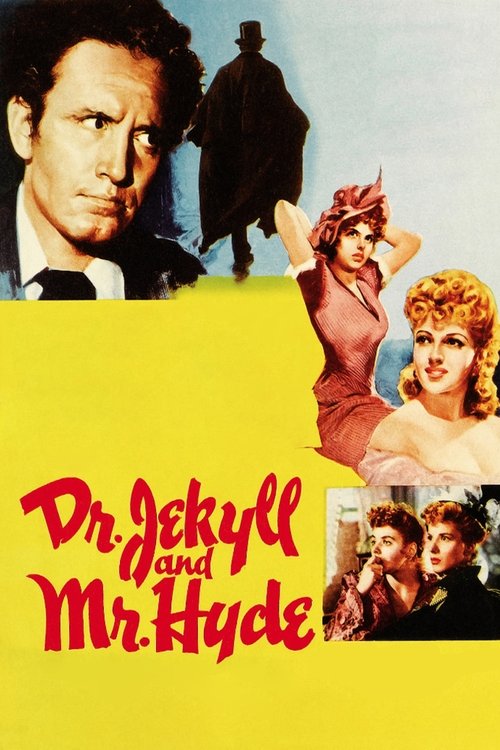
Dr. Jekyll believes good and evil exist in everyone and creates a potion that allows his evil side, Mr. Hyde, to come to the fore. He faces horrible consequences when he lets his dark side run amok.
Dr. Jekyll and Mr. Hyde
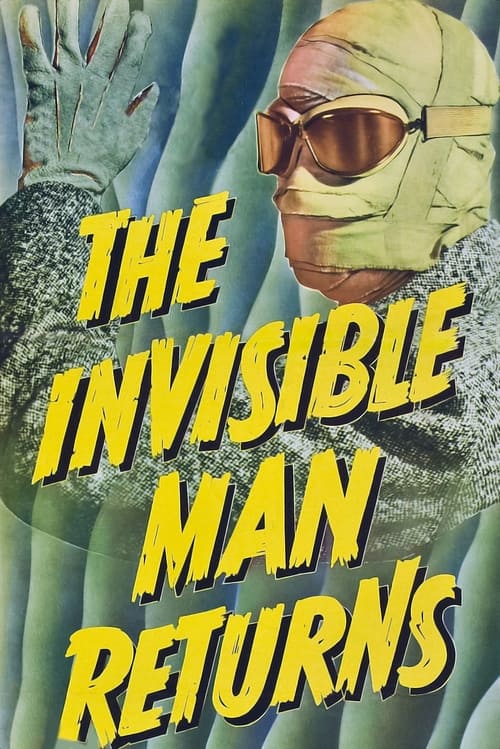
The owner of a coal mining operation, falsely imprisoned for fratricide, takes a drug to make him invisible, despite its side effect: gradual madness.