Directing
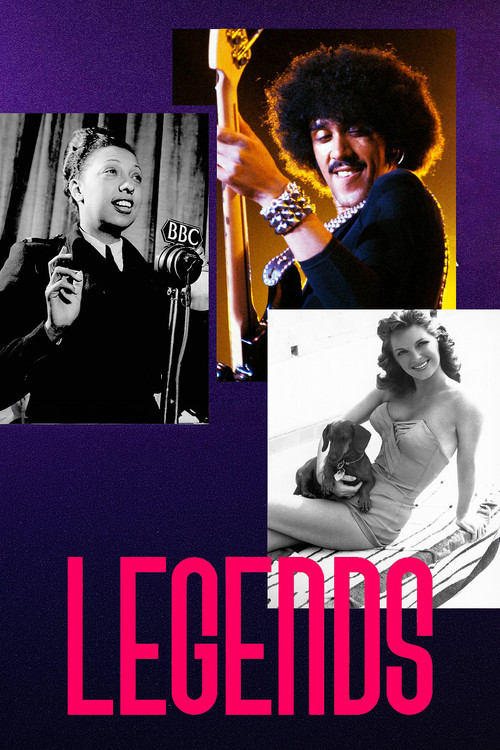
The story of the big names that have shaped the musical genres, plus an occasional stopgap for the new rock 'n' roll - comedy.
Channel 4 documentary series covering all branches of the arts.
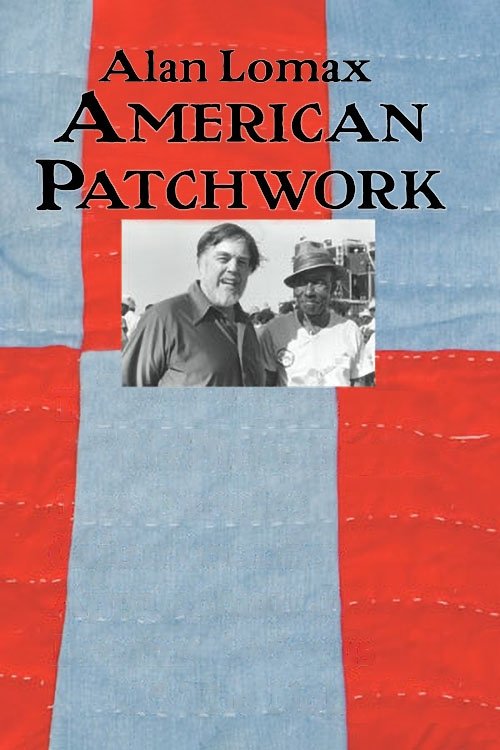
From 1978 to 1985 Alan Lomax traveled the American South and Southwest with a television crew to document regional folklore with deep historical roots. From the resulting 400 hours of footage came the five-program series American Patchwork, which aired on PBS in 1991.
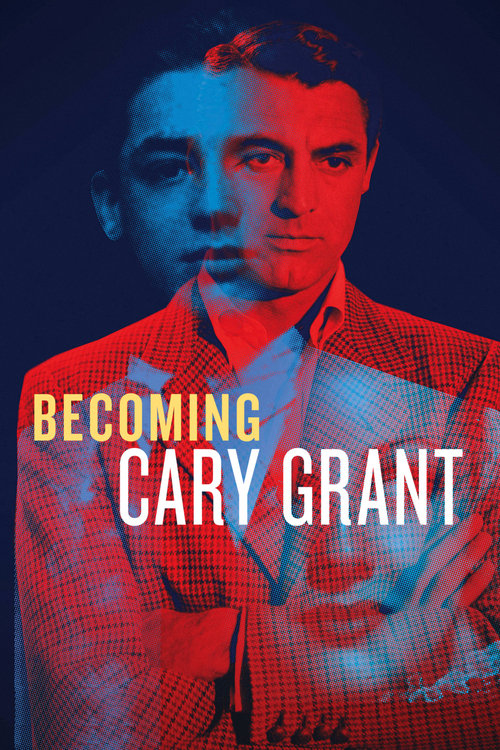
For the first time one of Hollywood's greatest stars tells his own story, in his own words. From a childhood of poverty to global fame, Cary Grant, the ultimate self-made star, explores his own screen image and what it took to create it.
A BBC Arena profile of the Director from the time of the release of his film, The Garden, featuring interviews with Jarman, his collaborators and friends.
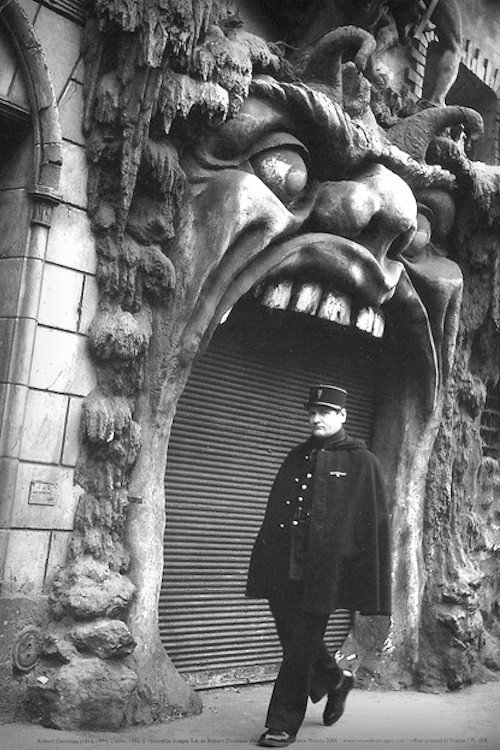
From the early 19th century 1946 Paris had many brothels that were tolerated and controlled by the state. These were sometimes rough places but more often were housed in richly designed buildings and serviced a clientèle from all walks of life. This documentary looks back at the Paris brothels through photographs, historians as well as memories from some who would frequent them as clients or work there as prostitutes.
BBC TV documentary
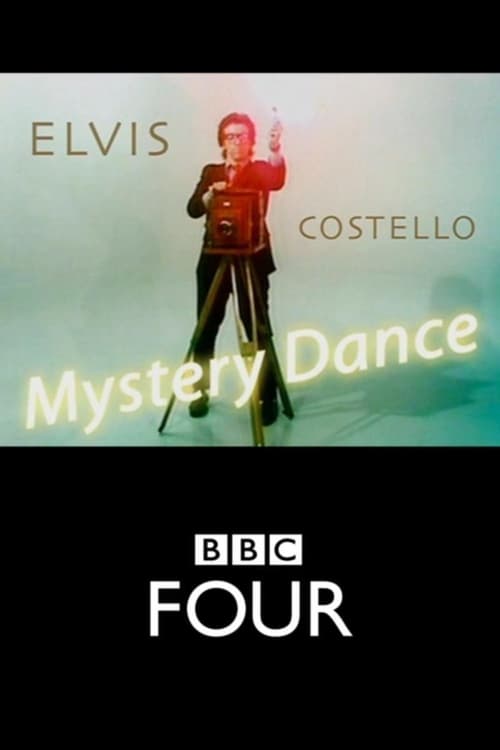
Elvis Costello: Mystery Dance, the first-ever documentary portrait of one of the greatest musicians and songwriters of our time. Assured of Costello’s full collaboration, exclusive access to his extensive archive and with the full participation of his record company, the film is a definitive portrait of a major music icon.
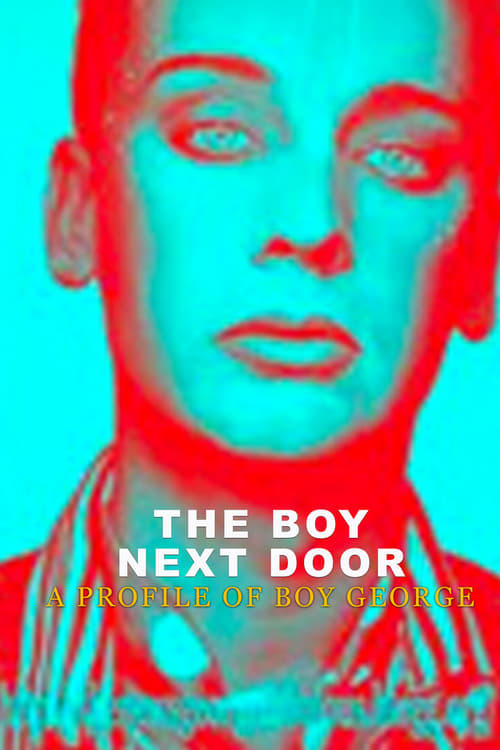
Mark Kidel's portrait of Boy George is a hypnotic story of narcissism and neediness, drugs and drag. It covers nine years, from Culture Club's sudden success through George's rebirth as a solo celeb. Along the way there's tons of amazing archive footage, some very queer fashions, a gripping interview with his ex, Jon Moss and a sign of salvation.
A bio-documentary of the Italian American tenor, star of The Great Caruso and inspiration to the Three Tenors.
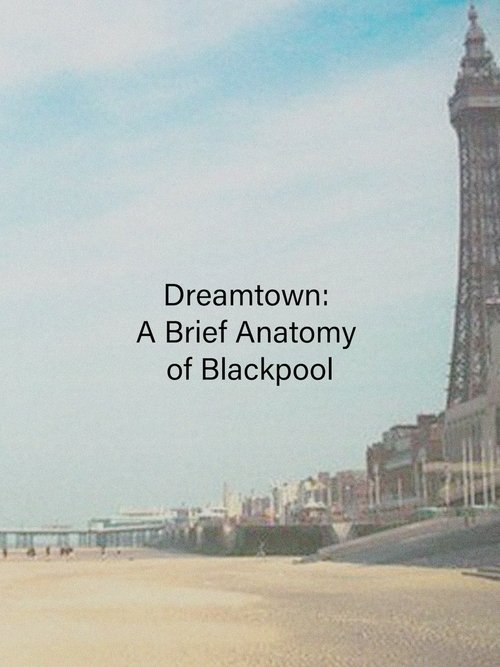
A revealing and often ribald look at the seaside resort where people can let their hair down, whether in the sedate atmosphere of the Tower Ballroom or on the world's biggest and fastest rollercoaster. Actor David Thewlis returns to his home town, a place where beer is drunk and dreams are played out against the backdrop of a thoroughly British fantasy.
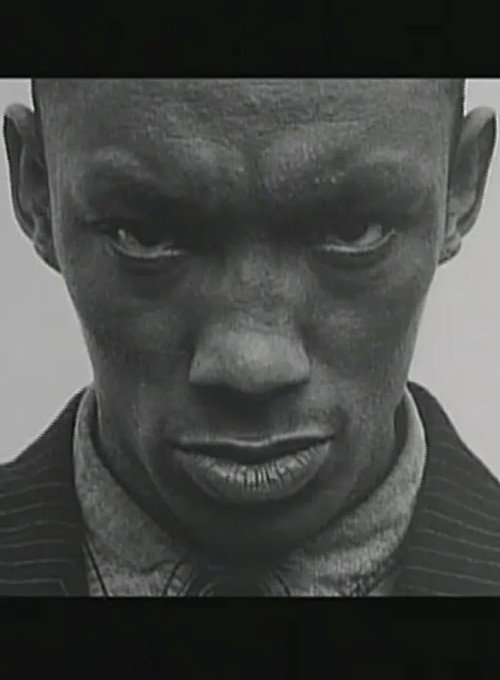
A documentary on Tricky, a musician from Bristol south-west England.
Commissioned to mark the 2,500th ‘anniversary of democracy’/Kleisthenes’ reform of the Athenian constitution. The film reflects on the aspirations of a recently democratised Kazakhstan, following the break-up of the former Soviet Union. A film-poem in which Tony Harrison explores a flea market in Kazakhstan where memorabilia from the Communist regime is sold. In Harrison's eyes it is `a nightmare version of democracy'.
Internationally renowned pianist Alfred Brendel delivers three different lectures: 'Does Classical Music Have to Be Entirely Serious?', 'Musical Characters', and 'Light and Shade of Interpretation'. Using his piano throughout to illustrate various ideas and concepts. The subject matter for the different sessions include the use of humour in classical music, Beethoven's sonatas, and interpretation. Recorded at the Schuttkasten, Salzburg, 25, 26, 27 September 2010.
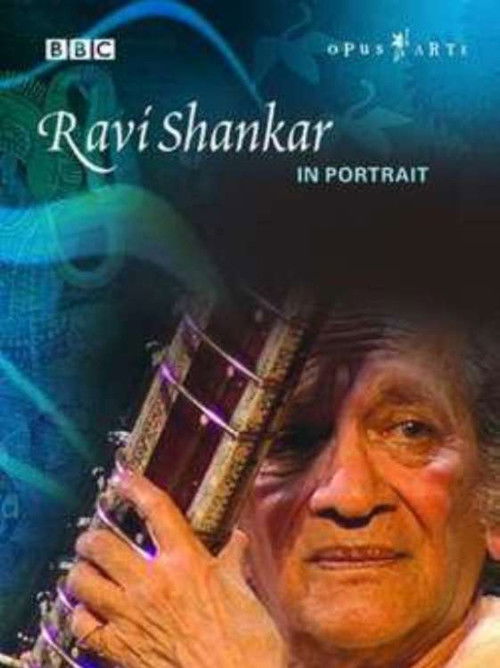
Filmed over two years in India and the USA, Mark Kidel's award-winning documentary brings together archive footage spanning seven decades of Ravi Shankar's performing life, and provides a definitive account of the late sitar maestro's unique musical career.
Norman Foster (b.1935) is widely considered to be one of the world's greatest living architects. He has offices in Tokyo, Hong Kong, Frankfurt, Berlin, Glasgow and London. While other international practices have succumbed to commercial pressures, Foster has retained a reputation for innovation and originality. He is also highly respected for his flair when adapting or converting older buildings to present-day needs. His designs are always rooted in his concern for minimal environmental damage and maximum technological efficiency. This film follows Foster at work in his office and on the site of some of his major new projects, including the Law Faculty at Cambridge University and the telecommunications tower in Santiago de Compostela. Foster is a man driven by his passion for architecture and his perfectionism. This portrait reveals not only his genius, but also his highly sensitive and artistic personality.
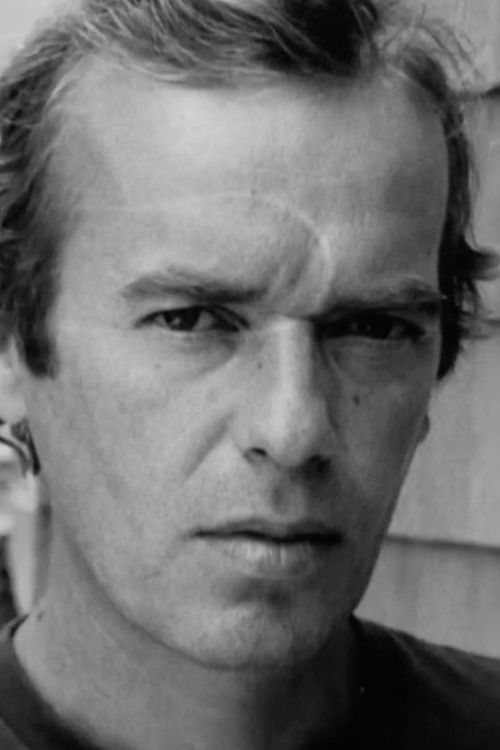
Novelist Martin Amis, a fierce critic of contemporary society, examines his experience of Englishness. Richly illustrated with archive footage, he reflects on a nation barely recovered from the loss of empire. Amis brings a sharp, humorous and surprisingly affectionate touch to the exploration of sex, binge drinking, football hooliganism, the idea of fair play, multiculturalism, the royal family and the tabloid press.
An acclaimed profile of Alfred Brendel, one of the world's finest pianists, the film includes contributions from some leading performers, including Simon Rattle. It is a rare insight into the life and work of one of the greatest musicians of our times. Brendel is acknowledged to be one of the most accomplished interpreters of the work of Mozart, Beethoven, Schumann, Schubert and Haydn as well as the works of Brahms and Liszt. The film also reveals another side to Brendel - from his childhood in Austria to his interest in art, poetry and humour.
An intimate account of the relationship between young composer and pianist Kit Armstrong and the world renowned Alfred Brendel, Set the Piano Stool on Fire captures both the creative process and champions the value of teaching and collaboration. Featuring the only filmed footage of Brendel during his farewell tour, this is highly revealing and essential viewing for anyone interested in classical music.
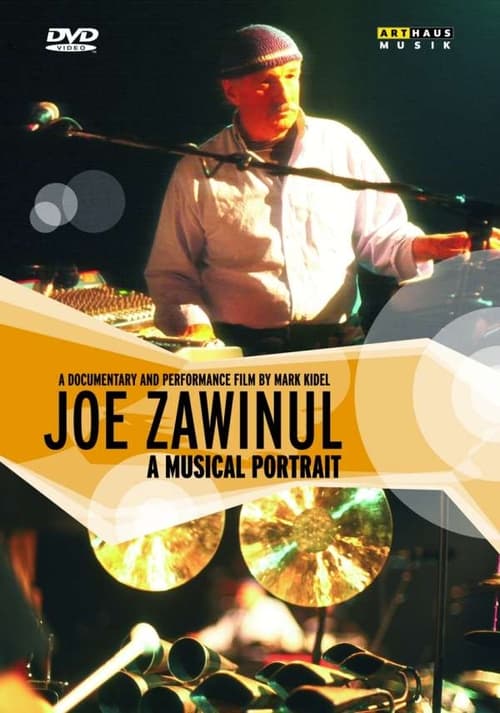
This film by director Mark Kidel about one of the world's leading makers of music programs features an illuminating documentary profile on one of the world's foremost jazz keyboard players and composers, along with an electric performance by the Zawinul Syndicate at the Point in Cardiff, Wales, 2004. Shot in an unusually intimate manner, the film communicates powerfully the immediate excitement of jazz as a no-holds-barred, risk-embracing adventure: the shooting and editing highlight the exceptional collective improvisation and musical dialog which characterize Zawinul's work. From a childhood in Vienna, to a move to the United States in 1958, Zawinul found success with the band Weather Report.