Thomas Sankara
Acting
Biography
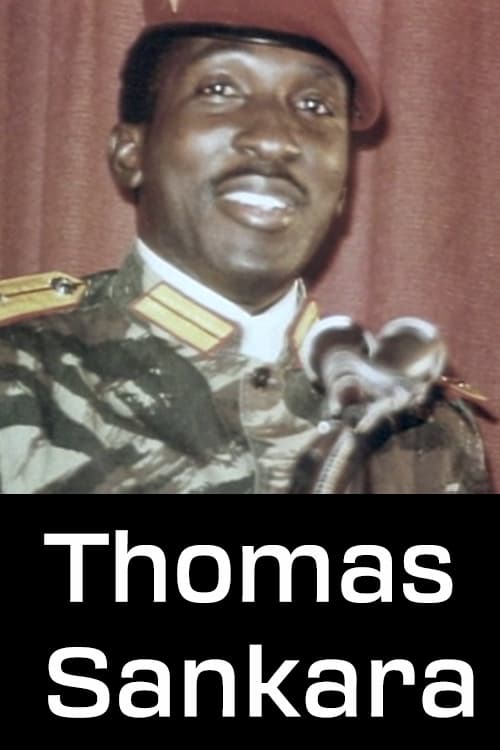
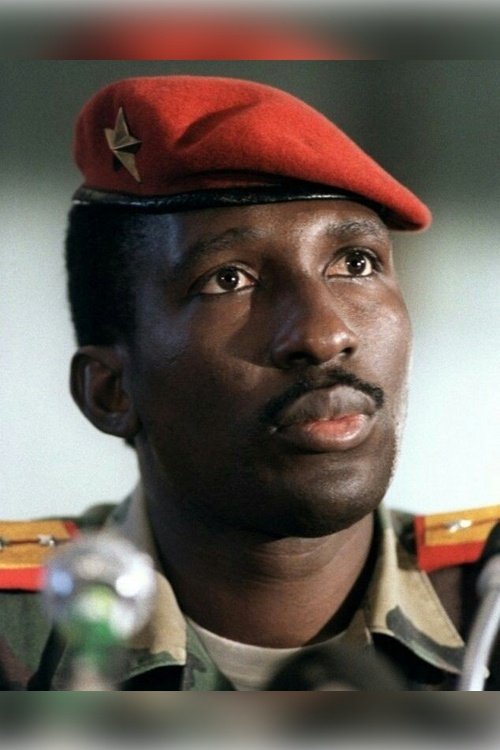
Thomas Isidore Noël Sankara (Yako, December 21, 1949 – Ouagadougou, October 15, 1987) was a military officer, Marxist revolutionary, Pan-Africanist, and political leader of Burkina Faso. He was a popular captain and the Prime Minister when the country was still called the Republic of Upper Volta. Shortly thereafter, he became the fifth Voltan president since the liberation from French rule and the first president of Burkina Faso.
Known For

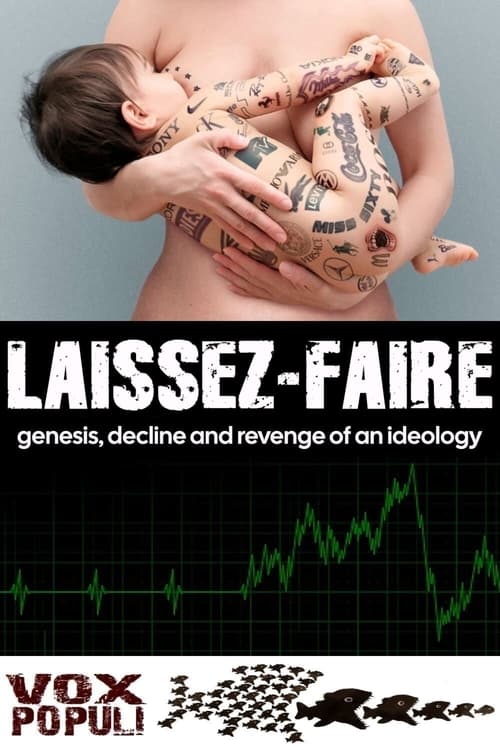
A historical perspective to understand Neoliberalism and to understand why this ideology today so profoundly influences the choices of our governments and our lives.
Laissez-faire

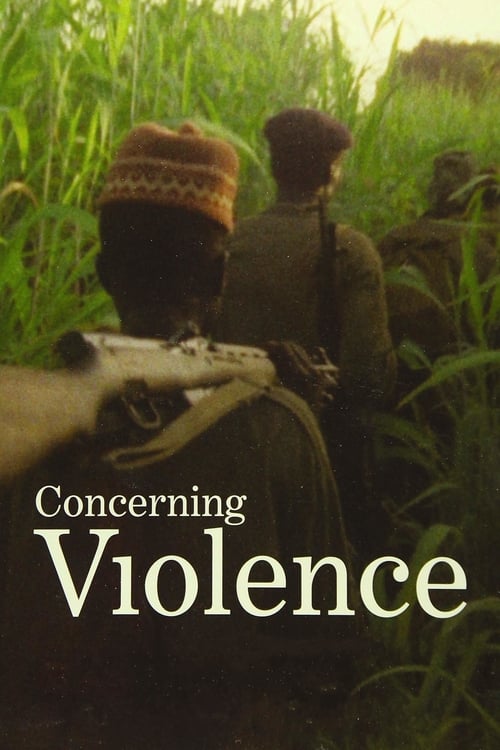
Based on powerful archival material documenting the most daring moments in the struggle for liberation in the Third World, this documentary is accompanied by classic text from The Wretched of the Earth by Frantz Fanon.
Concerning Violence

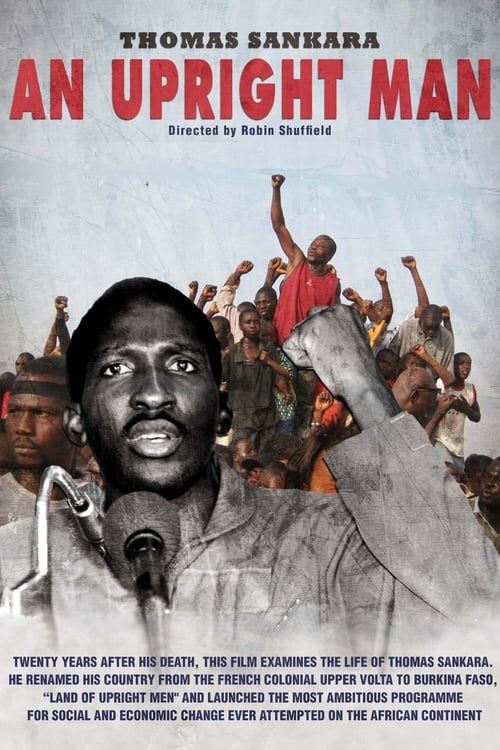
Thomas Sankara, former president of Burkina Faso, was known as "the African Che", and became famous in Africa due to his innovative ideas, his devastating humor, his spirit and his altruism. More than a classic biography, this film sheds light on the impact that this man and his politic made on Burkina Faso and Africa in general.
Thomas Sankara: The Upright Man

A portrait composed of archives of Thomas Sankara, president of Burkina Faso between 1983 and his murder in 1987. Ready to liberate his country and transform the mentalities of his fellow citizens, contesting the world’s political order and challenging the powers of his time, Sankara stands out strongly in the history both of Africa and of the world.
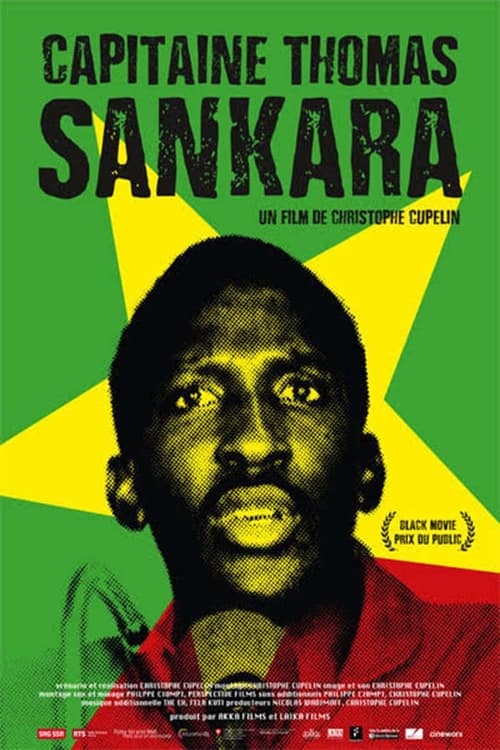
Capitaine Thomas Sankara

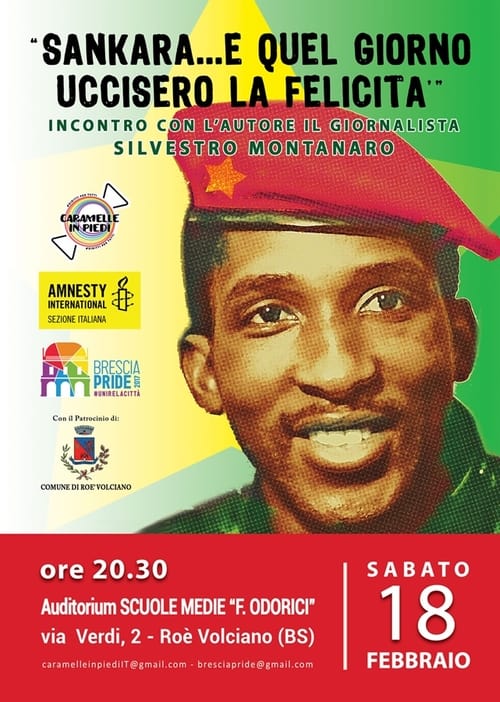
In this documentary by a veteran Italian journalist Silvestro Montanaro some of the conspirators behind Sankara’s death are interviewed. The rise and fall of The Burkinabé Revolution is placed in the international context.
Sankara ... And That Day They Killed Happiness

Captain Thomas Sankara was the leader of the Burkinabe Revolution. This film is a biographical profile of the revolutionary, the improvements he generated in his country and the new socio-political dimension he instituted in Burkina Faso.