Mathias Bouffier
Editing
Known For

Marion is a 14-year-old girl who is on holiday with her family by the sea in Normandy. But she soon comes into conflict with her mother and siblings. There she also meets a man named Marc, to whom she feels attracted, who sees her and desires her. Back in Paris, she visits him again. For the first time in her life, she will make love to him.
La Puce
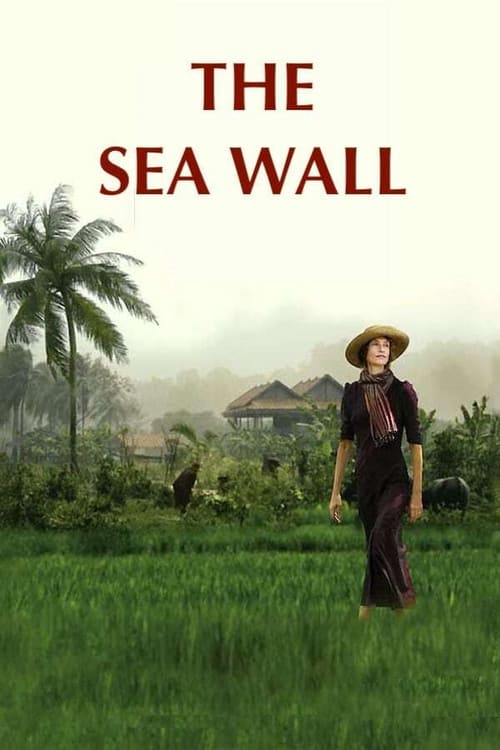
The film centers on a young French widow and her two adolescent children as they attempt to carve out a meager life for themselves by farming rice fields alongside the ocean in French Indo-China in the 1930s. Their efforts are hampered each year by the presence of the sea, which invariably floods the fields with saltwater and wipes out the crops. In desperation, the mother realizes that their only hope lies in the construction of a sea wall to prevent continued flooding, but the mother must cut a swath through the local bureaucracy in an almost Sisyphean attempt to make this happen. Meanwhile, her obstinate daughter, Suzanne, draws the romantic obsessions of a well-to-do Chinese gentleman, Monsieur Jo. Though he could easily provide a way out, the possibility of a romantic relationship between Jo and Suzanne could just as easily fall prey to local racial prejudices that would damage or ruin the lives of both.
The Sea Wall
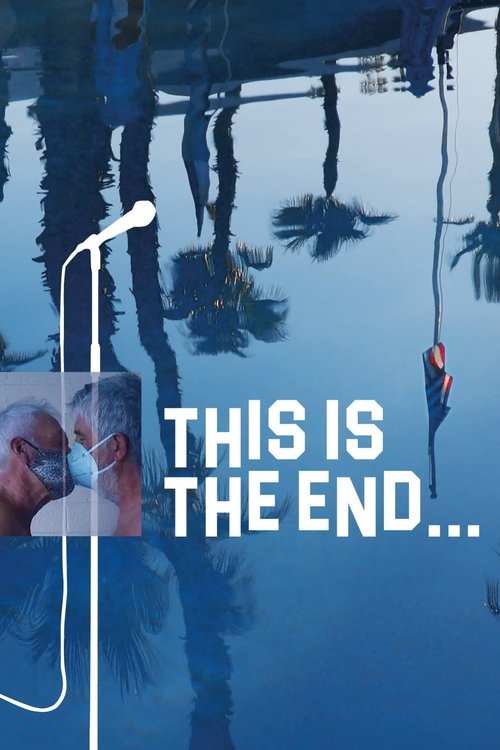
Road trips through Los Angeles, famous verses in the Poetry Lounge and love in times of the pandemic: Rendezvous with an old flame, fourty years later. After Jaurès (2012), Vincent Dieutre presents another tender autofictional piece in the Forum.
This Is the End

A woman sitting in front of a screen: we do not know if it is day or night outside. In this place, the light of the screens dominates that of time. The inner voice of this woman recounts a solitary and reclusive life and her confusion in front of an old black and white photograph that she has just e
Le garçon avec les cheveux dans les yeux
No description available.
La Capture
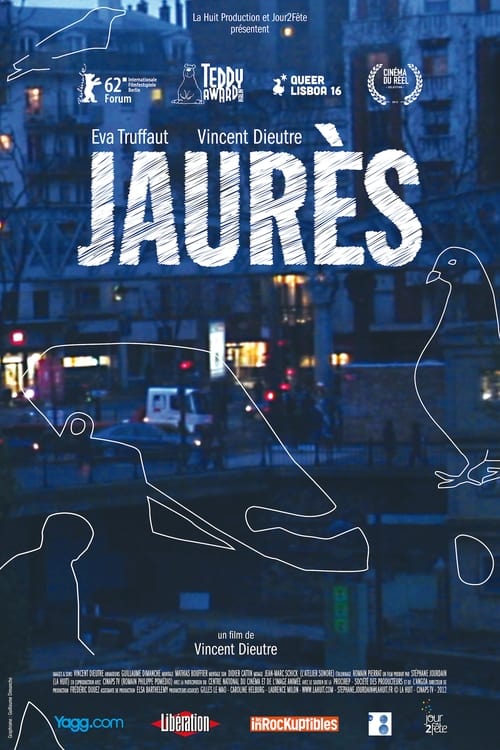
A studio. A man and a woman. Moving images on the screen, which he comments on, spurred on by her questions. All the footage was shot from the window of a flat: views of the street, the metro line running above it, the canal, into the windows of the buildings opposite. The flat belongs to the man’s lover, the man is a guest, spending his nights there but never his days. By the canal, young men from Afghanistan set up makeshift shelters as the man looks on, developing increasing sympathy for them. The seasons change, winter, spring, summer.
Jaurès
No description available.
Je vous déclare amour
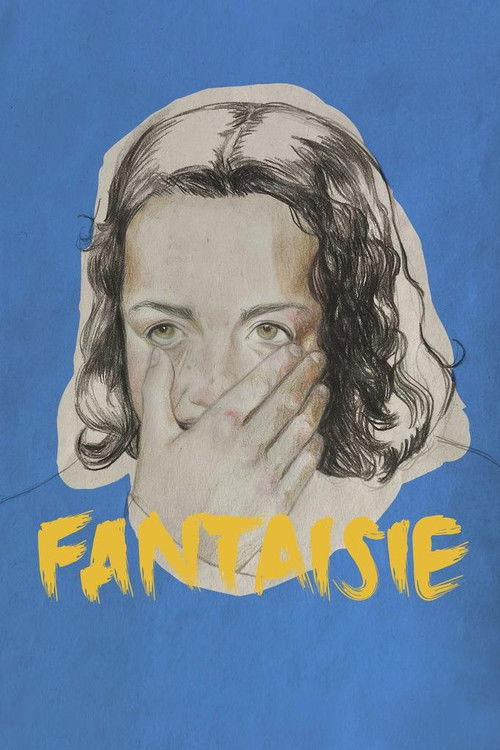
Lost in her fears and fantasies, a young woman writes in a notebook. A young man finds this notebook on a train. Suddenly, they find themselves in the heart of a forest, in a nocturnal reality where dreams come to life.
Fantasy
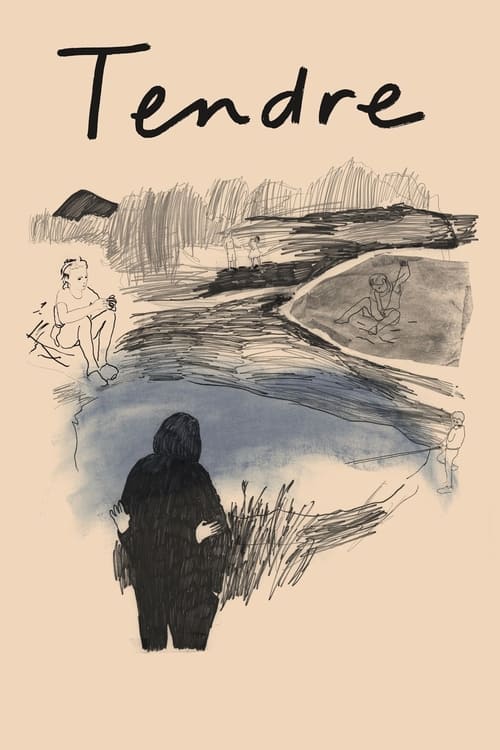
Late summer, a small lake, teenage rascals. Mia, 11 and too wise for her age, asks Hugo, 15 and blasé, to tell her about Chaïnes – a girl he spent evenings with at the lake, trying to seduce her. He felt the fear of declaring his love and the torment provoked by the exuberant but secretive Chaïnes, who never shows her emotions. Mia and her siblings surround them, like a choir. A slow, dark, documentary in which time doesn't seem to exist.
Tender
No description available.
EA2 (2e exercice d'admiration : Jean Eustache)
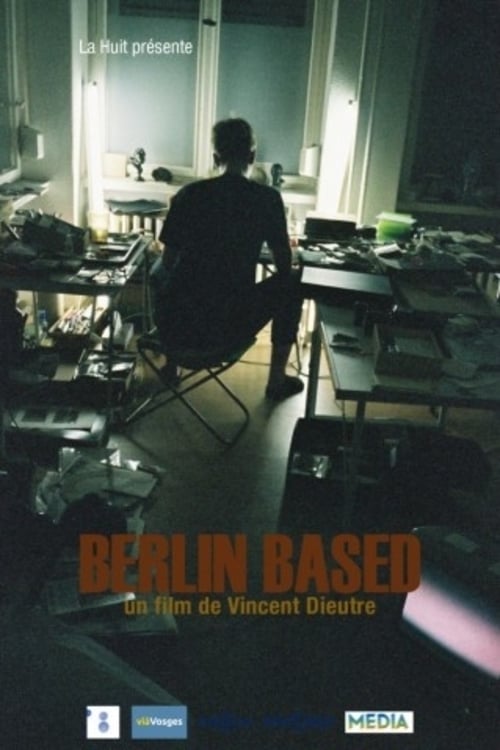
Its light, its smoky bars, its vacant land: the characters that we meet here treasure different aspects of Berlin. Vincent Dieutre puts faces and voices on some of the many artists who have settled there since the collapse of the Wall. Questioning each one about their arrival and possible departure, he depicts how Berlin has become part of the personal stories that have, in turn, been infused with a city’s history. What each artist recounts with their own words and sensitivity is also what the city has taught them – the vocabulary of the sentiments in German, the strength to live in the cold or in precarious conditions. Like a playful wink to the tourist guide format, the filmmaker travels from district to district.
Berlin Based
A waterway, at night. A beach, children. During the day, people strolling along the river bank. A poem in three parts, inspired by the myth of Orpheus and the filmmaker’s childhood landscapes on the Franco- Swiss border.
Orfeo
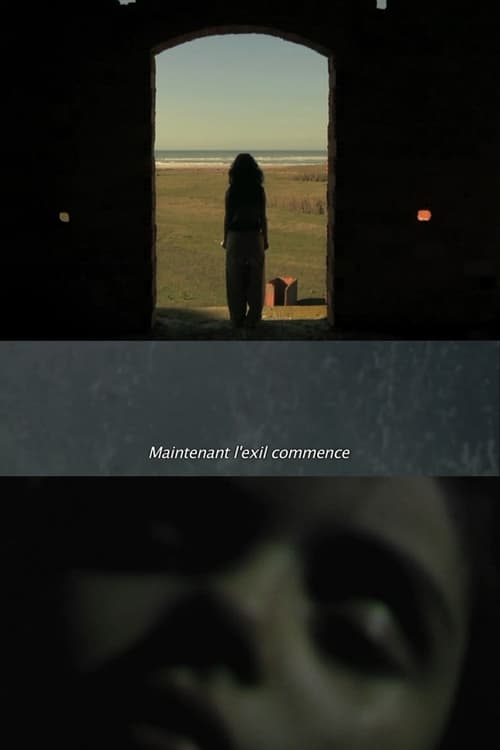
On a feverish night, a child senses a ghost, a woman who has come from the sea, coming home after a long political exile. A silent tale, a bodyless voice and visions mingle in the dark of the night and the fever. The child of the present and the political refugee coming home are now one, traveling together to a strange building, appearing to be her lost memories. Forgotten political fights appear and disappear with the fever's hallucinations. Then, new fights, the Arab spring of Morocco, flood the past.
La fièvre
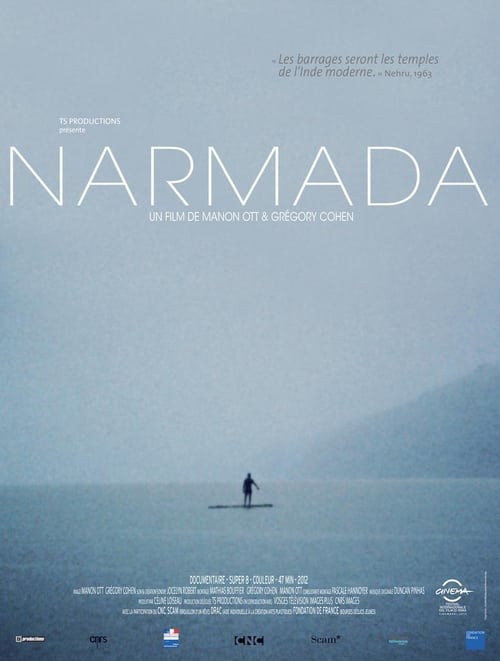
Shot on super 8, the film appears like a journey, a dream along the Narmada river in India, between myths of Progress and myths of the river. "Dams are the temples of modern India", claimed Nehru after the country's independance. Soon, one of the largest complex of dams ever conceived will be completed on the Narmada. A social struggle is getting organized. We travel on the river until the ocean, on our way to meet inhabitants, beliefs, and convictions that cohabit and are brought into conflict as this valley undergoes major transformations.