Directing
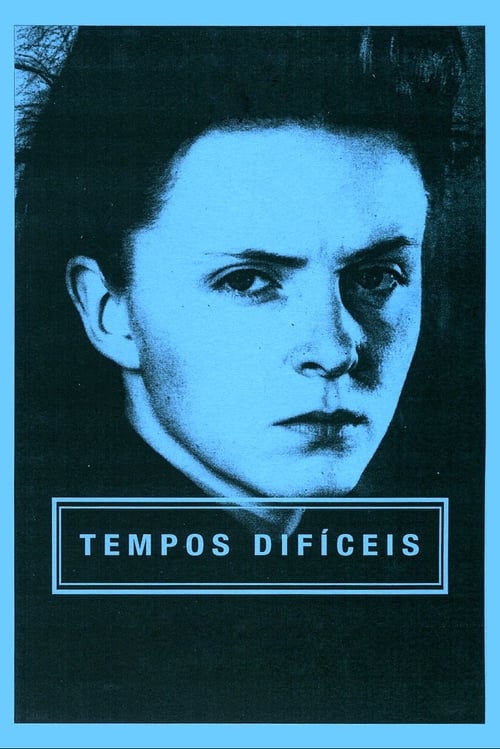
A film adaptation of the Charles Dickens novel "Hard Times" set in a Portuguese industrial town of the 1980s.
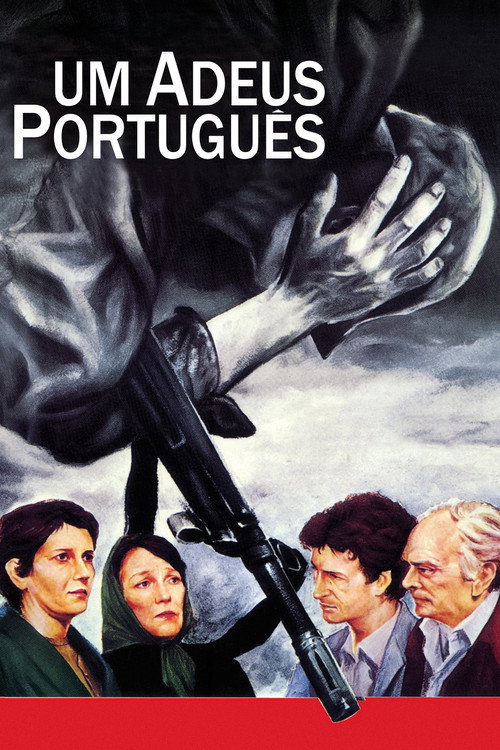
In Africa, during the colonial war, a patrol is lost in the bush and a soldier dies in operation. Twelve years later, in Portugal, the soldier family meets in peace.
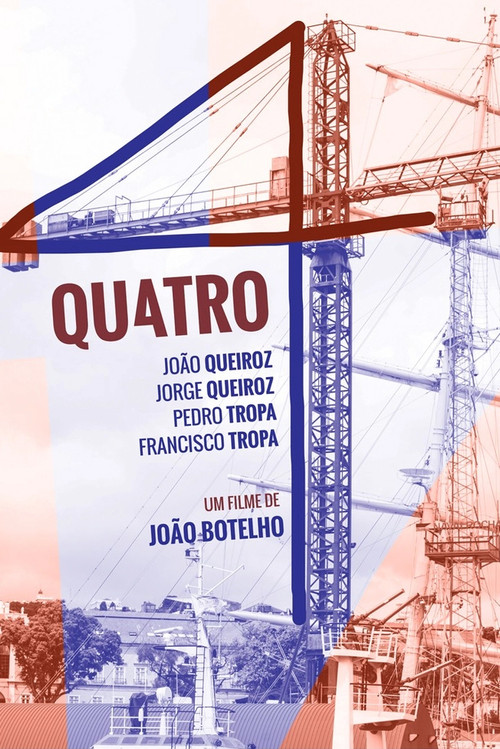
A look at the art of two pairs of brothers, plastic artists: João Queiroz, Jorge Queiroz; Pedro Tropa and Francisco Tropa.
No description available.
When the child Manuel wanders into a garden that is off-limits to him, he meets an unidentified fisherman, and another boy -- the boy is actually himself several years down the road. Manuel experiences three different versions of his encounters in the garden, revealing that fate can have several twists and turns in one's life, depending on decisions that are made early on.
A documentary about the singings of a Portuguese Village that has their own dialect
The misfortunes of Sofia, the exemplary Madalena and Camila, the troubled vacations of girls and boys, a few years later leading to the resolution of some mysteries, form the perfect trilogy by the Countess of Ségur on education, social, religious, and political power. Desire and its oppression, violence and punishment, in short, the terrible loss combined with inevitable growth. Both adults and children will understand that precepts, rules, and prayers can tear nerves and blood apart.
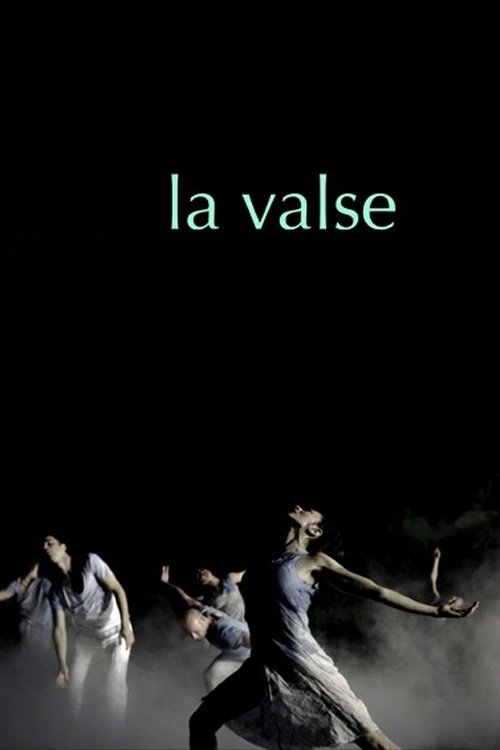
A choreographic poem by Maurice Ravel.
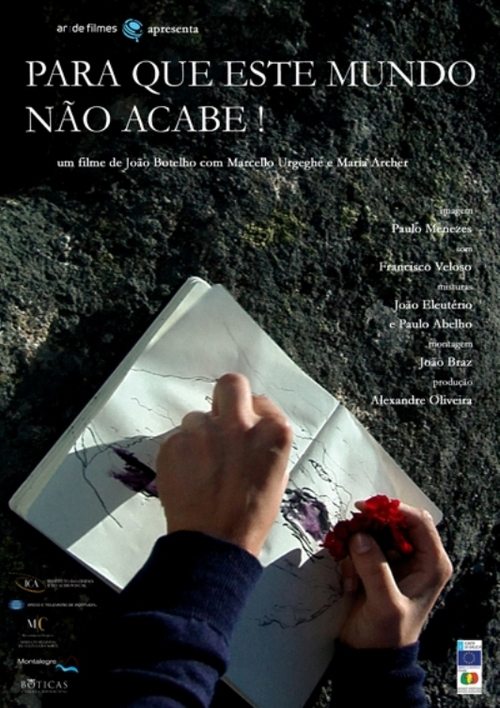
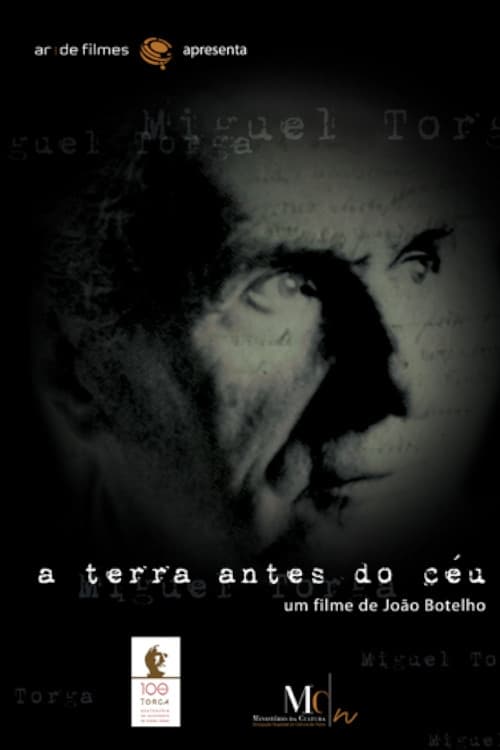
"Come and see this world end!" - wrote the the priest António Fontes, father of folk medicine and "burning witches" in Vilar de Perdizes, a desperate plea in his precious monograph of the Barroso region. And I (João Botelho) went. Then I saw the people and the land. Haunting on discovery. Heart sank. "God is good but the devil is not so bad!" - We learned from this Community habits and that is great, tough and generous. And I also learned that no fairer place for a demand of life and even the elusive happiness there, I assure you, it is always possible.
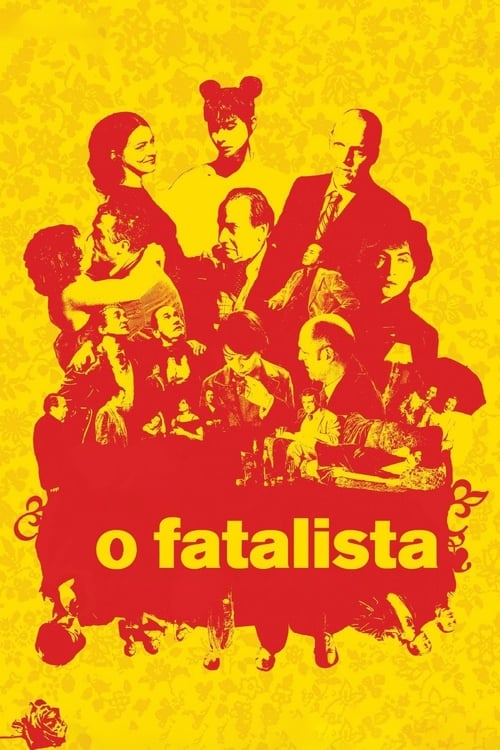
The complex relationship between master and servant is explored in director João Botelho's adaptation of Denis Diderot's popular novel Jacques le Fataliste et Son Maître. As Tiago (Rogério Samora) drives his master (André Gomes) through the Portuguese countryside to an unspecified destination, the traveling pair embark on a series of highly philosophical discussions. Flowing with tales of his life in the military and previous sexual escapades, Tiago trades a series of tales with his rapt passenger, including the story of a vengeful spurned lover who plots revenge on the nobleman who rejected her by transforming a prostitute into a society lady and convincing him to marry the tainted bride.
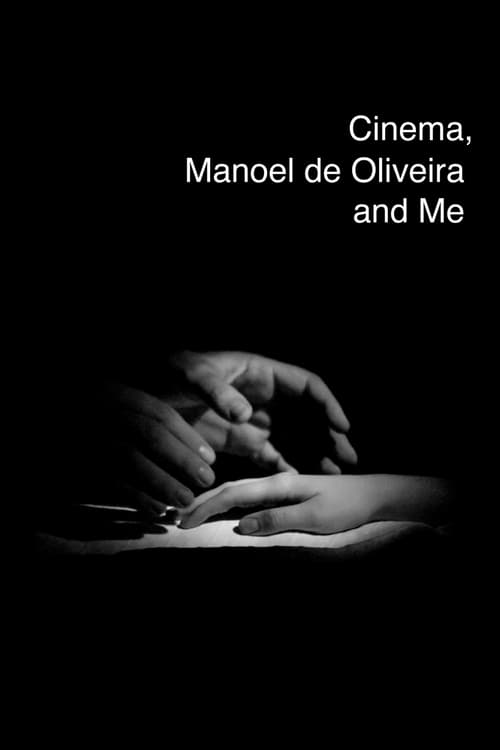
“An old photograph taken 36 years ago. His hand rests on my shoulder. A blessing, a gift. Then a history of over four decades of friendship, admiration and apprenticeship. A journey into Oliveira’s cinema, his method, his way of filming and his extraordinary cinematic inventions. He lived for over a century, over a century of cinema, cinema in its entirety. For him, and for me too now, documentary and fiction films go hand in hand; it is all about cinema. So I had the audacity to film a magnificent story that Manoel loved but never filmed, one that he left behind as if his hand and eyes were close to God, or among the gods, and he was steering me.” - João Botelho
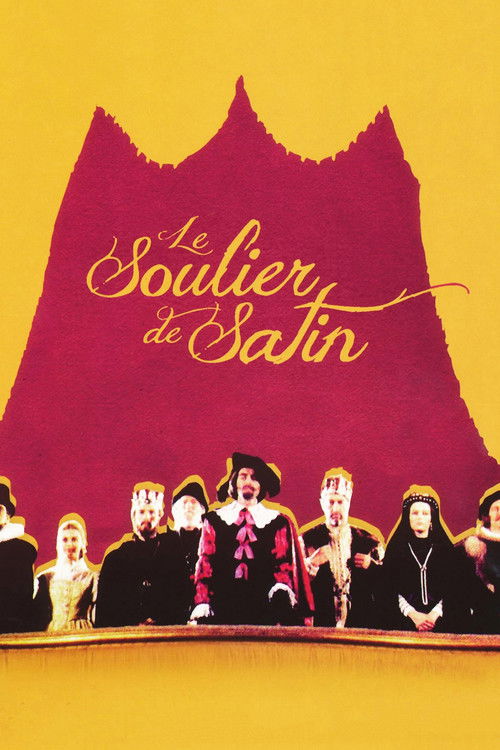
During the century of the Spanish Gold, Doña Prouhèze, wife of a nobleman, deeply loves Don Rodrigo, who is forced to leave Spain and go to America. Meanwhile Prouhèze is sent to Africa to rule the city of Mogador. Ten years later Rodrigo leaves America and travels to Africa in search of Prouhèze to find out that she died and eventually meeting her daughter.
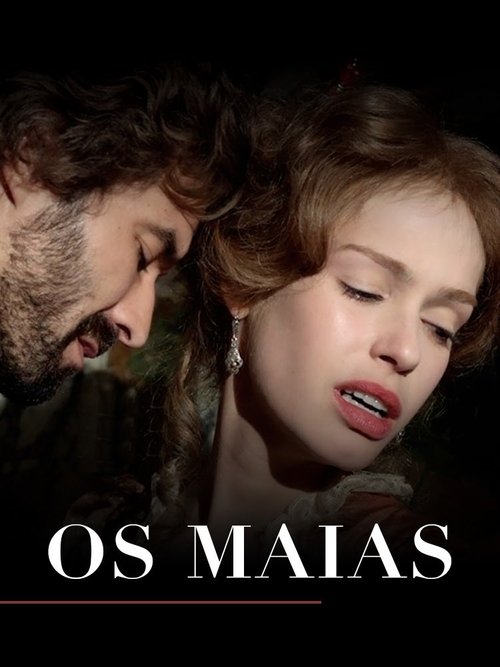
The tragedy and comedy in Carlos' life begins, grows and ends like the tragedy and comedy of Portugal. In the company of his close friend, João da Ega, allegedly a brilliant writer, Carlos, with his idle existence as an aristocratic doctor, spends his time to enjoying friends and lovers. Until he falls in love. She is a new character in this revolutionary novel. It's a vertiginous passion that goes beyond that past gloominess to reach a new and darker abyss, incest.
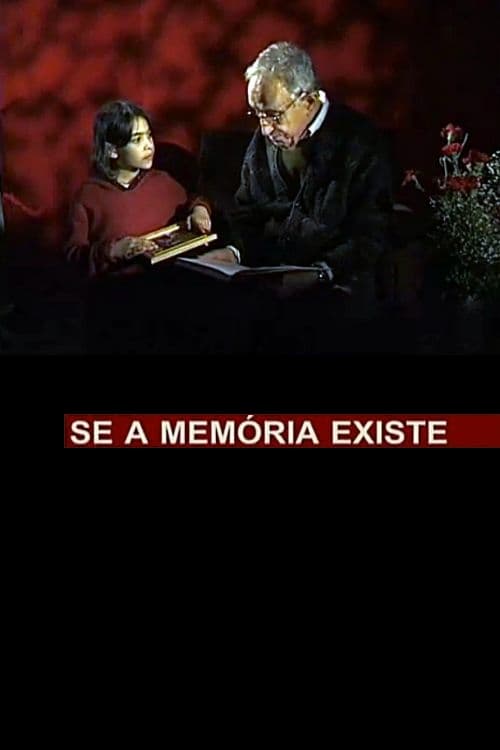
A dozen of the revolutionary Army officers that played eminent parts in the change of political regime in Portugal, from a military dictatorship to a social-democracy, read a book to a young girl, describing in a poetic, yet realistic way, what happened in the streets, and minds, of her People in April 25, 1974.
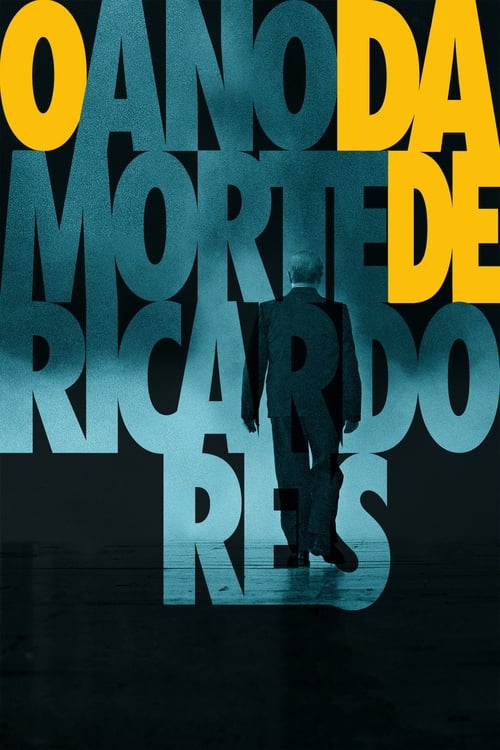
Fernando Pessoa, one of the greatest writers in Portuguese, created an immense parallel world and several heteronyms so as to endure the loneliness of genius. José Saramago, 1998 Nobel Laureate in Literature, has a heteronym, Ricardo Reis, return to Portugal after a 16-year exile in Brazil. 1936 is a perilous year with Mussolini’s fascism, Hitler’s Nazism, Spain’s Civil War and Salazar’s New State in Portugal. And Fernando Pessoa meets his creation, Reis. Two women, Lídia and Marcenda, are Reis’ carnal and impossible passions. “Life and Death as one” allows for literature and cinema.
A journey inside the tram crossing the city of Lisbon while listening to fragments of Fernando Pessoa's poetry.
Organized like a dream, structured like a musical and with texts, both spoken and sung, that lead us to unexpected, chaotic and exciting situations, which try to grasp part of what the unattainable Alexandre O'Neill left us.