Fernanda Negri Pouget
Acting
Known For
No description available.
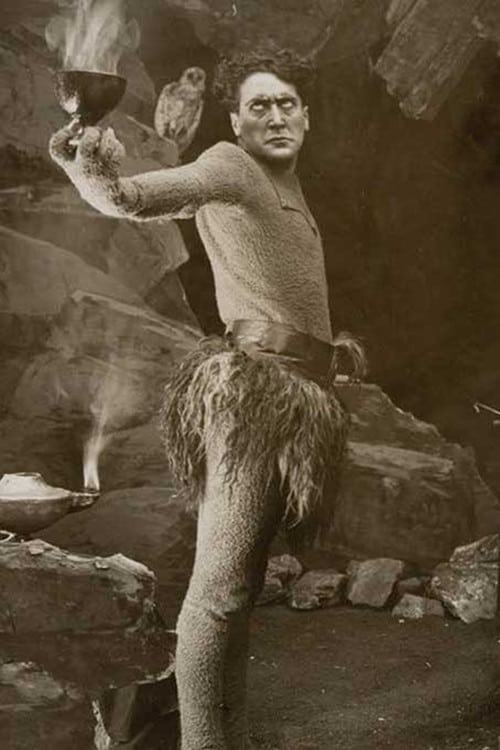
Satan
A melodrama about a female lion tamer who has an extramarital relationship with a distinguished gentleman, and then moves in with him. When she later comes to regret her actions, her husband has already died of sorrow.
Nelly, the Tamer
An Italian movie about Othello.
Otello
A mother confronts Death as to why he has to take her young boy. And he shows her the future to explain why he need to be eliminated.
If One Could See Into the Future
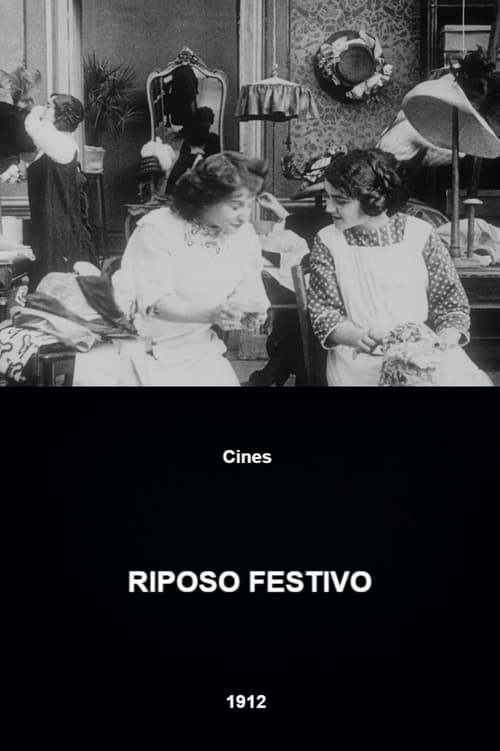
Two Merry Jokers get "caught with the goods." Leah and Lizette receive notes from their respective admirers, who wish to arrange a holiday party. Leah suggests that the three come to her house and have a jolly time. The two sweethearts, Tony and Fritz, are married men, Tony being Fritz's father-in-law. Each leaves home in the morning, claiming to have an important engagement for the day. Fritz arrives first, with parcels of good things to eat, and Lizette and her friend Tony arrive soon after. The scene which follows may be better imagined than described. However the two men pledge secrecy, and the party proves a huge success. An unexpected sequel follows the next day, for the wives happen to make purchases at the millinery shop in which the girls are employed. On delivering the hats, Leah and Lizette meet their sweethearts and learn that they are married men. Accusations, excuses and a general scrimmage follow. In which the husbands certainly "get theirs." —Moving Picture World
A Lively Day Off
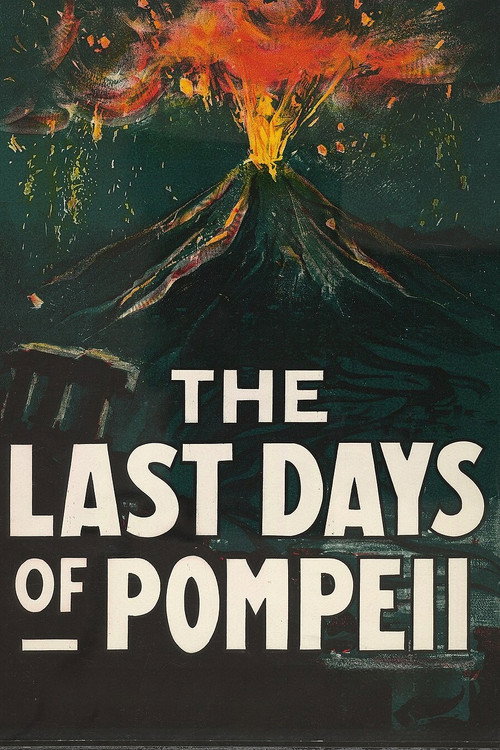
Well-respected Pompeiian Glaucus performs an act of kindness by purchasing Nydia, a blind slave being mistreated by her owner. Nydia falls in love with her new master, but he only has eyes for Ione. Ione in turn is lusted after by Arbace, an Egyptian high priest of Isis. When Nydia beseeches Isis for help in capturing Glaucus' heart, Arbace gives her a "love" potion-- an elixir made to drive Glaucus mad, securing Ione for himself. Ultimately, Mount Vesuvius will end their lives and seal their fates in a terrible, glorious eruption.
The Last Days of Pompeii
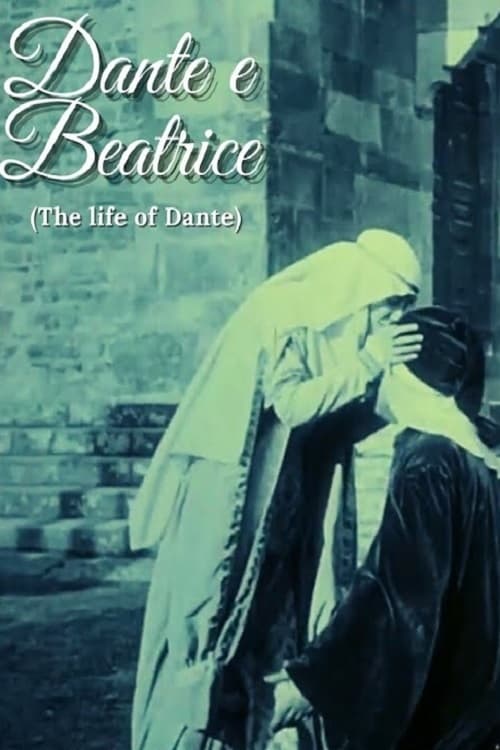
Early biopic of Dante. From the Cineteca Milano collection.
Dante e Beatrice
The Idiot, by Fyodor Dostoevsky.
The Idiot
A young woman becomes pregnant and attempts to provide for her child after the father leaves her.
A Tragic Wedding
No description available.
Il poverello di Assisi
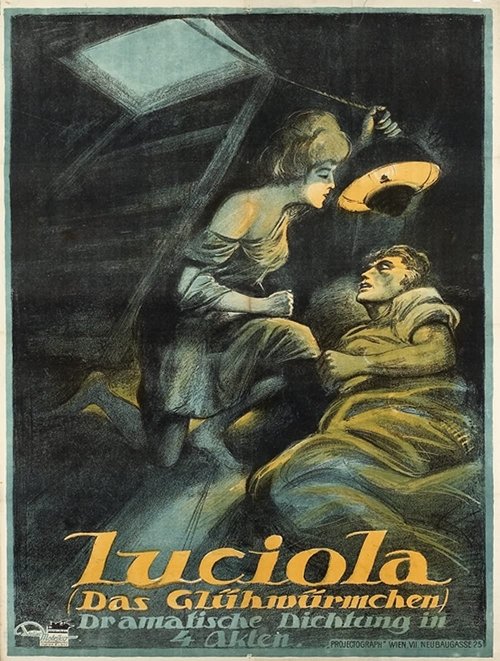
A homeless girl gets taken in by a painter.
Lucciola
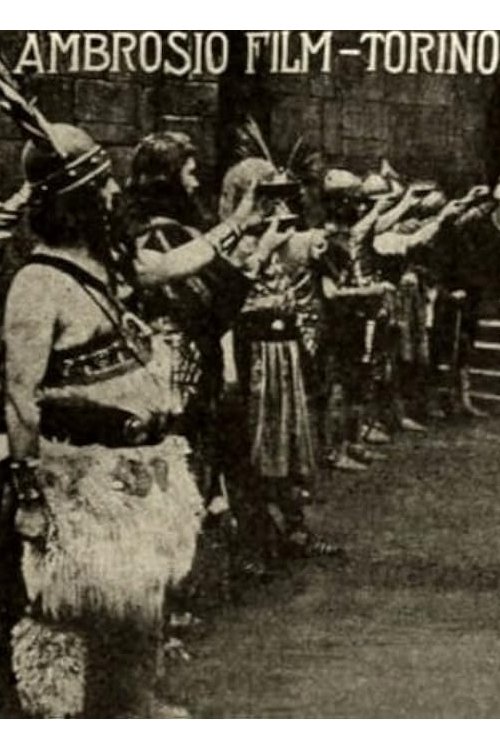
No description available.
Sigfrido

Dr Faust is continually obsessed with his quest for knowledge and absolute pleasure. One day, the demon Mephistopheles appears to him in his study in human guise and offers him a deal: a lifetime of total pleasure in exchange for the life of his fiancée Margaret. Faust accepts but is soon forced to realise the impossibility of crossing the boundaries of knowledge and the limits imposed by God.
Faust
Based on the celebrated novel by Alessandro Manzoni, "The Betrothed", the film tells the passage of Lucia being sent on an errand by the Nun of Monza, her kidnapping at the hands of "the Unnamed", and this man's meeting with the Cardinal Borromeo, whose intercession is key for the liberation of Lucia.
L'Innominato
Hoping to please her, some children give their grandmother an electric lamp for her birthday, but the elderly lady does not intend to put the old oil lamp in the attic and tells the young people that the object has a huge value for her.
Grandmother's Lamp
No description available.
Ma non è una cosa seria
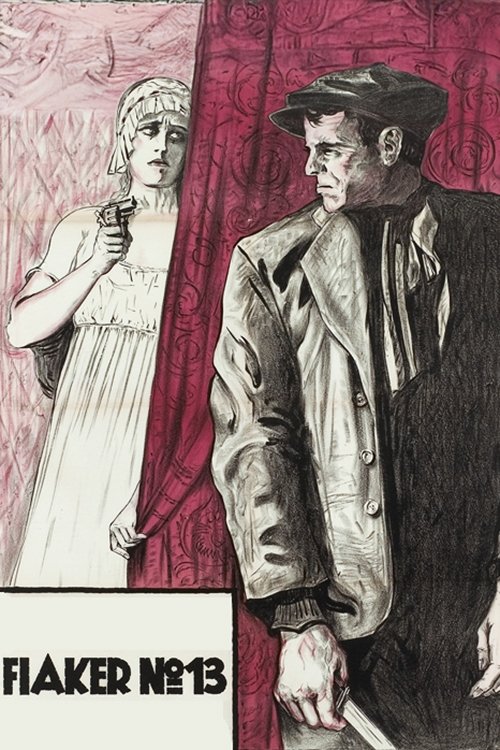
Il Fiacre n. 13, from the novel of the same title by Xavier Henri Aymon Perrin, Count of Montépin, a highly prolific and much-loved author whose books were vehicles for the depiction of social inequality, narrating stories of love, death, betrayal, blackmail, and redemption. The sweeping narrative of Il Fiacre n. 13 was mutilated by the Italian censor’s suppression of its first part, the most cynical episode, which sets the scene for a scheme discernable in the other three episodes, as the story develops from a sordid murder through plotting and deceit to finally reach a happy ending.
Cab Number 13
No description available.
Regina per quindici giorni
In Renaissance Rome, young Beatrice Cenci dares to defy her tyrannical father. Imprisoned, abused, and betrayed, she plots her father's murder with the help of her lover and a vengeful servant. When justice turns against her, Beatrice faces execution with unflinching dignity. A death that still echoes throughout the centuries as a cry for freedom and justice.
Beatrice Cenci
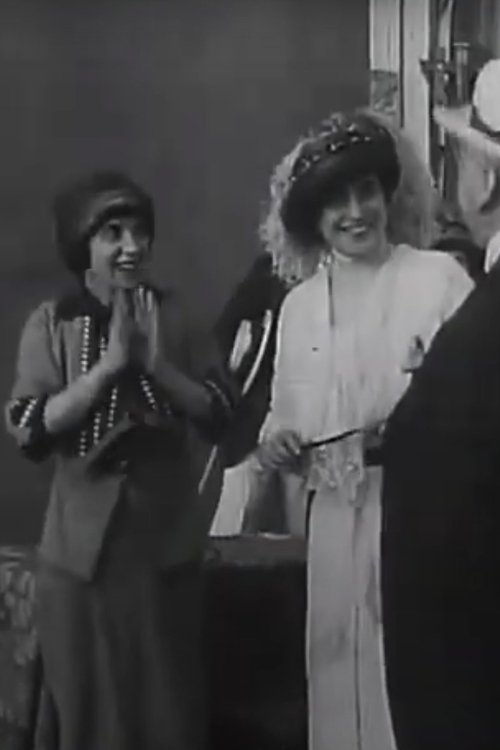
Sylvia and Janet lose their mother and are left destitute orphans. Jenny Smart (a leading moving picture actress) takes an interest in the girls and brings them to a studio. Sylvia is employed as a moving picture actress and is cast as the lead in a retelling of "Cinderella". A rare glimpse of filmmaking in Turin’s Ambrosio studio.