Kesang Tseten
Directing
Known For
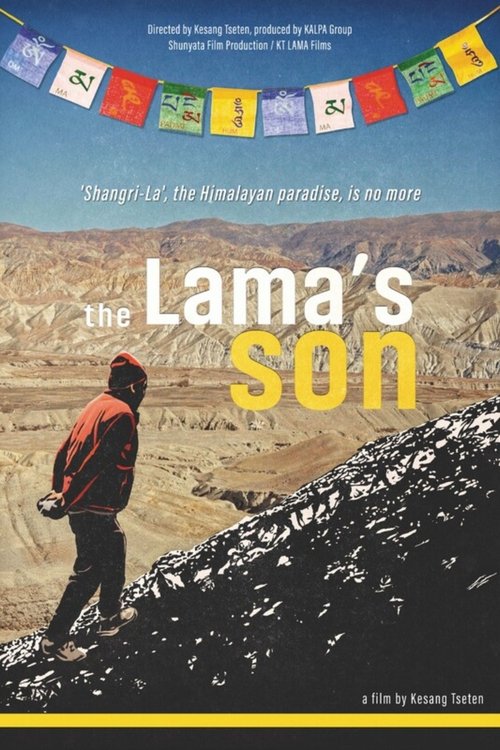
As youth leave Nepal's Mustang District and development advances, traditional lifestyles face extinction
The Lama's Son
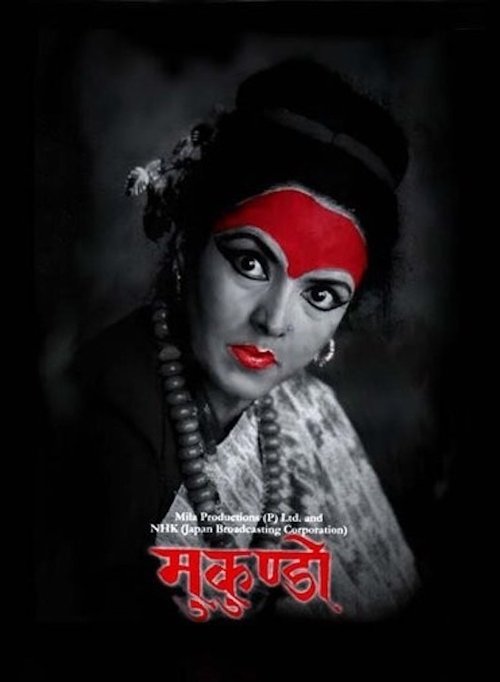
Dipak and Saraswati live a simple life in Kathmandu. A devoted father and an adoring husband, Dipak works as a security guard, while Saraswati happily tends to traditional housework. Their home is modest, and their two girls are happy. Life would be perfect for the pregnant mother if only she could give her husband a son. Desperate in her desire, on the advice of a stranger, Saraswati prays to a new spirit with miraculous results. When the blessing turns to tragedy, the distraught couple appeals to Gita, a jhangrini or healer, revered as a powerful spirit medium. Gita's own crisis of faith and, perhaps, her stunning beauty, forces all three to a dizzying climax, leaving the lines between secular and spiritual desires eerily blurred.
Mask of Desire
In recent years, fear of being caught in the crossfire between state security forces and Maoist insurgents and a failing economy propelled Nepalis to sell themselves as cheap labour in the Gulf. Their earnings sustain one out of every three households and remittances prop up the country, but these come at a high cost. The film provides a rare glimpse of the migrant experience in Qatar, where they outnumber natives by 3 to 1. Their struggle to endure long working hours in stultifying heat, burdened by loans and high expectations of home, and the upheaval and fractures of emotional life is overwhelming, unhinging the compass of their lives.
The Desert Eats Us
Every 12 years, impassioned devotees pull a 65-feet tall unwieldy chariot in the Kathmandu Valley, its rider an enigmatic god worshipped by Hindu and Buddhist, on a months-long journey proceeded by abundant ritual and animal sacrifice.
On the Road with the Red God: Machhendranath
No description available.
Népal : sur la route du marché

Drawing inspiration from Frederick Wiseman’s classic aesthetic, Nepalese filmmaker Kesang Tseten spends a year observing the community and culture of Himalayan immigrants in and around the Jackson Heights neighborhood of Queens. During the buildup to the 2020 U.S. Census, the inhabitants reveal their motivation to have their presence recorded, encouraged by visits from their political representatives, including Alexandria Ocasio-Cortez. In carefully captured verite footage, we see a rich portrait of people deeply connected to homeland traditions while adjusting to life in exile.
Diversity Plaza
The Brigade of Gurkhas has been a special unit within the British army for 200 years. Boys are recruited for the unit in the mountain villages of Nepal. In Who Will Be a Gurkha, director Kesang Tseten observes how the aspiring soldiers’ physical condition, intelligence and motivation are all put to the test. Tough selection isn’t only a matter of fitness and muscle power, but also of the right mental preparation. The Gurkhas are known for their courage and fighting spirit, and they are sent to fight in areas of conflict such as Iraq and Afghanistan.
Who Will Be a Gurkha
Nepal has rapidly become a pipeline of cheap labour for the Gulf in the last two decades. Migration has emptied Nepal’s villages of its young men, its farm fields tended by the elderly and women or left fallow. This film is about young men who set out to escape their family woes and grinding poverty, albeit at a high cost, to earn wages of US$5 to 7 a day in the alien and stultifying conditions of the Qatari desert. Theirs is often a true test of resilience and luck. The film shows a glimpse of gritty migrant conditions, rarely permitted to be filmed by the Gulf states, with its well-known sensitivity to outside criticism of its labour policies and practices. The stories of disillusionment and, occasional, transformation, capture the essence of the Nepali migrant experience, and the enormity of his journey.
In Search of the Riyal
Yudha Chitra (Frames of War) is a stark reminder that peace has not yet come for those directly affected by Nepal’s 11-year conflict. The film brings us the voices of those whose relatives were killed or disappeared or who were disabled during the conflict. Suffering and pain reside in individuals and individual bodies, which we often forget under the collective ‘people’. The film excavates individual stories while accompanying a traveling exhibition of A People War that in 2007-2008 traversed the country for more than three months and was seen by more than 300,000 people. The film also reminds us that public acknowledgement of what happened is a precondition for healing.
Frames of War

The wealth and opulence of the Gulf States in the Middle East were built on the labor of cheap labor from foreign countries. In 2009, four young Nepali men left their villages for the Arab Gulf, their stories, like those of a few million that keep the country afloat, often disillusioning and, as often, empowering, captured in the film In Search of the Riyal. The Riyalists trace the trajectories of the four men since then and over 12 years, a chronicle of Nepali labor migration, illuminating the experiences for up to 3 million Nepali working Qatar (2022 FIFA venue), UAE and other Gulf States the last few decades.
The Riyalists

Dor Bahadur Bista, Nepal’s most controversial intellectual in modern times, disappeared without a trace in 1996.
Castaway man
Things do not always work out the way they hoped they would, but events here have hit Dolma, a Nepali woman working illegally in Kuwait, particularly hard: she stands accused of murdering a Filipino colleague, and despite her protests of innocence she has been sentenced to death. This documentary presents the many reactions that this news unleashes. Dolma’s husband – who has also worked in Iraq – and other relatives can hardly believe it. Others wonder why the government is not coming to her aid. An activist who champions the interests of Nepalese women in the Gulf States explains that prohibiting women from going to work there is counter-productive. Now that the women are illegal, abuse is the order of the day. As the story progresses, attempts are made to come to a settlement with the Filipino family, Dolma’s husband also visits his son, who is being cared for in a remote mountain village.
Saving Dolma

Children, adults, and animals of a remote village in Nepal that has no electricity or shops, and is cut off from everything by a river, pride themselves on being "corner people."
We Corner People
Understanding issues related to child development in South Asia
Lepchas Of Sikkim: A Vanishing Tribe?
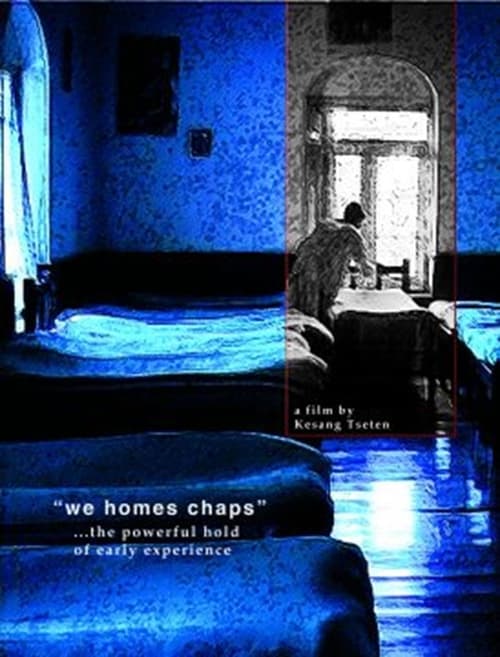
This film documents a school reunion held at the centenary celebration of the founding of Dr. Graham's Homes, a school in northern Indian town of Kalimpong, near the border with Bhutan and Sikkim. John Anderson Graham, a Scots missionary who traveled to India in 1889, founded his boarding school for "destitute and abandoned Anglo-Indian children" in 1900. Graham was appalled by the condition in which he found children in the tea-growing regions of northern India, in particular the children who were offspring of the women who labored on the tea plantations and (male) British tea-planters who were not allowed to marry until they became managers. Later the school also began to take in disadvantaged children of other backgrounds, among then Lushai, Nepali, Naga, Assamese, and Tibetan children. The film maker and several others interviewed in the film are children of Tibetan refugees.