José Estrada
Directing
Biography
José Estrada Aguirre (11 October 1938 – 23 August 1986), better known as José Estrada, was a Mexican film director and screenwriter. He directed 19 films between 1971 and 1985. His 1985 film Mexican, You Can Do It was entered into the 14th Moscow International Film Festival.
Known For

No description available.
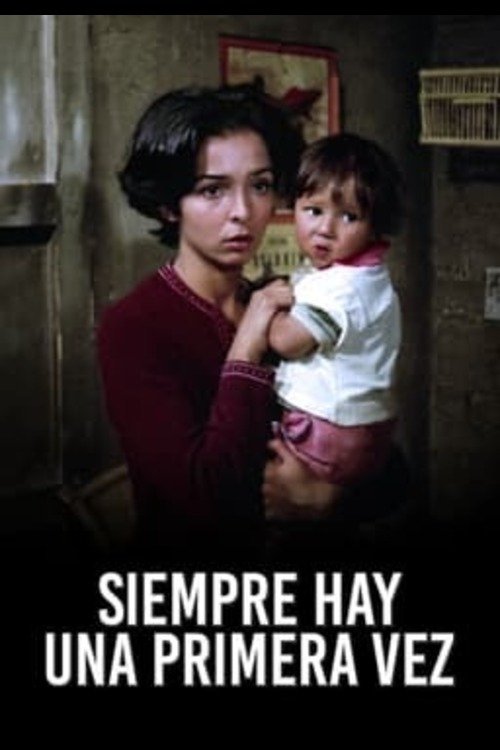
There's Always a First Time

Three girls from different social classes are forced to take that first step into adulthood that leads them to live fun adventures and also unfortunate events.
El primer paso... de la mujer

Wealthy family in the 1940s have failed to change with the times, and now everything's collapsing in their lives.
Los indolentes

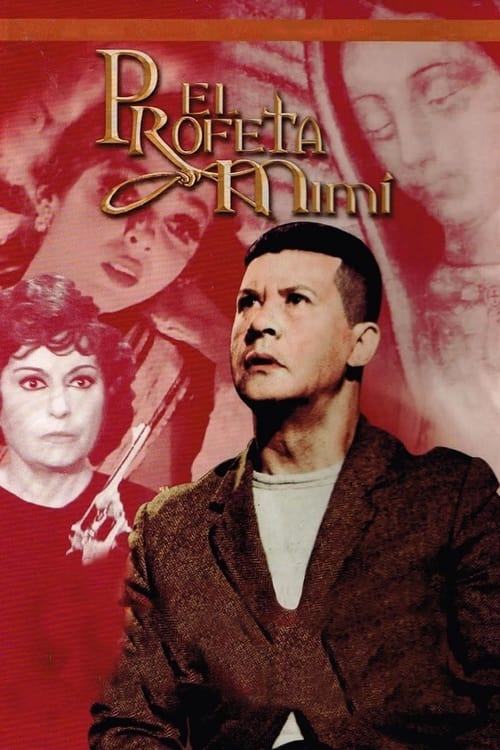
Childhood trauma and religious repression causes a little boy to grow up into a murderer.
The Prophet Mimi

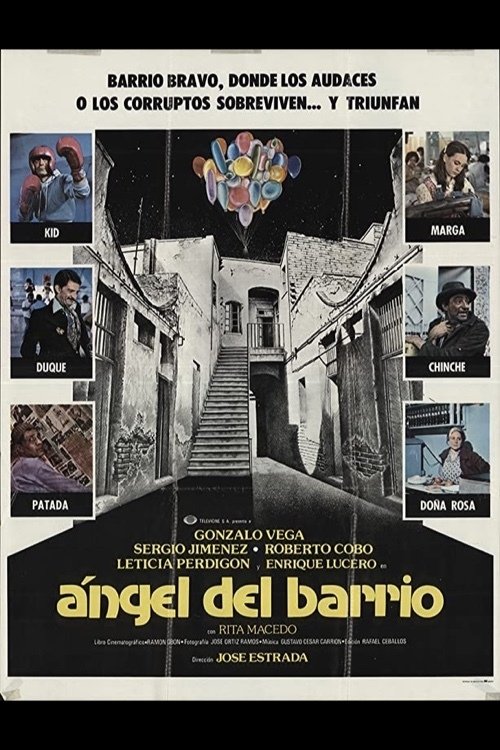
Patada de Mula, an old retired boxer, lives with the guilt of having killed his opponent in his last fight, but he works as a masseur in a gym, sells balloons on Sundays and with the proceeds supports the widow of the opponent he killed and his son El Kid, an aspiring boxer, without his knowledge. Patada is also in love with his neighbor Marga, a young woman who is pushed into prostitution by the gangster Duque and his own father, but to whom Patada sends letters as an anonymous lover. The Kid is sponsored by Duke and detests Patada for the death of his father, but when he throws him out of the inn that his mother tends she confesses to him what he has done for them and the Kid asks her forgiveness and makes him his second.
Angel del barrio

A pilot is called back to his homeland, the Latin American republic of Arepa, by the rich islanders to participate in a complot to kill the dictator known as El León (The Lion).
Maten al León
No description available.
Trio y cuarteto

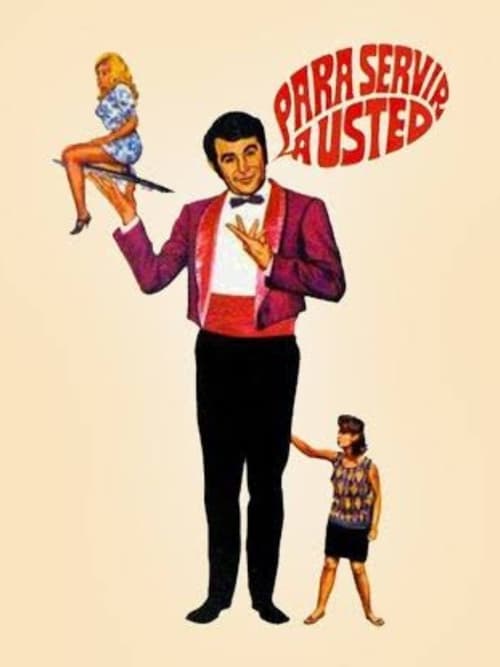
Working-class dude gets a gig as a waiter doing banquet service, and loses his moral compass through his contacts with decadent rich folk.
Para servir a usted

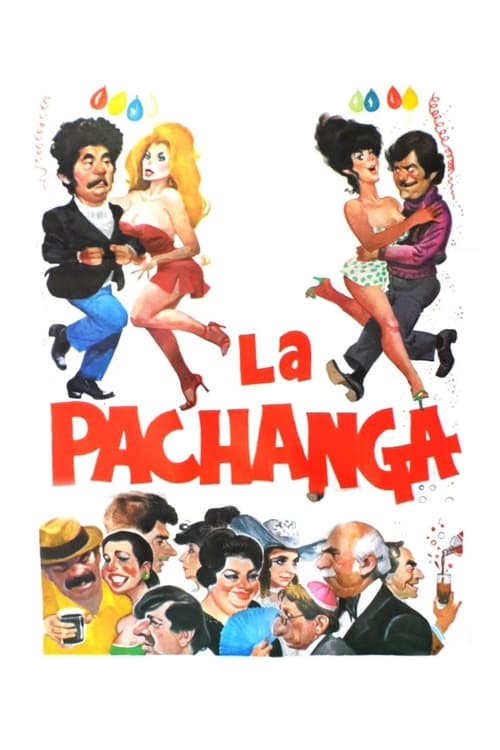
In a building, at the same time a girl's birthday is celebrated and an old man who died of cold is being watched.
La pachanga

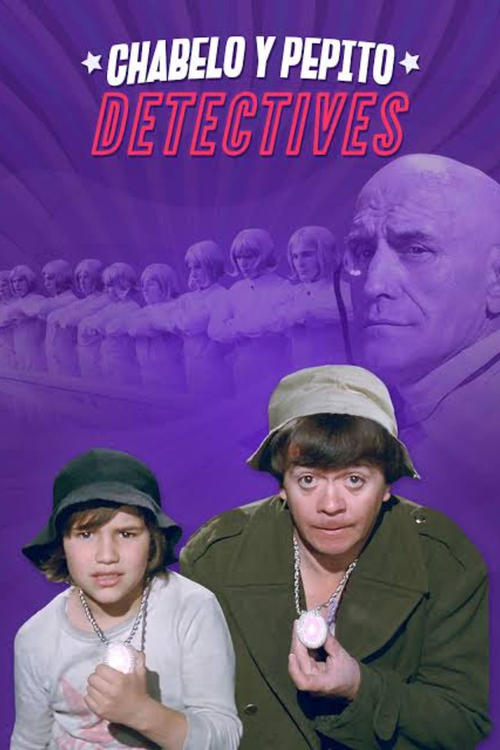
A commanding friend Pepito and Chabelo ask them to help uncover a gang who kidnaps children. They accept and are out to steal to join the band. Whenthey find that the band mesmerizes children with toys and then the kids are controlled by young boys and they controlled in turn by strangers with long hair and blue eyes.
Chabelo y Pepito Detectives

An ordinary day's hike gets rough when two youngsters escape from the main group into the woods and, after finding a grotto, discover that there is more to it than just darkness.
Chabelo Y Pepito Contra Los Monstruos

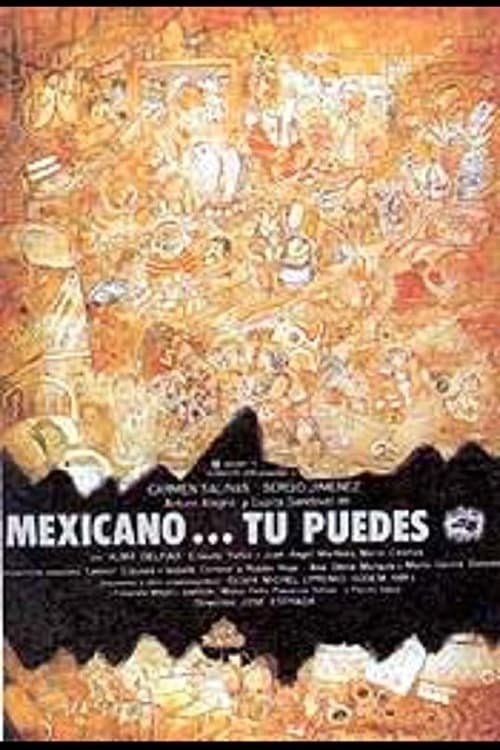
Vicente and Carmen, are spouses, he works in a factory, although he is a womanizer and irresponsible; she sells cosmetics or fayuca. Both dream of owning a home. Vincent did not want to leave their neighborhood but after several discussions they decide to buy a land...
Mexicano ¡Tú puedes!

Construction worker falls in love with a handicapped woman who aspires to a career as a singer.
El Albañil

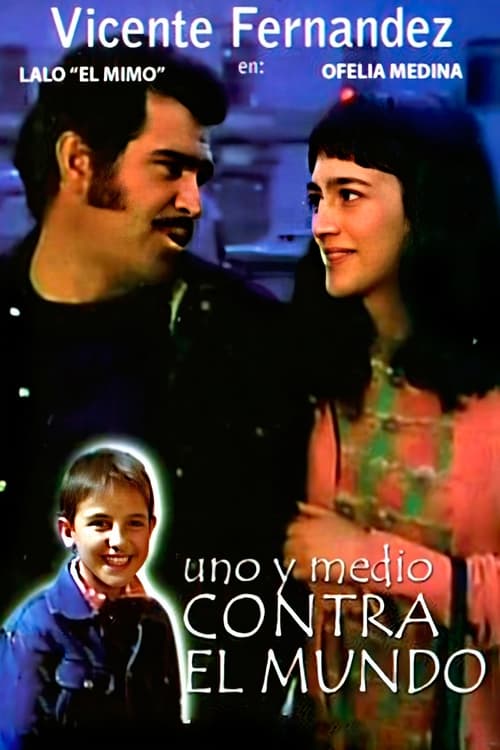
Small-time crook teams up with a street urchin for mutual support on the margins of society.
Uno Y Medio Contra El Mundo

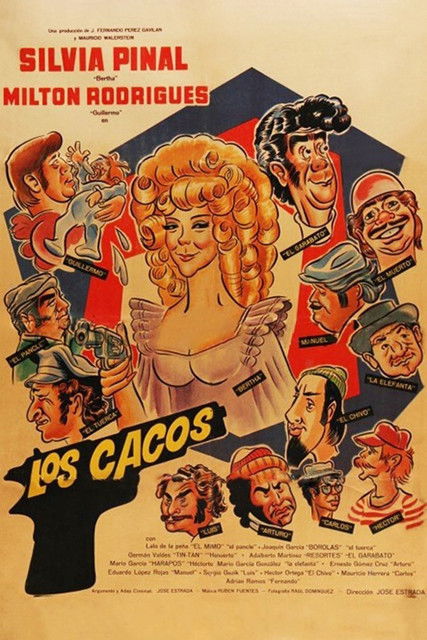
A group of Soccer-loving friends devise a plan to make easy money.
Los Cacos

Reporter investigating an actress' death gains an overview of her whole biography.
Ángela Morante, ¿crimen o suicidio?

For 7 years Don Dionisio has been engaged to Marguerite, a young girl from a good family. Every year he comes from the distant village where he is a civil servant to spend a day with his beloved. But that evening is the last time he moves in with Don Rosario, the innkeeper: the next day he marries Marguerite. But the arrival of a troupe of music hall artists who settle in the neighboring rooms and the meeting with the pretty Paula, will disturb his projects ...
Les Trois Chapeaux claques

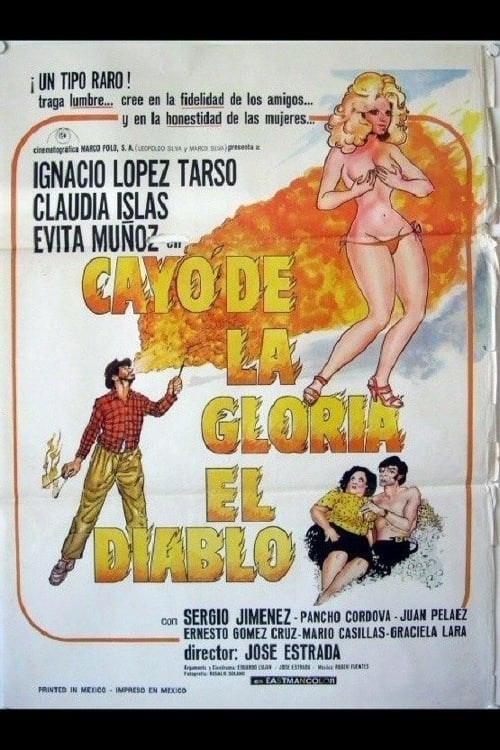
Subsistence-economy slum guy who sells used newsprint for a living breaks into showbiz with an inadvertantly-comical fire-eater act. The novelty of him wears off very quickly, and then...
Cayó de la gloria el diablo

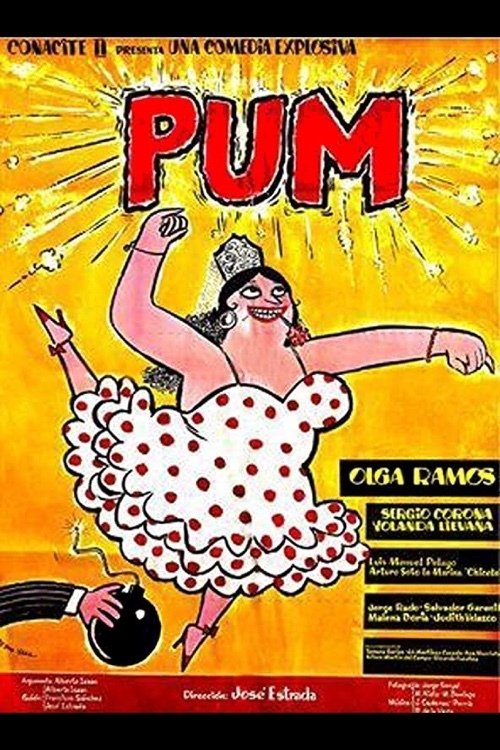
Based on a true story, it tells the story of opera singer Paco Sierra, who, realizing that the life of an artist does not provide him with enough money, plans and carries out a terrorist act: He assures the passengers of an airplane that he has placed a bomb.
¡Pum!

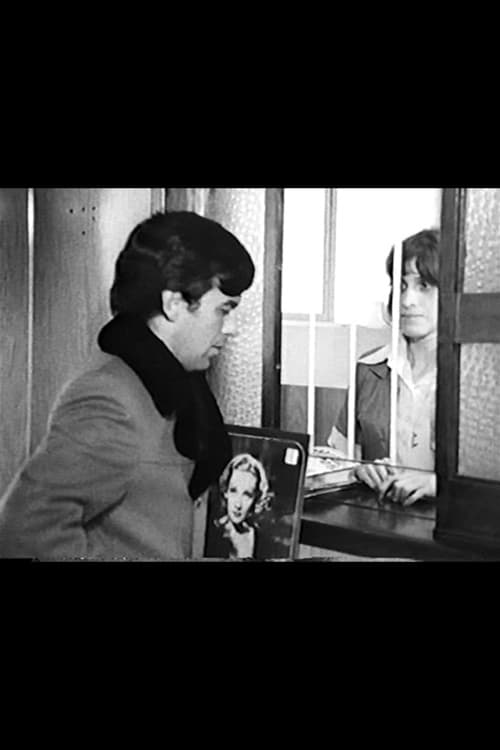
An unnamed man goes to a hotel to commit suicide with pills while listening to songs by Marlene Dietrich. But that act that seems to trigger the mere memory of places and experiences before dying, suddenly merges with other characters and dramatic experiences, which give life to a limit work, of desperate, almost intolerable courage, obstinate in dismantling all institutional discourses of the history of Mexico, without ceasing to use extraordinarily all possible cinematographic resources.