FEEL IT.STREAM
Aldo Tambellini

Aldo Tambellini

Directing

Biography

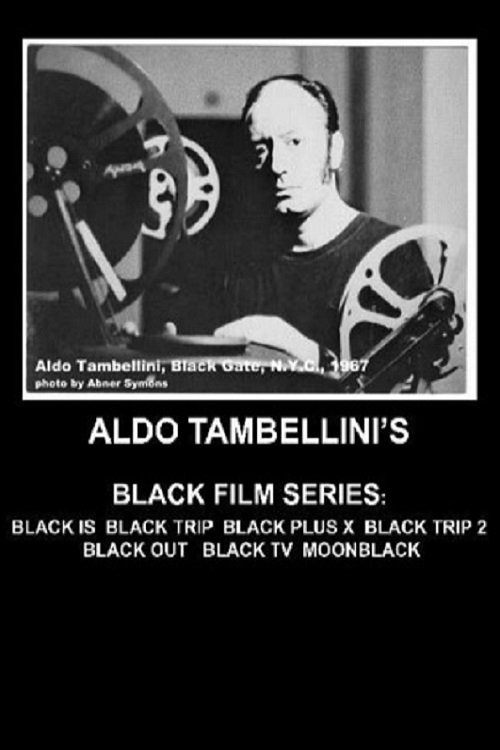
Aldo Tambellini is an Italian American artist. He was the first to pioneer electronic intermedia, is a painter, a sculptor and a poet. Tambellini has over 1400 pieces of artwork and 1000 poems. He has worked in bronze. He works with coal, acrylic and oil paints for his paintings. His earliest intermedia works involved the painting of cellulose slides and the use of projectors and televisions. His electromedia performances were collaborative efforts, utilizing jazz, poetry and dance along with painted slides. Tambellini is also a film editor and creates visual poems.
Known For

No image

Video documentation of Tambellini’s 1963 performance art piece, The Screw, a biting satire aimed at the Museum of Modern Art and the Whitney Museum who agreed to accept a new sculpture created by Tambellini in 1963. It’s a perfect example of Tambellini’s wit and contempt for systems of power and capital. In true Aldo fashion, he assembled a group of local teenagers who wanted to learn how to perform as a barber shop quartet. He wrote a song for them to perform, split the commission, and created a public spectacle presenting both museums with The Screw—a literal “screw you” to the nihilistic institutions Tambellini called out for violating the ethics of artistic citizenship through their promotion of commercialized, mainstream, docile, and apolitical art work. Tambellini’s performance incorporates the poetic, the spectacle, the musical, the satirical, and the sculptural.

The Screw

1963Movie
6673

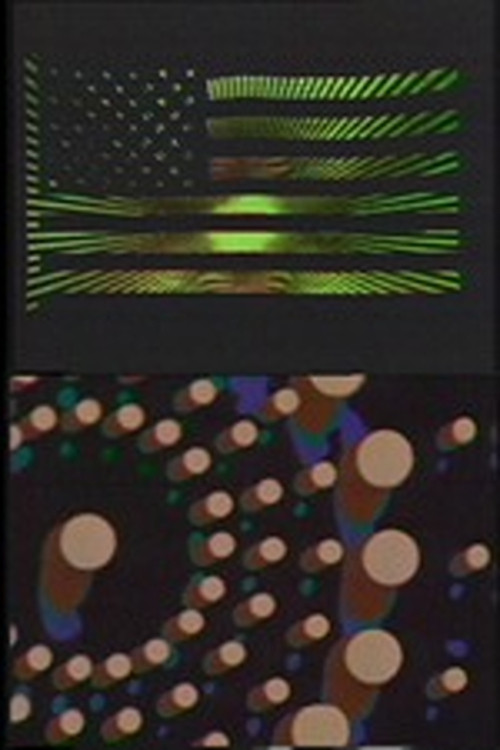
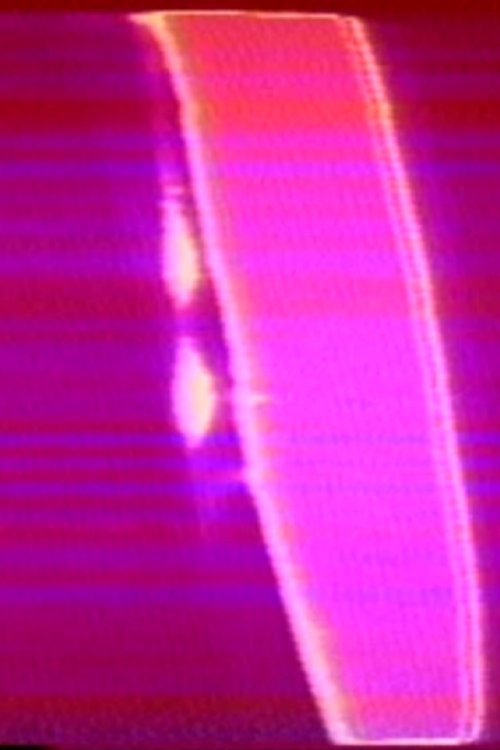
It was difficult to find labs where I could make copies of my first tape; however, I found a place near LaGuardia Airport called Video Flight. They agreed to copy my tape. And while they were doing this I saw test patterns and other electronic images on the monitors that excited me. I spoke with the young engineers and decided to collaborate with them, returning to make a second tape of the electronic images. This manipulation of the test patterns became my second tape. The sound heard on the tape was from an oscilloscope, which I controlled, and through the sound I manipulated the images; later in the tape there is the sound of my own voice improvising as I reacted to the images. In 1973, Public Television in New York City, Channel 13, opened a new television lab and gave some artists access to it. The 55-minute black and white tape from 1966 described above was reprocessed in 1973 at Channel 13 using the Paik-Abe Video Synthesizer; thus the title 6673.

6673

1973Movie